
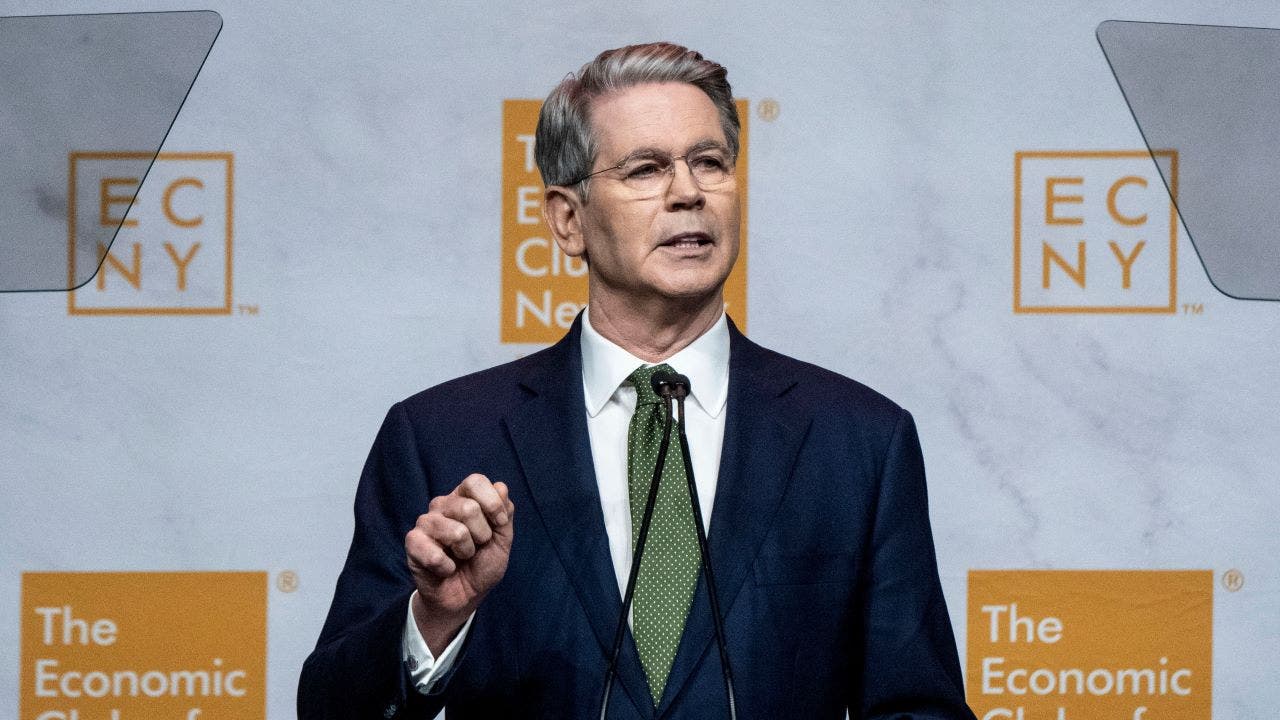
Bessent Faces G20 Test Over Iran Sanctions, Trade
US Treasury chief seeks support for tougher pressure on Iran as tariffs, debt and global economic tensions complicate talks
By Sadiq Abdulfatah
US Treasury Secretary Scott Bessent is facing a major diplomatic challenge as G20 finance leaders meet in the United States amid disagreements over Iran sanctions, tariffs, global trade and rising debt concerns.
The meeting of G20 finance ministers and central bank governors, scheduled for Monday and Tuesday in Asheville, North Carolina, comes as Washington seeks greater international support for its economic pressure campaign against Iran.
Bessent is expected to push members of the group to cut business ties with Iran while also promoting US efforts to reduce global trade imbalances and stimulate economic growth.
However, the push could face resistance from several G20 members, particularly countries that have been affected by the economic consequences of the Iran war or have significant trade relations with Tehran.
The conflict has also affected global energy markets, with the continued closure of the Strait of Hormuz disrupting trade and putting pressure on energy and commodity prices.
Bessent has warned that countries continuing to buy Iranian oil or facilitate other transactions with Tehran could face secondary US sanctions.
On Friday, the US imposed restrictions on an Egyptian bank over its alleged links to Iran through its branches in the United Arab Emirates, adding to Washington’s campaign to isolate Tehran financially.
The Iran issue is expected to compete with other major concerns at the G20 meeting, including US tariffs and the growing dispute over global trade imbalances.
The Trump administration argues that government policies in some countries distort competition and contribute to persistent trade imbalances.
European officials are also expected to raise concerns about the increasing flow of Chinese goods into European markets.
China’s exports rose sharply in July, with its electric vehicles, semiconductors and other manufactured goods increasingly finding markets in Europe as high US tariffs restrict access to the American market.
The US itself is facing criticism over its fiscal position. American public debt crossed $40 trillion on August 19, while yields on 30-year US government bonds recently reached their highest level in 19 years.
Bessent has attempted to ease pressure in the bond market by increasing planned purchases of longer-term Treasury securities. The move briefly pushed yields lower but also raised concerns among some central bankers and market participants about greater government intervention.
The Treasury secretary is therefore expected to face questions from his G20 counterparts not only about Iran and trade but also about the direction of US economic policy.
The meeting comes as the Trump administration seeks to reshape the G20 under US leadership and return greater attention to economic growth, energy production, private-sector investment and regulation.
The G20 has struggled in recent years to reach agreement on major global issues because of differences among its members, including China and Russia.
Analysts expect those divisions to become more visible as Washington pushes its Iran sanctions agenda while other countries focus on tariffs, trade and the wider economic consequences of the war.
The gathering will therefore test Bessent’s ability to secure cooperation from major economies at a time when US economic policies and the Iran war are creating competing interests across the G20.
Source: Reuters
SPONSORED

SPONSORED

SONSORED
