
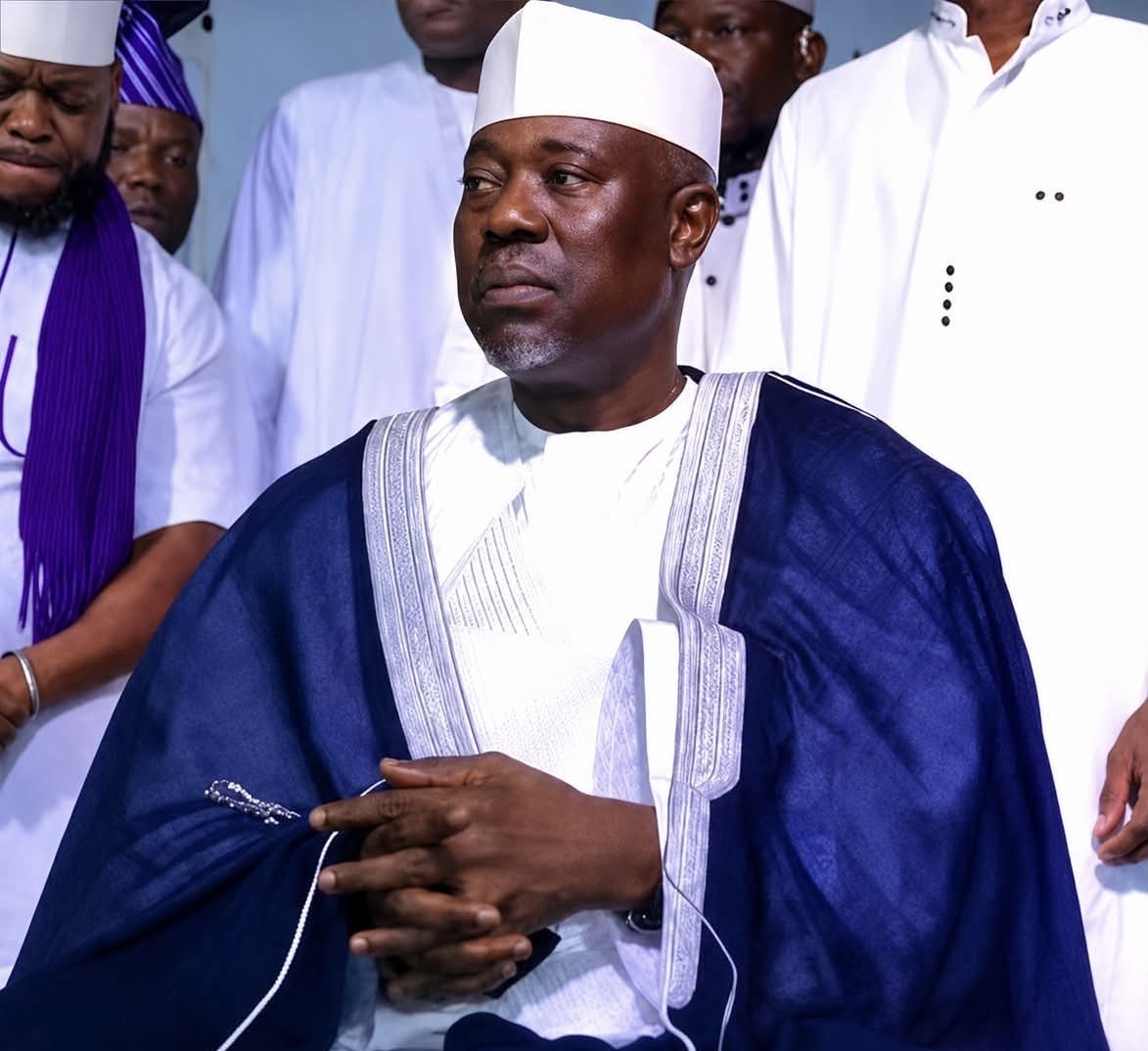
Asukuna: A Sheikh in the Heart of Lagos
By Abdullahi Yusuf
The death of Sheikh Sirajudeen Akanni Folorunsho Asukuna has brought to an end the life of a Muslim scholar whose influence extended beyond the pulpit into Islamic organisation, interfaith engagement and the wider social life of Lagos.
The family of the cleric and members of Hizbullahi International Prayer Outreach Ministry announced his death on Tuesday, July 28, 2026, describing him as their Grand Amir. He was later buried according to Islamic rites at the Muslim Cemetery, Mowe-Ofada, Ogun State, according to videos from the burial circulated on social media. No cause of death was disclosed.
But for many who knew Sheikh Asukuna, his death represents more than the loss of a popular preacher. It marks the passing of the man who founded and nurtured Hizbullahi International Prayer Outreach Ministry into a prominent Islamic organisation in Lagos, while simultaneously cultivating a reputation for religious tolerance, social engagement and accessibility.
Background
Sheikh Asukuna was born into an Islamic scholarly family in Ibadan. His full name was Alhaji Sirajudeen Akanni Folorunsho Asukuna, with Asukuna being the name of his family compound in Ibadan.
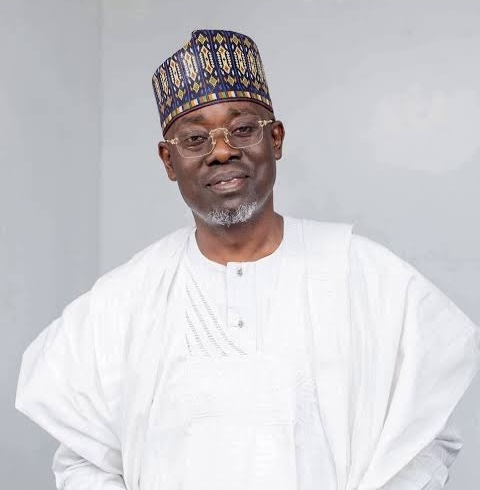
In a 2022 interview, he explained that his compound had a long association with Islamic scholarship and was popularly known as “Ile Alfa”. His father, Aminullah, was an Islamic scholar and Asukuna was his first child.
Ironically, the young Asukuna did not initially envisage himself becoming an Islamic cleric.
He recalled that he watched his father devote much of his time to Islamic scholarship and initially did not want to follow the same path. His father, however, was determined that his first son would inherit the family’s scholarly tradition.
After completing his primary education at Ansar-Ud-Deen in Alakoro, Lagos, Asukuna was sent to Shamsu Shurud Islamic Institute in Ibadan, where he spent nine years studying Islamic and Arabic scholarship.
His education did not end there. After taking the GCE because he had not followed the conventional secondary-school route, he pursued Arabic and Islamic studies courses at the University of Ibadan, obtained a diploma in Arabic and Islamic Studies from Ahmadu Bello University, Zaria, and later proceeded to Cairo, Egypt, for further studies. The path that began as his father’s aspiration eventually became his own calling.
The Birth of Hizbullahi
The emergence of Hizbullahi was the defining chapter of Sheikh Asukuna’s public religious life.
In a 2022 interview with City People, Sheikh Asukuna said the call to establish his own Islamic society came in 1998. In a separate interview with the publication in 2023, however, he said Hizbullahi Prayer Ministry was founded in 2000 and described the organisation as being 23 years old at the time. The differing dates are retained here as reported by the cleric himself.
The discrepancy notwithstanding, the organisation grew into the principal institutional expression of his religious work.
As its founder and chief missioner, Asukuna presided over lectures, prayers, Ramadan programmes, Laylatul Qadr activities and other Islamic gatherings. By 2023, City People reported that the organisation’s programmes were attracting a growing membership and were attended by prominent Lagos personalities and celebrities, with some programmes also streamed online. The organisation’s national headquarters was located at No. 2 Freeman Street, Oyingbo/Ebute-Metta, Lagos.
A Message of Peace and Tolerance
Perhaps one of the clearest features of Sheikh Asukuna’s preaching was his emphasis on peaceful coexistence. In his own description of Hizbullahi, he said the organisation sought to promote peace, harmony and love and did not discriminate against other religious sects.
He also said fanaticism was not tolerated within the society and that disagreements should be handled constructively rather than through confrontation.
That philosophy was reflected in his public engagements.
In 2018, The Punch reported his call for Muslims and Christians to live in harmony during a Ramadan lecture organised by the Island Club. He linked religious commitment with the need to prevent violence, terrorism, vandalism and other social ills.
For a cleric whose influence was concentrated in a religiously diverse and socially vibrant environment such as Lagos, that message helped define his public identity. One of Sheikh Asukuna’s most ambitious projects was the development of the Hizbullahi complex in Ebute-Metta. What began as a mosque project was conceived as something considerably broader.
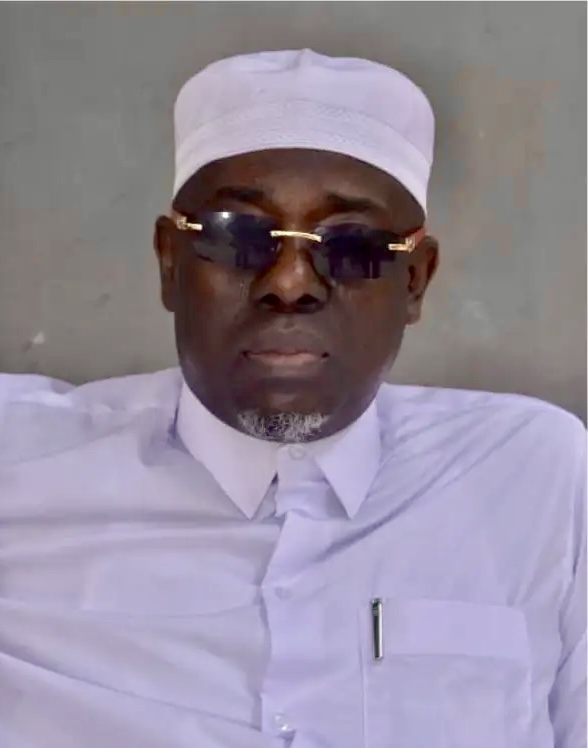
In 2022, he explained that the building would contain prayer facilities as well as spaces for weddings, naming ceremonies and Arabic education. By 2023, he described the project as a multi-storey Islamic centre incorporating plans for an elementary school, a mini-clinic and an event hall for Islamic social activities.
The project therefore represented a significant part of his vision for Hizbullahi: a religious institution capable of providing educational, social and community services alongside worship.
He acknowledged the financial demands of the project and appealed for support from well-wishers, including Muslims and Christians, to bring it to completion.
Public Image
Sheikh Asukuna’s public image was unusual in another respect. He was not detached from the social environment in which he operated. He openly described himself as a social person and maintained longstanding relationships with figures in Lagos entertainment and social circles. Among the best-known was his friendship with Fuji musician Wasiu Ayinde, popularly known as K1 De Ultimate.
In a 2022 interview, Asukuna said he and K1 had grown up together. City People also reported that prominent celebrities and socialites regularly attended his programmes and regarded him as a spiritual adviser.
That relationship between the cleric and the wider Lagos social scene became part of what distinguished him.
He was able to operate in two worlds that are sometimes portrayed as distant from each other: the formal environment of Islamic scholarship and the informal world of Lagos social and entertainment circles.
Rather than seeing the two as necessarily incompatible, Asukuna appeared to regard social engagement as part of his personality and outreach.
His Role in Oyo Islamic Life
His influence was not restricted to Lagos. Asukuna was also identified as the Amir Zakireen of Oyo State, a leadership position associated with the Asalatu movement. In 2023, he recalled being publicly turbaned at Ojaoba Central Mosque in Ibadan and described his position as placing him at the head of the new-generation Asalatu Union in Oyo State.
The position added another layer to his religious influence, connecting his Lagos-based ministry to the broader Islamic community in the South-West.
His leadership of Hizbullahi was not merely historical. On January 26, 2026, Vanguard reported on an official decision by Hizbullahi International Prayer Outreach Ministry concerning one of its branch missioners. The statement was signed by Sheikh Sirajudeen Akanni Asukuna on behalf of the organisation’s National Executive and National Mission Board.
The report also showed that Asukuna remained directly involved in the administration of Hizbullahi months before his death.
His passing therefore came while he was still publicly associated with the leadership of the institution he had built.
His Ramadan Legacy
Ramadan was another major platform through which Sheikh Asukuna expressed his religious philosophy. In his interviews, he repeatedly urged Muslims not to confine charity, kindness and good conduct to Ramadan. He argued that the moral discipline cultivated during the holy month should continue throughout the year.
He also spoke about the need for Muslims to preserve the spirit of love and generosity beyond Ramadan, warning against returning to negative habits once the month had ended. His message was therefore not limited to ritual observance. He consistently linked religious practice with personal conduct and social responsibility.
His Final Chapter
The family announcement of July 28 brought that long public chapter to a close. The family and Hizbullahi International Prayer Outreach Ministry described him as their Grand Amir and called on Muslims to pray for Allah’s mercy and forgiveness for him.
For an organisation built around his leadership for over two decades, the question now extends beyond mourning: it is also about continuity.
For now, however, his record is that of a cleric who transformed a personal calling into an organised religious movement, extended his influence across Lagos and the wider South-West, and sought to make Islamic outreach a bridge between worship, education, community and society.
May Allah forgive his shortcomings, accept his good deeds and grant him Al-Jannatul Firdaus.
SPONSORED

SPONSORED

SONSORED
