
Apitherapy: How Honeybee Products Are Used in Traditional and Alternative Medicine
“And your Lord inspired the bee: ‘Take for yourself among the mountains, houses, and among the trees and [in] that which they construct. Then eat from all the fruits and follow the ways of your Lord laid down [for you].’ There comes forth from their bellies a drink of varying colors, in which there is healing for people. Indeed, in that is a sign for a people who give thought.” (Qur’an 16: 68-69)
By Abdullahi Yusuf
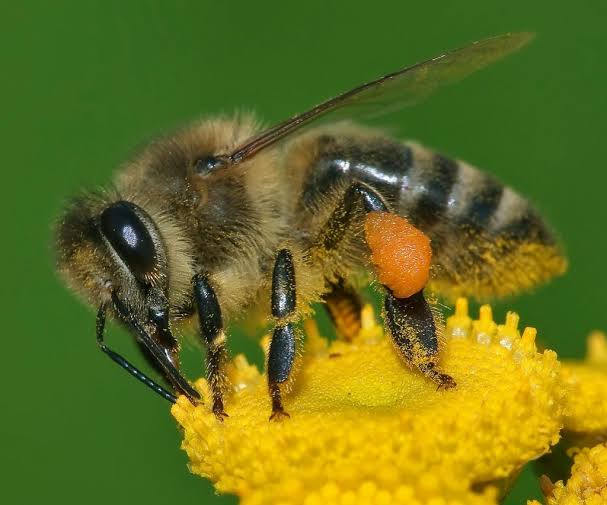
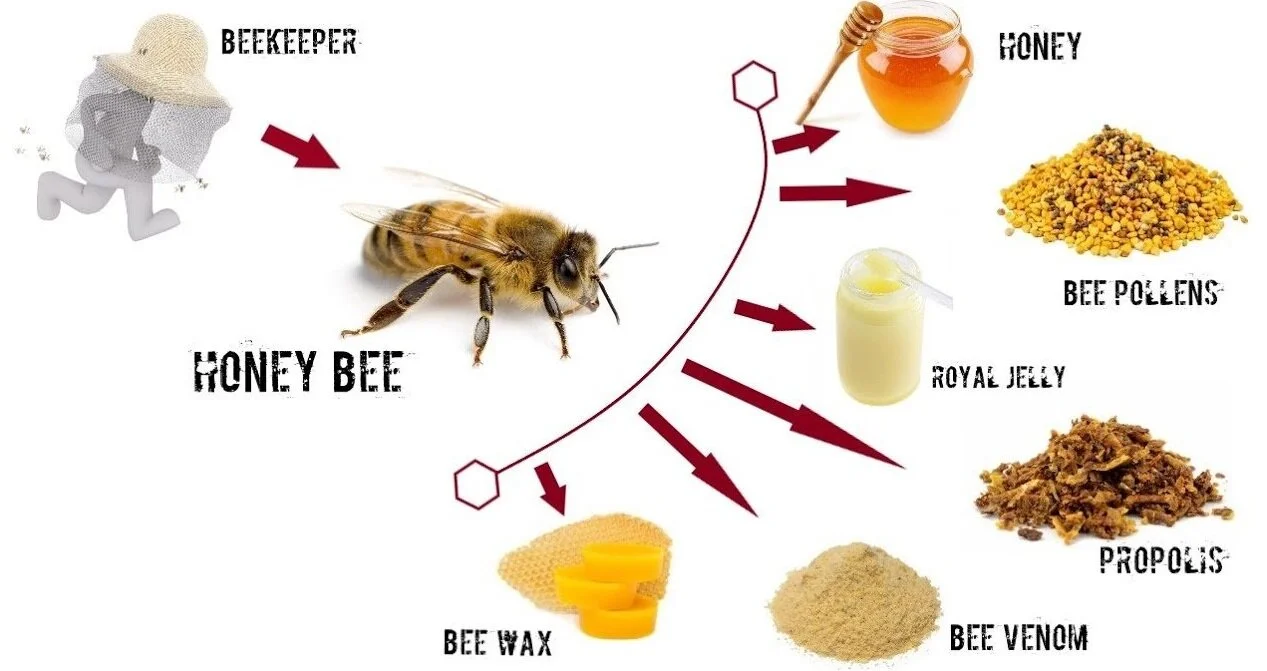
Apitherapy is an alternative form of therapy that uses products produced by honeybees for medicinal or health purposes. These include honey, bee venom, royal jelly, bee pollen, propolis, beeswax and beebread.
The practice has roots in traditional medicine and has attracted continuing scientific interest, particularly in the potential use of bee products in wound care, inflammatory conditions, oral health and some neurological disorders.
However, the evidence varies considerably from one bee product and condition to another, and apitherapy can also carry significant risks, particularly for people with allergies to bee products or stings.
What is apitherapy?
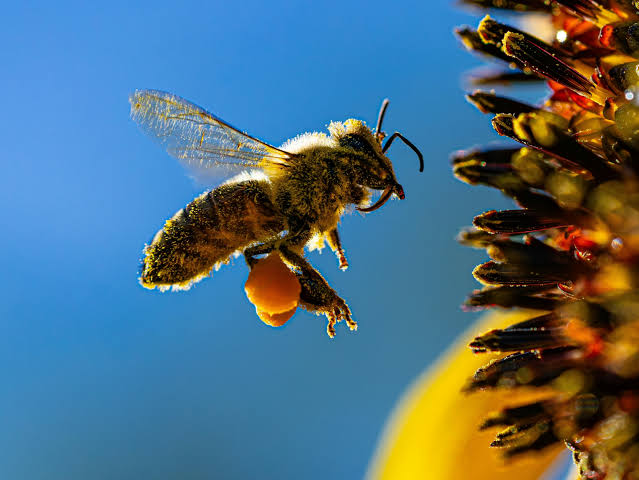
Apitherapy, sometimes called “bee therapy”, involves the use of honeybee products as part of efforts to prevent, manage or relieve health conditions.
Honeybee products have been used medicinally for centuries. Ancient Greek, Egyptian and Chinese civilisations are among those known to have used honey and other bee products for therapeutic purposes.
Modern interest has focused on properties such as the antimicrobial, anti-inflammatory and antioxidant activity of some bee products. These properties, however, do not mean that every form of apitherapy has been proven to treat disease.
The products used in apitherapy
Most products used in apitherapy come from the western honeybee, Apis mellifera. Each has different properties and uses.
Honey
Honey is one of the best-known products used in apitherapy. It contains small amounts of proteins, minerals, vitamins and enzymes, and some types of honey have antimicrobial activity.
In medical settings, specially prepared medical-grade honey is used in some wound-care applications. This should not be confused with applying ordinary household honey to an open wound.
Bee venom
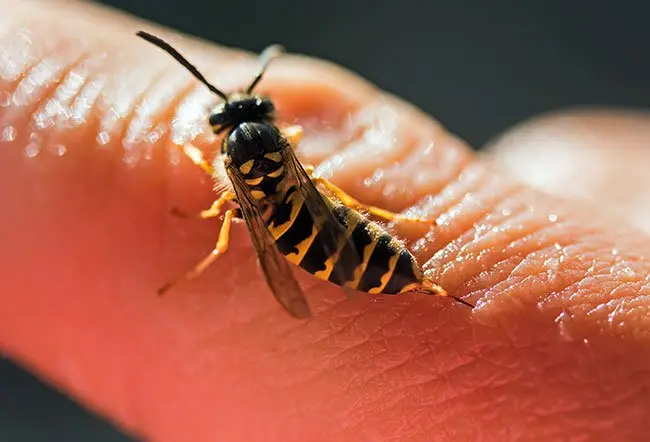
Bee venom is produced by worker bees as a defence mechanism and is injected when a bee stings. It contains proteins, enzymes and other compounds that trigger an inflammatory and painful response.
Bee venom has been studied for possible applications in conditions including arthritis, nerve pain and some neurological disorders. Administration may involve controlled venom exposure, injections or techniques sometimes described as bee-venom acupuncture.
Because bee venom can trigger severe allergic reactions, its use carries particular risks and should not be attempted without appropriate medical supervision.
Royal jelly
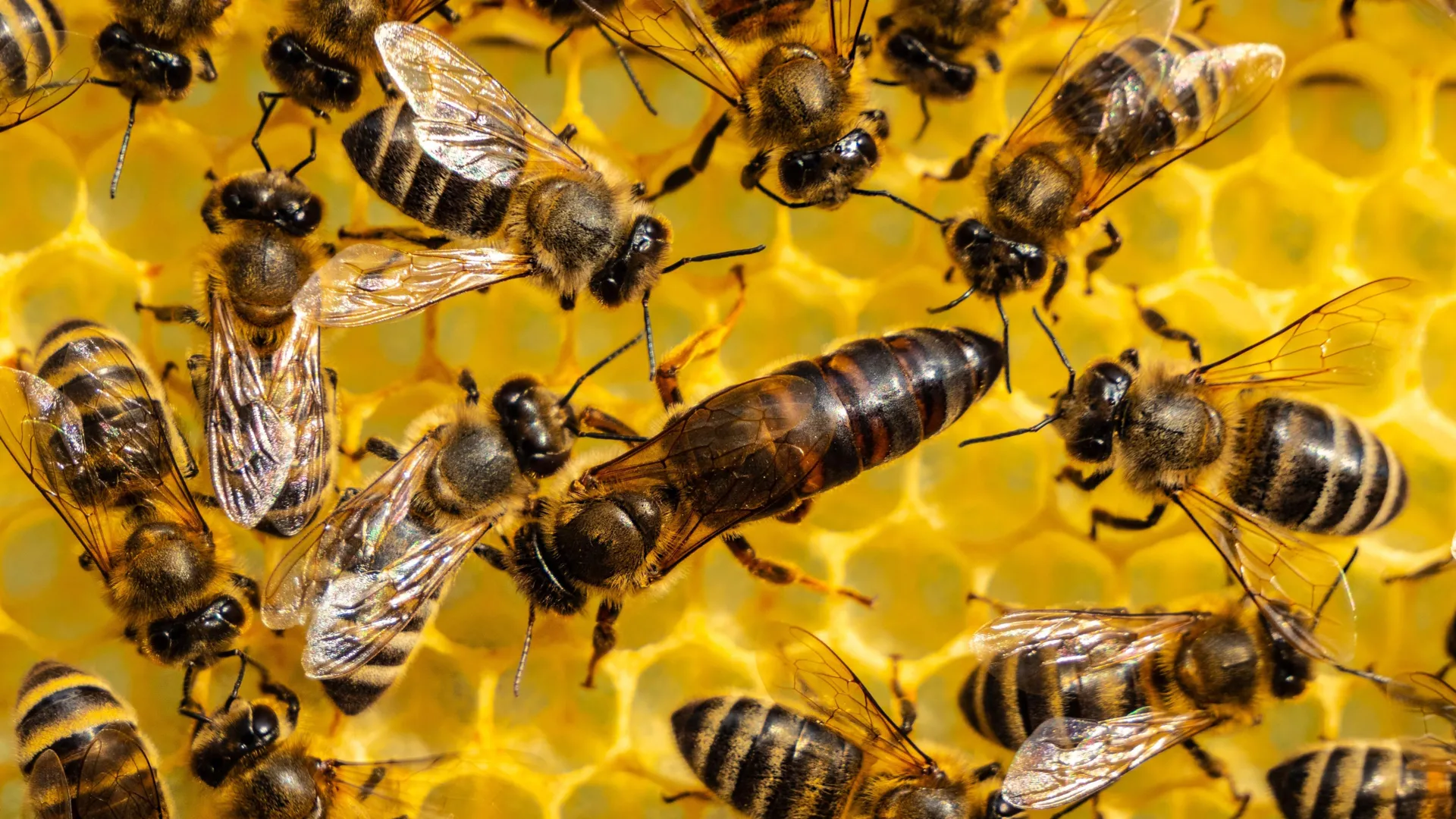
Royal jelly is a nutrient-rich secretion produced by worker bees and fed to developing larvae. Queens continue to receive it throughout their development and adult life.
It contains proteins, B vitamins and other compounds with antioxidant properties. Despite its nutritional content, evidence for using royal jelly to treat specific medical conditions remains limited.
Bee pollen
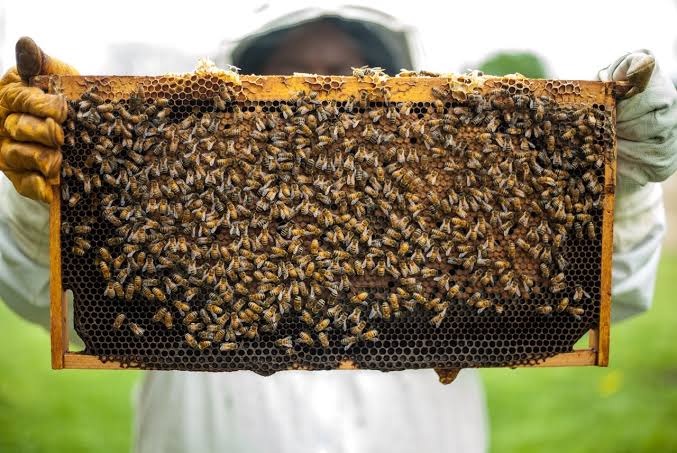
Worker bees collect pollen from flowering plants and carry it back to the hive. It contains protein, vitamins, minerals, enzymes and amino acids and serves as an important source of nutrition for bees.
People may consume bee pollen as a dietary product, although its medicinal benefits for specific illnesses require further research.
Propolis
Propolis is a resinous substance made by bees from plant materials. Bees use it to seal and protect parts of their hives.
It contains compounds with antimicrobial properties and has been studied for possible applications in oral health and other areas of medicine.
Beeswax
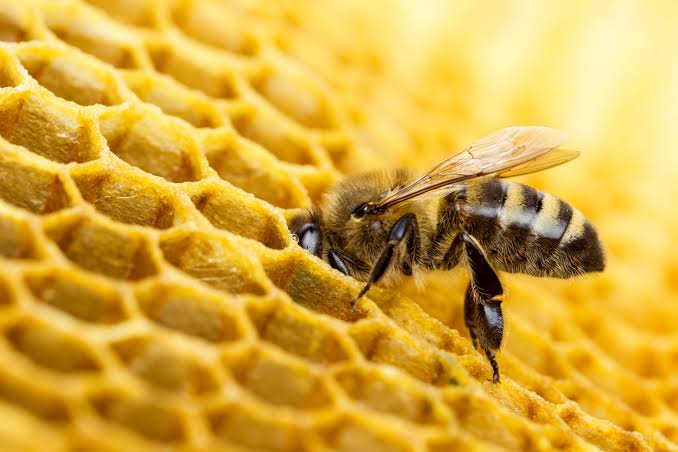
Bees produce wax to construct honeycombs and seal honey cells. They also use it, together with propolis, to protect the hive.
Beeswax has various practical and cosmetic uses, although its role as a treatment for medical conditions is less established.
Beebread
Beebread is produced when bees process collected pollen with honey and enzymes. Fermentation makes it easier for bees to digest and helps preserve its nutrients.
It is sometimes consumed as a nutritional product, but evidence supporting specific therapeutic uses remains limited.
What is apitherapy used for?
The potential medical uses of bee products differ according to the product being studied.
Research has examined honey in wound care, propolis in oral health, and bee venom in inflammatory and neurological conditions. Some people also use bee products alongside other complementary therapies.
The strength of evidence is not the same across these applications. A product showing antimicrobial or antioxidant activity in laboratory studies, for example, does not necessarily mean it can treat an illness effectively in people.
Honey and wound care
Honey has received considerable attention in wound management.
Its high sugar content, acidity and other compounds can create conditions that inhibit the growth of some microorganisms. Honey may also help maintain a moist wound environment, which can support healing.
Medical-grade honey is used in some clinical wound-care settings. However, ordinary honey is not a substitute for appropriate treatment of serious, infected or deep wounds.
Bee venom and neurological or inflammatory conditions
Bee venom has been investigated for possible use in conditions including arthritis, multiple sclerosis, Parkinson’s disease and nerve pain.
Studies have explored methods such as controlled bee stings, bee-venom injections and bee-venom acupuncture. While some research has reported potential benefits, further high-quality clinical research is needed to establish how effective and safe these approaches are for particular conditions.
Propolis and oral health
Propolis has also been studied in dentistry.
A 2020 review reported that mouthwashes containing propolis may help reduce dental plaque and gingivitis. The researchers, however, noted that additional evidence is needed before firm conclusions can be drawn about its effectiveness.
Side effects and potential risks
Apitherapy is not risk-free.
People who are allergic to bee venom can develop serious reactions following a sting or exposure to venom. In severe cases, an allergic reaction can become life-threatening.
Other reported side effects may include skin reactions, rashes, headaches and pain. Bee products may also interact with certain medicines or cause reactions in people with particular allergies.
Bee venom is used medically in controlled settings for allergen immunotherapy, including treatment designed to reduce sensitivity to insect stings. This is very different from using bee venom independently as an alternative treatment.
Anyone considering apitherapy for an existing illness should discuss it with a qualified healthcare professional, particularly if they are taking medication, have a known allergy or are considering bee-venom treatment.
The bottom line
Apitherapy covers a wide range of practices involving honeybee products, from the use of medical-grade honey in wound care to research into bee venom, propolis, royal jelly and other substances.
Some applications have encouraging evidence, while others remain under investigation. The fact that a product is natural does not automatically make it safe or effective, and bee venom in particular can cause serious allergic reactions.
For people considering apitherapy as part of treatment for a medical condition, professional medical advice remains important before replacing or adding to established treatment.
SPONSORED

SPONSORED

SONSORED
