
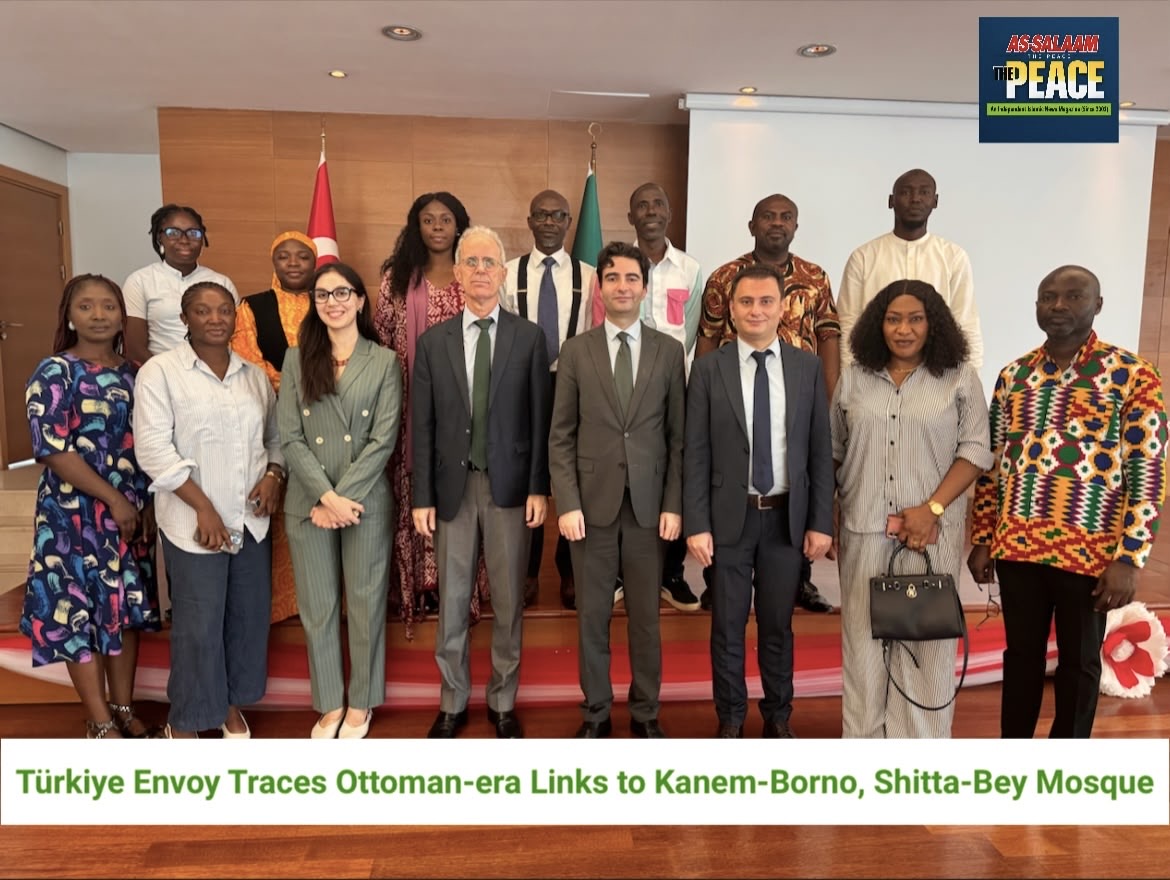
Türkiye Envoy Traces Ottoman-era Links to Kanem-Borno, Shitta-Bey Mosque
Ambassador Mehmet Poroy highlights historical connections between the Ottoman Empire and communities in present-day Nigeria as both countries mark 66 years of formal diplomatic relations.
By Abdullahi Yusuf
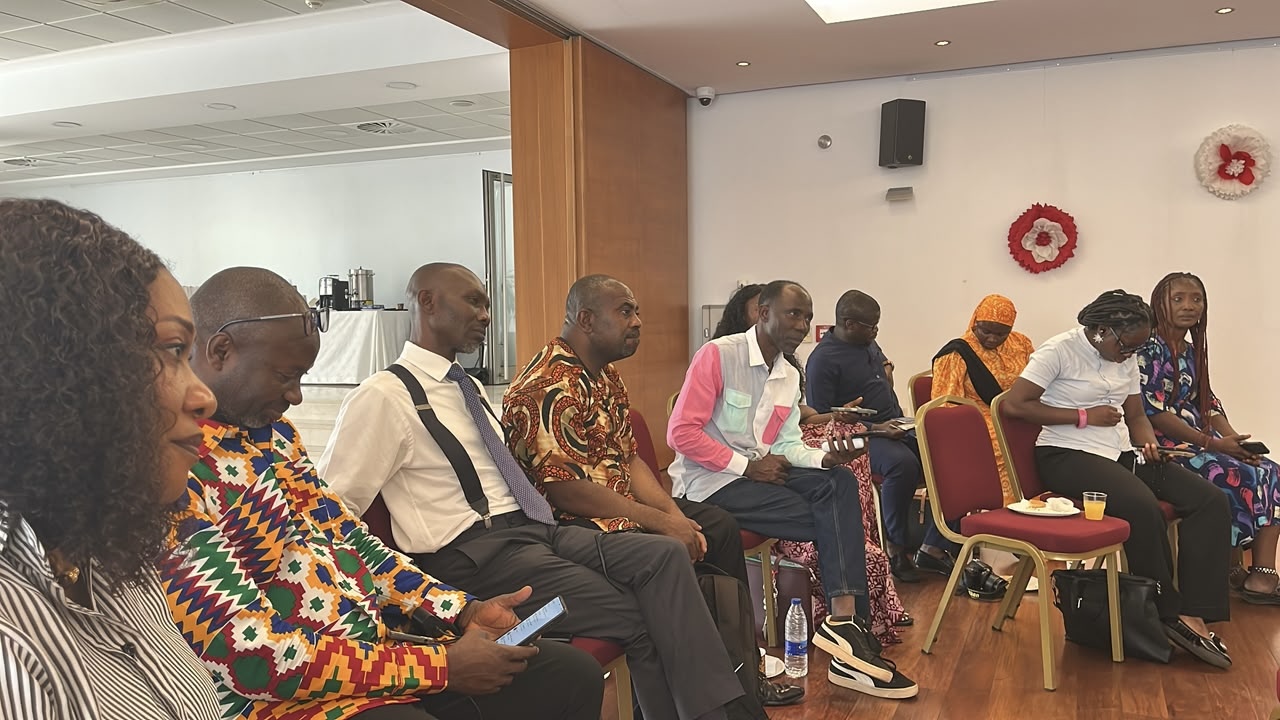
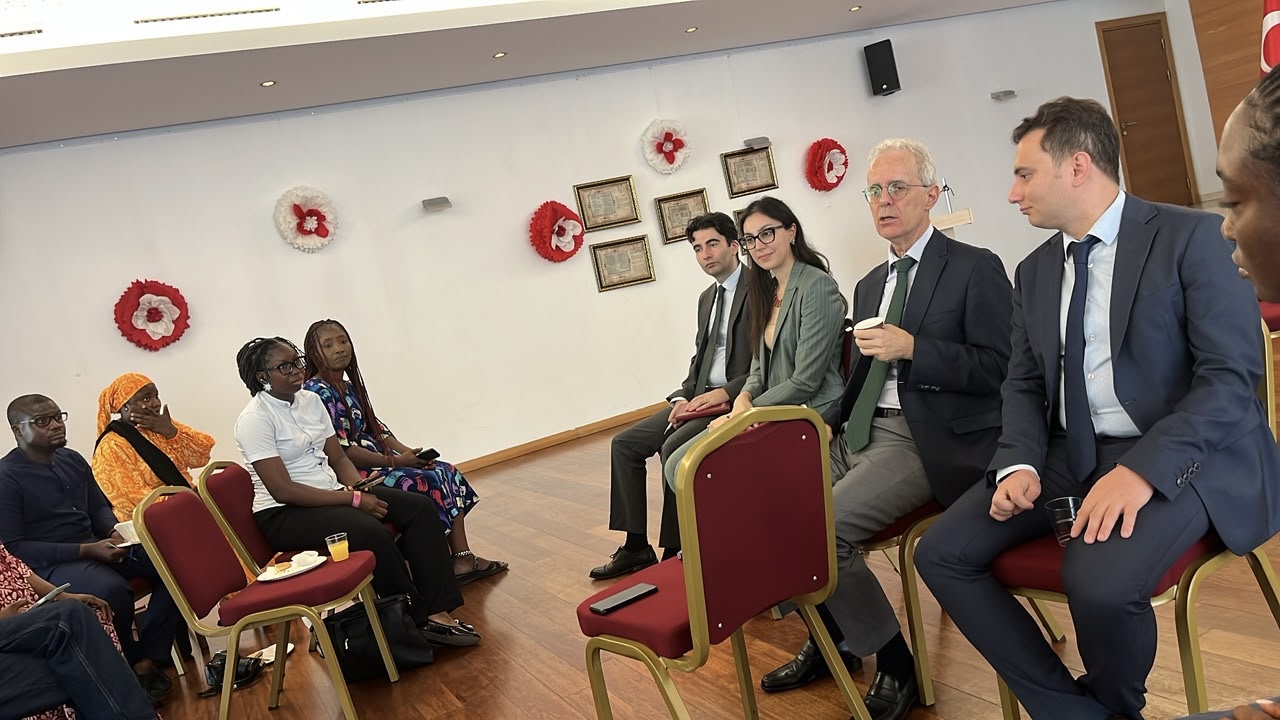
The historical connections between Türkiye and Nigeria extend beyond the establishment of formal diplomatic relations, reaching back to the Ottoman Empire’s contacts with the Kanem-Borno Sultanate and its links to the historic Shitta-Bey Mosque in Lagos, Turkish Ambassador Mehmet Poroy has said.
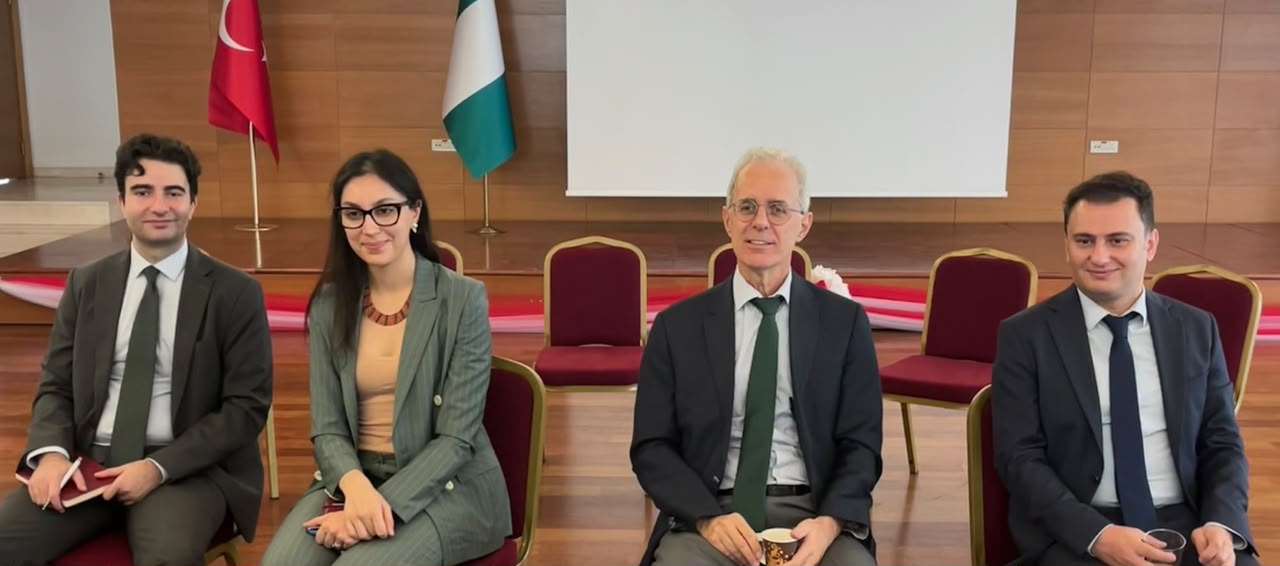
Poroy made the remarks during a press briefing in Abuja on Monday to mark 66 years since Türkiye and Nigeria elevated their diplomatic relations to ambassadorial level on November 9, 1960.
Pointing to historical Ottoman correspondence and decrees, the ambassador highlighted diplomatic contacts between the Ottoman Empire and the Kanem-Borno Sultanate dating to the 16th century.
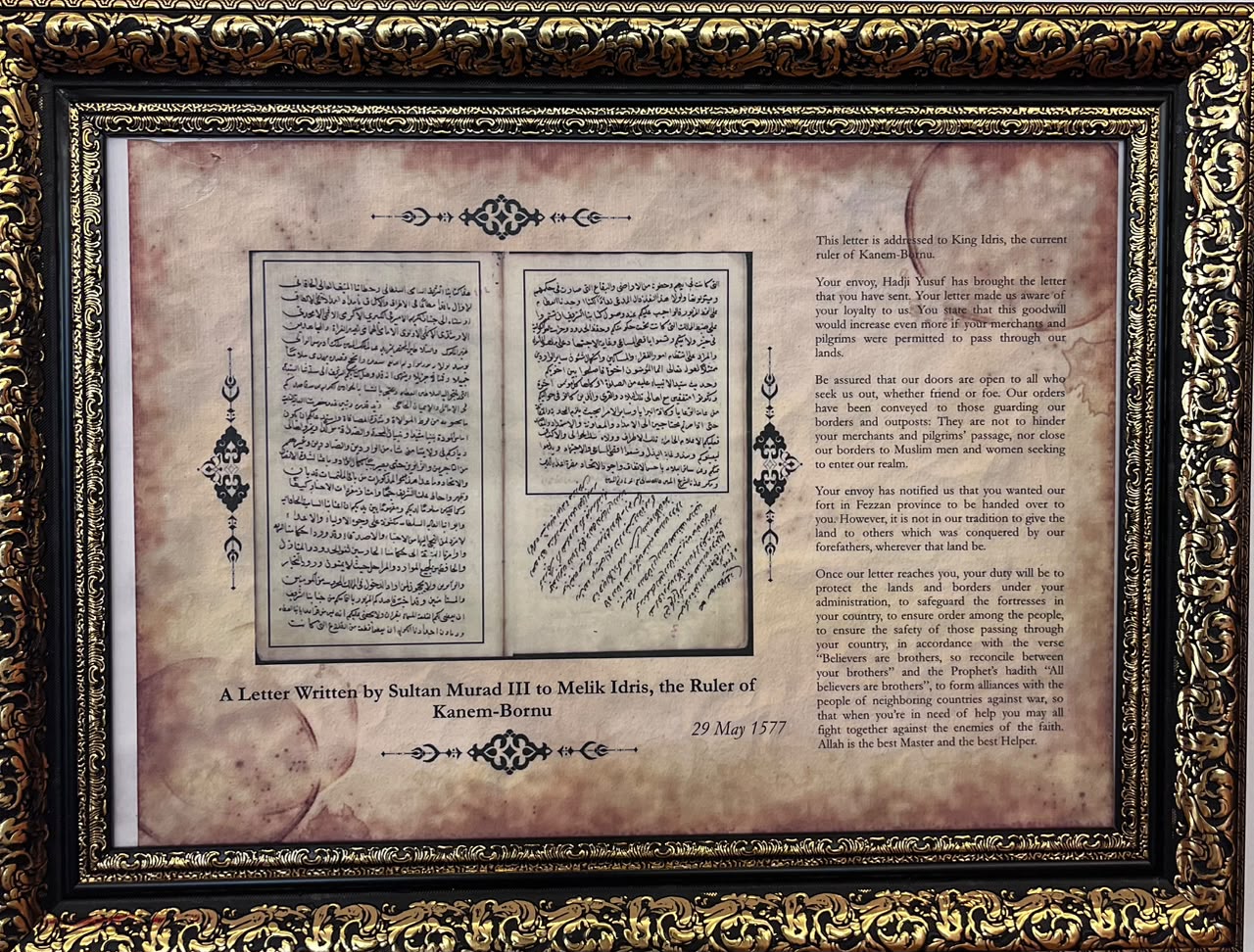
Documents displayed at the Turkish Embassy included a May 29, 1577 letter from Sultan Murad III to Malik Idris, the ruler of Kanem-Borno. The accompanying English translation acknowledges an envoy sent by the ruler and assures him that Ottoman authorities would facilitate the passage of merchants and pilgrims travelling through their territories.
Other displayed documents contain instructions issued to Ottoman provincial governors concerning the movement and protection of Kanem-Borno travellers. A decree dated May 23, 1574, addressed to the Governor of Tripoli, concerned the safe passage of an envoy returning to his homeland.
Another decree, dated August 24–September 3, 1579, addressed to the Governor of Egypt, directed officials not to obstruct people from Kanem-Borno travelling to and from the holy cities for Hajj or trade. A further document addressed to the Governor of Fezzan contained instructions against obstructing such travellers or imposing additional duties beyond established customs.
The documents point to historical connections involving diplomacy, commerce and the movement of Muslim pilgrims between Kanem-Borno and territories under Ottoman administration.
Poroy also cited the Shitta-Bey Mosque in Lagos as another significant symbol of the historical relationship, recalling the Ottoman Sultan’s involvement in its inauguration in 1894.
Built between 1891 and 1894 through the financial support of prominent Lagos merchant Mohammed Shitta, the mosque became an important landmark in the history of Islam in southwestern Nigeria.
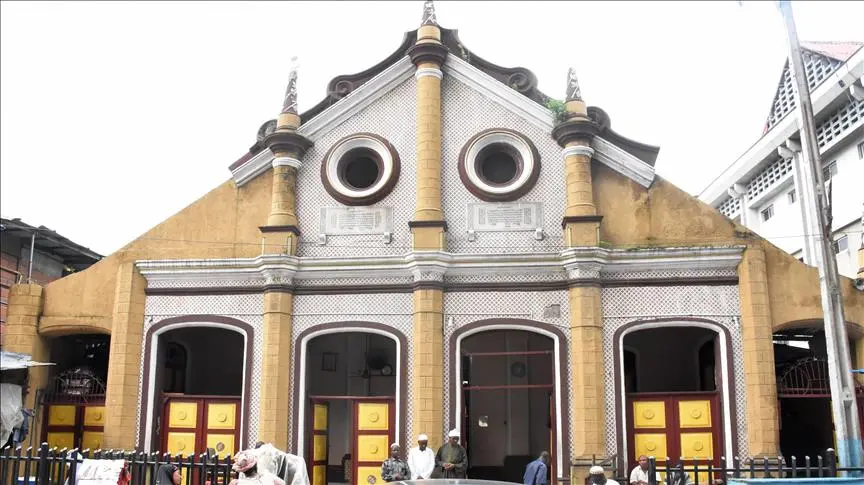
Its inauguration on July 4, 1894, attracted prominent religious leaders, merchants and colonial officials, alongside Abdullah Quilliam, who represented Ottoman Sultan Abdulhamid II at the ceremony.
Quilliam conveyed the Sultan’s recognition of Shitta, who received the title of Bey in acknowledgement of his contributions to the Muslim community. He was also awarded the Order of Medjidie, third class.
The mosque, renowned for its Afro-Brazilian architectural character, remains one of Lagos’s significant historic Islamic landmarks and a visible reminder of the transcontinental religious and cultural connections that shaped Muslim communities in West Africa.
Formal diplomatic relations
Türkiye established a Consulate General in Lagos in April 1959, before Nigeria gained independence from Britain, according to Poroy. The relationship was subsequently elevated to ambassadorial level on November 9, 1960.
The first Turkish ambassador arrived in Nigeria in 1962, when the embassy was formally inaugurated in Lagos on August 30. The mission later relocated to Abuja in 2001 following the transfer of Nigeria’s capital.
Poroy said the relationship had since developed across several areas, including trade, education, security, humanitarian assistance and cultural exchange, founded on mutual respect and cooperation.
Tinubu’s visit advances strategic partnership
The ambassador also highlighted President Bola Tinubu’s state visit to Türkiye in January 2026 as a significant development in the bilateral relationship, describing it as the beginning of a new chapter in cooperation between both countries.
During the visit, Tinubu and Turkish President Recep Tayyip Erdoğan witnessed the signing of nine agreements covering diaspora policy, media and communication, higher education, halal quality infrastructure, military cooperation, education, diplomatic training, family and social services, and the establishment of a Joint Economic and Trade Committee.
The agreements were designed to expand cooperation beyond traditional diplomatic engagement, creating opportunities for closer institutional collaboration in areas ranging from security and education to trade, media and social development.
Poroy identified the implementation of the agreements as a priority, indicating that translating the commitments into practical outcomes would be central to advancing the partnership.
The two countries have also reaffirmed their ambition to increase bilateral trade from approximately $2 billion to $5 billion, with both governments discussing measures to expand commercial exchanges and investment opportunities.
Humanitarian assistance reaches vulnerable communities
Beyond diplomatic and economic engagements, the ambassador highlighted the humanitarian activities of Turkish organisations in Nigeria, particularly their interventions among vulnerable communities and internally displaced persons.
He said Turkish non-governmental organisations, alongside the Türkiye Diyanet Foundation, spent approximately $5 million on humanitarian activities in Nigeria during the preceding year.
The interventions included food donations and the distribution of meat to vulnerable communities during Ramadan and Eid al-Adha, with programmes reaching beneficiaries in Abuja, Kano, Adamawa and Yobe states.
Poroy also disclosed that the Turkish Government had provided food assistance to 3,000 internally displaced families in Adamawa State.
He said Türkiye intended to sustain humanitarian cooperation with Nigerian authorities and continue supporting communities facing hardship.
Cultural diplomacy strengthens people-to-people relations
The ambassador also identified cultural exchange as an important component of the relationship, pointing to the activities of institutions such as the Yunus Emre Institute in Abuja and initiatives involving art, education and media cooperation.
He said Türkiye was interested in expanding cultural engagement with Nigeria, particularly through creative activities and opportunities for greater interaction between the two societies.
Poroy also highlighted the ongoing art exhibition, titled New Nature, featuring works by his wife, which opened on November 3 at the Ministry of Foreign Affairs Art Gallery in Abuja.
Educational cooperation has also remained part of the relationship, with Türkiye offering scholarships to Nigerian students since 1992. The two countries have continued to explore opportunities for academic exchange and institutional partnerships.
From the historical exchanges between Ottoman authorities and the Kanem-Borno Sultanate to contemporary diplomatic agreements, humanitarian interventions and educational initiatives, the relationship between Türkiye and Nigeria has evolved across centuries. As both countries mark 66 years of formal diplomatic relations, the challenge remains to translate their longstanding connections and recent commitments into lasting benefits for their peoples.
SPONSORED
SPONSORED

SPONSORED

SPONSORED
