
Al-Habibiyyah Turns to Digital Finance to Modernise Waqf
Islamic society signs Abuja MoU with FIUSS Labs to explore crowdfunding, donor management, training and technology-driven Islamic social finance
By Abdullahi Yusuf
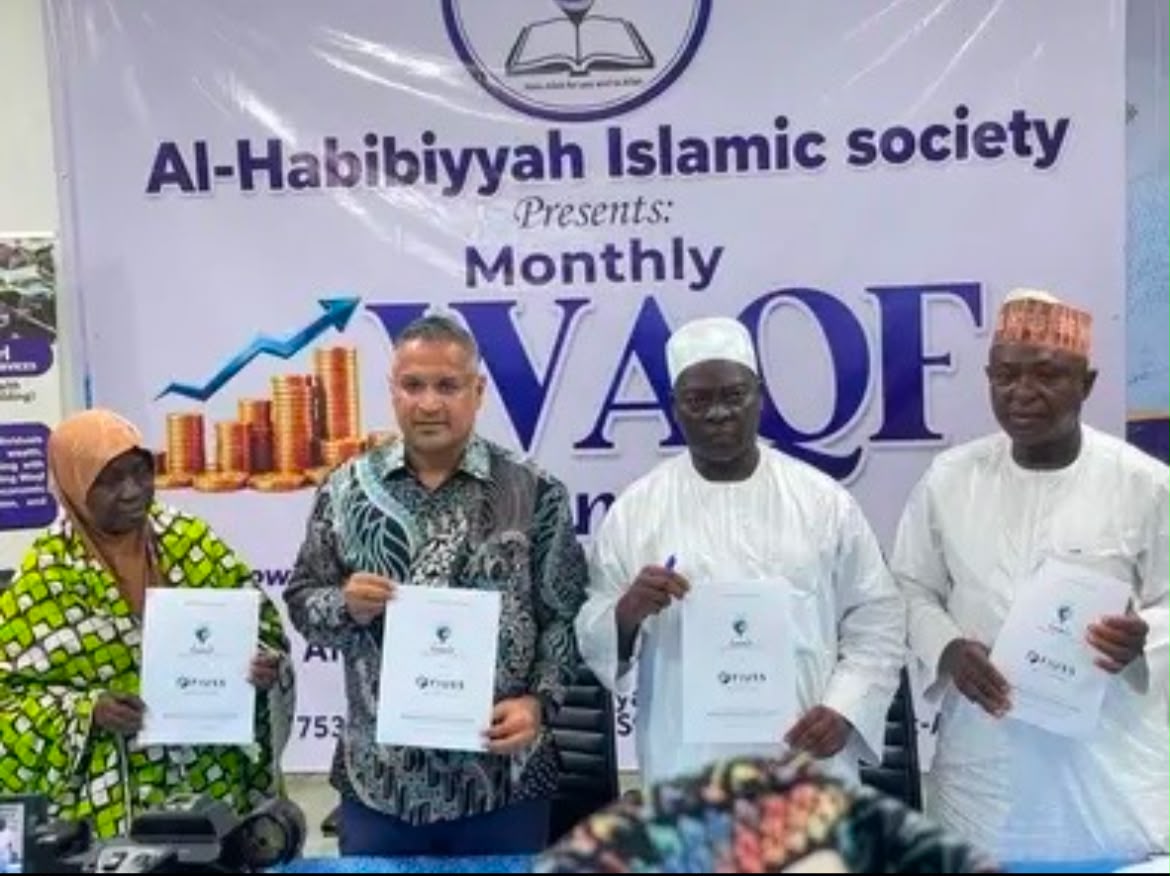
Al-Habibiyyah Islamic Society has signed a Memorandum of Understanding with Malaysia-based FIUSS Labs Sdn Bhd to explore the use of digital technology in Waqf and Zakat management and expand access to Islamic social finance.
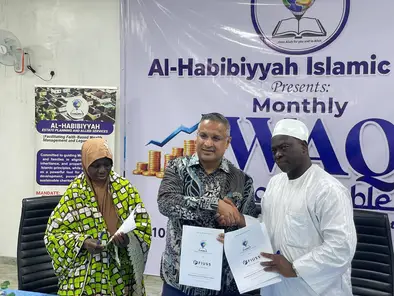
The agreement was signed in Abuja on Wednesday by the National Chief Imam of Al-Habibiyyah Islamic Society, Imam Fuad Adeyemi, on behalf of the society, and Hamid Rashid, Founder and Chief Executive Officer of FIUSS Labs.
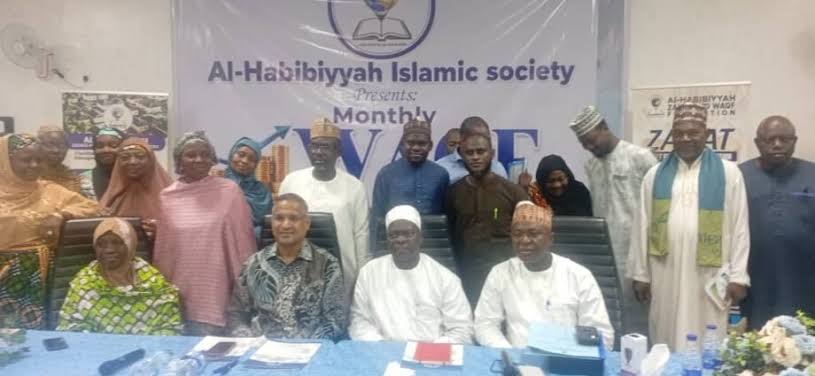
The partnership will provide a framework for both organisations to identify practical areas of cooperation within the first 90 days, including awareness creation, knowledge sharing and the application of emerging technologies to Islamic finance, Waqf and Zakat.
Rashid said the initial phase would include virtual knowledge-sharing sessions involving experts from Malaysia, with the possibility of formal training programmes leading to professional certification.
He said FIUSS Labs’ relationships with institutions such as the Institute of Islamic Banking and Finance in Malaysia and other professional bodies could provide opportunities for specialised training and professional development for members of the society.
Rashid identified crowdfunding, donor management, investor management and customer relationship management as some of the digital systems that could be explored to strengthen Al-Habibiyyah’s activities.
He also pointed to social media and digital marketing as tools that could help the society widen its communication, fundraising and engagement, both within Nigeria and internationally.
According to him, appropriate technology could help Al-Habibiyyah reach wider audiences while improving the way it manages donors, investors and community projects.
FIUSS Labs, which is based in Kuala Lumpur, operates at the intersection of distributed ledger technology, real-world asset tokenisation and Shariah-compliant finance, with a particular interest in Islamic social finance and Waqf assets.
Rashid said the company could also help identify projects suitable for direct investment or fundraising through its networks in Southeast Asia and the Gulf Cooperation Council countries.
Any project considered under the partnership, he said, would be subjected to professional due diligence and financial modelling to determine its sustainability.
For Al-Habibiyyah, the partnership offers a potential answer to one of the persistent challenges facing Islamic social-development projects: access to sustainable funding.
Imam Adeyemi expressed satisfaction with the agreement, saying the society was interested in seeing how crowdfunding and investor-matching mechanisms could help address funding gaps affecting some of its projects.
He cited a gari-related enterprise that the society hopes to expand internationally but which has been constrained by inadequate funding, as well as agricultural activities requiring additional financing to help young farmers expand their operations.

He said training would be particularly important in ensuring that members understand modern Islamic financial and technological practices and operate from a common knowledge base.
The Chief Imam also said the partnership could expose members to international conferences, seminars and professional engagements, while stressing that such opportunities should be accessible to interested and hardworking members rather than a select group.
Sheikh Fuad expressed optimism that the partnership would produce visible results within the initial 90-day period.
He said he intended to begin applying some of the lessons immediately, including using his Friday sermon to raise awareness about transparent fundraising and demonstrate how digital platforms could be used to mobilise resources for community development.
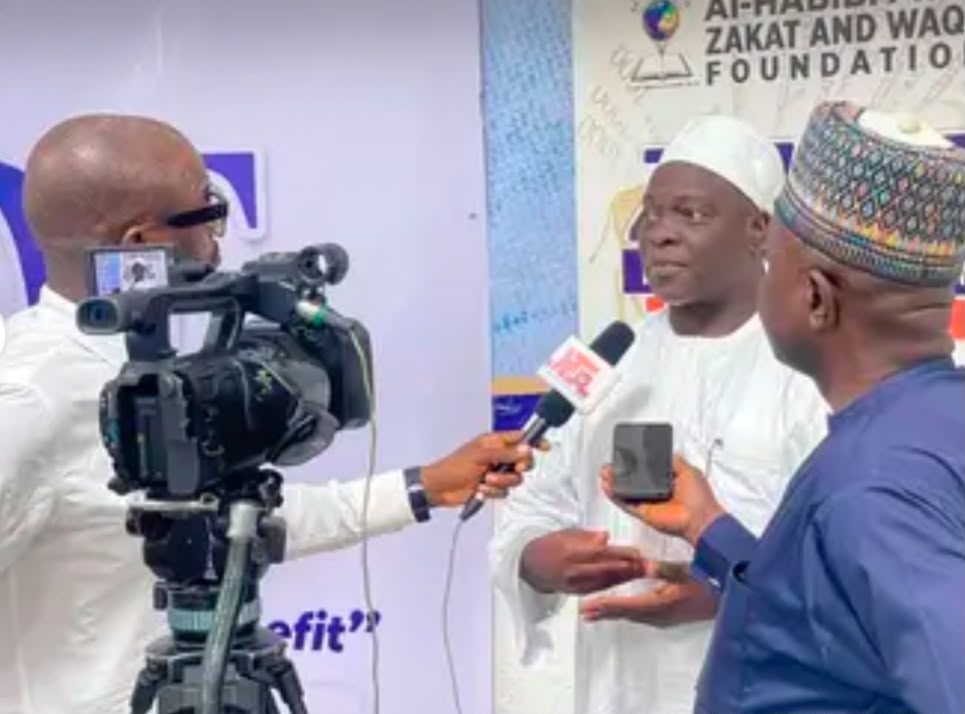
He said the society hoped to develop a digital fundraising system through which contributors could monitor funds raised, how the money was spent and the projects being implemented in accordance with Waqf principles.
The partnership now gives Al-Habibiyyah a framework to test how digital tools can be applied to fundraising, donor management, investment and Waqf administration, with the first 90 days expected to determine the practical areas of cooperation.
SPONSORED

SPONSORED

SONSORED
