
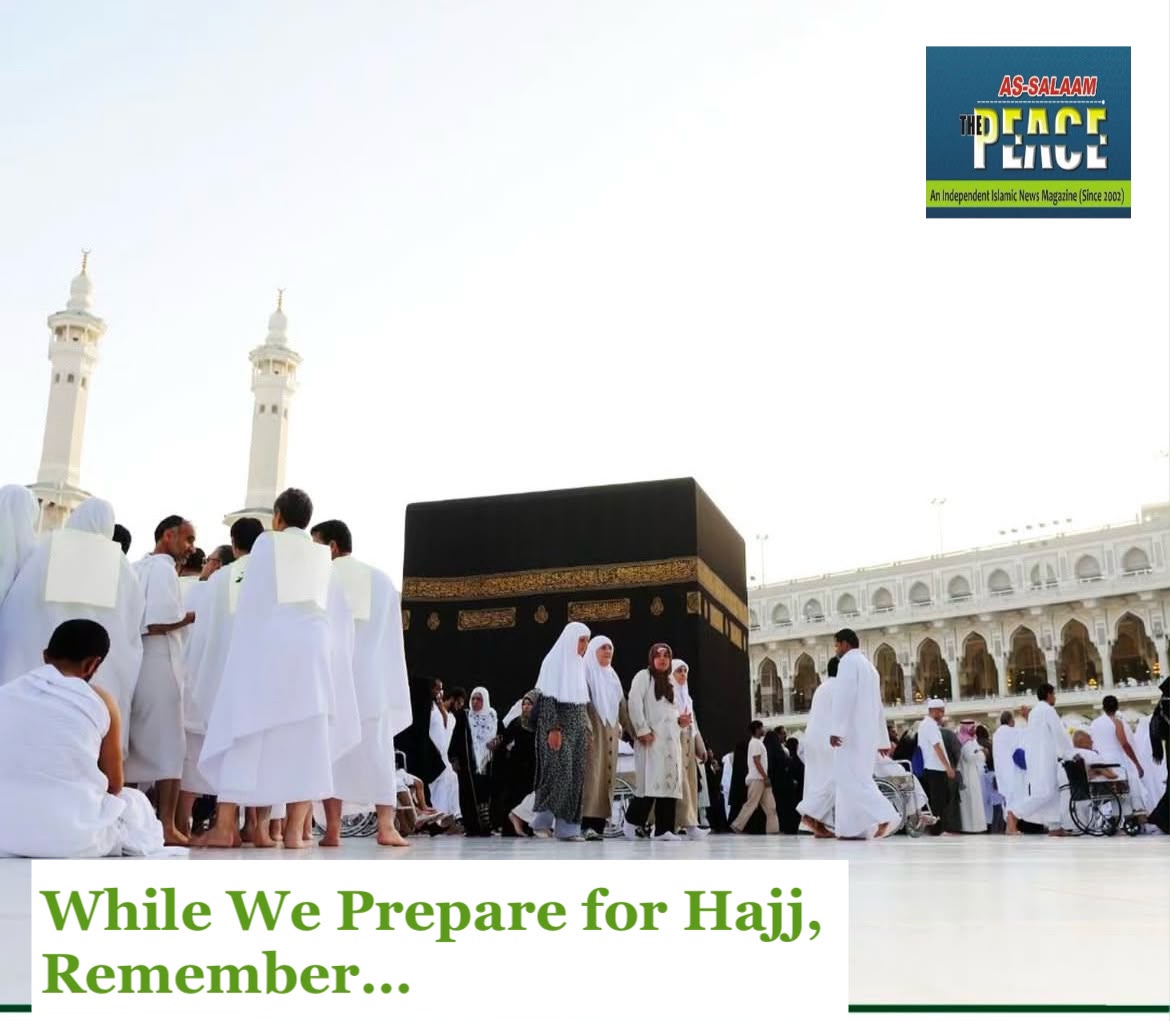
While We Prepare for Hajj, Remember
The Guest Must Respect the Home of His Host
By Fatima Sanda Usara
We debut this column today in the exalted name of the Almighty, praying that He guides us to provide our readers in general, and the Nigerian pilgrim in particular, with beneficial knowledge. These are the pilgrims who are visiting His House in fulfilment of the fifth pillar of Islam in reverence, awe, and a firm hope of attaining Hajj Mabrur; a Hajj whose reward is nothing but jannah. We pray that the words we write here will serve as a light of guidance for the intending pilgrim sacrificing his time, energy, and resources for no other reason than seeking Allah’s pleasure.
This column is intended to be a source of pilgrims’ education and enlightenment for those travelling for Hajj soon or at any time in the future. It is also for those who know someone who would need the information but cannot access it. We encourage anyone who comes across this message to share it with those who may not. It may be your uncle, neighbour, gateman, or colleague who is traveling for Hajj and needs information on Nigeria’s Hajj guidelines, new Saudi policies on Hajj and Umrah, or general rulings on Hajj manasik (the rites of Hajj) etc.
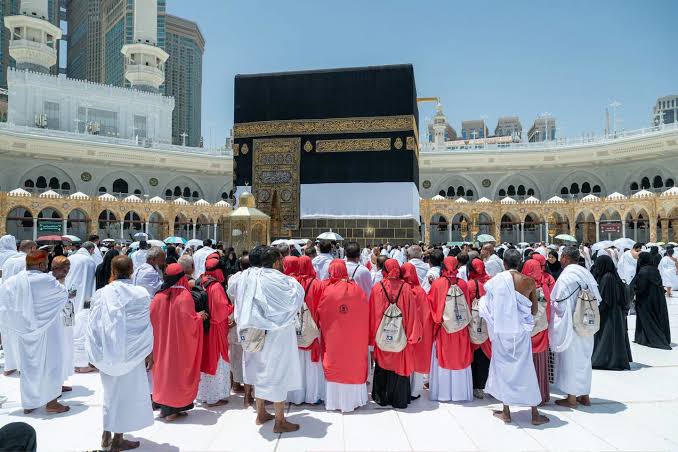
Hajj every year comes with sets of new guidelines alongside older ones. These policy reviews often follow a need for improvements based on previous experience. Therefore, it becomes imperative to be abreast of all the guidelines and not enough to say “I have been there before”. Even Hajj managers encounter new issues that they have to digest and adjust to. Such is the nature of Hajj administration; it is as dynamic as it is pragmatic.
To start with, let us have a quick reminder on safeguarding the sanctity of the city that hosts us as pilgrims. As we prepare for the journey of Hajj, it is important to remember that Saudi Arabia, apart from its spiritual significance as the land that hosts the House of Allah and other holy sites, the Kingdom is a country like any another, home to millions of people who have no other country to call their home.
Saudi Arabia of course has an obligation to host the guest of the Almighty, but also the role of protecting its land. Yes, the Exalted Lord of the worlds, has chosen the land out of all the countries of the world to play that role, because He alone chooses whom to exalt and when; ours is to follow His will and wisdom. Hence, we obey.
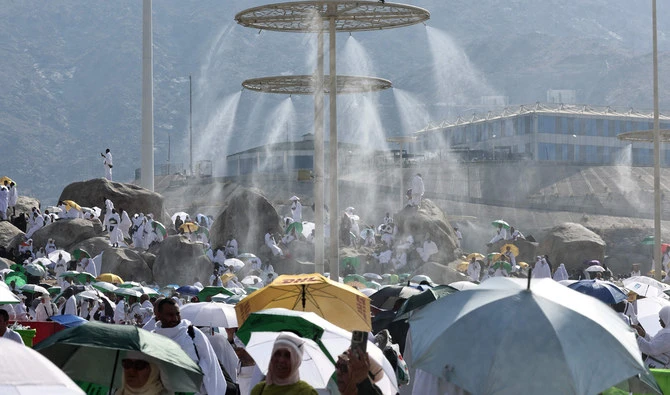
Yet in our obedience, we get carried away by the euphoria that we are in the holy land and forget that Saudi Arabia is a sovereign country with laws of its own that we must obey when there. As guests, it is our responsibility to respect the home of our hosts, to uphold the dignity of our own country as its ambassadors, and to sanctify the places of worship for which reason we are in the Kingdom.
Pilgrims from over 70 nations converge in this sacred land for Hajj with numbers reaching two million and above. The Kingdom makes laws to ensure safety, comfort, and accessibility of places of worship for each of these pilgrims. Coupled with that is the enormous task of protecting its land and citizens. If we cannot support Saudi Arabia in discharging its responsibility as custodians of Allah’s guests, let us not make the task unpleasant for them. Remember, obedience to authority is part of worship.
Therefore, as visitors, we must know our boundaries and remain within them. Let us as guests in another man’s country and guests of Ar Rahman remain accommodative of cultural differences. Let us respect Saudi authorities assigned to maintain law and order and let us abide by policies designed to guarantee the well-being of all pilgrims present. Violating any of the policies can endanger not only the violator but other pilgrims as well.
Take for instance one such regulation that pilgrims often violate; the prohibition against sitting or reclining in prayer spaces, pavements, or designated tracks in and around the Haram. This regulation is for the safety of pilgrims particularly for crowd control, for enforcement of heat control measures, for maintaining environmental sanitation, and for ensuring free movement of people and vehicles.
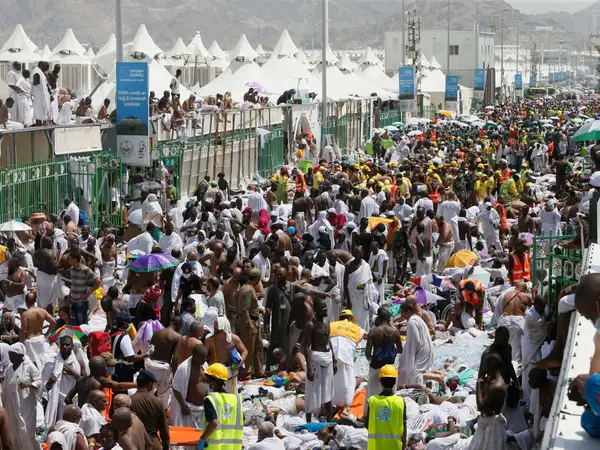
Unfortunately, many pilgrims, among them Nigerians, are often found loitering around the Haram area. At times, welfare packages are distributed in the vicinity which attracts many nationalities to linger around.
However, while there is nothing wrong with collecting the welfare packages meant to support pilgrims, not proceeding to one’s accommodation afterwards is wrong. Sitting down on the road to devour the package is also wrong. Still sitting on the road to wait for prayers is another wrong. Dumping the empty container after doing justice to the meal or leaving the leftover on the road is a bigger wrong. Returning to your rooms to eat and wait for the next prayer with dignity is the solution.
Sitting on the roads is not only unsafe for the doer, but it is unhygienic and disrespectful of the movement and rights of other pilgrims. Many times, despite the availability of trash cans barely 50 meters apart, pilgrims leave their empty packs on the ground. We forget that cleanliness is part of faith.
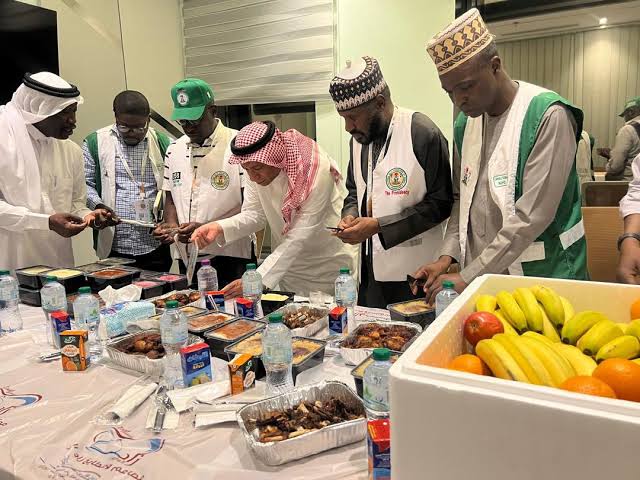
Unknown to many, what may appear to be minor violations can come with prices, especially in Masha’ir where pilgrims violate the order of the Jamrat timing. The violations do not go unnoticed; they can come with a cost. Fines may be deducted from pilgrims’ deposits which ordinarily would have been refunded if the violations had not been committed. It is immaterial who committed the violations; it affects all Nigerian pilgrims.
So be your brother’s keeper and advise any intending pilgrim you know, to learn the rules and keep to them. Being a good pilgrim is not only about performing the rites correctly. It is also about respecting the place, respecting the rules, and making the space safer for those around you.
Usara is Head of Pilgrims Education and Orientation, NAHCON
SPONSORED

SPONSORED

SONSORED
