
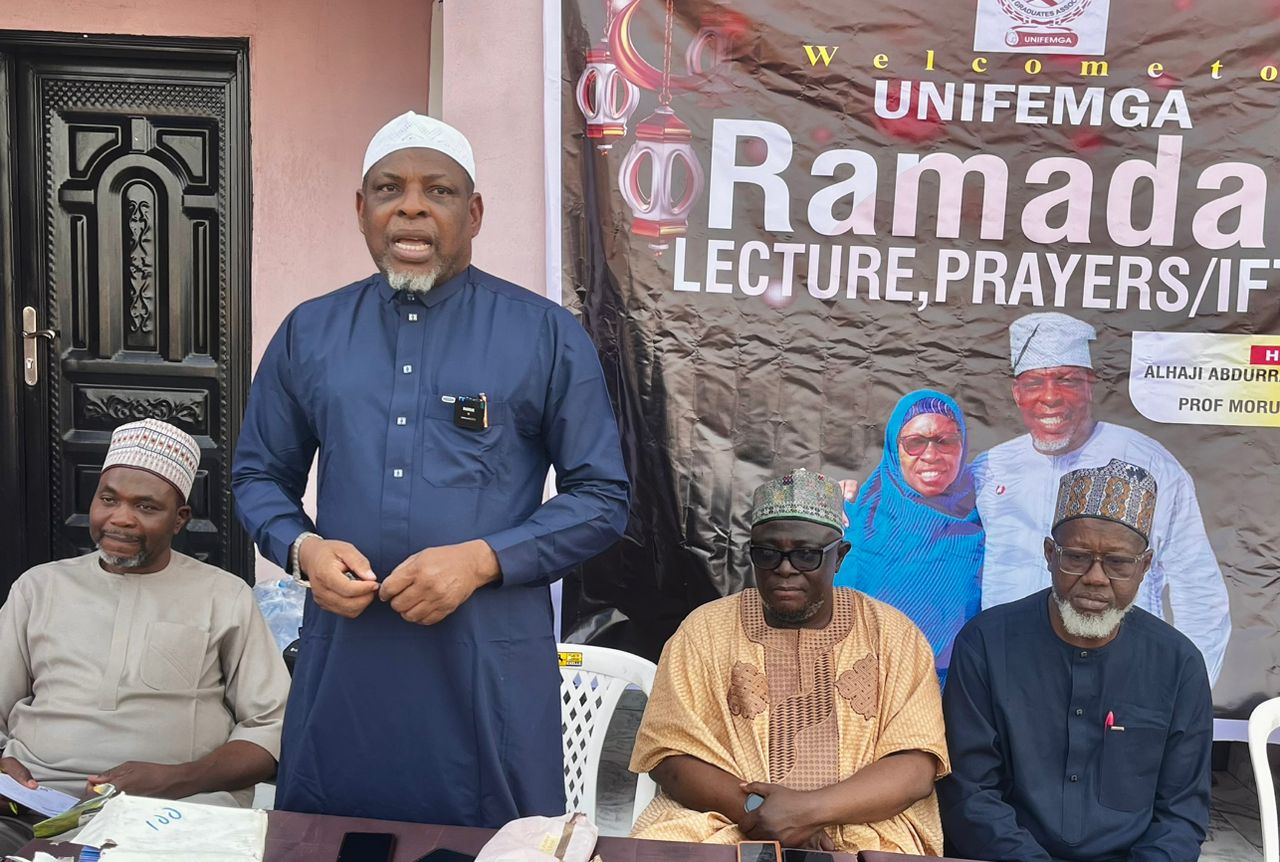
UNIFEMGA Abuja hosts Ramadan lecture on Muslim conduct
“Islam’s values are clear, but Muslims must live them,” Sheikh Abu Mazidatul tells audience at UNIFEMGA Abuja Iftar lecture
By Abdullahi Yusuf
Muslims in Nigeria have been urged to examine how closely their conduct reflects the teachings of Islam, during a Ramadan lecture held in Abuja that brought together scholars, professionals and families.
The event was organised by the Abuja chapter of the Obafemi Awolowo University Muslim Graduates’ Association (UNIFEMGA) as part of its annual Ramadan gathering, which included prayers, reflections and the breaking of the fast.
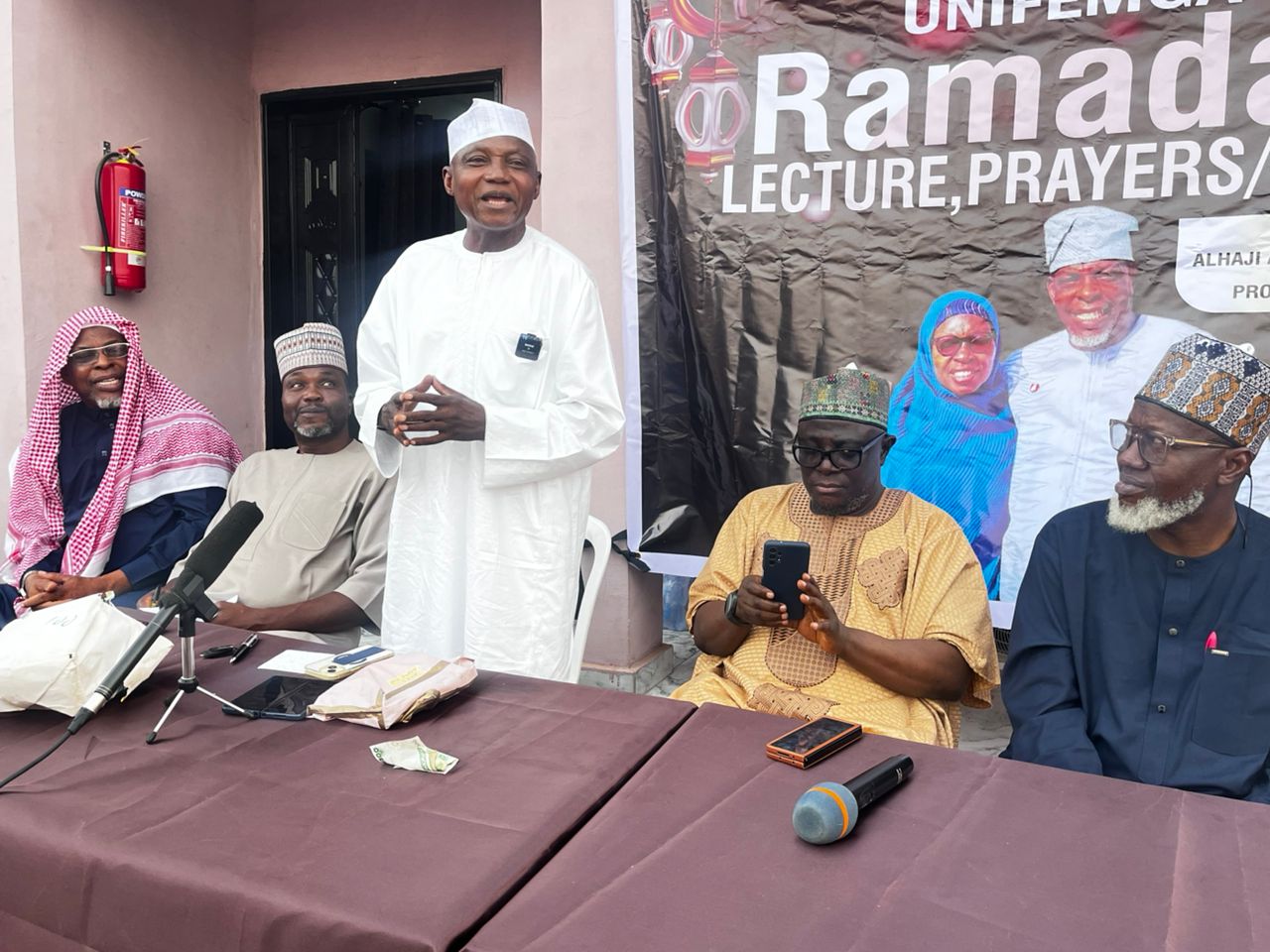
The lecture, titled “This Is Islam: Where Are the Muslims?”, was delivered by Sheikh Abu Mazidatul Khaer Bn Saeed, managing director of De Minaret International.
Dignitaries present at the event said the theme was intended to encourage Muslims to reflect on the gap that can sometimes exist between the ideals of Islam and the behaviour of its followers.
Opening the gathering, Mallam Garba Shehu said Ramadan offers an opportunity for believers to reassess their actions and strengthen their commitment to faith.
He told participants that the theme of the lecture addressed a concern widely discussed in Muslim communities, the perception that Islamic principles such as honesty, discipline and compassion are not always reflected in the conduct of some Muslims.
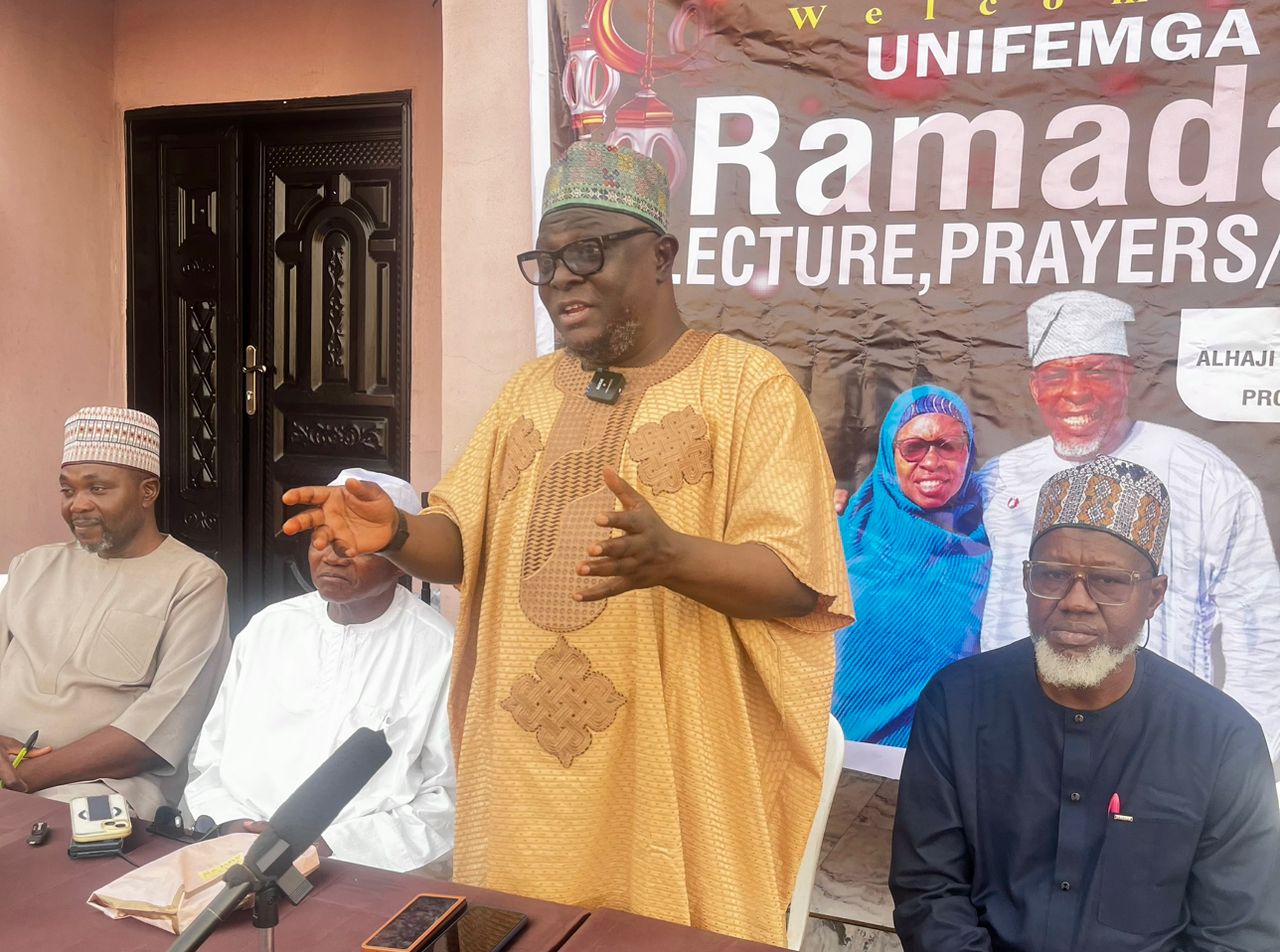
The event was hosted by Islamic advocate Alhaji Abdur-Rahman Balogun (ARAB), the Head, Media and Public Relations Unit, NIDCOM Abuja. who welcomed guests and explained that the Abuja lecture builds on a tradition he had previously organised in Ibadan.
Balogun thanked members of UNIFEMGA around the world for their support and described the association as a platform connecting Muslim graduates of the former University of Ife, now the Obafemi Awolowo University.
He also paid tribute to the late architect Mufadir Bakare, whom he described as a close friend who had attended earlier gatherings.
In his lecture, Sheikh Abu Mazidatul Khaer Bn Saeed said the behaviour of Muslims often shapes how the religion itself is perceived.
He argued that while Islam promotes compassion, fairness and responsibility, these values are not always reflected in public life.
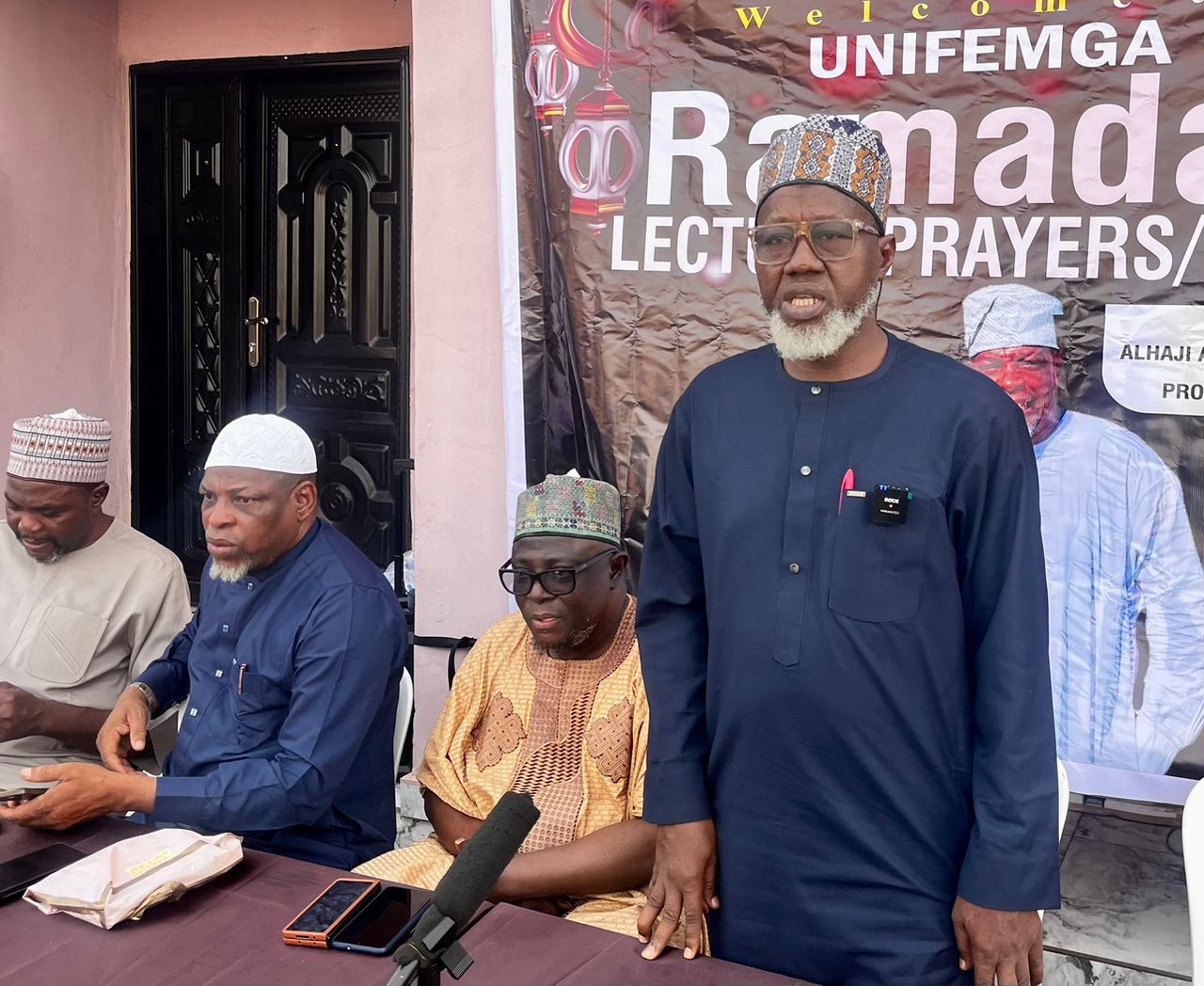
According to him, many people form their understanding of Islam not through its scriptures but through the actions of Muslims. He said this had contributed to misconceptions about the religion in different parts of the world.
The cleric emphasised that Islam teaches patience and compassion, citing an account from the life of the Prophet Muhammad to illustrate the point.
He told the audience about an incident in which a Bedouin man urinated inside a mosque in Medina. Some of the Prophet’s companions reacted angrily, but the Prophet instructed them to allow the man to finish before explaining respectfully that mosques are places of worship.
The story, he said, demonstrates the importance of patience and kindness when correcting others.
“That is the Islam we should represent,” he said.

The speaker also addressed what he described as widespread misunderstandings about the concept of jihad.
He said the term has often been interpreted narrowly or inaccurately in public debates, while its original meaning relates broadly to striving in the path of God, including self-discipline and the defence of a community.
Misuse of the concept by political actors or extremist groups, he added, has contributed to confusion about its meaning.
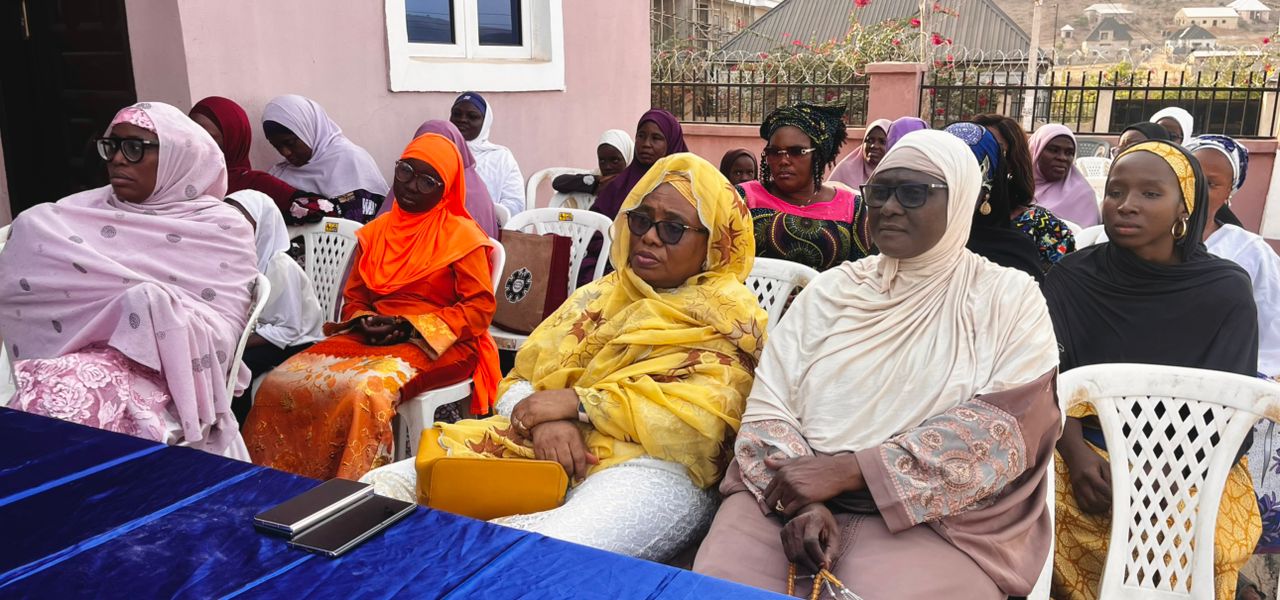
Another key theme of the lecture was the obligation to support those in need. The cleric told participants that Islam encourages believers to prioritise the welfare of neighbours and the wider community.
He recounted a story about the early Islamic scholar Abdullah ibn Mubarak, who is said to have redirected money intended for pilgrimage to help a poor widow and her children.
The example, he said, illustrates how compassion and social responsibility are central to Islamic teachings.

During a question-and-answer session, participants asked how Muslims should maintain their faith and integrity in societies where they may feel under pressure to compromise their beliefs.
The cleric responded by referring to the example of the Prophet Ibrahim, who remained committed to monotheism despite living among people who worshipped idols.
“A Muslim must remain upright even if he stands alone,” he said.
The gathering concluded with prayers led by Imam Dr. Nurain Taiwo Hassan Dindi, Esq., who offered supplications for the acceptance of Ramadan fasting and for greater compassion and justice within Muslim communities.


Special prayers were also offered for the host, Alhaji Abdur-Rahman Balogun, whose birthday coincided with the event.
Among those present at the event was Justice Ajoke Adepoju of the Federal Capital Territory High Court, alongside professionals and many other members of the Muslim community.
SPONSORED

SPONSORED

SONSORED
