
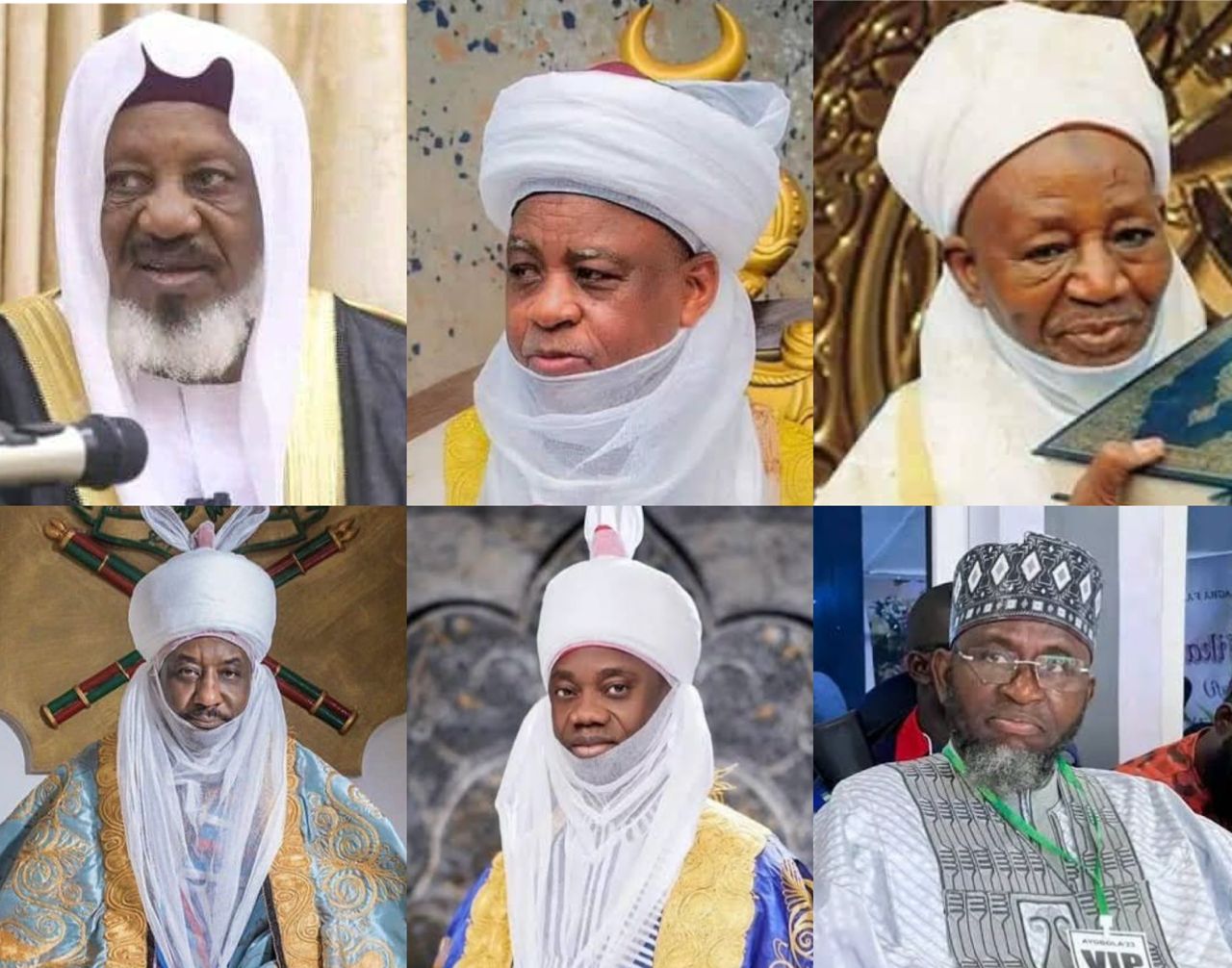
Top 10 Influential Sheikhs in Nigeria
Across Nigeria’s North, South, East, West, and Middle Belt, Sheikhs wield enduring spiritual, social, and cultural influence
By Abdullahi Yusuf
Nigeria’s Muslim community has long been shaped by the guidance, scholarship, and leadership of prominent Islamic clerics, known locally as Sheikhs. Beyond wealth, these figures wield influence through spiritual authority, socio-political engagement, education, and philanthropy. From traditional rulers who combine religious and political leadership to scholars who inspire millions through teaching and social activism, their legacies and ongoing work continue to define the landscape of Nigerian Islam.
Historically, Sheikhs have served as mediators, educators, and moral guides, helping communities navigate both religious obligations and contemporary societal challenges. Many operate within longstanding Sufi orders, like Tijaniyyah and Qadiriyyah, while others head Islamic movements or educational institutions, shaping the discourse on faith, governance, and civic responsibility.
Here are ten of some influential Sheikhs in Nigeria today:
1. Sultan of Sokoto
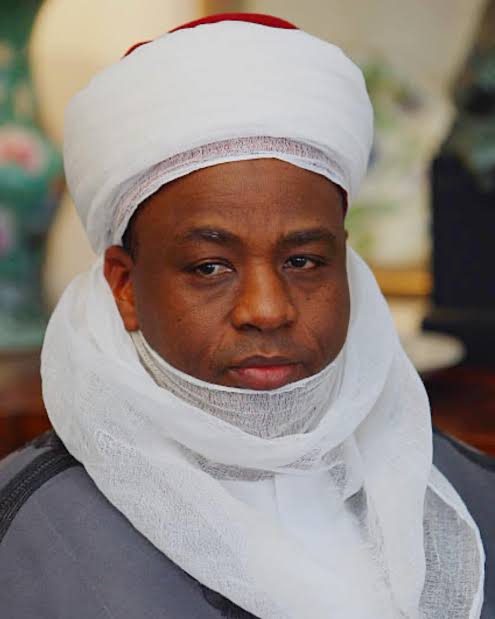
Sultan Muhammadu Sa’ad Abubakar IV is the richest Sheikh in Nigeria today. He is also one of the richest kings in Nigeria and a first-class traditional ruler. He is highly respected in the northern part of the country.
The Sultan of Sokoto is also considered the spiritual leader of all the Muslims residing in Nigeria today. He has lots of assets, and investments and has occupied various revered positions in the country.
As of present, the Sultan of Sokoto is the chairman of the Nigerian Council of Traditional Rulers and the head of the Nigerian National Supreme Council for Islamic Affairs (NSCIA).
Before he ascended the throne as the 20th Sultan of Sokoto Caliphate, he served in the military as a Brigadier-general. It was after the demise of Sultan Maccido in 2006 that he was chosen to take over the throne of his forefathers. Today, the Sultan of Sokoto is the richest Islamic cleric in Nigeria.
2. Lamido Sanusi Lamido, Emir of Kano
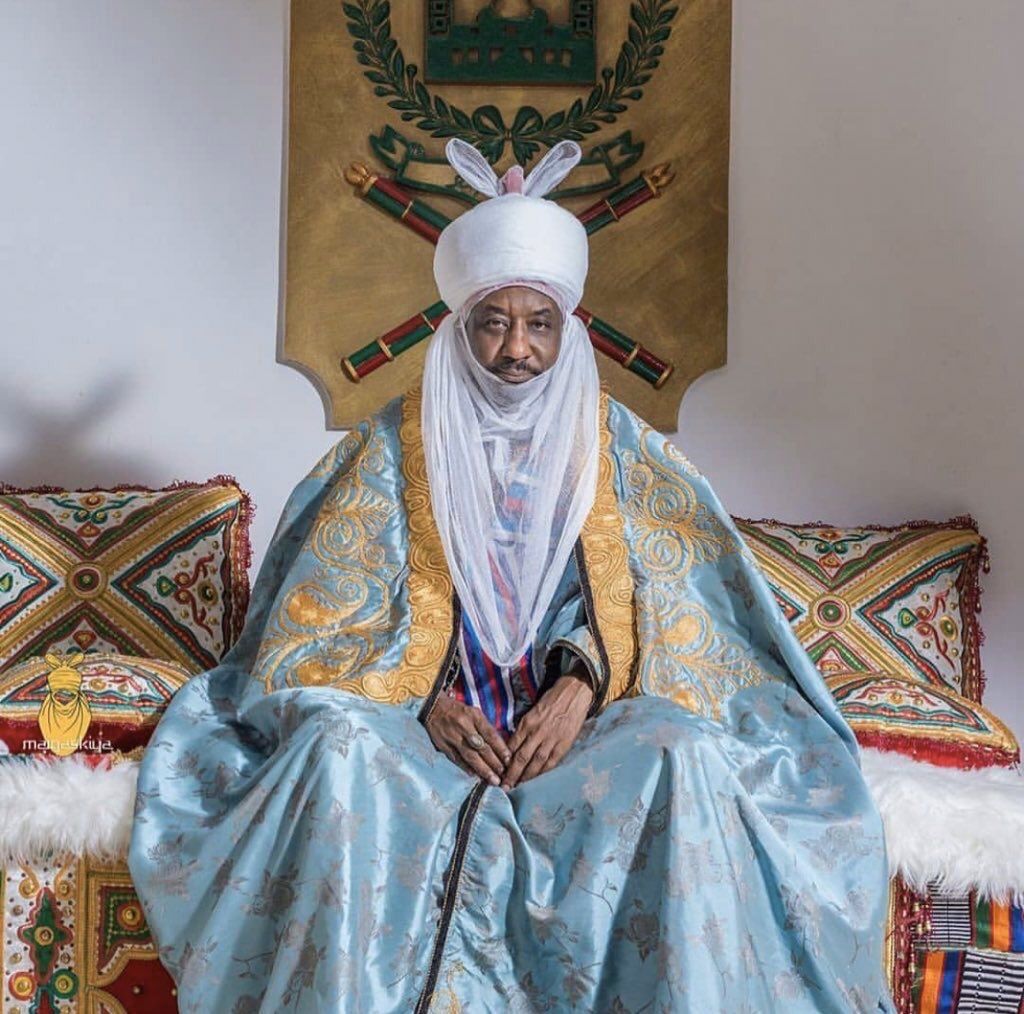
Lamido Sanusi Lamido, the reinstated Emir of Kano, is both a religious and political figure whose influence extends across Nigeria and West Africa. As the spiritual leader of the Tijaniyyah Sufi order in Nigeria and neighboring countries, he commands a following of millions. His prior experience as governor of the Central Bank of Nigeria further enhanced his prominence, particularly in promoting Islamic finance. Time magazine recognized him in 2011 among the 100 most influential people globally, citing his outspoken advocacy on socio-economic and religious matters.
3. Sheikh Ibraheem Yaqoub Zakzaky

Sheikh Ibraheem Yaqoub Zakzaky is a Nigerian cleric who was born in May 1953 in Zaria, Kaduna State. Sheikh Zakzaky’s parents were Islamic scholars with a specialization in Qur’anic exegesis – they earned their just means of livelihood through farming.
While he was learning the Qur’an under his father, Zakzaky also attended another Qur’anic school in his neighborhood. He, alongside his brother, also accompanied his father to the farm to give a helping hand.
After memorizing the Holy Qur’an at 14, he was allowed to start learning other books on religious issues under the tutelage of different scholars. From 1969 to 1975, Ibraheem Zakzaky studied at the Zaria Provincial School, where he studied Arabic literature, and later the School of Arabic Studies (SAS) in Kano.
In 1976, he joined the famous Ahmadu Bello University in Zaria, where he obtained a degree in Economics in 1979 – but his certificate was withheld because of his Islamic activism.
During the period of his stay at the institution, he was appointed the Secretary-General of the Muslim Students’ Society (MSS), an umbrella body of all Nigerian Muslim students. He later became the Vice Chairman of the group that was overseeing its international affairs.
Today, Sheikh Zakzaky is the leader of the Islamic Movement in Nigeria and has a followership base of more than 20 million supporters. He became more popular in 2014 and 2015 when the Nigerian military attacked him and his followers.
Until his arrest in December 2015, he held weekly classes on Qur’anic exegesis and Nahjul Balagha at the Husainiyyah Baqiyatullah which was demolished during the attack. He is married to Zeenatudeen Ibraheem and has 9 children, 6 of whom are deceased.
4. Sheikh Nasir Muhammad Umar Kabara
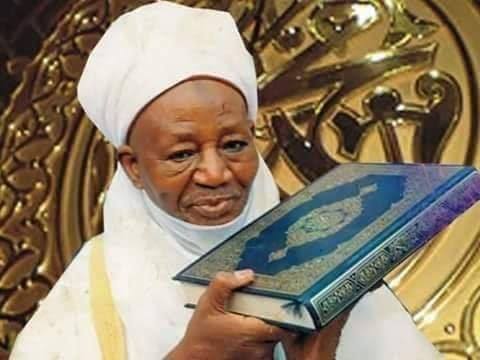
Sheikh Kabara is an astute Islamic scholar and philosopher who was born in April 1915 in Guringuwa village, outside Kano, Nigeria. It is believed that Kabara’s grandparents came from Timbuktu, Mali.
The versed teacher learned law, theology, literature, logic, and grammar from his father and a host of other subjects like astrology from Mahmud Kabara among other learned personalities.
The erudite scholar is also a prolific writer as he had written over 150 treaties and books explaining various aspects of Islamic philosophy in the Arabic and Hausa languages over thousands of poems.
In 1987, during the Maulud celebration of Abd Al-Qadir Jilani, Sheikh Sayf Al-Din of Baghdad proclaimed him as the leader of the Qadiriyyah Sufi Order, for the whole of Africa. He died on 4th October 1996 in Kano, Nigeria.
5. Sheikh Ibrahim Ibn Saleh al-Hussaini
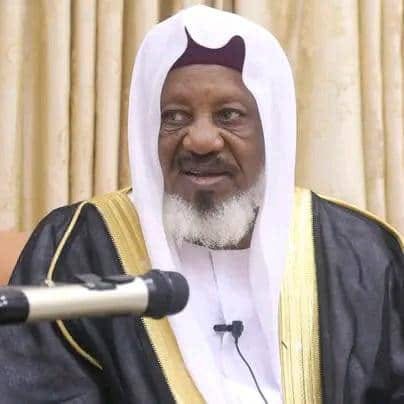
Also known as Sheikh Sharif Saleh, Al-Husaini was born on the 12th of May, 1938, and is a Nigerian scholar and a prominent Tijjani Sufi group order cleric. Saleh had studied under well-known scholars in many countries.
He has also delivered lectures in the fields of Qur’anic exegesis, hadith, Islamic sciences, jurisprudence, and ethics. He has written more than 600 books and pamphlets, as well as more than 200 conferences in the Arabic language in areas that range from Qur’anic sciences, prophetic traditions, history, and philosophy.
He is a member of many reputable Muslim bodies including the Islamic Renaissance Organization, the Association of Muslim Scholars in Africa (Morocco), the Assembly of Muslims in Nigeria (AMIN), and the Muslim Council of Elders. He is also the founder of the Sheikh Sharif Ibrahim Saleh Islamic Center (SHISIC).
His main areas of academic interest are astronomy, Arabic literature, linguistics, the science of Sufism, Islamic polity, Islamic law of personal status and inheritance, and the peaceful co-existence between nation-states.
6. Sheikh Farouk Onikijipa
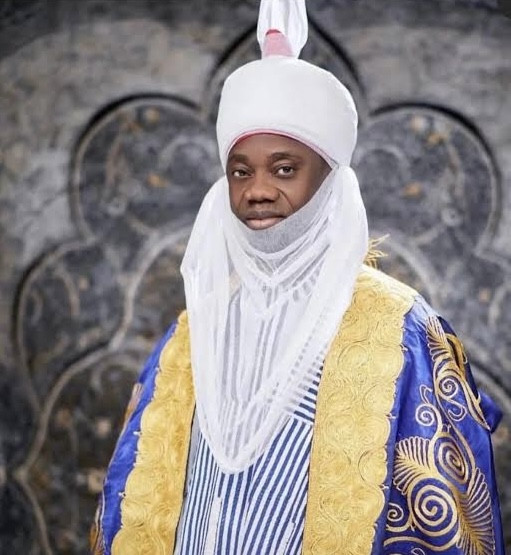
He is one of the popular Muslim scholars or Sheikhs fondly called “Allimisikilai”. He runs a popular Morikaz at Isheri, Lagos State, and his Tafsir is always aired on AIT.
Sulaimon Faruq Onikijipa, is a great orator, who preaches with humility, facts, and intellectual depth. Sheik Sulaimon Onikijipa’s Tafsir starts every first day of Ramadan and ends on the last day of Ramadan.
He was born on 25th February 1962 by Alhaja Aminat Faruq, the daughter of Fadilat Sheikh Sa’adullahi (the Imam of ancient Okekere Mosque in Oke-Male, Ilorin) to Sheikh Umar Faruq, the son of Sheik Abdullah Onikijipa and Grandson of Sheikh Muh’d Qasim Onikijipa a son of Sheikh Muh’d Na-Allah of blessed memories).
Sheik Muh’d Na-Allah migrated from the Kano and stayed in various places before he finally settled in Ilorin in the early 19th century. Sheikh Sulaimon started his search for knowledge under the tutelage of his father. He was taught recitation of the Holy Quran.
Soon after he proceeded to another Islamic foundation (informal) to further fortify his basic learning under the supervision of a renowned scholar, Sheikh Zakariyah Ataragba, of the famous Agbaji quarters.
In 1979, he sought the permission and blessings of his teacher and spiritual head to further his Islamic education as he had mastered the basic discipline (tarbiyah) in the Quran.
He proceeded to Darul-ulum Arabic and Islamic School, Ilorin, Kwara State. A forefront and formidable Islamic Institution. Between 1979 and 1983, Sheikh Farouk took up, among others, Islamic legal studies (fiqh), Islamic phonology (Surfu & Nahu), and a host of others. Thus in 1983, Sheikh had his first certificate in Arabic and Islamic education from Darul-ulum Arabic and Islamic School, Ilorin.
7. Sheikh Imran AbdulMajeed Eleha
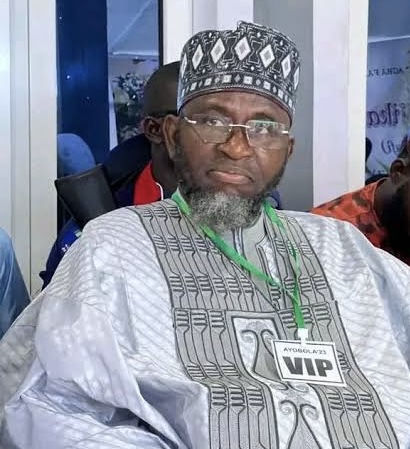
Sheikh Imran AbdulMajeed Eleha, the founder of Darul-Islam is also one of the popular Muslim Sheikhs in Nigeria, whose Tafsir is thronged by people in Lagos.
His Mosque at Isheri, Igando area is always filled to the brim with many Muslims. Though he is tagged “Ali-Sunah” (Those who strictly comply with Prophet Muhammad’s doctrine) and is perceived to be strict, there is no gain in saying that he speaks the truth from his heart.
Sheikh Mojeed Eleha runs Darul-Islam Schools and Foundation in Isheri Olowora, Lagos. He founded Daaru Nalm College, which was founded on the 25th of Septemeber, 2011, and his Tafsir is always aired on TVC every day during Ramadan.
8. Sheikh Abdul Wahab Zubair Al-gamouwi
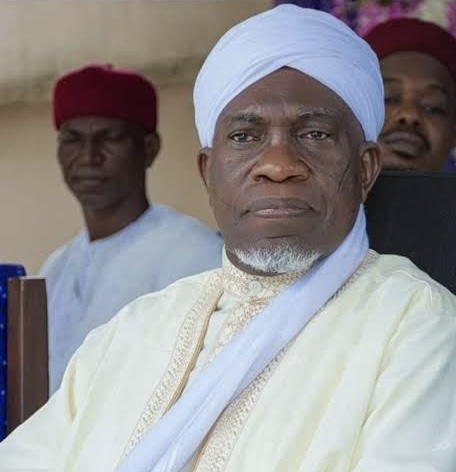
Sheik Abdul Wahab Zubair Al-gamouwi is the founder of SOFWAT at Ajegunle Bus Stop, along Agege Motor Road. He acquired his Islamic knowledge under the tutelage of the late Adam Al-Ilory and was running the Morkaz with him for many years.
He runs one of the biggest Modrazat in his Locality and he holds his tafsir every day of Ramadan at Sofwat. He hails from Gamo, a town very close to Ilorin in Kwara State.
9. Sheikh Adam Abdullah Al-Ilory (1917-1992)

Sheikh Adam Abdullah Al-Ilory (1917-1992) was a Nigerian Islamic scholar born into the family of Abdul Baqi Al-Ilory in Ilorin, who was the son of Abdullah.
He was a Maliki scholar and the author of several books in the Arabic language, as well as a Sufi ascetic in the Qadiriyya Order. Some of his notable works include:
Naseem Soba (Morning Breeze),
Markaz Talimil Arabiy Wal Islamiy Center for Arabic and Islamic Teaching), Ali Heedu Al’Arbahuna min Taasisil-Markaz (Markaz 40th Anniversary, 1985), Aslu Kobaail-Yoruba (The Origin of Yoruba Tribes), El Islam.
Sheikh Adam founded the Arabic and Islamic Training Centre in Agege, a suburb of Lagos, Nigeria, in 1952, which provided a printing press and clinic for students.
He is ranked among the richest Sheikhs, due to his legacy and works left behind, after his passing.
10. Sheikh Shehu Usman Dan Fodio (born 15 December 1754, Gobir) – died 20 April 1817, Sokoto).
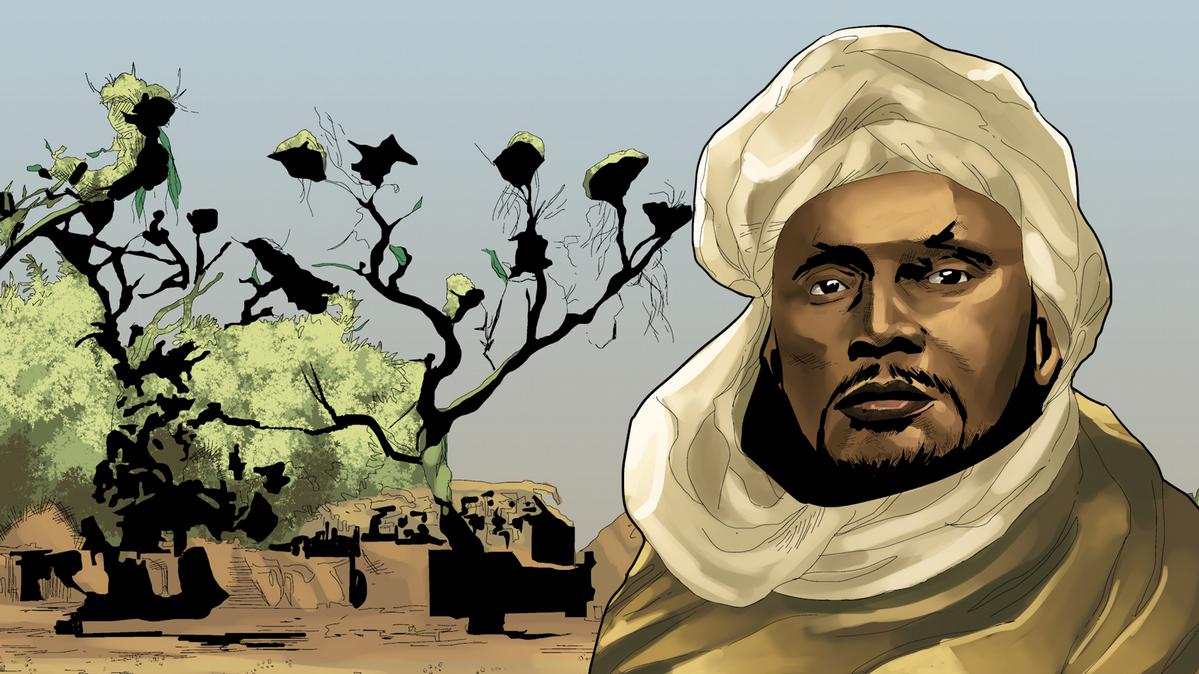
Shehu Usman dan Fodio (1754-1817) was a Fulani scholar, Islamic reformer, and the founder of the Sokoto Caliphate in what is now northern Nigeria. He was born in the Hausa state of Gobir and became a prominent religious teacher and philosopher.
Usman dan Fodio led a successful jihad between 1804 and 1808, establishing the Sokoto Caliphate and ruling as its first caliph. He was known for his advocacy of literacy and scholarship, and several of his daughters emerged as scholars and writers. His writings and sayings continue to be influential, and he is often affectionately referred to as Shehu in Nigeria.
His influence and legacy is enough to make him one of the richest Sheikhs in Nigeria even after his death. He has attained legendary status, he is still talked about like his era was yesterday.
Editorial Note: This list highlights Sheikhs whose impact is measured not merely by wealth, but by their enduring influence on religious life and societal development in Nigeria. Their leadership reflects a blend of spiritual authority and practical engagement with the challenges facing Nigerian Muslims in the modern era.
SPONSORED

SPONSORED

Good Efforts. We hope the editorial contents shall be improved upon on daily basis .
Abdulfattah Abdussalam
The writer has not enough information about his writings.
He used different picture of the personality he mentioned…
No 5,7 are examples
Thank you so much for your candid feedback. We will surely review it and correct appropriately. We therefore request your contribution on this subject. Jazaakumullah Khayran sir.