
Nigeria to Overhaul Hajj Administration Ahead of 2027 Pilgrimage – NAHCON
Commission unveils digital reforms, stricter accountability measures and early planning framework after reviewing 2026 Hajj operations
By Abdullahi Yusuf
Nigeria’s National Hajj Commission (NAHCON) on Wednesday unveiled a wide-ranging reform agenda aimed at overhauling the country’s Hajj administration, with plans to accelerate digital transformation, strengthen accountability, improve service delivery and begin preparations for the 2027 pilgrimage immediately following the conclusion of this year’s Hajj.
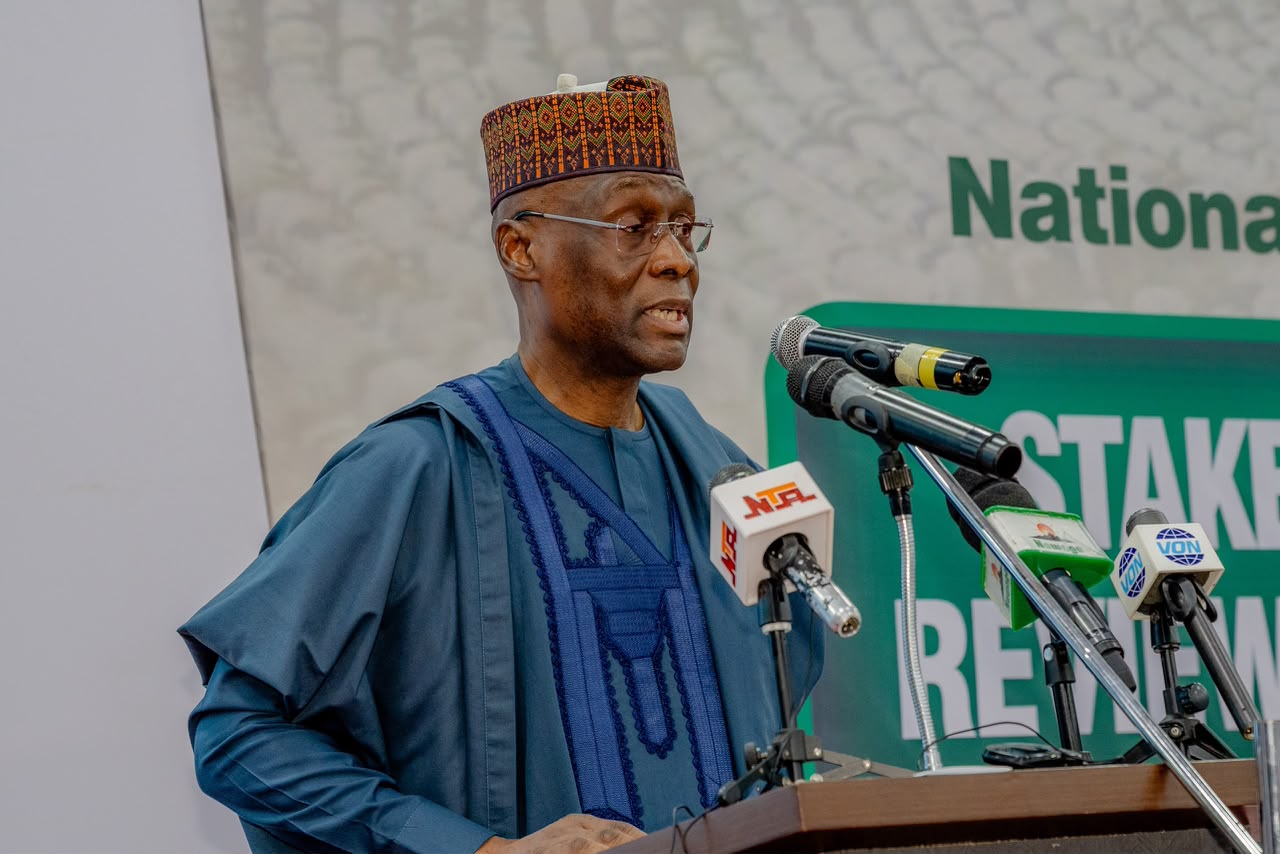
The reforms were announced by the Chairman and Chief Executive Officer of NAHCON, Ambassador Ismail Abba Yusuf, at the opening of the Stakeholders’ Summit on the Post-2026 Hajj Review and the NAHCON Reform Agenda, held at the NAF Conference Centre in Abuja.
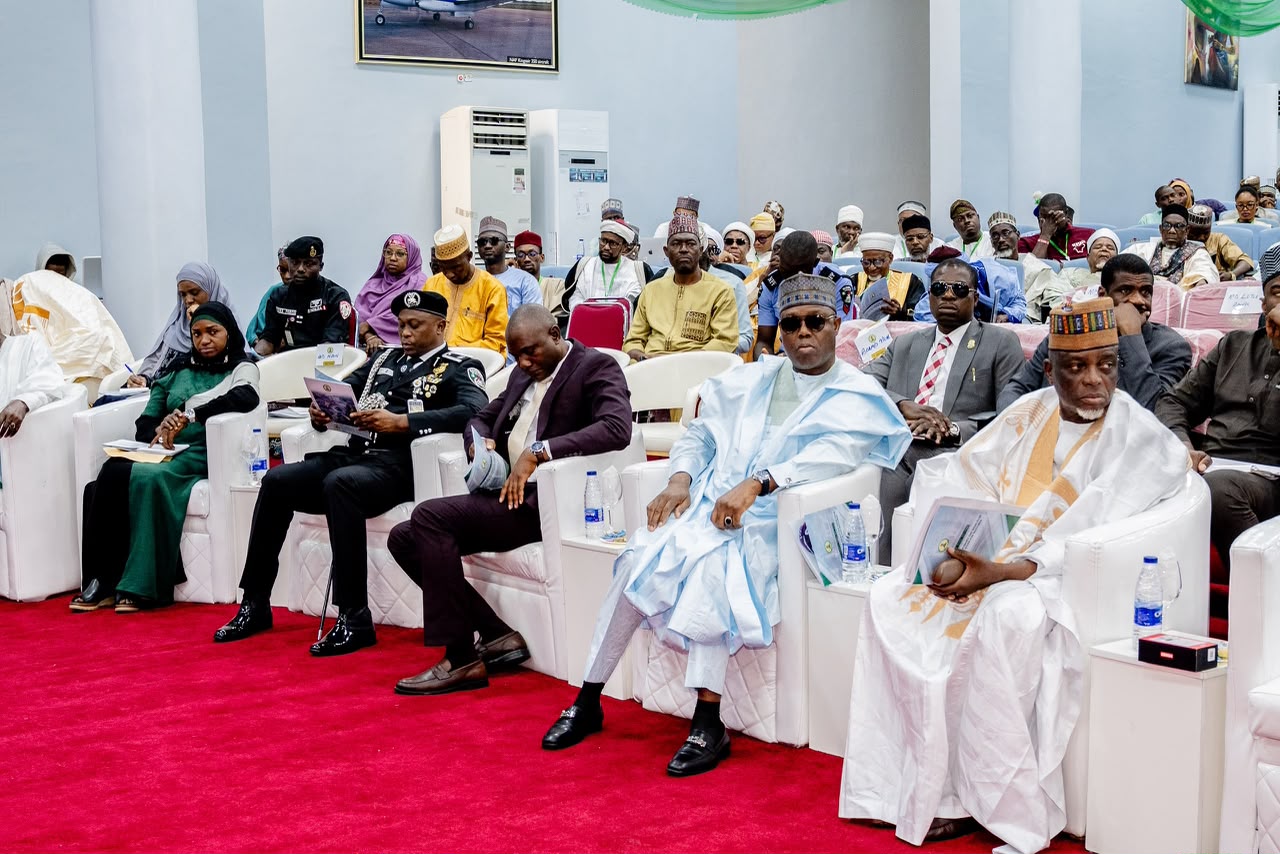
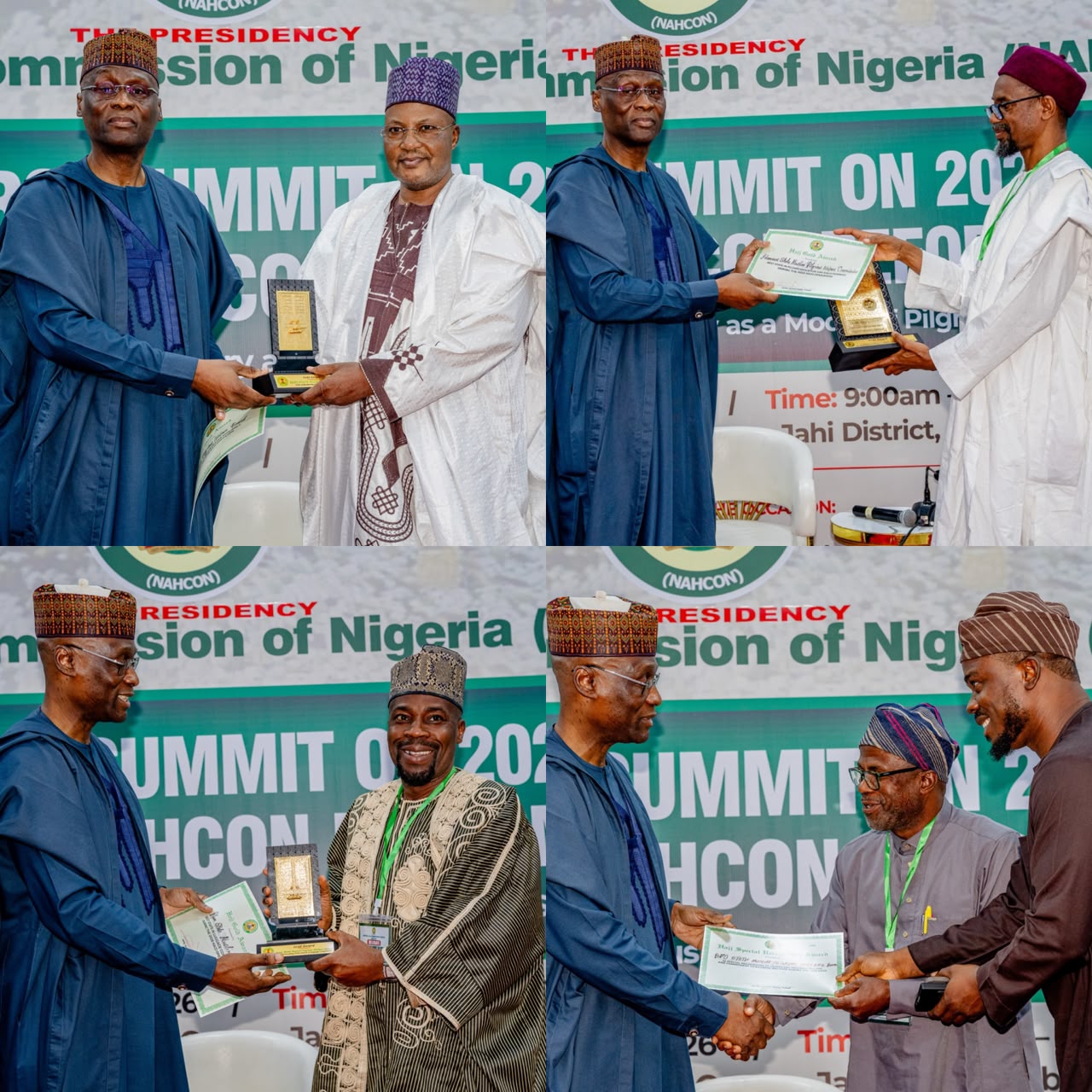
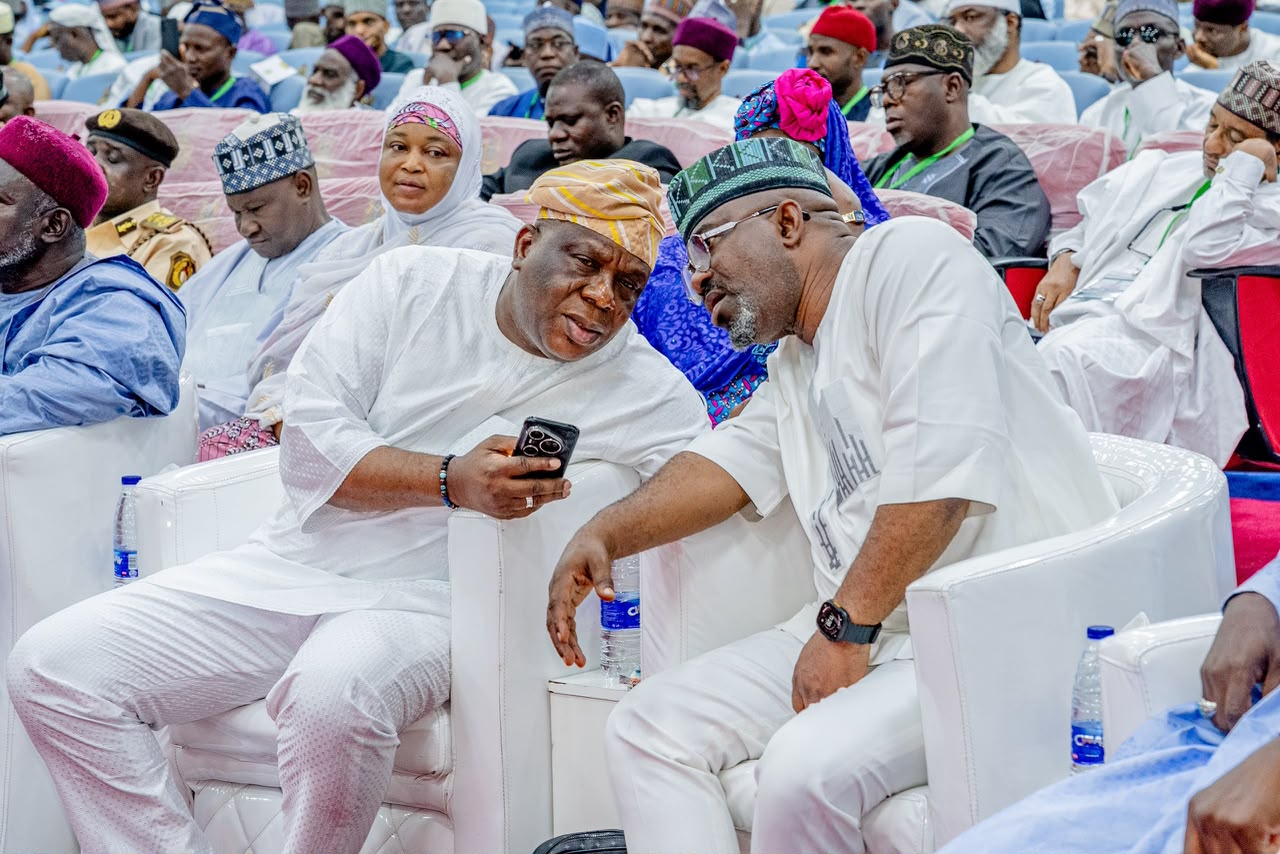
The summit brought together Vice President Kashim Shettima, who declared the meeting open, the Sultan of Sokoto and President-General of the Nigerian Supreme Council for Islamic Affairs, Alhaji Muhammad Sa’ad Abubakar, senior government officials, lawmakers, representatives of the Kingdom of Saudi Arabia, state Muslim pilgrims’ welfare boards, licensed private tour operators and other stakeholders in Nigeria’s Hajj industry.
Addressing participants, Ambassador Yusuf said the summit was convened not simply to evaluate the 2026 pilgrimage but to undertake a comprehensive review of Nigeria’s Hajj operations and lay the foundation for reforms that would improve future pilgrimages.
“We have gathered the entire Hajj family under one roof, regulators, State Boards, private tour operators, airlines, medical teams, our legislative partners and our esteemed Saudi friends, for the purpose of introspection,” he said.
He described the gathering as “a forum for accountability”, urging stakeholders to assess both the achievements and shortcomings of the 2026 Hajj with honesty and to develop practical solutions that place the welfare of Nigerian pilgrims at the centre of future planning.
While acknowledging improvements recorded during the 2026 pilgrimage, including what he described as an orderly airlift, enhanced visa processing through Saudi Arabia’s Nusuk platform, improved medical services and closer coordination among key stakeholders, the NAHCON chairman said the exercise also exposed operational weaknesses that could no longer be overlooked.
Among the challenges identified were the circumvention of mandatory medical screening by 109 pilgrims, shortcomings in catering services in the Masha’er, gaps in compliance by some service providers, as well as operational pressures relating to accommodation, transportation and monitoring mechanisms.
Ambassador Yusuf said the Commission had already begun post-Hajj reconciliation with Saudi service providers under the terms of existing contractual agreements and warned that poor performance would no longer go without consequences.
“The era in which contractual failure carried no consequence is over,” he said. “Pilgrims must receive relief for every poor service rendered. Performance will henceforth determine patronage.”
A central feature of the reform programme is the alignment of Nigeria’s Hajj administration with Saudi Arabia’s Vision 2030 reforms, which have transformed the Kingdom’s pilgrimage management through extensive digitalisation and stricter regulatory standards.
Ambassador Yusuf said Nigeria must adapt to the evolving Hajj ecosystem if it hopes to secure favourable quotas, earlier contracting opportunities and improved services for its pilgrims.
“The implication for Nigeria is inescapable,” he said. “We must align with this new architecture to negotiate from a position of strength.”
He warned that continued reliance on late planning, manual processes and fragmented coordination could leave Nigeria disadvantaged as Saudi Arabia expands its pilgrimage capacity and introduces more technology-driven systems.
To address these challenges, the Commission outlined a series of reforms expected to reshape the country’s pilgrimage administration.
These include the introduction of a single national digital platform covering Hajj and Umrah registration, payments and pilgrim services; enforcement of stricter service standards across the Commission, state pilgrims’ welfare boards and licensed tour operators; stronger financial transparency and cost governance; decentralisation of operational responsibilities while maintaining central regulatory oversight; improved regulation of Umrah operations; expansion of professional training through the Hajj Institute of Nigeria; and the adoption of a standard national curriculum for pilgrim education in major Nigerian languages.
Ambassador Yusuf also called for year-round planning, noting that preparations for the 2027 Hajj should begin immediately rather than waiting until next year.
“Hajj has become, in operational terms, the largest recurring exercise in group travel, mass events management and crowd dynamics on the planet,” he said, adding that Nigeria must adopt internationally recognised planning standards used by other major pilgrim-sending countries.
He urged participants at the summit to engage in frank discussions and produce practical recommendations capable of improving future Hajj operations.
“We do not need speeches that flatter us,” he said. “We need constructive engagements that correct us and resolutions that bind us.”
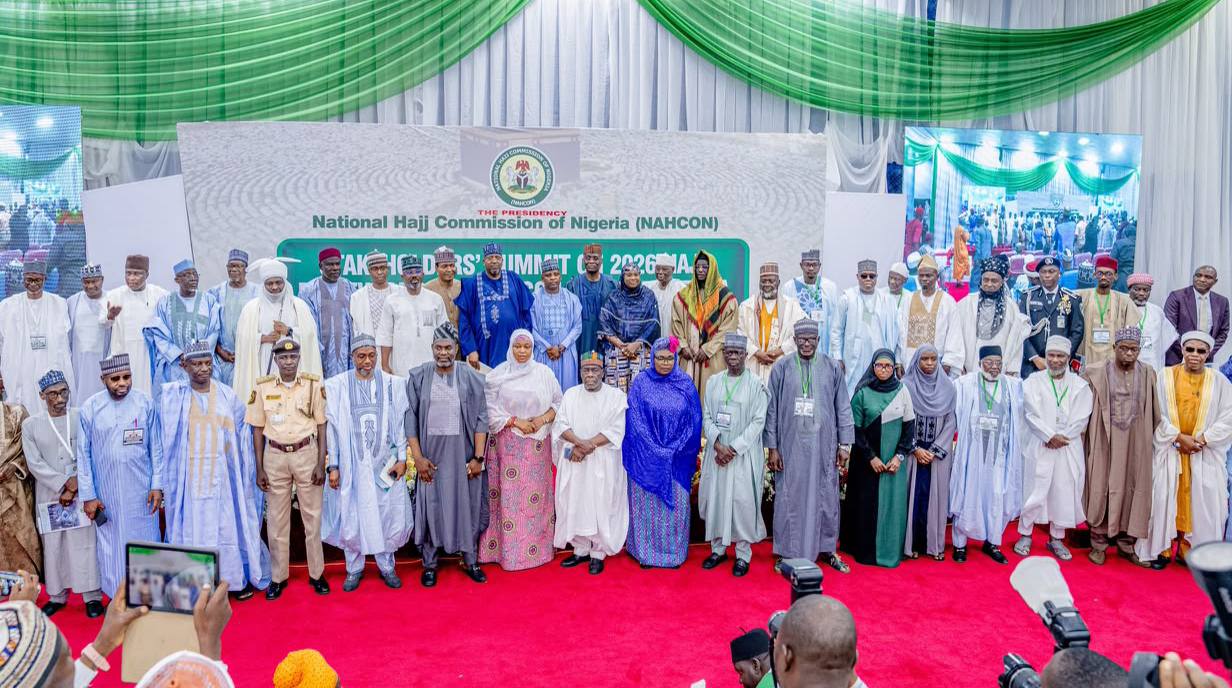
According to the Commission, recommendations from the summit will form part of NAHCON’s roadmap for the 2027 Hajj and will also guide its engagements with Saudi Arabia’s Ministry of Hajj and Umrah in the months ahead.
Ambassador Yusuf said Nigerian pilgrims deserved a system that guaranteed order, dignity and efficient service throughout one of the most important journeys of their lives.
“The Nigerian pilgrim is not asking for luxury,” he said. “He is asking for order. She is asking for dignity. They are asking that the sacrifice of a lifetime be met with the seriousness of a nation.”
He expressed appreciation to President Bola Ahmed Tinubu for supporting the 2026 Hajj operation, Vice President Kashim Shettima for his continued involvement in Hajj affairs, the Sultan of Sokoto for his spiritual leadership, and the Kingdom of Saudi Arabia for the hospitality extended to Nigerian pilgrims during the 1447AH pilgrimage season.
The chairman said the Commission remained committed to implementing the resolutions of the summit as it seeks to build a more transparent, efficient and professionally managed Hajj system ahead of the 2027 pilgrimage.
SPONSORED
SPONSORED

SPONSORED

SPONSORED
