
Nigeria positions for $7.7 trillion halal market
Vice President Shettima says strategy will unlock $12 billion in economic value, boost exports, and position Nigeria as halal-friendly tourism destination
By Abdullahi Yusuf
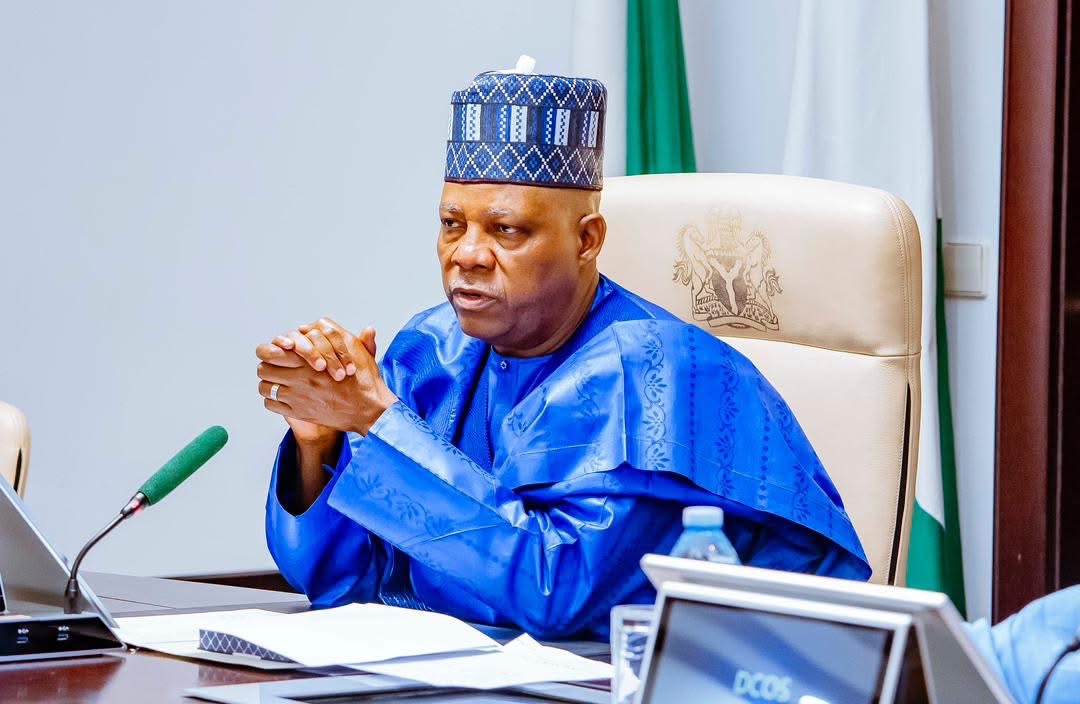
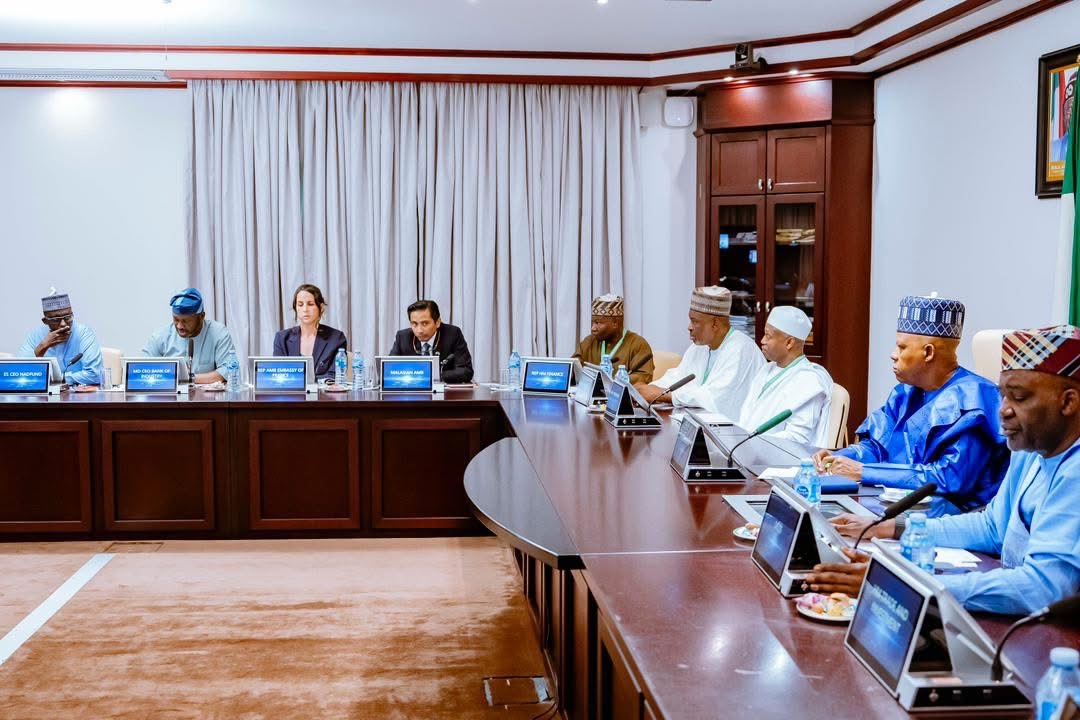
Nigeria has officially unveiled its National Halal Economy Strategy, a bold initiative aimed at tapping into the $7.7 trillion global halal market and positioning the country as a leading exporter of halal-certified goods and a halal-friendly tourism destination. The launch was presided over by Vice President Senator Kashim Shettima, representing President Bola Ahmed Tinubu, at the Presidential Villa, Abuja, on Thursday.
The strategy, designed to diversify Nigeria’s economy and generate sustainable jobs, is expected to contribute $1.5 billion to the nation’s GDP by 2027 and unlock over $12 billion in economic value through expansion of halal-compliant industries, including food, pharmaceuticals, cosmetics, and ethical finance.
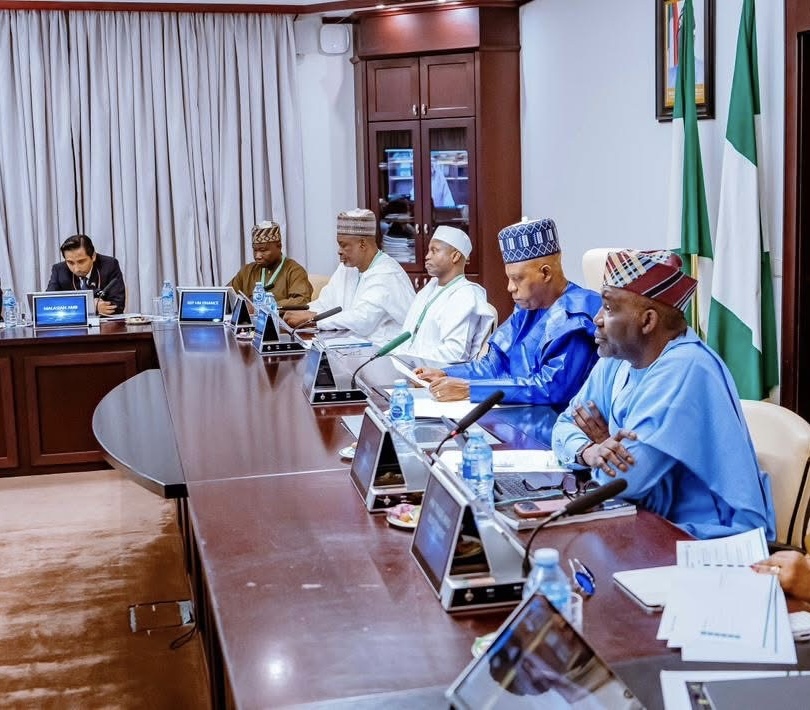
Speaking at the unveiling, Shettima described the strategy as “a declaration of our promise to meet global standards with Nigerian capacity and to convert opportunity into lasting economic value.” He emphasized that the initiative would deliver jobs, exports, and shared prosperity across the country through disciplined, inclusive, and measurable action.
The details of the strategy were outlined in a press release signed by Stanley Nkwocha, Senior Special Assistant to the President on Media and Communications in the Office of the Vice President.
He also outlined the strategy’s key ambitions, which include:
• Expanding halal-compliant food exports
• Developing pharmaceutical and cosmetic value chains
• Positioning Nigeria as a halal-friendly tourism destination
• Mobilizing ethical finance at scale by 2030
The Vice President addressed concerns about linking the halal economy solely to religious affiliation, noting that global halal trade now emphasizes trust, quality, traceability, safety, and ethical production, principles that appeal to consumers, investors, and trading partners worldwide.
“Many advanced Western economies, including the United Kingdom, France, Germany, the Netherlands, the United States, Canada, Australia, and New Zealand, are leading producers, certifiers, and exporters of halal goods and services,” Shettima said. “The halal economy is a global market framework rooted in standards, safety, and consumer trust, not geography or belief.”
The National Halal Economy Strategy was developed in collaboration with the Halal Products Development Company (HPDC), a subsidiary of the Saudi Public Investment Fund, in partnership with Dar Al Halal Group Nigeria. Technical support was provided by institutions including the Islamic Development Bank and the Arab Bank for Economic Development in Africa (BADEA).
The strategy follows a bilateral cooperation agreement between Nigeria and HPDC signed in February 2025 at the Makkah Halal Forum, aimed at integrating Nigeria into international halal value chains and attracting foreign investment.
Commenting on the launch, Dr. Jumoke Oduwole, Minister of Industry, Trade, and Investment and chairperson of the National Halal Strategy Committee, said the initiative is a public-private collaboration that engages multiple stakeholders across government and industry. She assured that her ministry would deliver on the strategy’s objectives and leverage the African Continental Free Trade Area (AfCFTA) to expand market access for Nigerian halal products.
Alhaji Muhammadu Dikko Ladan, CEO of Dar Al-Halal Group Nigeria, described the strategy as a landmark opportunity to attract investment and facilitate Nigerian companies’ entry into global halal markets, including Saudi Arabia.
The launch also highlighted international support for Nigeria’s halal ambitions. Carole Lebreton, Financial Counsellor at the French Embassy in Nigeria, representing Ambassador Marc Fonbaustier, said France stands ready to support Nigerian exports in food, cosmetics, and pharmaceuticals, strengthening bilateral socio-economic relations.
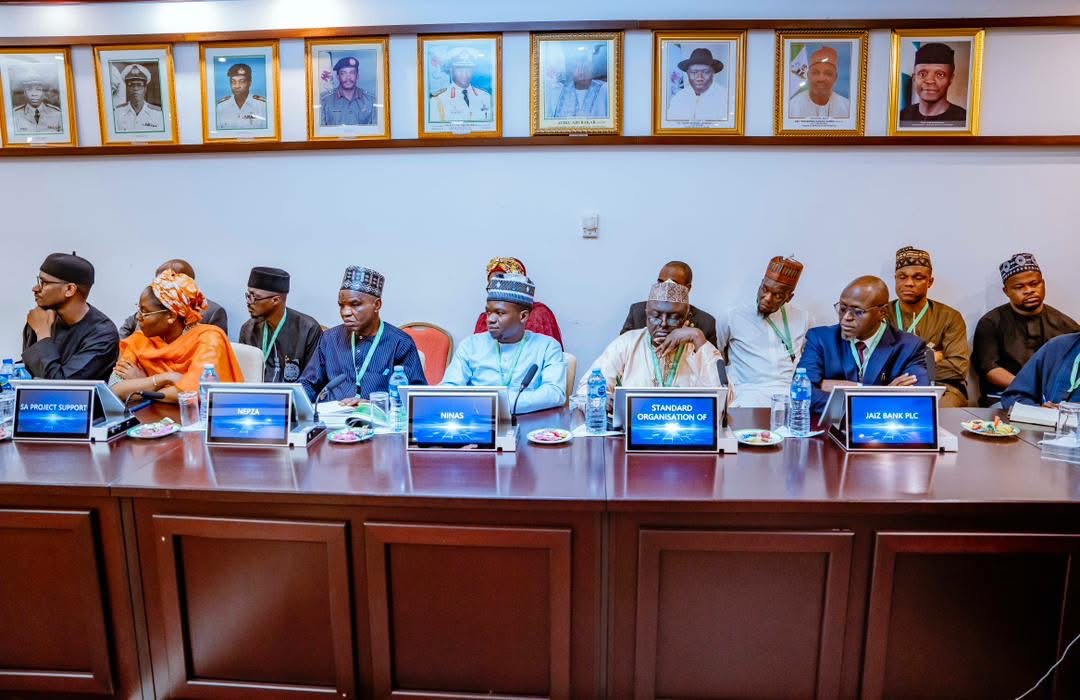
Among Nigerian officials present were:
• Mrs. Nonye Ayeni, CEO, Nigeria Export Promotion Council
• Mr. Olasupo Olusi, Managing Director, Bank of Industry
• Temitola Adekunle Johnson, Special Adviser to the President on Job Creation and MSMEs
Vice President Shettima noted that the strategy aligns with Nigeria’s broader economic diversification goals under President Tinubu’s administration, reinforcing recent international engagements, including the signing of a halal quality infrastructure agreement with Türkiye to enhance standards, accreditation, and certification of Nigerian halal products.
The National Halal Economy Strategy is expected to strengthen Nigeria’s industrial capacity, food security, small and medium enterprise growth, and global competitiveness in the halal sector, while generating employment opportunities and promoting ethical business practices across the federation.
SPONSORED

SPONSORED

SONSORED
