
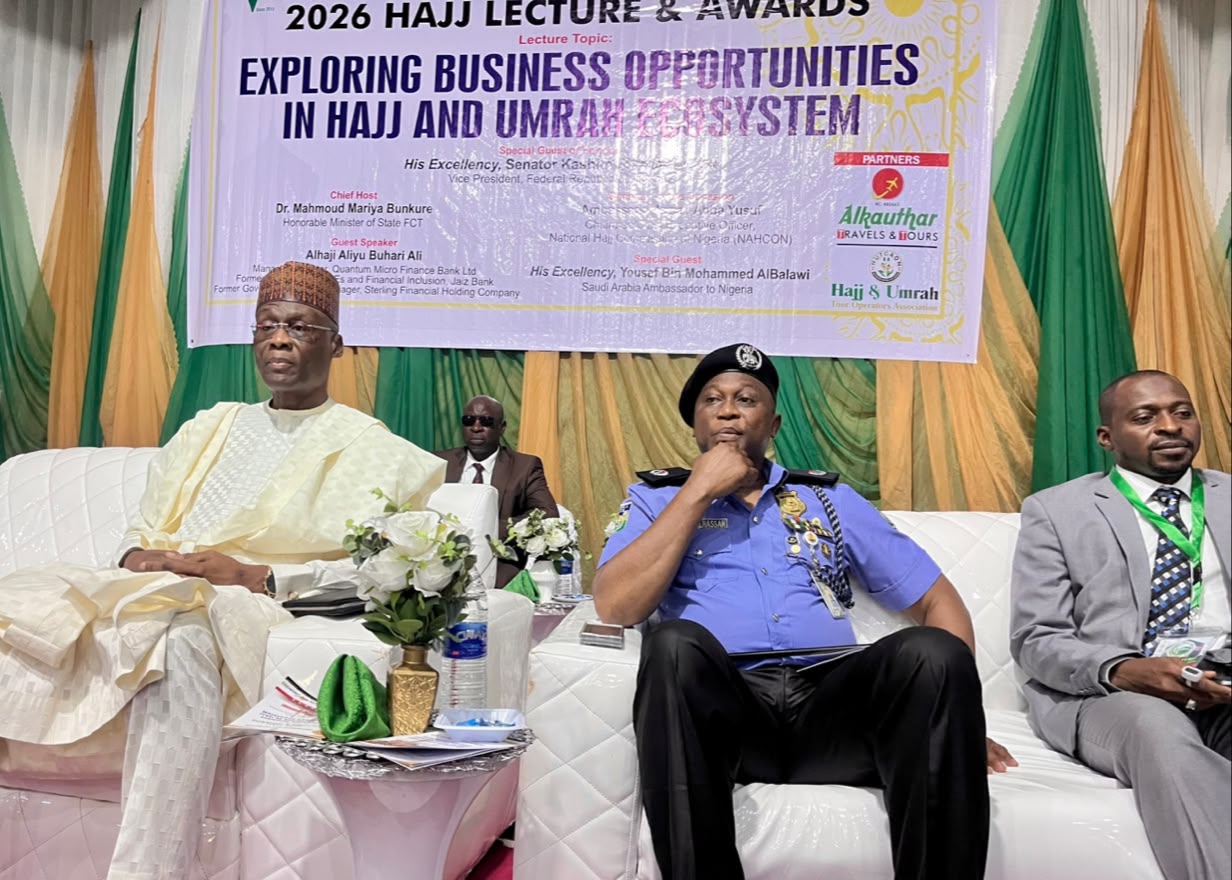
BREAKING NEWS: NAHCON Chairman Says Nigeria Must Tap Hajj, Umrah Business Opportunities
Ambassador Ismail Abba Yusuf identifies tour operations, hospitality, finance, healthcare and technology as areas for investment in the pilgrimage economy
By Abdullahi Yusuf
The Chairman of the National Hajj Commission of Nigeria (NAHCON), Ambassador Ismail Abba Yusuf, has called for greater Nigerian participation in the Hajj and Umrah economy, identifying opportunities for tour operators, investors and businesses across travel, hospitality, finance, healthcare, logistics and technology.
Amb Yusuf made the call in Abuja while delivering the opening remarks at the 10th Annual Hajj Lecture and Awards organised by Independent Hajj Reporters (IHR).
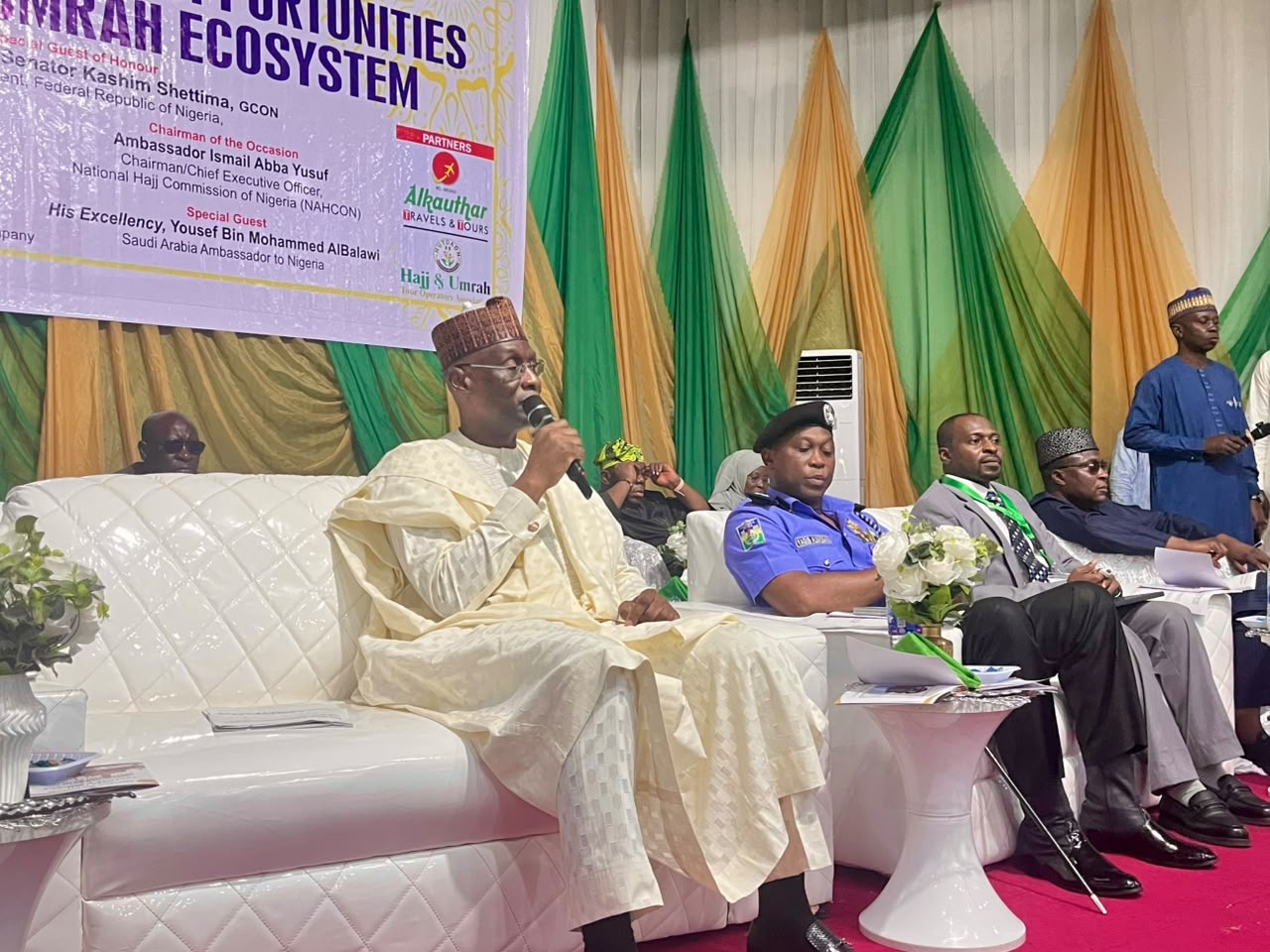
(Chief Imam, Nigeria Police Force)
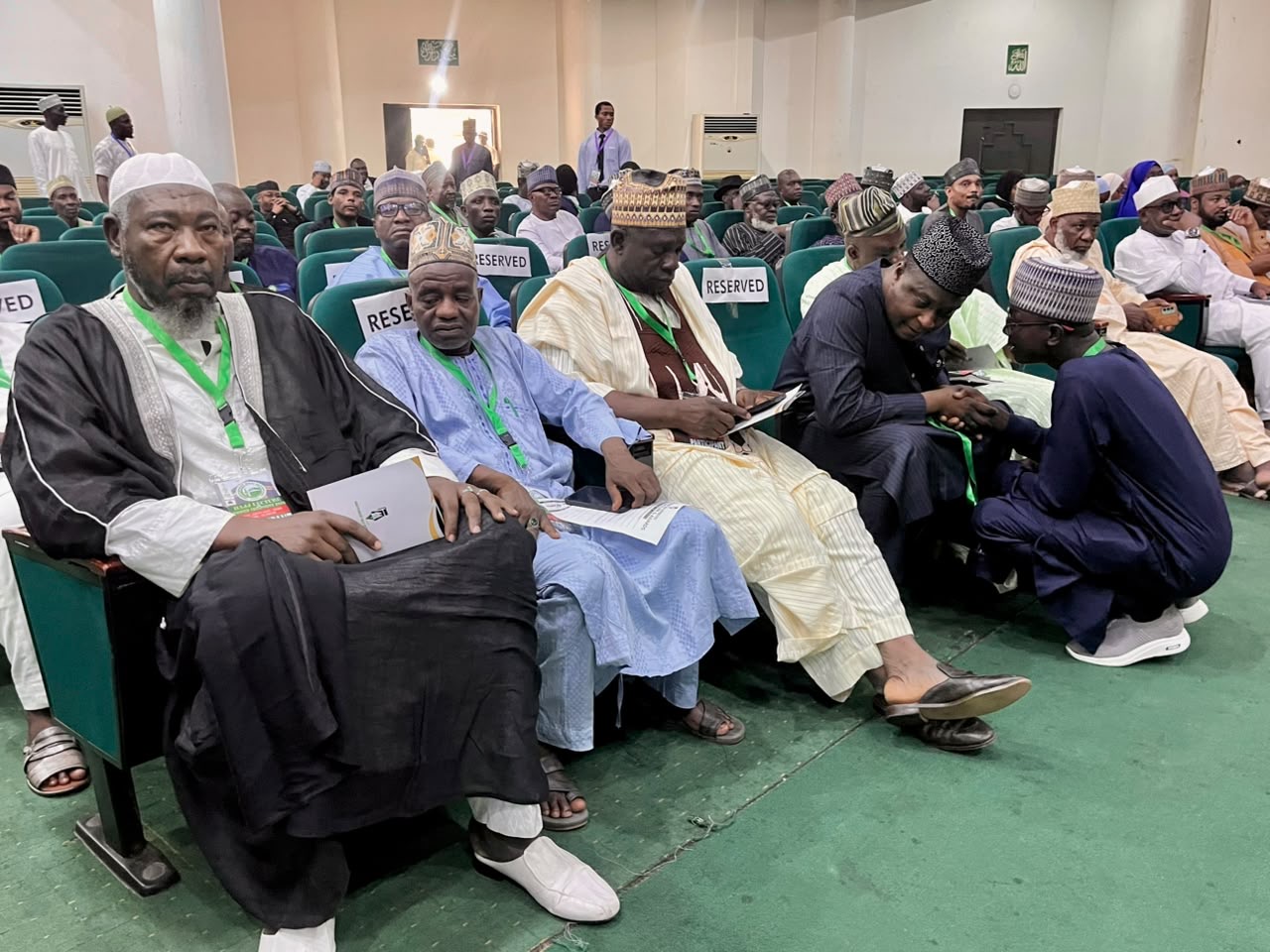
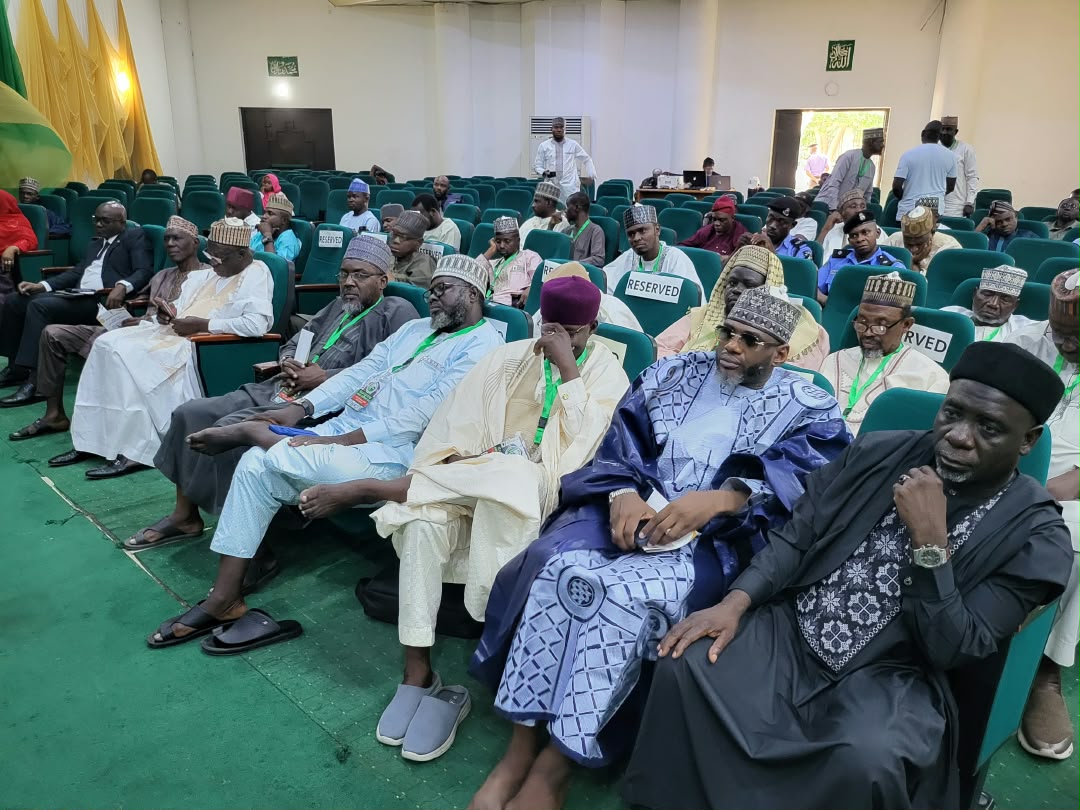
The lecture, held at the National Mosque, focused on “Exploring Business Opportunities within the Hajj and Umrah Ecosystem”, bringing together government officials, Hajj administrators, tour operators, religious leaders, business stakeholders and other participants.
Amb Yusuf said NAHCON’s role in supervising Hajj operations gives it a broad view of the opportunities and challenges within the pilgrimage ecosystem.
“I tell you here and now that there are more opportunities in the space than challenges,” he said.
He said the millions of pilgrims travelling to Makkah and Madinah each year generate demand for a wide range of services, making Hajj and Umrah more than a religious journey.

According to him, the ecosystem extends from travel and accommodation to finance, technology, healthcare, logistics and food services, creating room for businesses capable of responding to the needs of pilgrims.
Abba, identified tour operations and travel logistics among the areas with significant potential, pointing to opportunities for more integrated booking systems covering flights, accommodation and ground transportation.
He also highlighted technology for crowd management and pilgrim safety, saying innovation could improve the efficiency and security of pilgrimage operations.
Hospitality, he said, offered opportunities at different levels, from affordable accommodation for budget-conscious pilgrims to premium packages for those seeking enhanced services.
He also identified financial technology as an area where Nigerian businesses could develop savings plans, Shariah-compliant payment systems, currency exchange and remittance services tailored to pilgrims.
Healthcare and wellness, he added, could support the sector through preventive medical services before departure, mobile clinics, telemedicine and pilgrim-focused insurance products.
The NAHCON chairman further pointed to halal food production and supply chains, catering services and packaged meals as other areas capable of supporting the growing pilgrimage market.
Digital platforms, he said, could also improve the pilgrim experience through navigation services, prayer and religious guidance applications, multilingual support and other tools.
Amb Ismail said the opportunities extended beyond the Hajj season, with businesses able to develop services for pilgrims undertaking Umrah throughout the year.
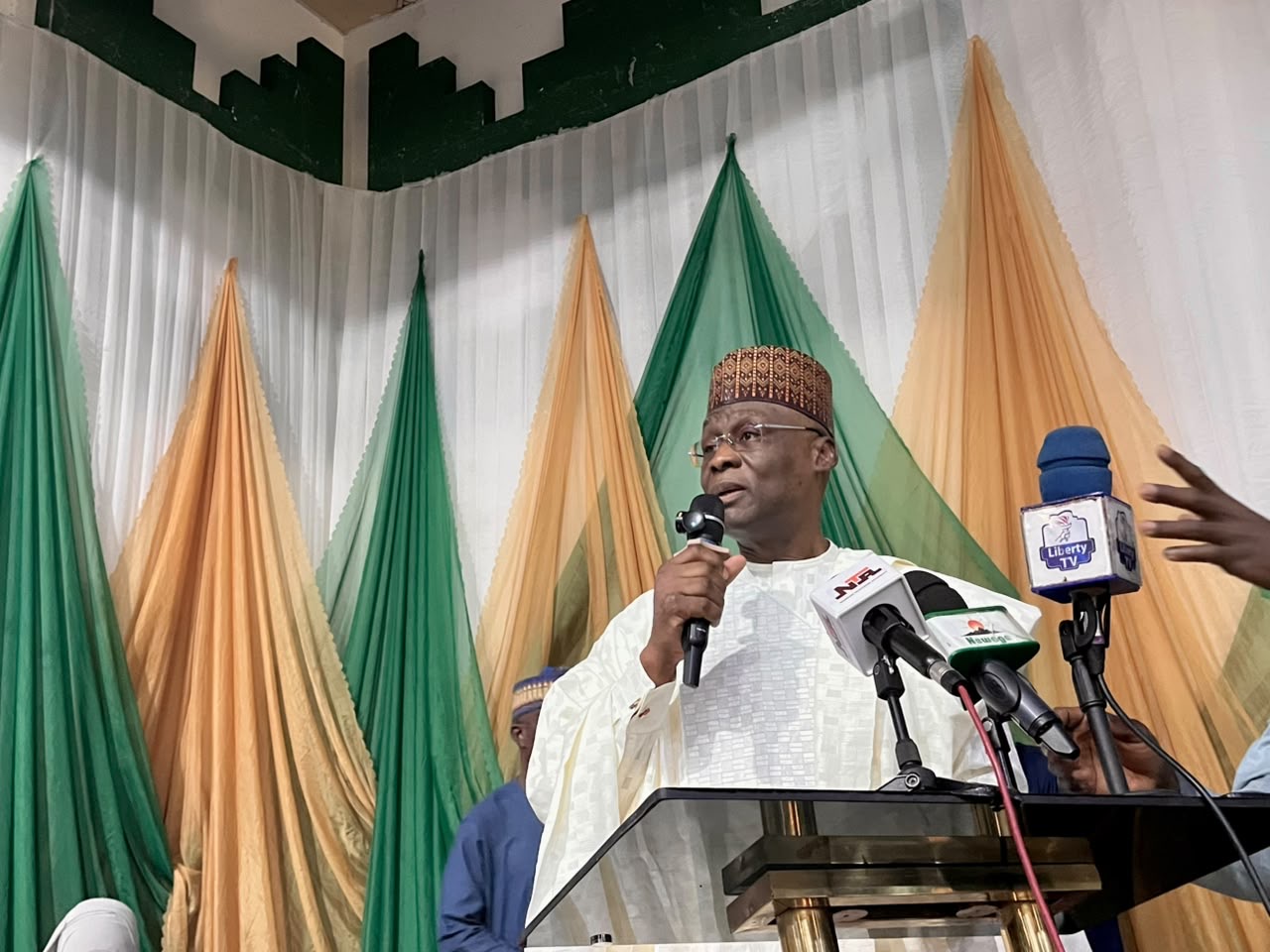 He said investment in the sector could create jobs, develop skills and strengthen commercial relations between Nigeria and Saudi Arabia, while giving Nigerian businesses a greater stake in the wider pilgrimage economy.
The NAHCON chairman acknowledged that operating in the Hajj and Umrah sector comes with regulatory requirements, cultural considerations and high expectations for service quality.
But he said these should not discourage investors, describing them instead as areas where businesses could distinguish themselves through innovation, professionalism and trust.
He called on entrepreneurs to approach the sector as an opportunity for ethical enterprise, with the welfare and dignity of pilgrims at the centre of the services they provide.
“Let us build businesses that serve pilgrims with dignity, efficiency, and compassion,” Yusuf said.
He said the ultimate objective should be to develop solutions that make the pilgrimage journey smoother, safer and more spiritually enriching.
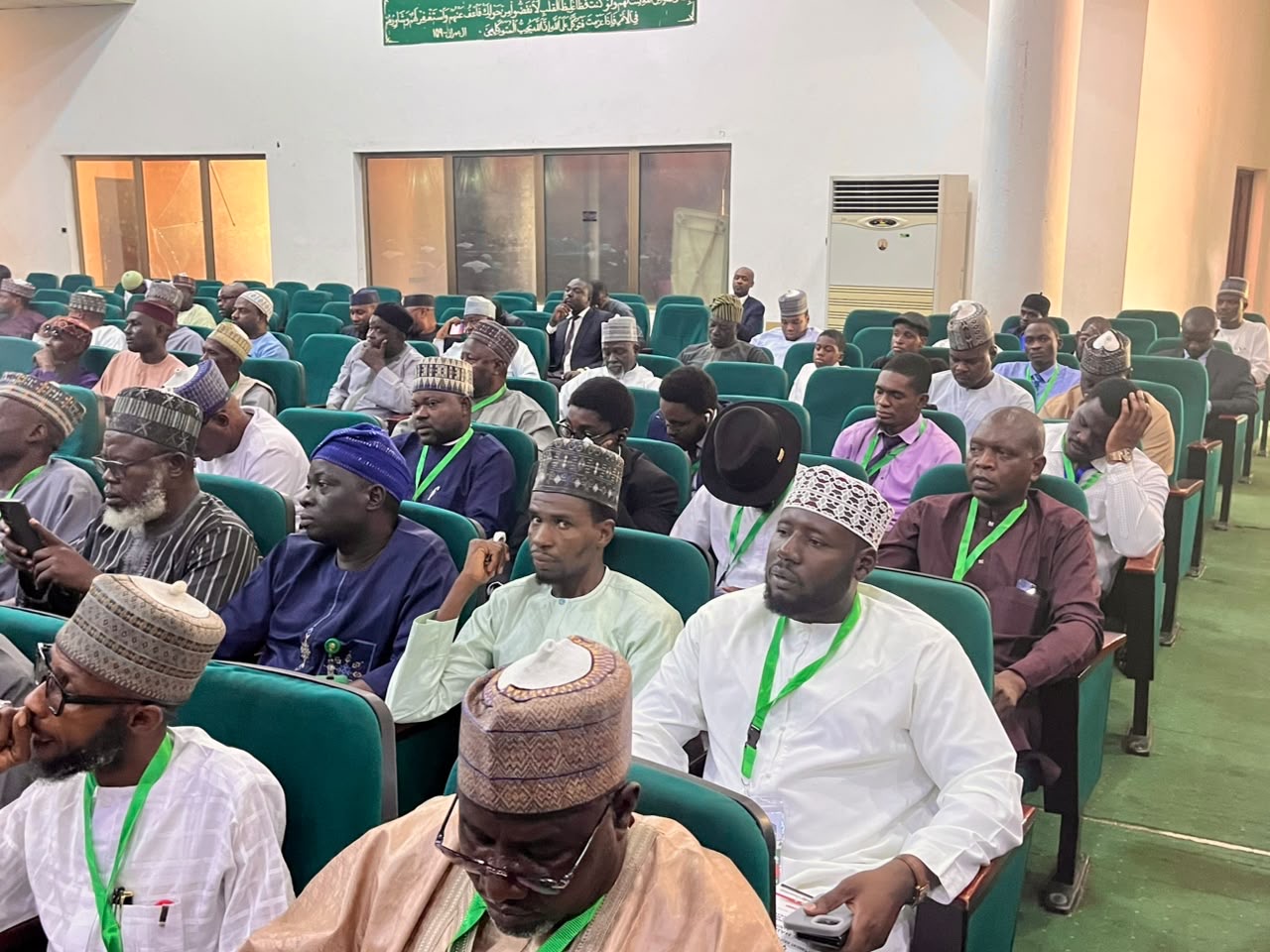
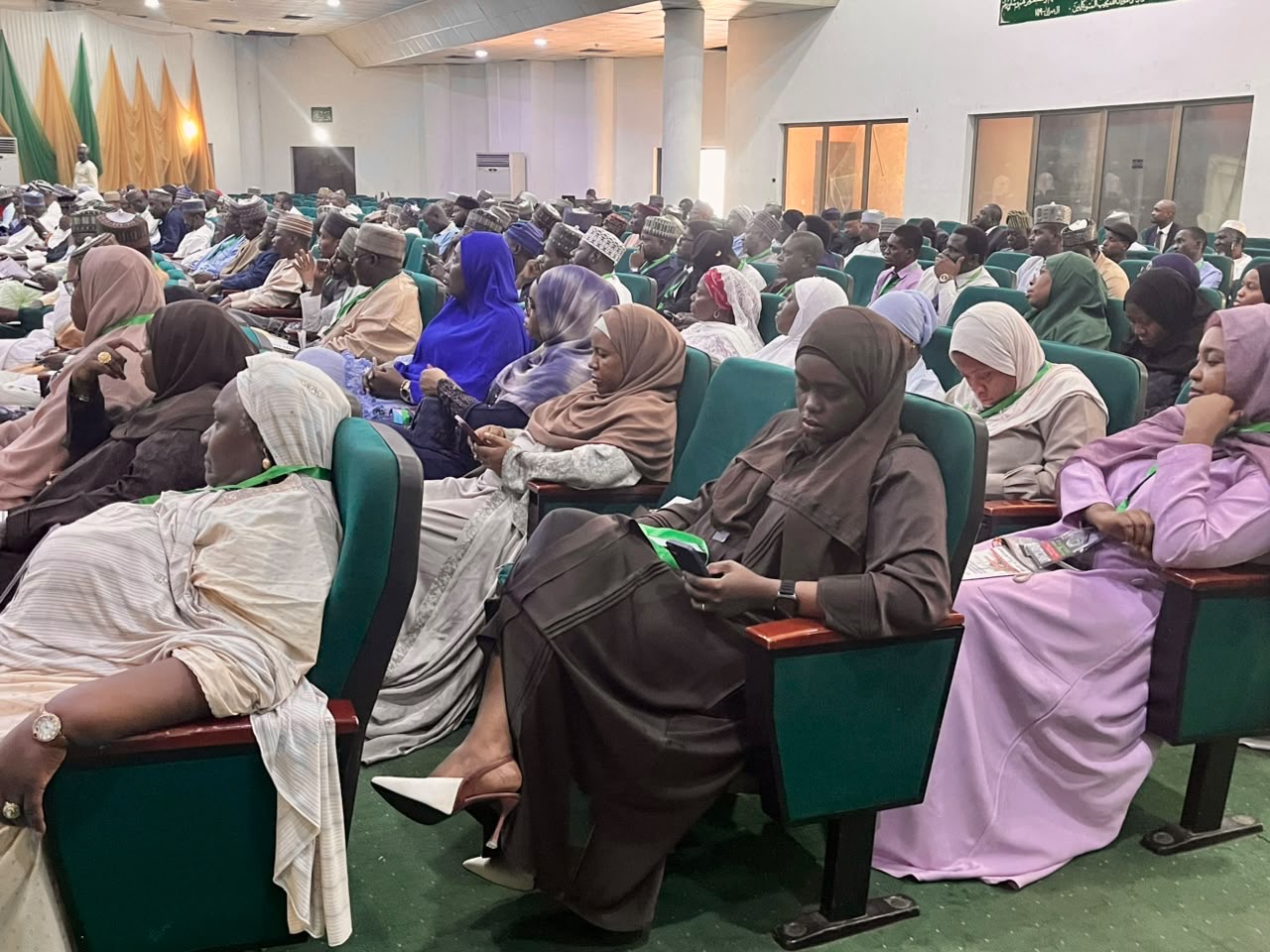
The chairman commended IHR for dedicating its 10th annual lecture to the business dimension of Hajj and Umrah, saying the discussion could help draw greater attention to opportunities within an ecosystem that serves millions of pilgrims.
The annual lecture is also part of IHR’s post-Hajj programme of reviewing pilgrimage operations and recognising stakeholders who have contributed to the welfare and administration of Nigerian pilgrims. The organisation has described its annual lecture and awards as a platform for examining challenges in Hajj and Umrah operations while recognising service and excellence within the sector.
The chairman’s message places Hajj and Umrah beyond the narrow confines of pilgrimage administration, presenting the sector as a growing space for professional services, entrepreneurship and investment provided businesses can match opportunity with the standards, trust and ethical responsibility required to serve pilgrims.
SPONSORED

SPONSORED

SONSORED
