
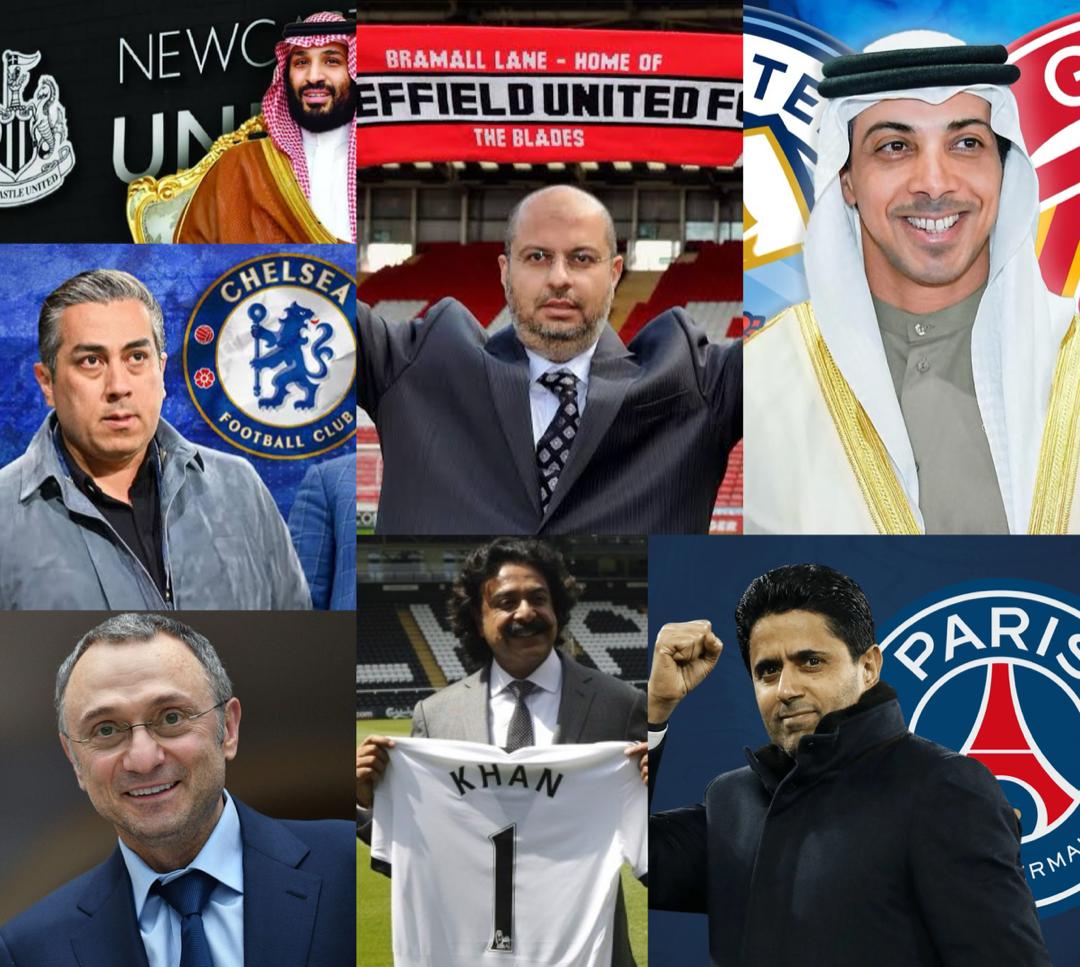
Muslim Billionaires Who Chose Football Clubs Over Gaza and Media
While Muslim tycoons pour billions into stadium lights and trophy dreams, cries from Gaza echo in silence. Has prestige eclipsed purpose?
From satellite networks to digital platforms, Islamic media and institutions remain underfunded and underpowered. What if just a fraction of the football billions were invested in shaping narratives, funding relief, and rebuilding the crumbling spiritual infrastructure of the Ummah
By Abdullahi Yusuf
In recent years, Muslim billionaires have made significant inroads into the world of global football, acquiring and investing in top-tier clubs across Europe and beyond. These ventures have not only elevated the profiles of the clubs involved but have also positioned their owners as influential figures in the international sports arena.
However, this surge in sports investments contrasts sharply with the relatively modest funding directed toward Islamic media and cultural initiatives, raising questions about priorities and the broader impact on the global Muslim community especially in regions like Gaza, where millions are affected by ongoing violence, poverty, and displacement. Despite this, we continue to see football investments skyrocket while Gaza’s struggles persist.
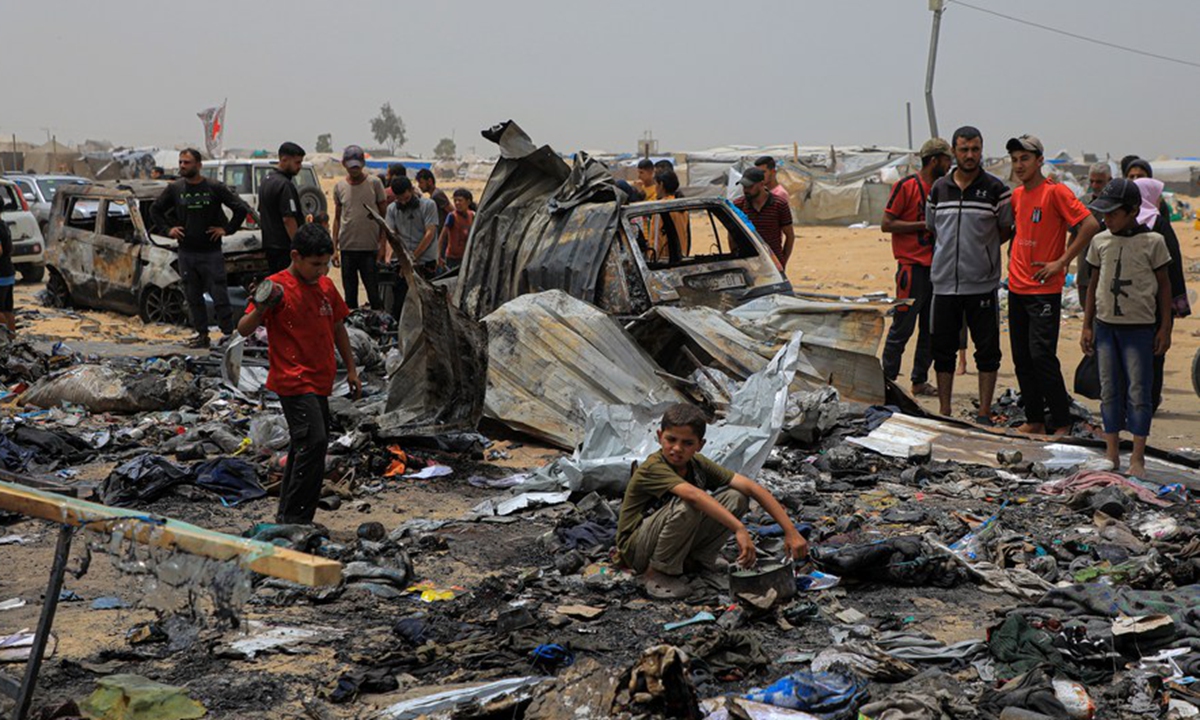
The involvement of Muslim billionaires in football is both extensive and impactful. Their investments have transformed clubs, influenced global football dynamics, and sparked discussions about the intersection of wealth, influence, and cultural representation. However, the question remains: with such wealth and influence, why has there been such limited focus on addressing the ongoing crisis in Gaza or investing in Islamic media that could help represent Muslim voices on the global stage?
The Disparity: Football Investments vs. Gaza’s Needs
While the investments in football are substantial and visible, the same cannot be said for addressing humanitarian needs in Gaza. The disparity between the millions funneled into the world of football and the relative lack of action taken to alleviate the suffering in Gaza is striking. Wealthy Muslim individuals and entities have used their resources to secure ownership of premier football clubs like Paris Saint-Germain (PSG), Manchester City, and Newcastle United, but these investments have not been mirrored by similar efforts in Gaza or for the creation of media platforms that could support the Ummah globally.
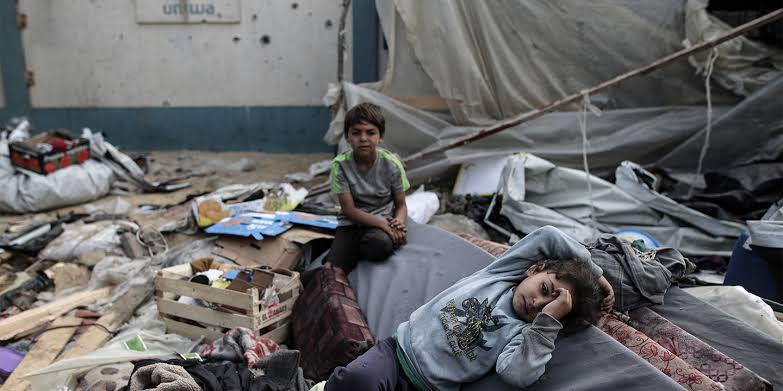
The international football scene, backed by these billionaires, has seen massive investments in top-tier players, state-of-the-art facilities, and extensive global visibility. For example, Qatar’s Nasser Al-Khelaifi has turned PSG into one of the world’s most valuable clubs, and Saudi Arabia’s Public Investment Fund (PIF) has turned Newcastle United into a formidable force in English football. Yet, the same energy and resources seem absent when it comes to tackling urgent issues like Gaza’s ongoing siege, poverty, and lack of access to basic services. Furthermore, very few of these billionaires have used their position in global football to advocate directly for Gaza or the Palestinian cause, instead focusing primarily on personal and business gains.
The Role of Islamic Media: A Missed Opportunity
Alongside the lack of investment in Gaza, the development of Islamic media has also been largely underfunded by these wealthy billionaires. While football serves as a tool for cultural influence, the Muslim world lacks platforms that can push back against misconceptions, promote accurate narratives, and highlight the values of Islam on a global scale. This is a critical area where a concerted effort could yield significant benefits for the global Muslim community.
Islamic media platforms could counteract harmful stereotypes, raise awareness about the plight of Gaza and other Muslim-majority regions, and provide educational content that nurtures Islamic values. These platforms could also offer a voice for Muslims to shape international discourse, from political advocacy to charitable action. However, the wealth pouring into football clubs, far-reaching in its cultural influence remains focused on the pursuit of commercial success rather than the long-term cultural development and support of the Ummah.
A look into some top Muslim football club owners
Public Investment Fund (PIF)
Club(s): Newcastle, Al Ittihad, Al-Hilal, Al Ahli, Al Nassr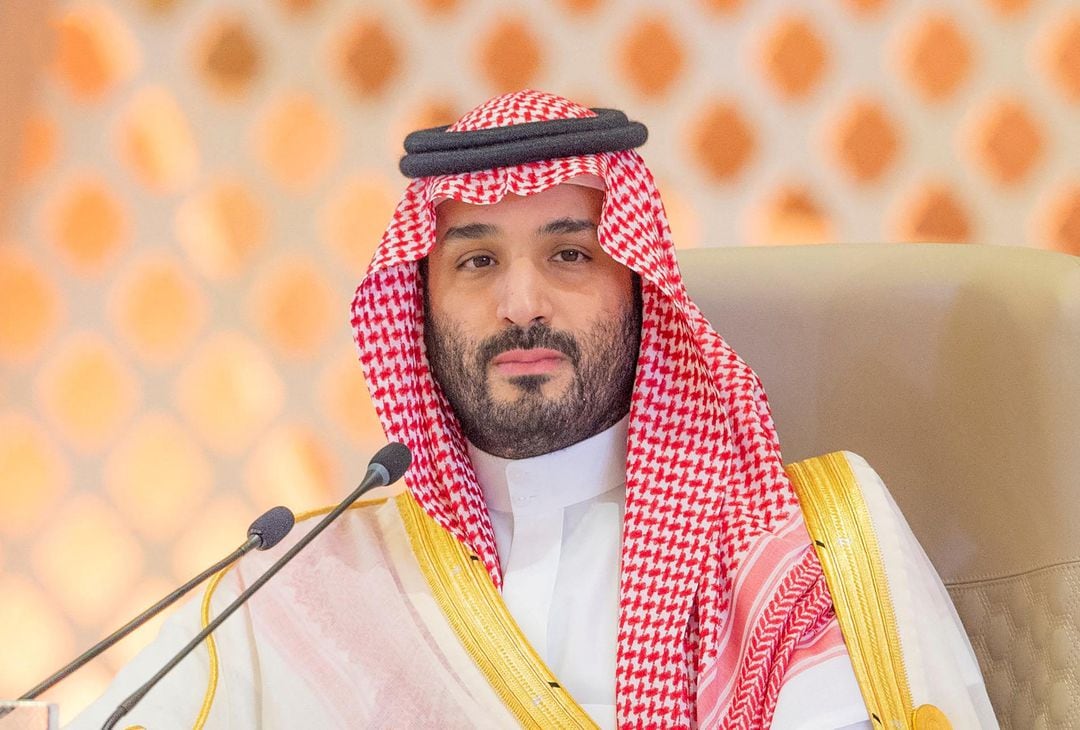
Owners of Newcastle, Saudi Arabia’s Public Investment Fund (PIF), a sovereign wealth fund valued at $925 billion, are the richest football club owners in the world. Among the several fields where PIF has made investments are energy, technology, real estate, and entertainment.
Following their acquisition of Newcastle United in 2021, PIF heavily invested in the Premier League team, launching a new era. Since the possession, the club’s expenditure on transfers has risen and exceeded £130 million in the summer transfer window of 2022 alone.
Newcastle United now boasts a far stronger squad thanks to this large investment and now competes at the upper echelon of the Premier League. PIF also owns several clubs in Saudi Arabia including Al Ittihad, Al-Hilal, Al Ahli and Al Nassr.
Beyond football, PIF’s global diversification of its investing approach guarantees the fund’s long-term viability. Consider, for example, its evolution into one of the top sovereign wealth funds worldwide through long-term investments in the software company Uber and the clean energy sector.
Nasser Al-Khelaifi (Qatar Sports Investments)
Club(s): Paris Saint-Germain (PSG)
Country: Qatar
Net Worth: Estimated at $1 billion+
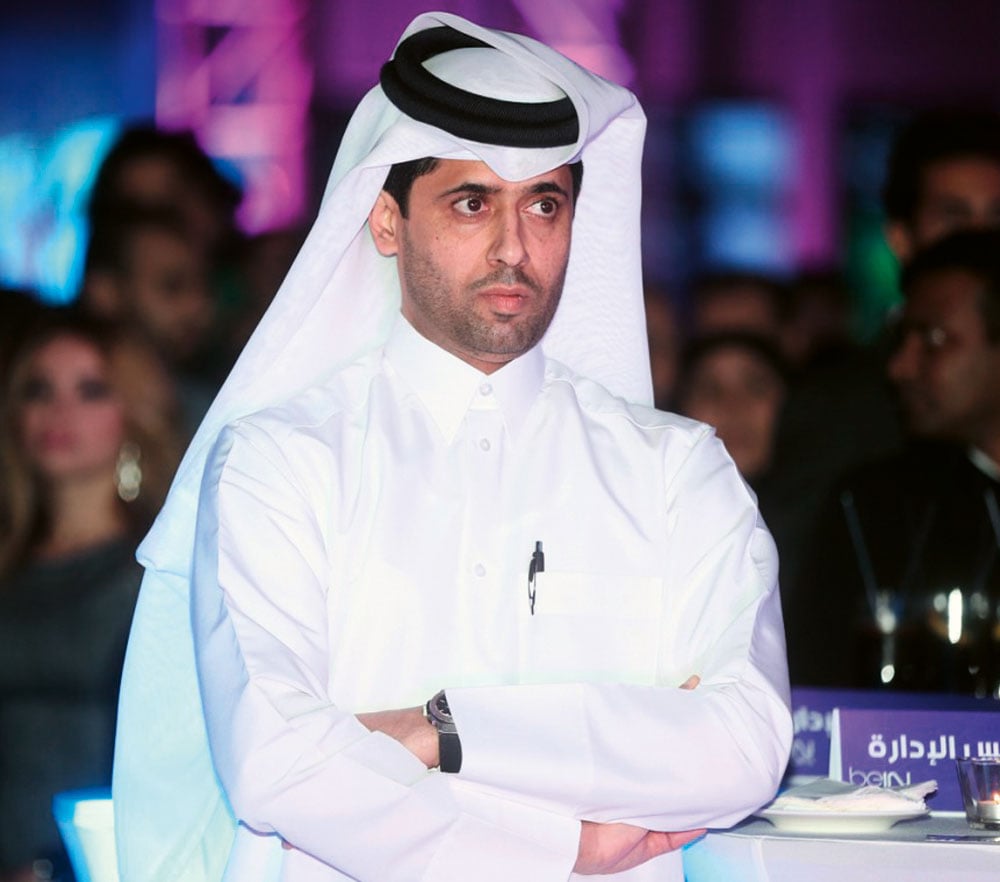
Nasser Al-Khelaifi, a former professional tennis player and chairman of Qatar Sports Investments (QSI), has been at the helm of Paris Saint-Germain (PSG) since QSI acquired the club in 2011. Under his leadership, PSG has grown into one of the most influential clubs in European football. Al-helaifi’s vision transformed the club into a financial powerhouse, attracting global football stars such as Neymar Jr., Kylian Mbappé, and Lionel Messi (who played there until 2023). PSG’s significant investments in infrastructure, player acquisitions, and its competitive performance in Ligue 1 and Europe are directly tied to Al-Khelaifi’s strategic approach.
In addition to his football investments, Al-Khelaifi is also the chairman of the Qatari-owned media group beIN Media, which owns broadcasting rights for major football leagues and competitions worldwide. His work with PSG is emblematic of Qatar’s strategy to use sport to bolster its global influence, a strategy further cemented by Qatar hosting the 2022 FIFA World Cup.
Sheikh Mansour (City Football Group)
Club(s): Manchester City, Girona, Palermo, Troyes, Lommel, New York City FC, Mumbai City, Melbourne City, Yokohama F. Marinos, Shenzhen Peng City, Montevideo City, Torque Bahia
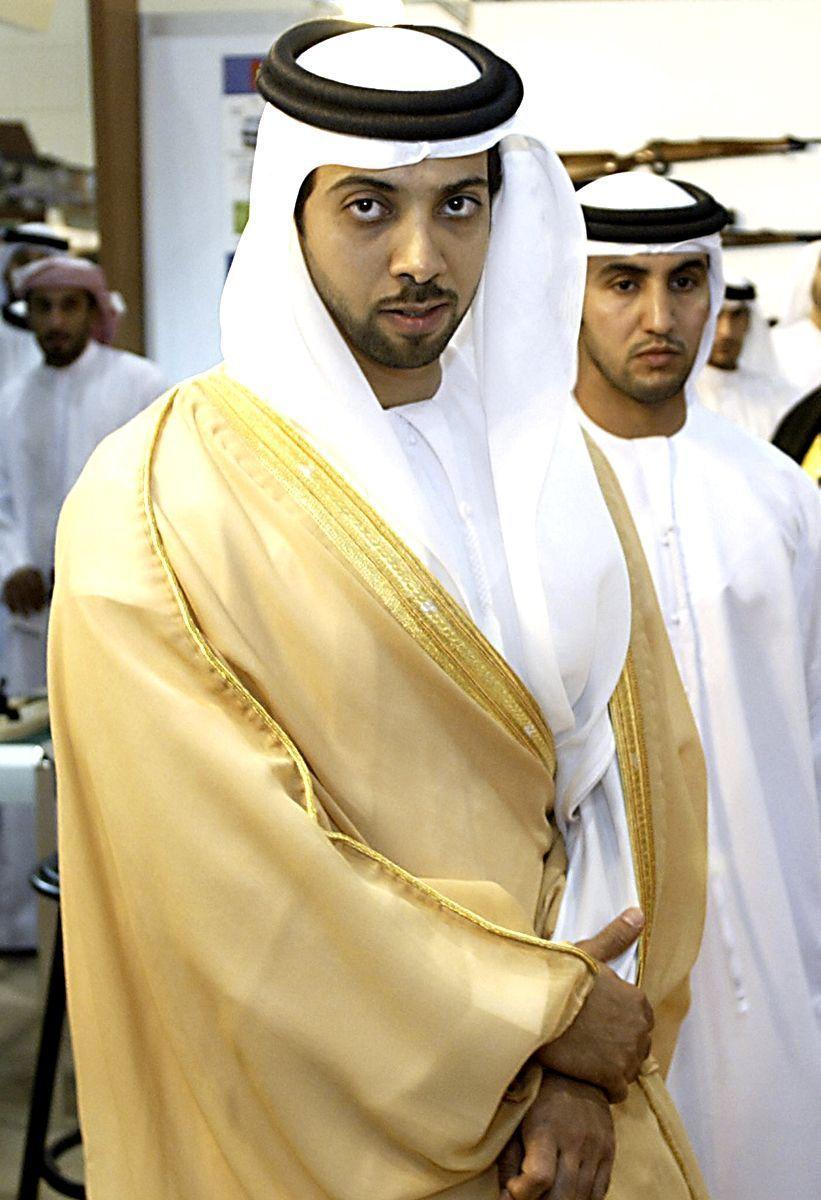
With a net worth of almost $22 billion, renowned member of the Abu Dhabi royal family, Sheikh Mansour, is among the most popular billionaires worldwide. City Football Group, led by the Arab magnate, bought Manchester City Football Club in 2008, making him the richest football club owner at the time. They are also the owners of Manchester City, Girona, Palermo, Troyes, Lommel, New York City FC, Mumbai City, Melbourne City, Yokohama F. Marinos, Shenzhen Peng City, Montevideo City, and Torque Bahia.
Manchester City have enjoyed an amazing comeback ever since, quickly rising to be a major player in the Premier League and Europe. The Cityzen’s large expenditures on stadium building and player acquisitions have been greatly aided by Sheikh Mansour. For example, the club has invested funds in creating the modern youth training facility, “City Football Academy,” which has produced stars like Sancho, Palmer, and Foden.
Thanks also to Mansour’s financial assistance, Manchester City have been able to maintain an active transfer market presence and attract outstanding players like Kevin De Bruyne and Erling Haaland.
Sheikh Mansour owns real estate and banks, but most of his riches are derived from the UAE’s oil and gas sector, and continuous financial support of Manchester City is assured by this varied investment portfolio. Manchester City is today among the most valuable teams in the world thanks to Sheikh Mansour’s direction towards hitherto unheard-of success.
Shahid Khan (Fulham FC)
Club(s): Fulham FC (England)
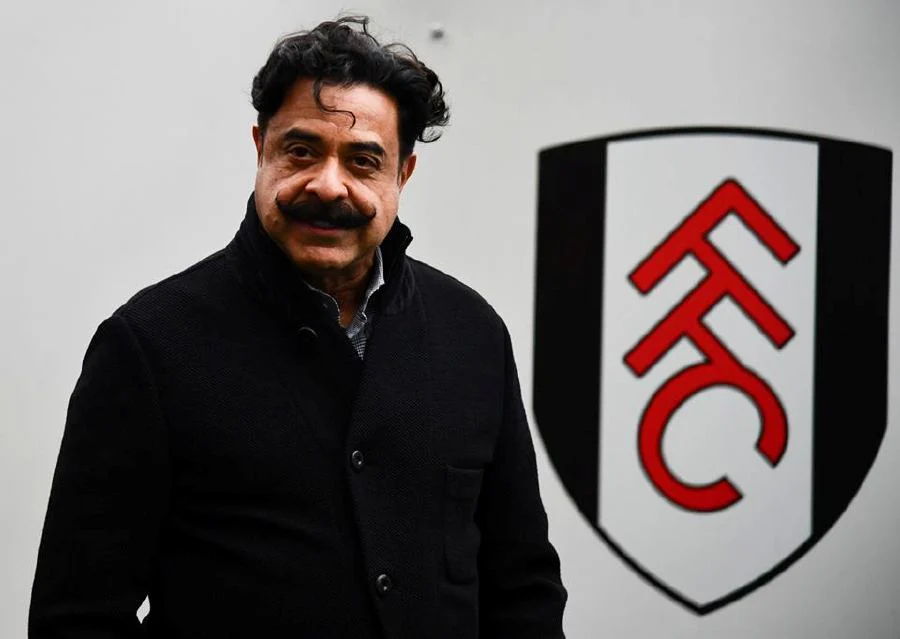
Shahid Khan, a Pakistani-American billionaire with over $11.8 billion in wealth overall, acquired Fulham FC in 2013 for approximately $300 million. He is also the owner of the NFL’s Jacksonville Jaguars and co-owner of All Elite Wrestling (AEW). Khan’s wealth stems from his ownership of Flex-N-Gate, a major automotive parts manufacturer.
Shahid Khan revived the long-ailing Fulham Football Club in 2013 upon purchase. Among other infrastructural upgrades, Fulham was able to modernise their Craven Cottage stadium and raise its capacity to satisfy Premier League criteria with his support.
Fulham might not have the scale or clout of Premier League giants, but Shahid Khan is resolved to keep the team competitive by smart management and investment. Long term, he wants Fulham to be a mid-table team and boost income for the club.
Suleyman Kerimov (Formerly FC Anzhi Makhachkala)
Club(s): FC Anzhi Makhachkala (Russia)
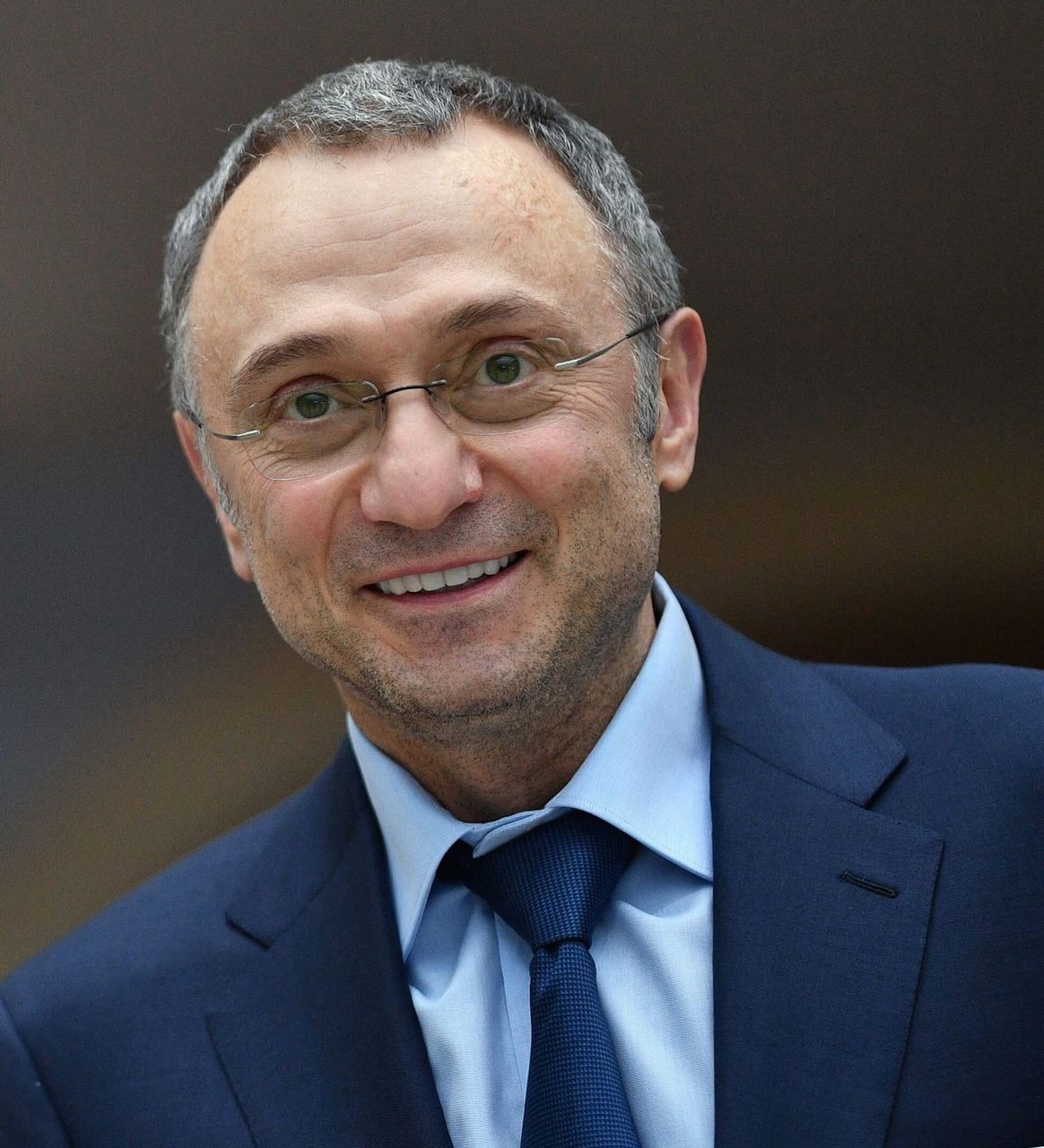
Suleyman Kerimov, a Russian billionaire of Lezgin descent, purchased FC Anzhi Makhachkala in 2011. He invested heavily in the club, bringing in high-profile players like Samuel Eto’o and building the Anzhi Arena. However, in 2013, Kerimov drastically cut funding, leading to the sale of top players and a decline in the club’s fortunes. He sold the club in 2016.
Kerimov’s wealth is primarily derived from investments in companies like Gazprom and Polyus Gold. His tenure at Anzhi reflects the volatile nature of football investments tied to personal fortunes.
Behdad Eghbali (Clearlake Capital)
Club(s): Chelsea FC (England)
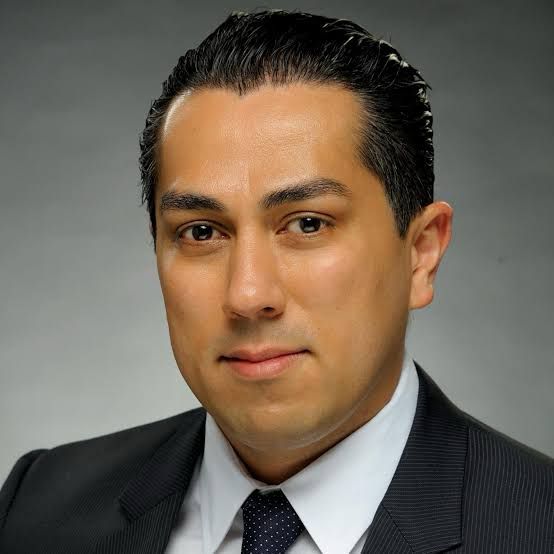
Behdad Eghbali, an Iranian-American billionaire, is a co-founder and managing partner of Clearlake Capital. In 2022, Clearlake Capital, alongside Todd Boehly, acquired Chelsea FC for £2.3 billion. Eghbali has since taken an active role in the club’s operations, emphasizing data-driven strategies and long-term planning.
Beyond football, Eghbali’s investments span various sectors, including technology and real estate. His approach to club ownership reflects a blend of traditional sports management and modern investment strategies.
Prince Abdullah bin Mosaad Al Saud (United World Group)
Club(s): Sheffield United (England), K Beerschot VA (Belgium), Al Hilal United FC (UAE), Kerala United FC (India), La Berrichonne de Châteauroux (France)
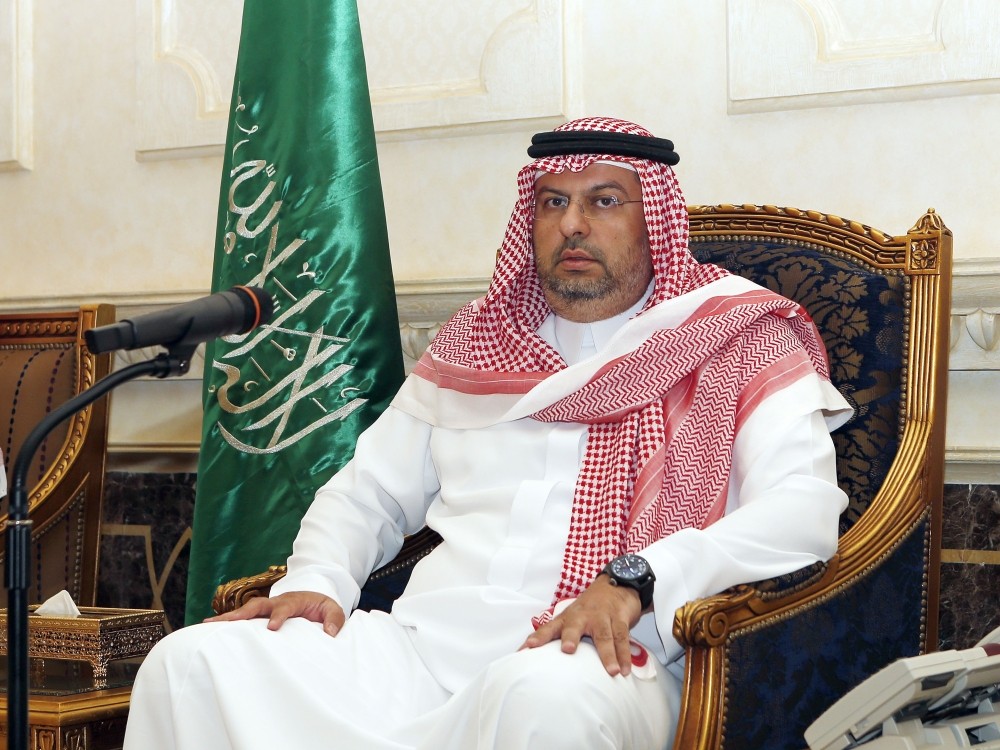
Prince Abdullah bin Mosaad Al Saud, a member of the Saudi royal family, acquired a 50% stake in Sheffield United in 2013 and became the sole owner in 2019. Through his company, United World Group, he has invested in multiple football clubs across the globe.
His wealth originates from the paper manufacturing industry, having founded the SPMC Group in 1989. Prince Abdullah’s diversified investments in football reflect a strategic approach to global sports ownership.
The involvement of Muslim billionaires in global football has undeniably brought success and prestige to the clubs they own. With investments such as those seen in PSG, Manchester City, and Newcastle United, these billionaires have become integral players in the modern football landscape. However, the stark contrast between these high-profile investments and the underfunding of Islamic media and cultural initiatives highlights a critical area for reflection.
Football clubs serve as a powerful tool for influence, but the Muslim world also needs robust, globally recognized platforms that advocate for its values and causes. Gaza’s ongoing suffering, paired with the lack of substantial action by the wealthy Muslim elite to alleviate this crisis, exposes a gap between wealth and social responsibility. To truly wield the power and influence they possess, these billionaires could balance their investments to include platforms that promote Islamic values, culture, and humanitarian work. By doing so, they could foster a more holistic approach to representation, advancing the global Muslim identity while providing vital support to those in dire need.
SPONSORED
SPONSORED

SPONSORED

SPONSORED
