
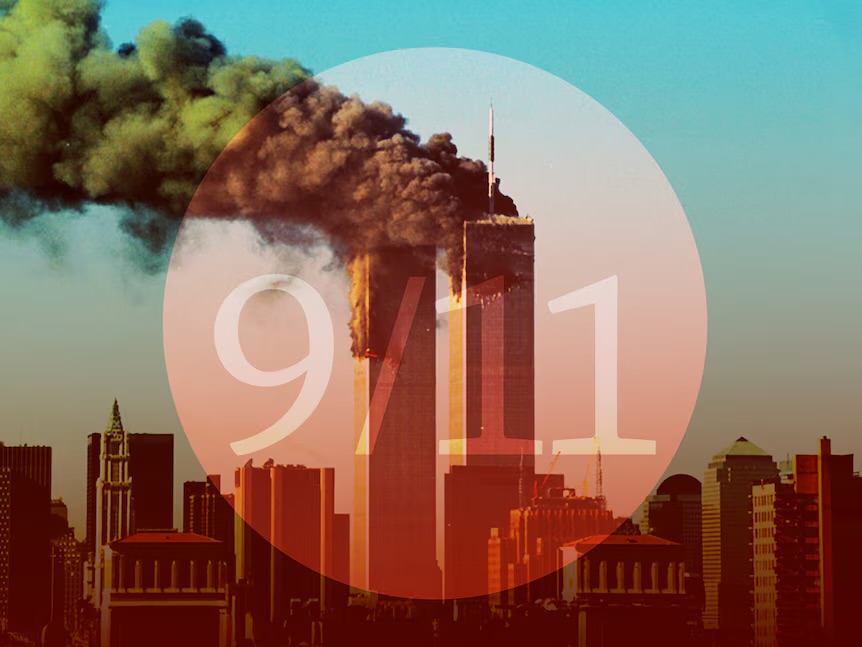
25 Years After 9/11, Muslim Americans Still Confront the Shadow of Islamophobia
A quarter-century after the attacks that killed nearly 3,000 people, Muslim Americans continue to confront discrimination and political hostility while building a stronger presence in public life.
By Abdullahi Yusuf
For Sabinah Mohyuddin, the morning of September 11, 2001, began like any other school day. She was preparing her children for school in Clarksville, Tennessee, when the attacks unfolded on television.
But as the identities of the attackers emerged, her fear became personal.
“It fell on me like a heavy weight,” Mohyuddin recalled. “What did this mean for the Muslim community? What did this mean for me?”
Twenty-five years later, the question has not entirely disappeared.
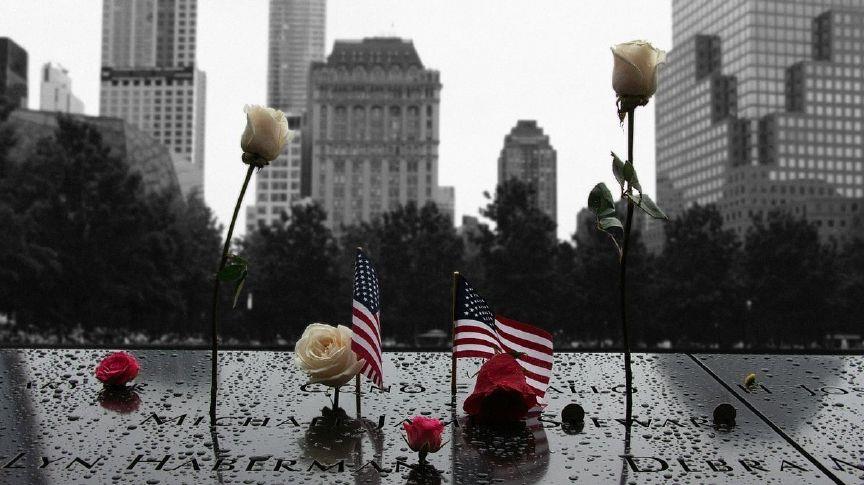
As Americans prepare to mark the anniversary of the September 11 attacks, which killed nearly 3,000 people, Muslim communities across the country are confronting not only memories of the dead but also the discrimination and suspicion that followed the attacks.
A Pew Research Center survey conducted in May found that 43% of US adults believe Muslims are less patriotic than other Americans, while 42% say Muslim Americans are having a negative impact on the country.
Some respondents explicitly linked their views to September 11, citing fears of another terrorist attack and memories of the attacks in 2001. Pew also found that about half of Americans surveyed earlier this year said Islam encourages violence more than other religions.
For Muslim Americans who lived through the aftermath, the consequences were not confined to public opinion.
On September 15, 2001, Balbir Singh Sodhi, a Sikh man in Arizona, was shot dead by a gunman who mistakenly believed he was Muslim. Sodhi became one of the earliest victims of the backlash that followed September 11.
For Muslim communities, the years that followed brought airport scrutiny, verbal abuse, physical attacks and disputes over religious clothing and practices.
Muslim women have also challenged what they described as violations of their religious rights. Salam Jabaieh, who was arrested during a Palestinian advocacy campus protest in Arizona, said she spent 26 hours in jail without the hijab she had worn since high school.
“I felt stripped… scared… humiliated,” she said. “Being Muslim doesn’t make me less American.”
The political consequences have also continued into the present.
During the Trump administration, restrictions were imposed on travel from several predominantly Muslim countries, while more recent disputes have involved the Council on American-Islamic Relations, or CAIR, one of the country’s largest Muslim civil rights organisations.
In Florida, Governor Ron DeSantis designated CAIR a terrorist organisation in December 2025. A federal judge blocked enforcement of the designation in March, ruling that the governor could not unilaterally impose the designation and withhold government benefits from CAIR and those supporting it.
Texas also moved against CAIR under state law, after Governor Greg Abbott designated the organisation a foreign terrorist organisation and transnational criminal organisation in November 2025. Attorney General Ken Paxton later sued CAIR, seeking to bar it from operating in the state.
Yet the quarter-century since September 11 has also seen Muslim Americans become increasingly visible in American civic and political life.
CAIR’s 2026 directory identified 255 Muslim elected officials serving across 26 states and at nearly every level of government. The figure includes members of Congress, state legislators, mayors, judges, council members and school board officials.
Among them is Zohran Mamdani, who became New York City’s first Muslim mayor.
Mohyuddin’s own path followed a similar trajectory. She became involved in activism while opposing an anti-Sharia bill in Tennessee and later helped establish a Muslim advisory council.
“What gives me hope is seeing more of the community willing to exert their rights… despite all of the attempts to silence us,” she said.
Twenty-five years after September 11, Mohyuddin says that willingness to participate in American public life remains a source of hope.
SPONSORED

SPONSORED

SONSORED
