
MSSN Puts Oloyede’s Decade at JAMB Before a New Generation
The society’s civic reception placed his decade at the examination body before a new generation, with speakers urging students to draw lessons from his record of integrity, innovation and accountability.
By Abdullahi Yusuf
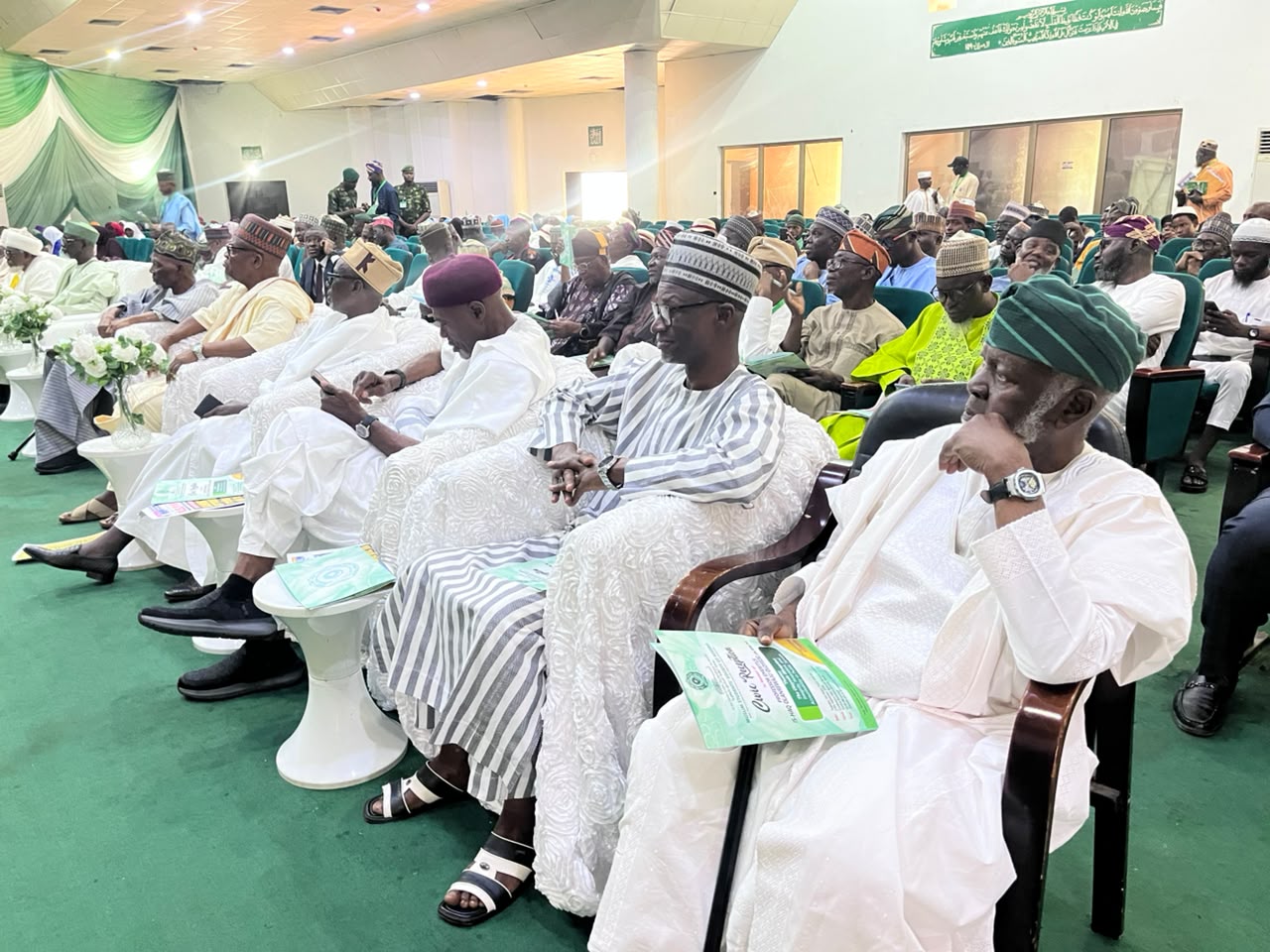
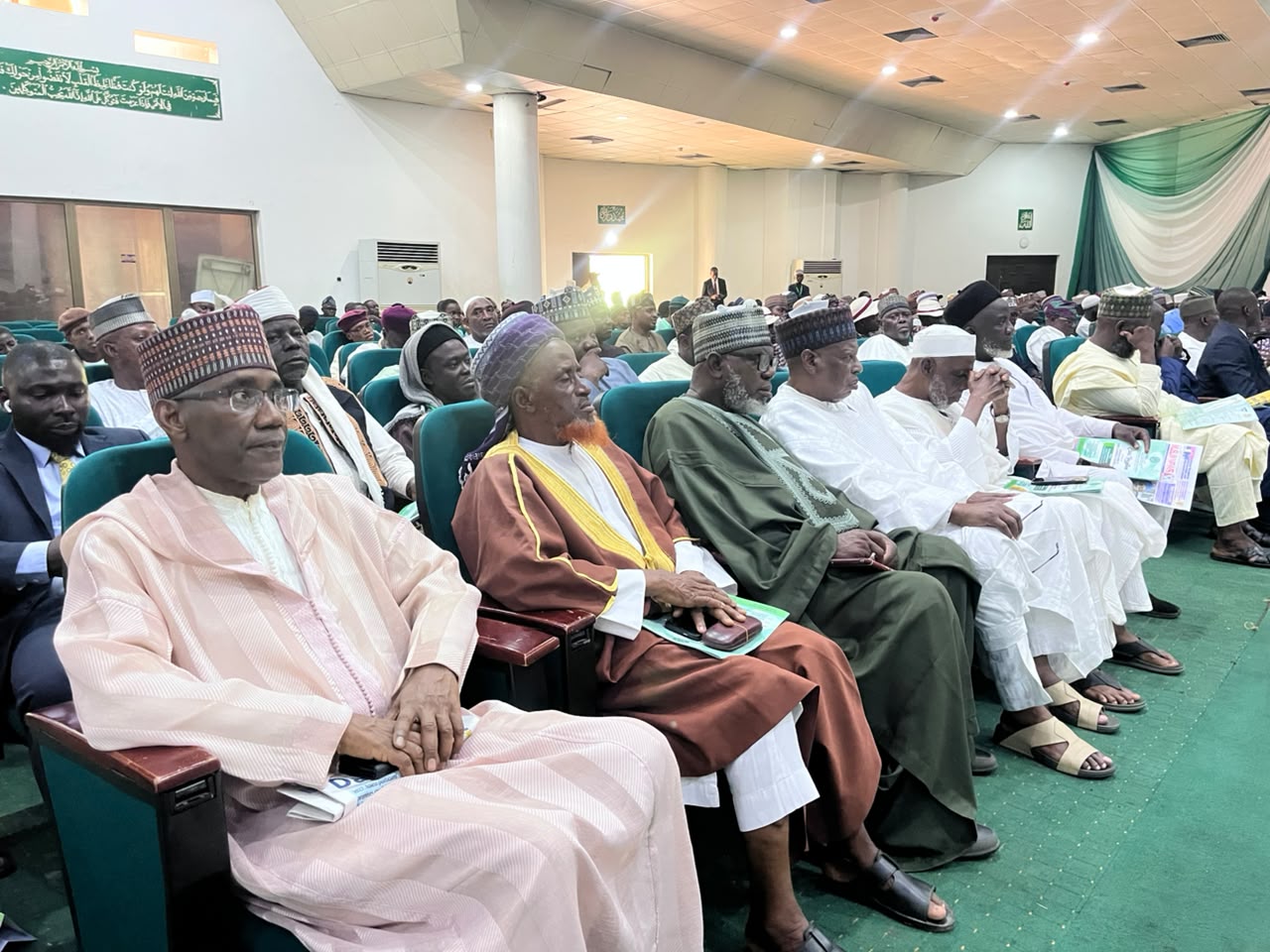
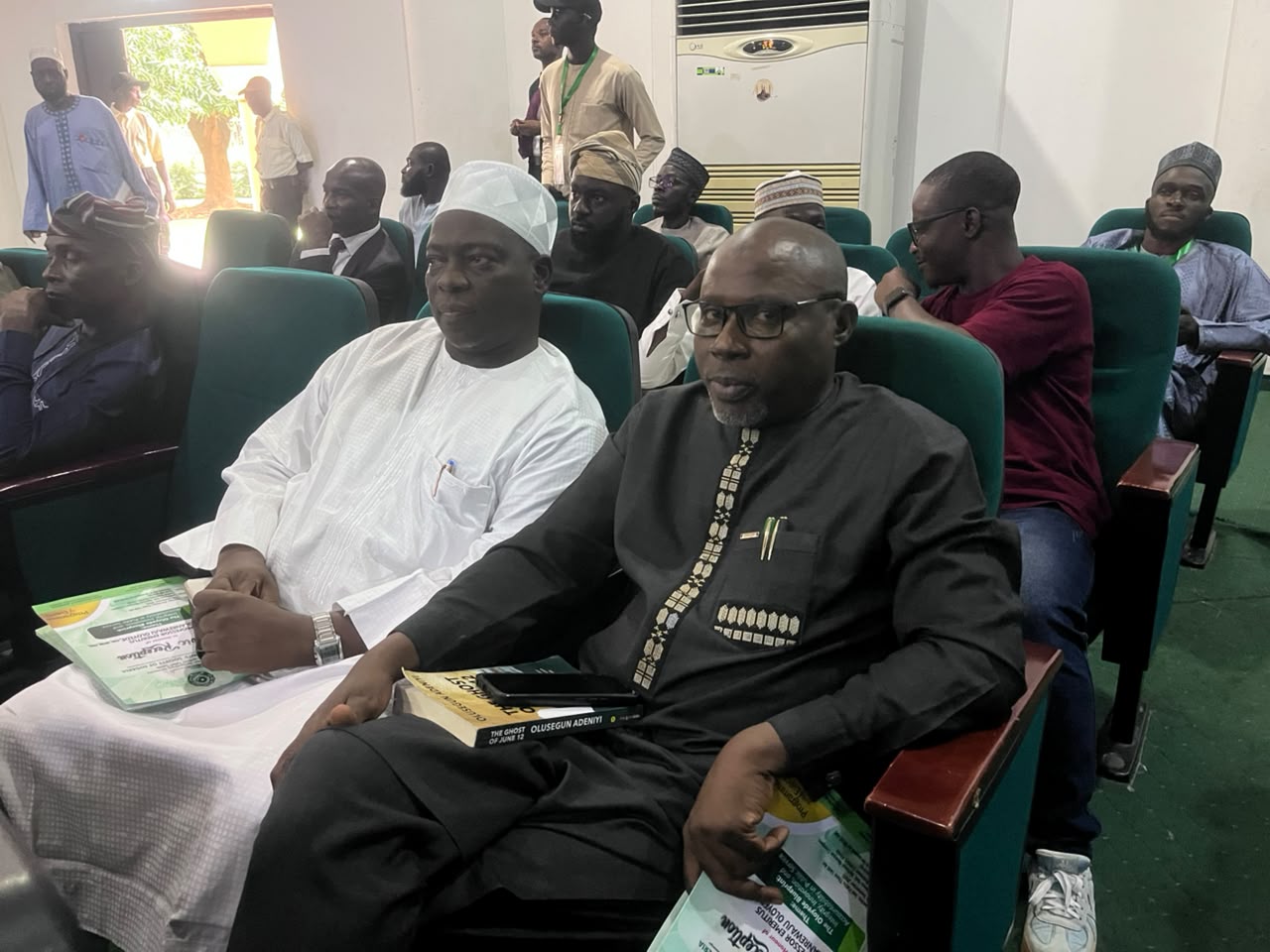
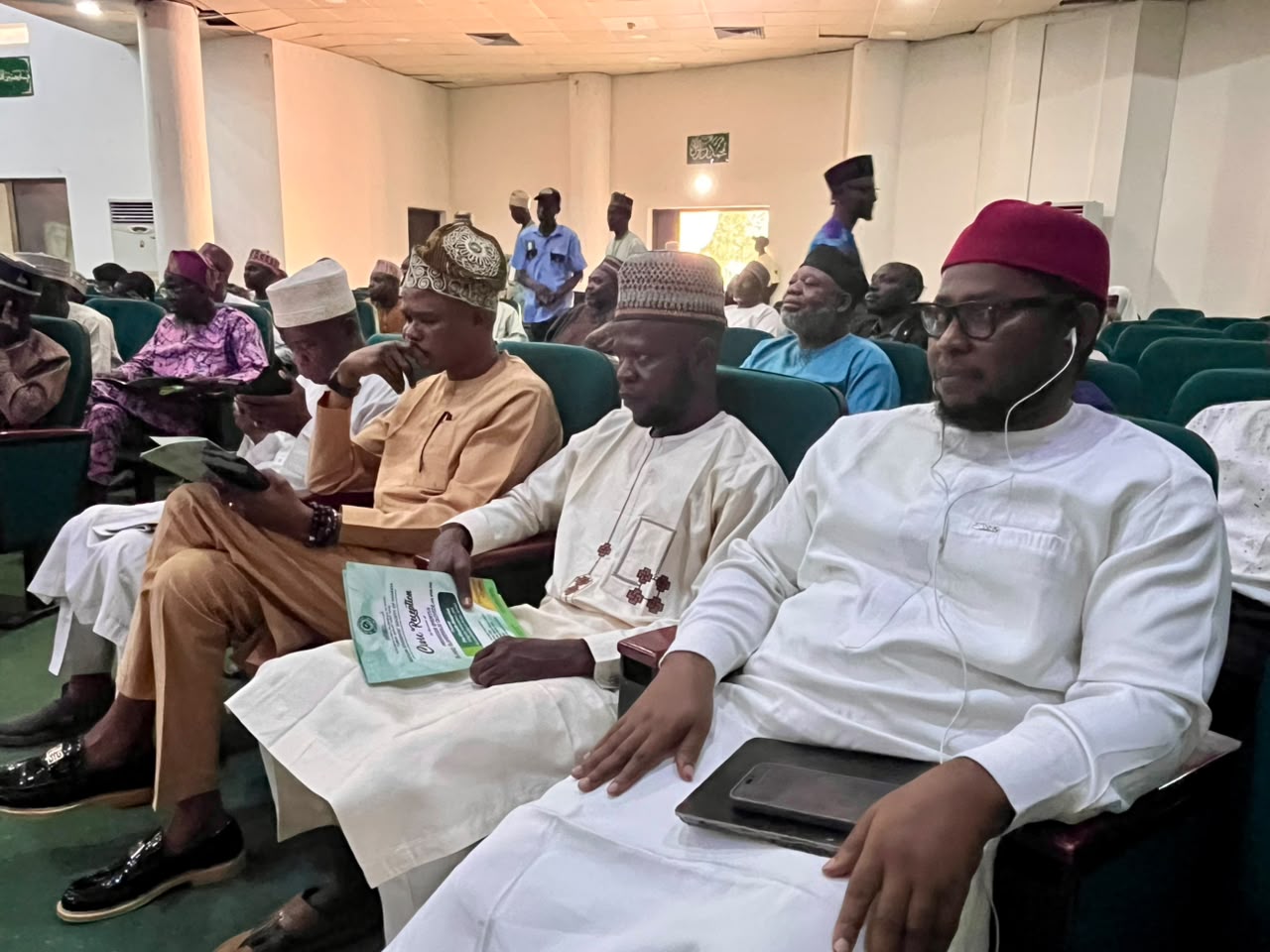
The Muslim Students’ Society of Nigeria (MSSN) has celebrated former Registrar of the Joint Admissions and Matriculation Board (JAMB), Prof. Is-haq Oloyede, with a civic reception that brought together senior public officials, scholars, academics, students and Muslim community leaders to mark his decade in public service at the examination body.
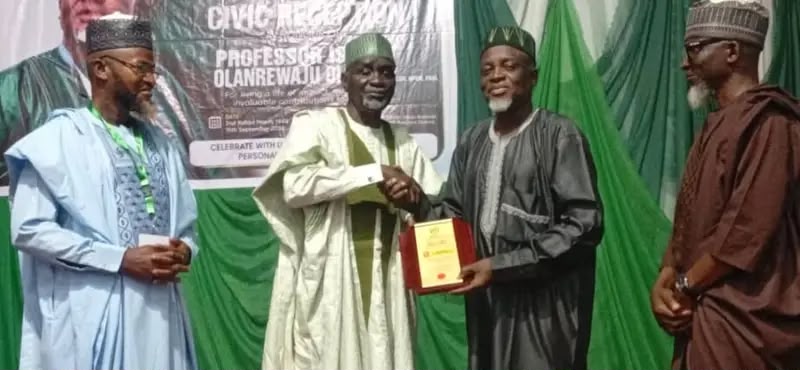
The reception, held on Tuesday under the theme “The Oloyede Blueprint: Integrity, Innovation, and Accountability in Public Service,” also produced a ₦10 million pledge from Senator Shuaib Afolabi Salisu towards a proposed leadership prize for MSSN students across tertiary institutions.
Senator Salisu, who represents Ogun Central, said the initiative would expose students to Oloyede’s record while encouraging leadership values among young people. He said he intended for the competition to begin from the next academic session.
The senator also recalled his professional association with Oloyede, particularly their work on the Central Admission Processing System at JAMB, describing the opportunity to contribute to the development of the system as one of the most remarkable experiences of his professional career.
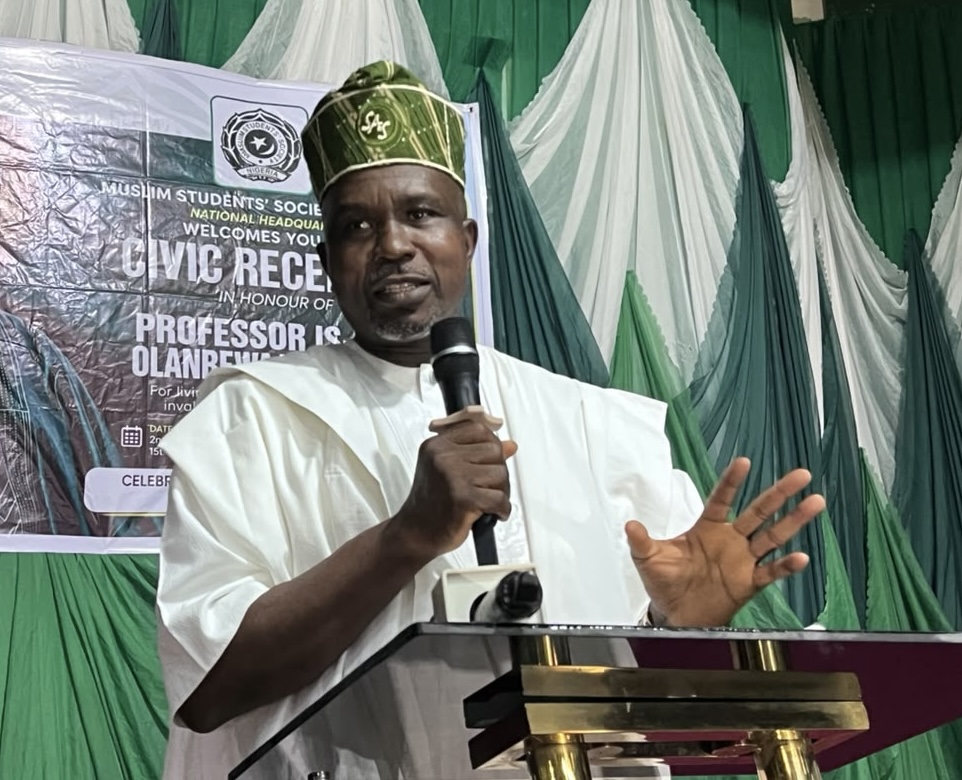
He conveyed goodwill from Ogun State and Ogun Central and urged MSSN to use the occasion not only to celebrate Oloyede but also to renew its efforts towards leadership development and institutional growth.
Oloyede, who served as JAMB registrar from 2016 to 2026, formally handed over to his successor, Prof. Segun Aina, in July after completing his two-term tenure at the board. During his tenure, JAMB expanded its use of technology and pursued reforms aimed at transparency, accountability and efficiency.
The Chairman of the Local Organising Committee, Muzammil Hanga, said Oloyede’s conduct in public office reflected the Islamic principle of amanah, which he described as treating public office as a trust rather than an avenue for personal gain.
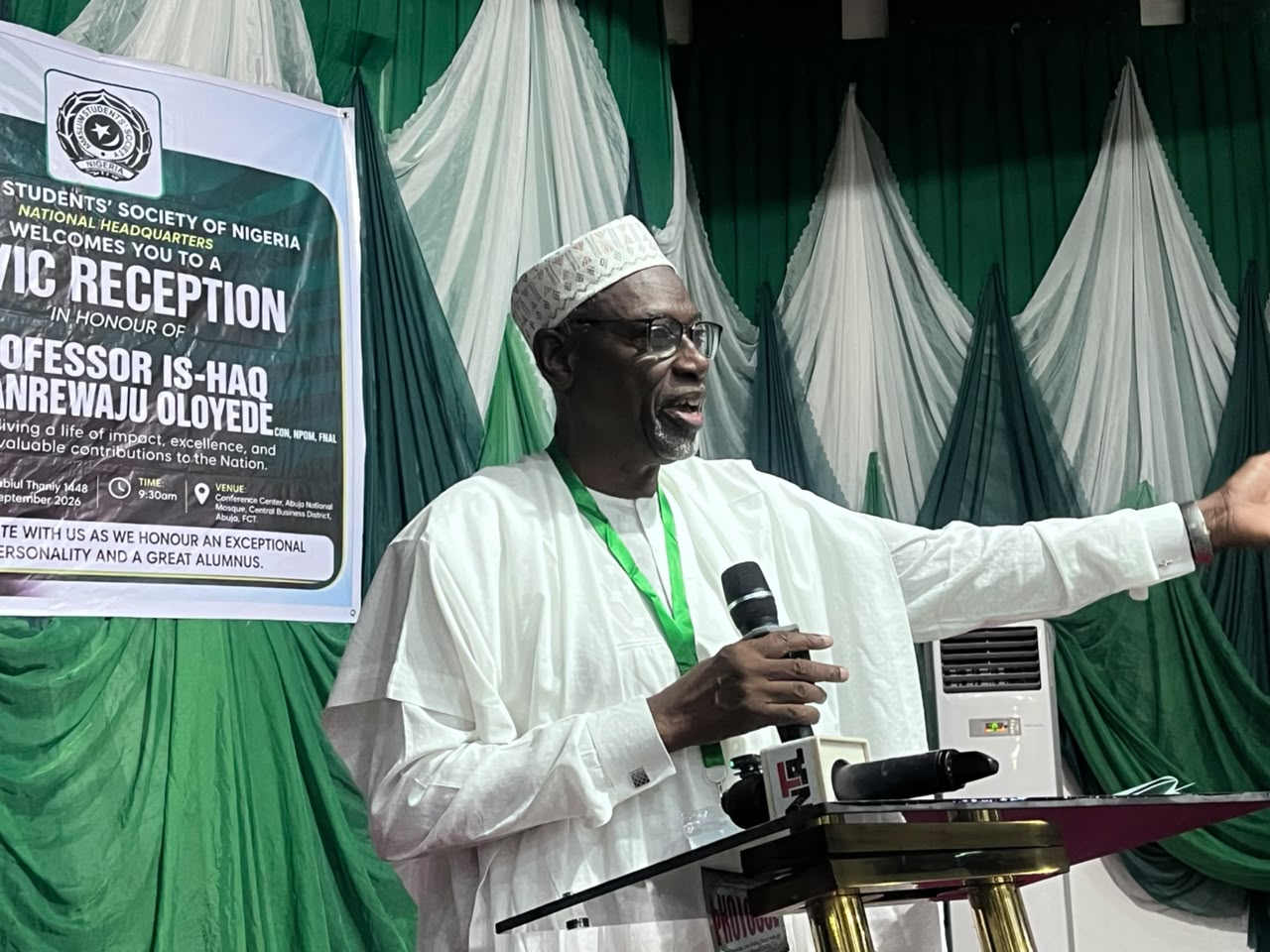
Hanga said MSSN was proud of Oloyede as a distinguished alumnus of the society and a member of its Board of Trustees.
“His life reflects many of the values MSSN seeks to cultivate in Nigerian students and young Muslims. We are therefore proud of his achievements and deeply grateful for his contributions to MSSN, the Muslim Ummah and Nigeria,” he said.
The National Amir of MSSN, Mutapha Olumide, said the reception was organised to celebrate Oloyede as a scholar, administrator and public servant whose career had been marked by integrity, innovation and accountability.
“At JAMB, he again demonstrated how technology, ingenuity, transparency, efficiency and accountability can transform a public institution,” Olumide said.
He cited Oloyede’s tenure as vice-chancellor of the University of Ilorin and his leadership of JAMB as examples of how innovation and responsible leadership could improve institutions.
Olumide said Oloyede’s record showed that integrity could be an asset in public service rather than an obstacle to achieving results.
He urged public officials to consider the long-term consequences of decisions taken while in office, saying leadership should be measured by the institutions strengthened, lives improved and systems left in better condition.
Olumide also called for public officials to regard institutions as trusts to be protected rather than avenues for personal enrichment.
The National Missioner of the Ansar-Ud-Deen Society of Nigeria, Sheikh AbdulRahman Ahmad, used the occasion to support Oloyede’s call for the revival of the old MSSN structure and stronger succession planning within the organisation.
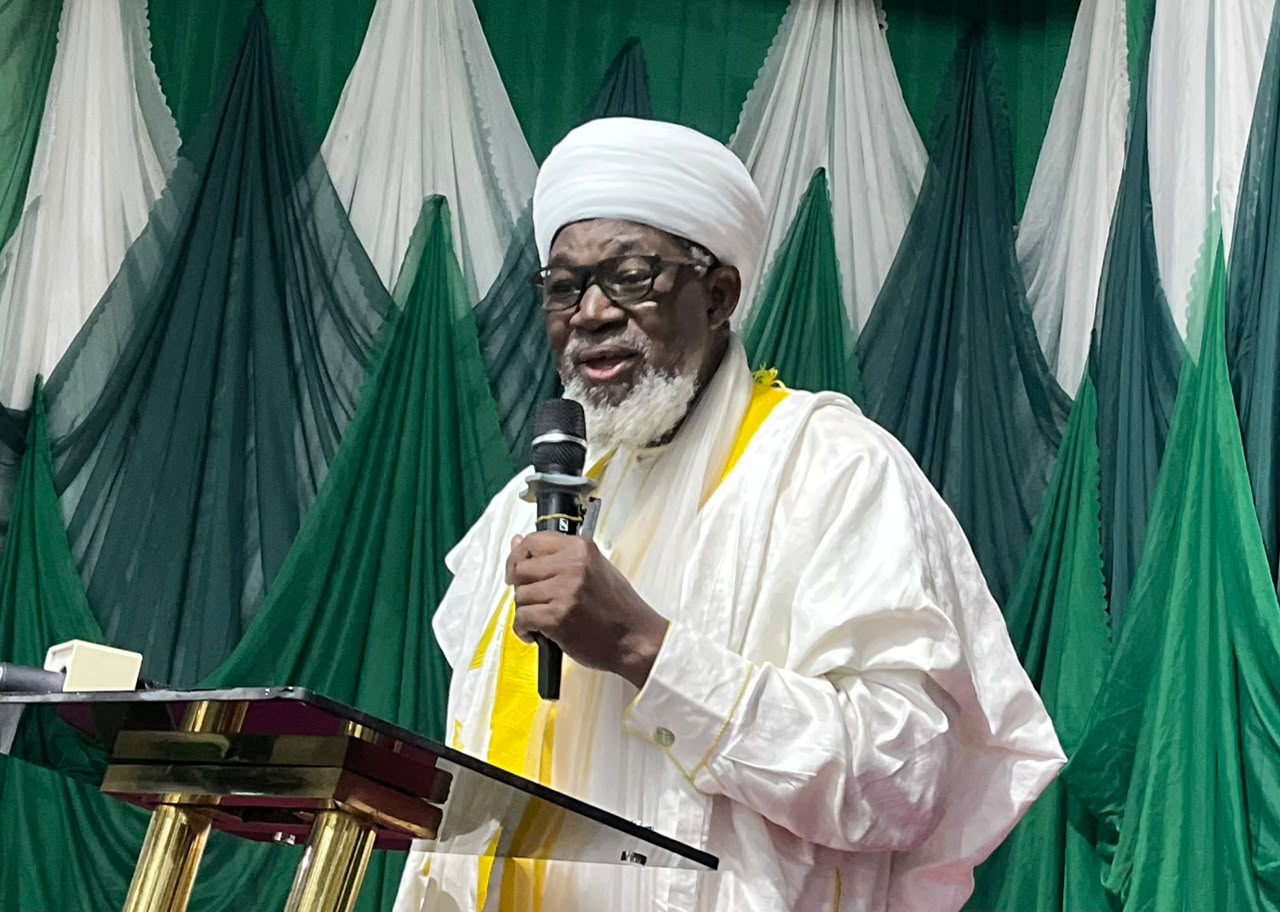
Ahmad said many prominent Nigerians associated with MSSN began their involvement in the society as teenagers and later rose to become professors, professionals, permanent secretaries, ministers and other influential figures.
“We moved this country. We shook this country. We achieved a lot. The MSSN of my days is no more,” he said.
He questioned the sustainability of an organisation in which older and accomplished professionals remained in leadership without deliberately preparing younger members to take over.
The cleric called for a succession plan that would expose young members to leadership, responsibility and service while preserving the society’s role in developing future Muslim leaders.
Ahmad also described Oloyede as an example of integrity and courage in confronting corruption, saying his career demonstrated that public officers could remain focused on their responsibilities without being driven by the pursuit of power or positions.
Former Kano State Governor Ibrahim Shekarau also congratulated Oloyede, describing him as an example and ambassador of the Muslim society.
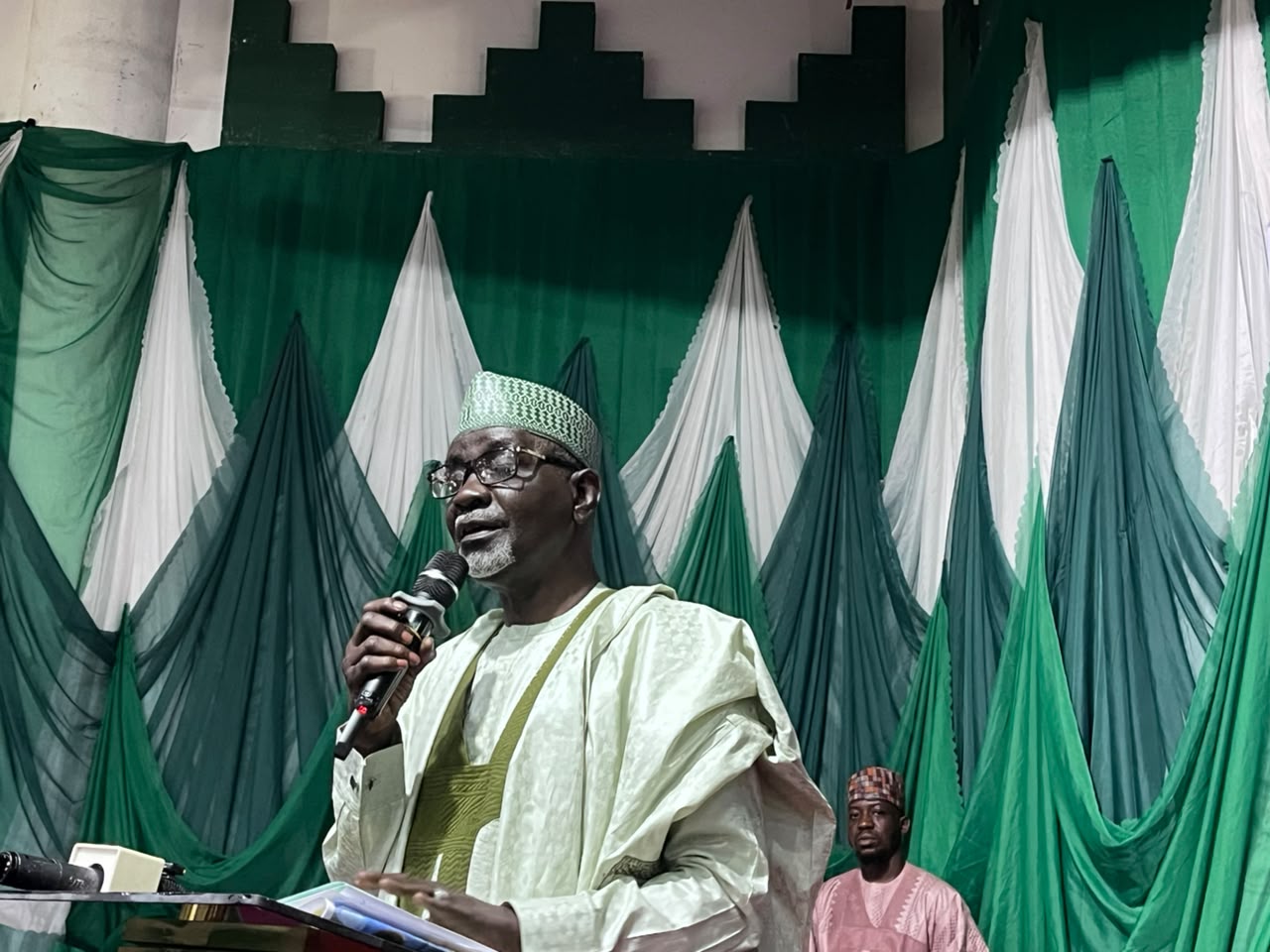
Shekarau thanked Allah for Oloyede’s service to humanity and said his tenure at JAMB demonstrated the value of hard work, commitment and service. He also commended MSSN for organising the reception.
The Chairman and Chief Executive Officer of the Nigerians in Diaspora Commission (NiDCOM), Hon. Abike Dabiri-Erewa, highlighted another dimension of Oloyede’s public service, recalling his support for Nigerian students affected by crises abroad.
Dabiri-Erewa said Oloyede supported NiDCOM when she chaired the commission and it faced operational challenges, providing space and assistance when, according to her, others were unwilling to help.
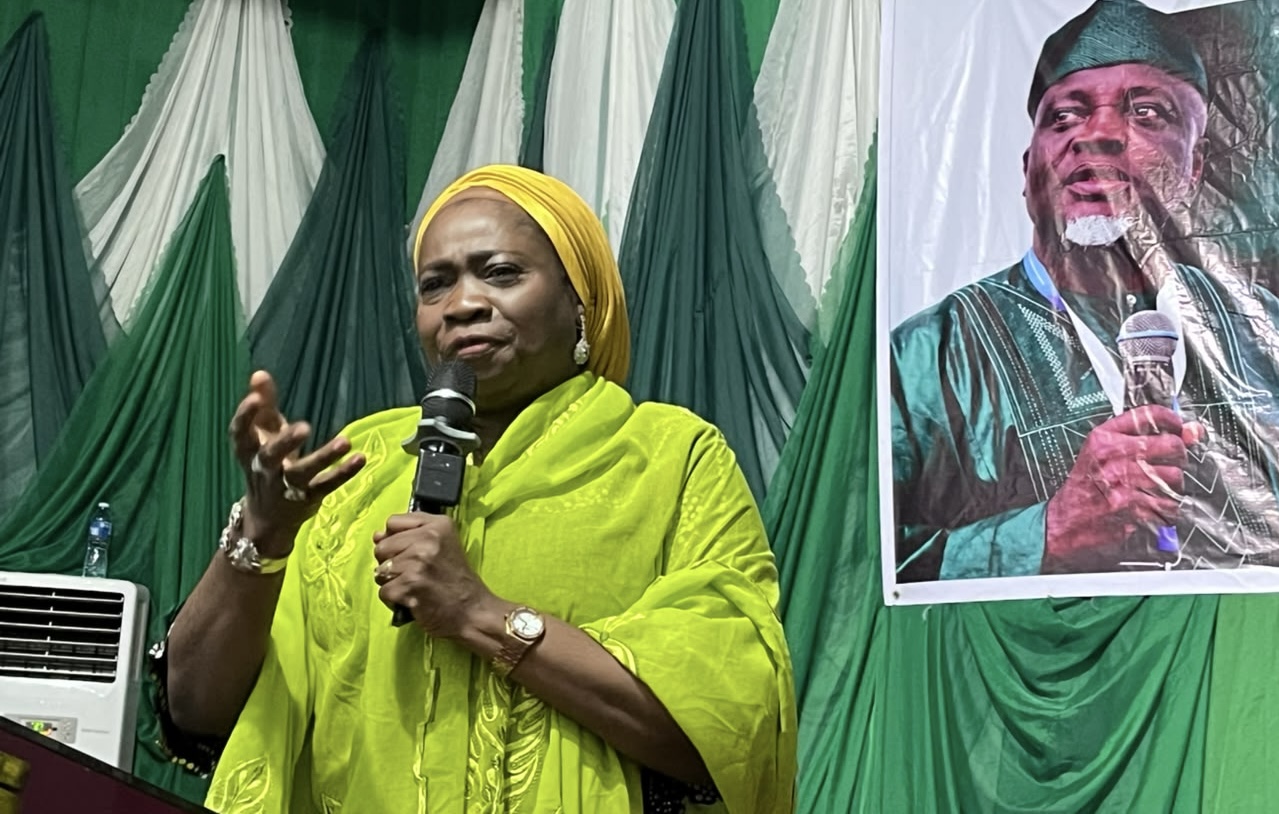
She also recalled his involvement in efforts to help Nigerian students affected by crises in countries including Sudan and Ukraine continue their education.
Oloyede and NiDCOM worked together in 2023 on arrangements to integrate Nigerian students evacuated from war-torn Sudan into tertiary institutions in Nigeria. JAMB said at the time that it would provide the necessary support and infrastructure for eligible students seeking to continue their studies in the country.
Dabiri-Erewa described Oloyede as a person of integrity, patriotism and selflessness, saying his recognition by MSSN reflected the wider significance of his public service.
Born in Abeokuta, Ogun State, on October 10, 1954, Oloyede studied Arabic and Islamic Studies before proceeding to the University of Ilorin, where he graduated with first-class honours in 1981.
He joined the university as an assistant lecturer, obtained his master’s degree in 1985 and doctorate in 1991, and became a professor of Islamic Jurisprudence in 1995.
He later held several senior positions at the University of Ilorin, including director of academic planning, deputy vice-chancellor and vice-chancellor.
As vice-chancellor, he introduced computer-based testing at the university in 2008, an innovation later adopted more widely in Nigeria’s tertiary examination system, according to the biography presented at the reception.
He also served as national coordinator and executive secretary of the Nigeria Inter-Religious Council and held leadership positions in university and international academic associations.
His appointment as JAMB registrar in 2016 took him from university administration to one of Nigeria’s most closely watched public institutions.
Over his decade at the board, JAMB expanded technology-driven examination and admission processes while pursuing measures aimed at improving transparency and accountability. Oloyede himself said at his July handover that his greatest achievement was leaving the board better than he found it.
The biography presented at the MSSN reception credited his administration with significant improvements in the board’s financial remittances to government and said his performance attracted commendations from the Presidency and National Assembly.
Oloyede has received several national and international honours, including the Commander of the Order of the Niger (CON), National Productivity Order of Merit and UNESCO’s 2022 award for Best Advocate of Equal Opportunity in Higher Education in Africa.
He is also Secretary-General of the Nigerian Supreme Council for Islamic Affairs (NSCIA) and has authored, co-authored and edited works covering religion, Islamic studies, peace studies, education and jurisprudence.
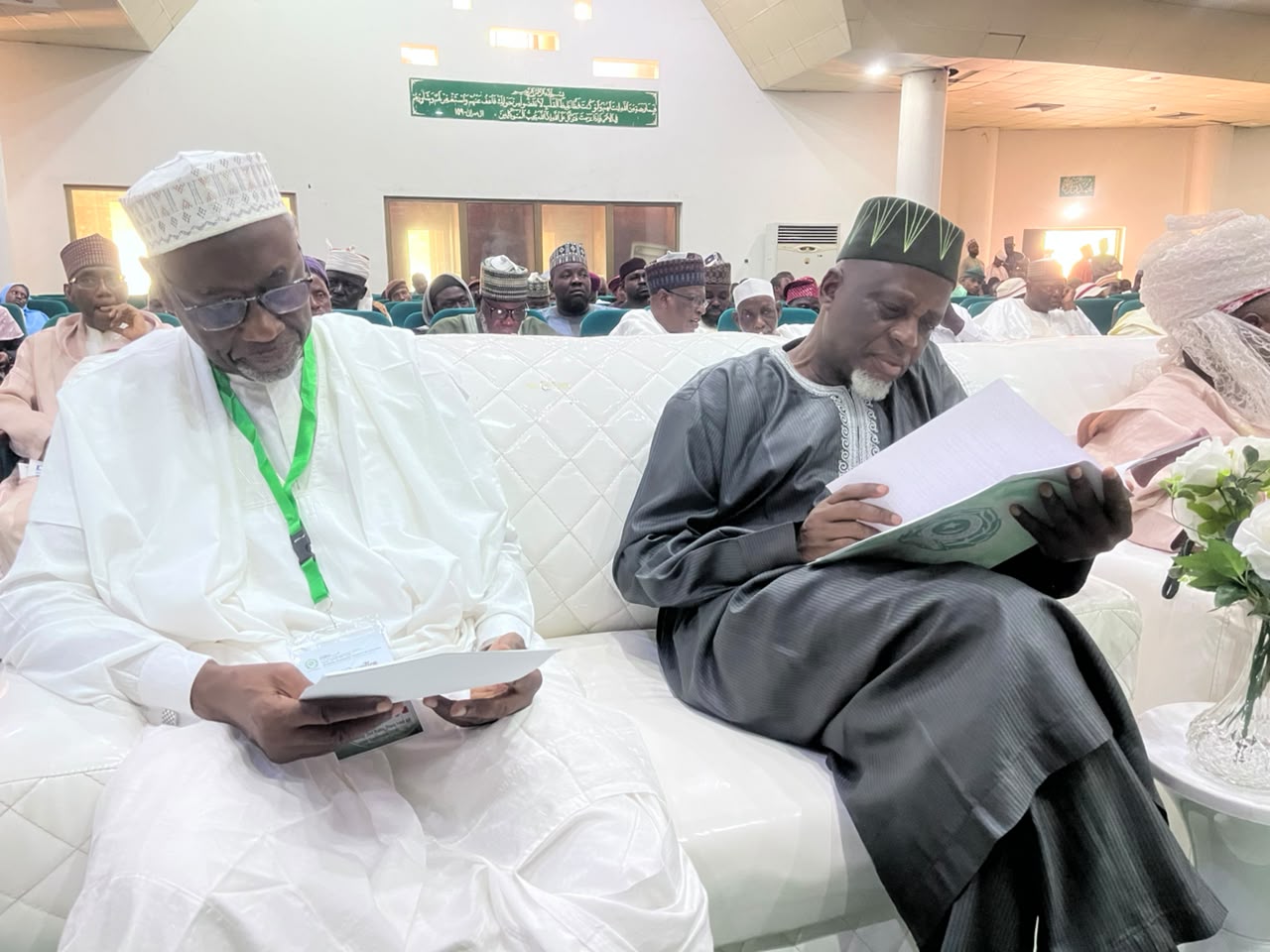
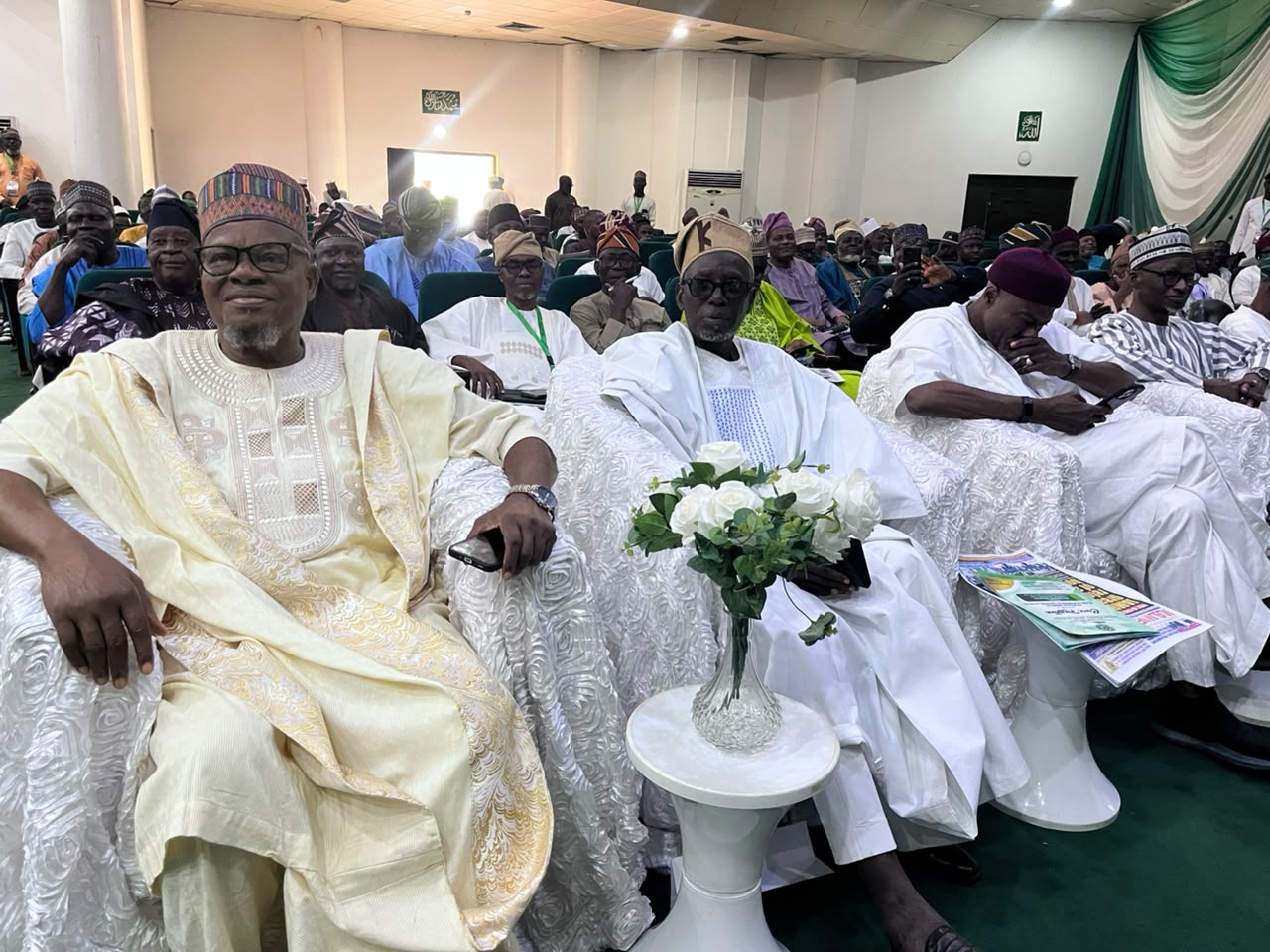
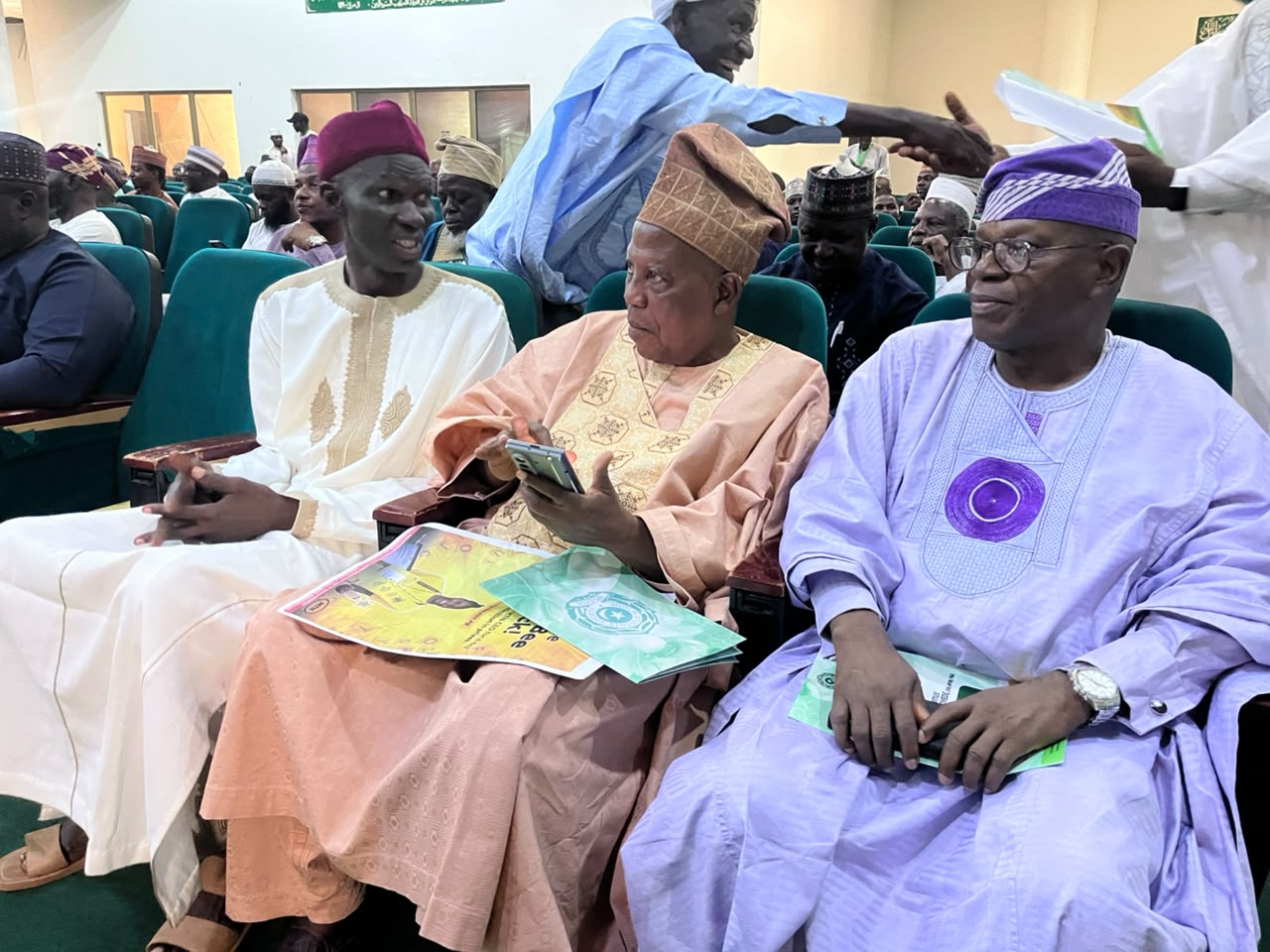
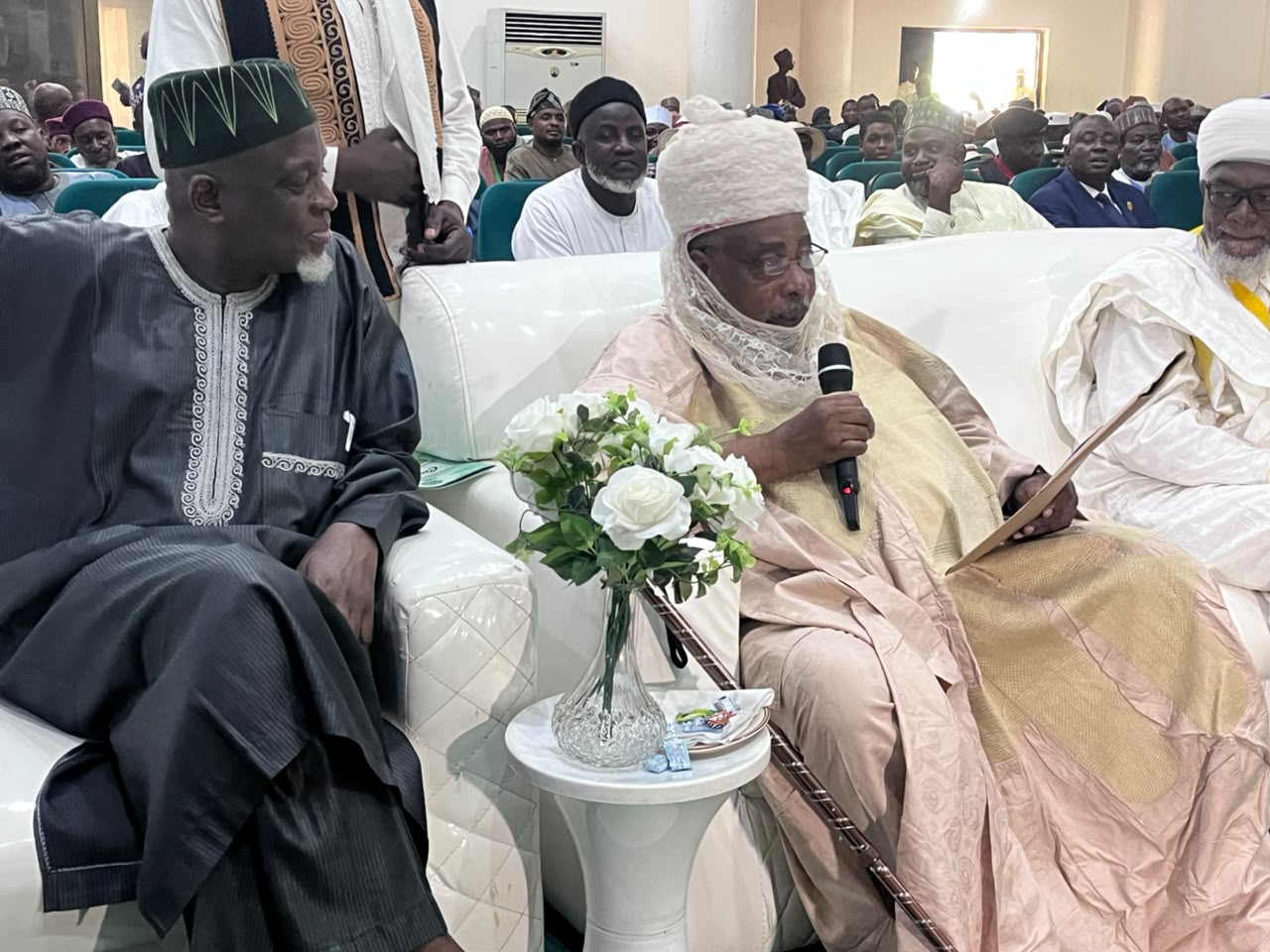
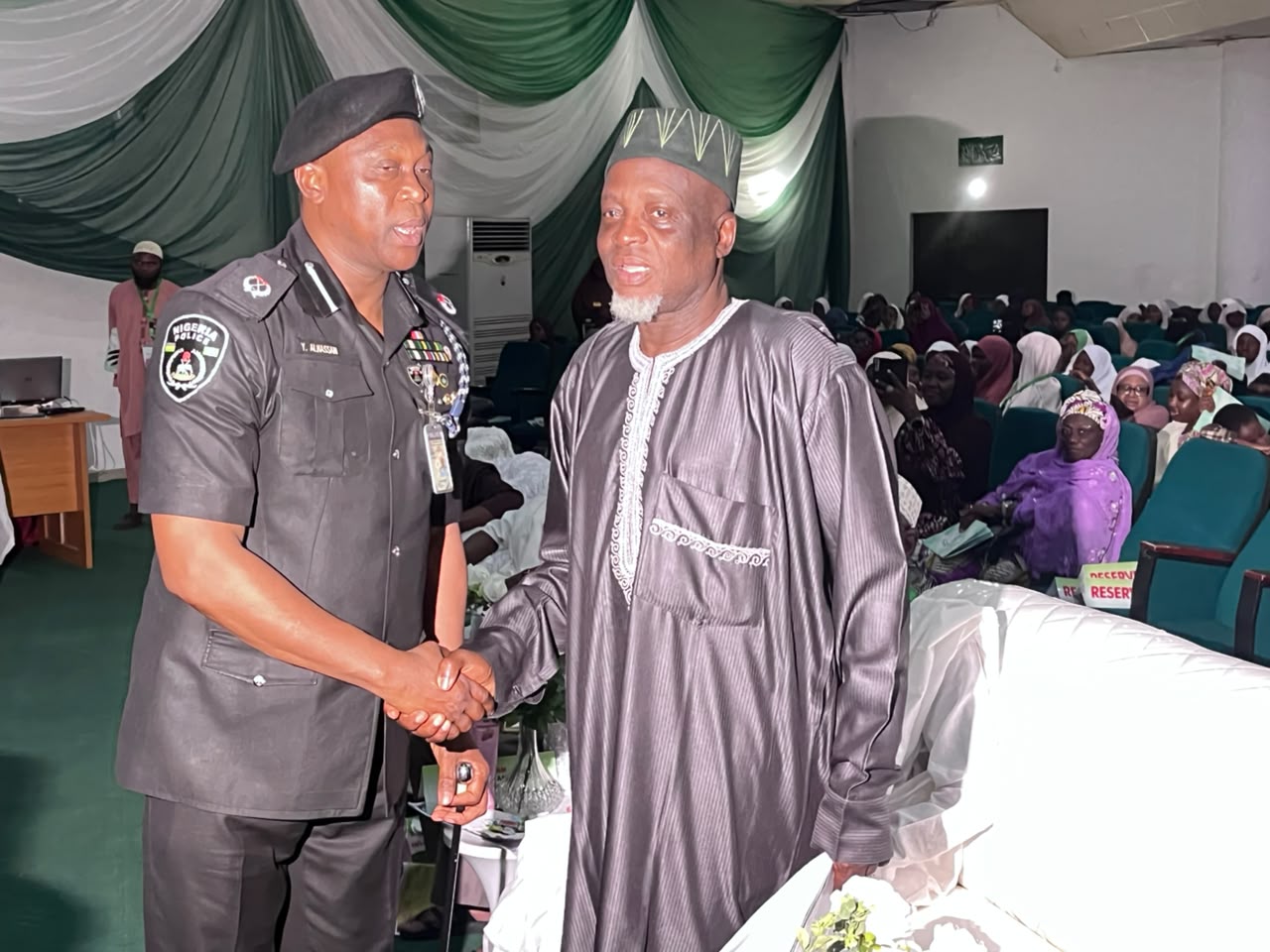
The reception drew prominent figures from public service, academia, law, journalism and the Muslim community, including Director-General of the Department of State Services, Oluwatosin Ajayi; Chairman and Chief Executive Officer of the Nigerians in Diaspora Commission, Hon. Abike Dabiri-Erewa; Senator Shuaib Afolabi Salisu; Professor Yusuf Ali, SAN, FCIArb, the first Kuliya Ngeri of Ilorin; veteran journalist Alhaji Liad Tella; veteran journalist Alhaji Nojeem Jimoh; Alhaji Abdur-Rahman Adekunle Balogun (ARAB), Imam Fuad Adeyemi, Executive Director of the Al-Habibiyyah Islamic Society, Abuja, and many others.
Photos:
SPONSORED

SPONSORED

SONSORED
