
Jaiz Foundation Marks 10th Zakat Distribution in Abuja
Islamic scholars and development experts call for zakat to be strengthened as a tool for poverty reduction as Jaiz Foundation distributes support to more than 100 beneficiaries in Abuja amid rising economic pressure.
By Abdullahi Yusuf
At the national mosque in Abuja, the 10th annual zakat distribution ceremony of the Jaiz Charity and Development Foundation unfolded against a backdrop of rising economic strain, as clerics, development practitioners and beneficiaries gathered around a system increasingly being positioned as an alternative welfare mechanism in Nigeria.
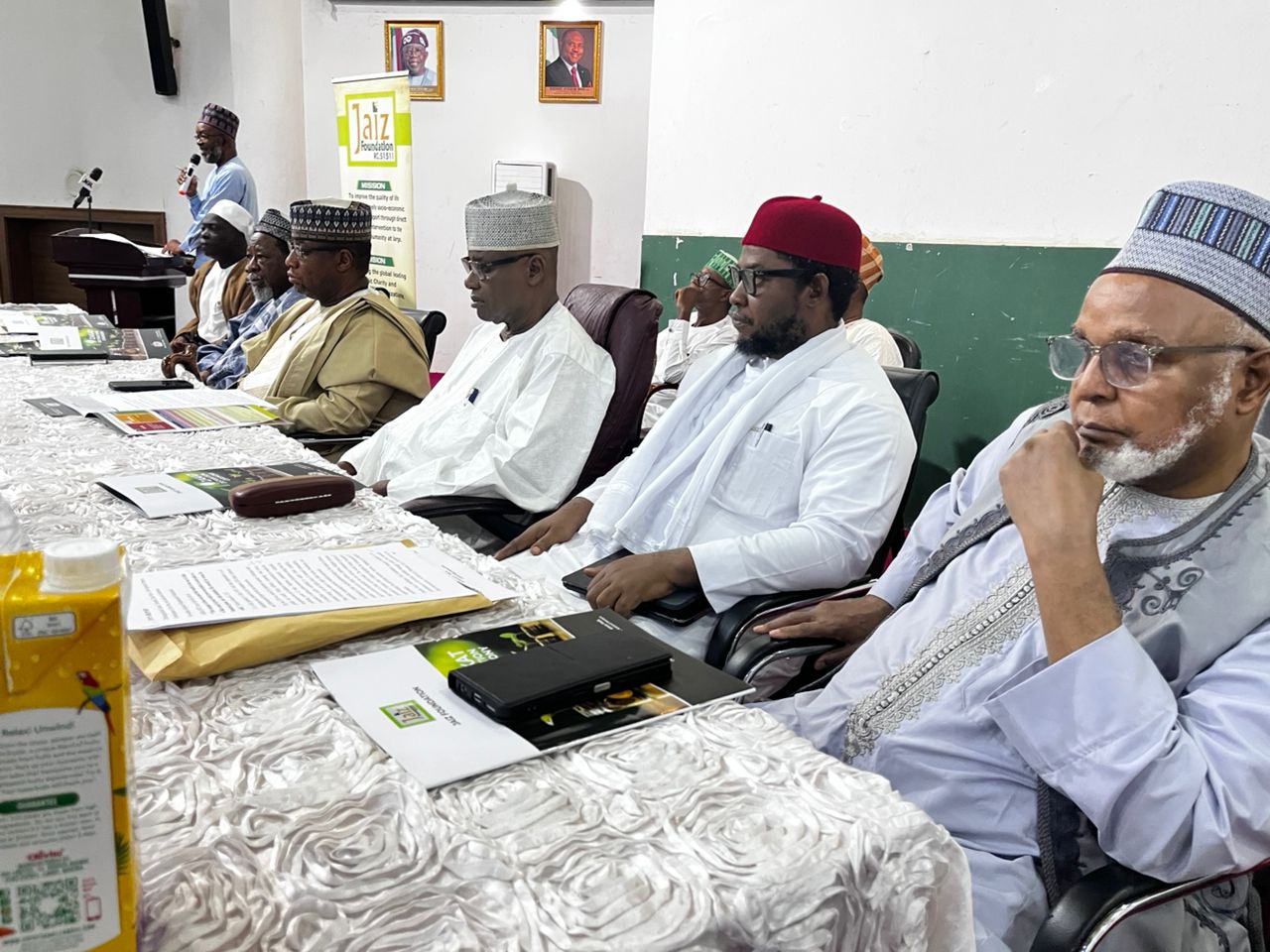
The foundation, which operates as a Shari’ah-compliant waqf-based institution established in 2012, has in recent years expanded its interventions beyond traditional almsgiving into education support, healthcare assistance, small business empowerment, housing and emergency relief programmes.
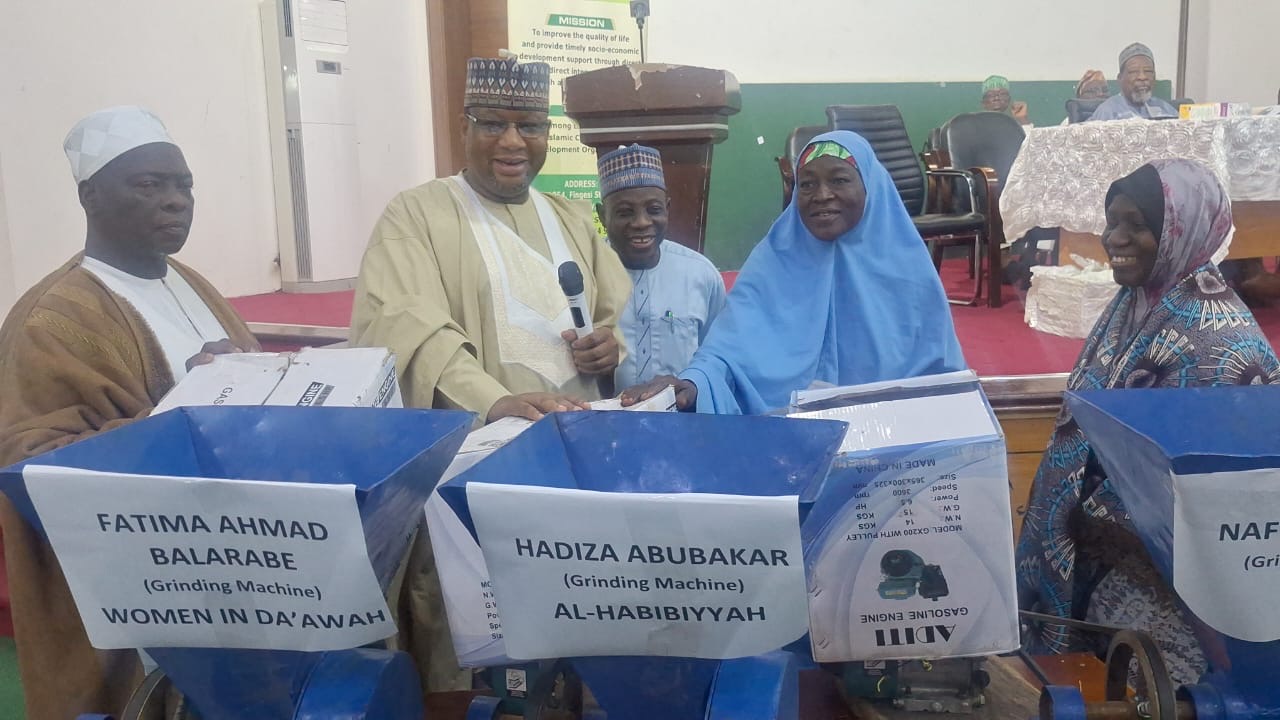
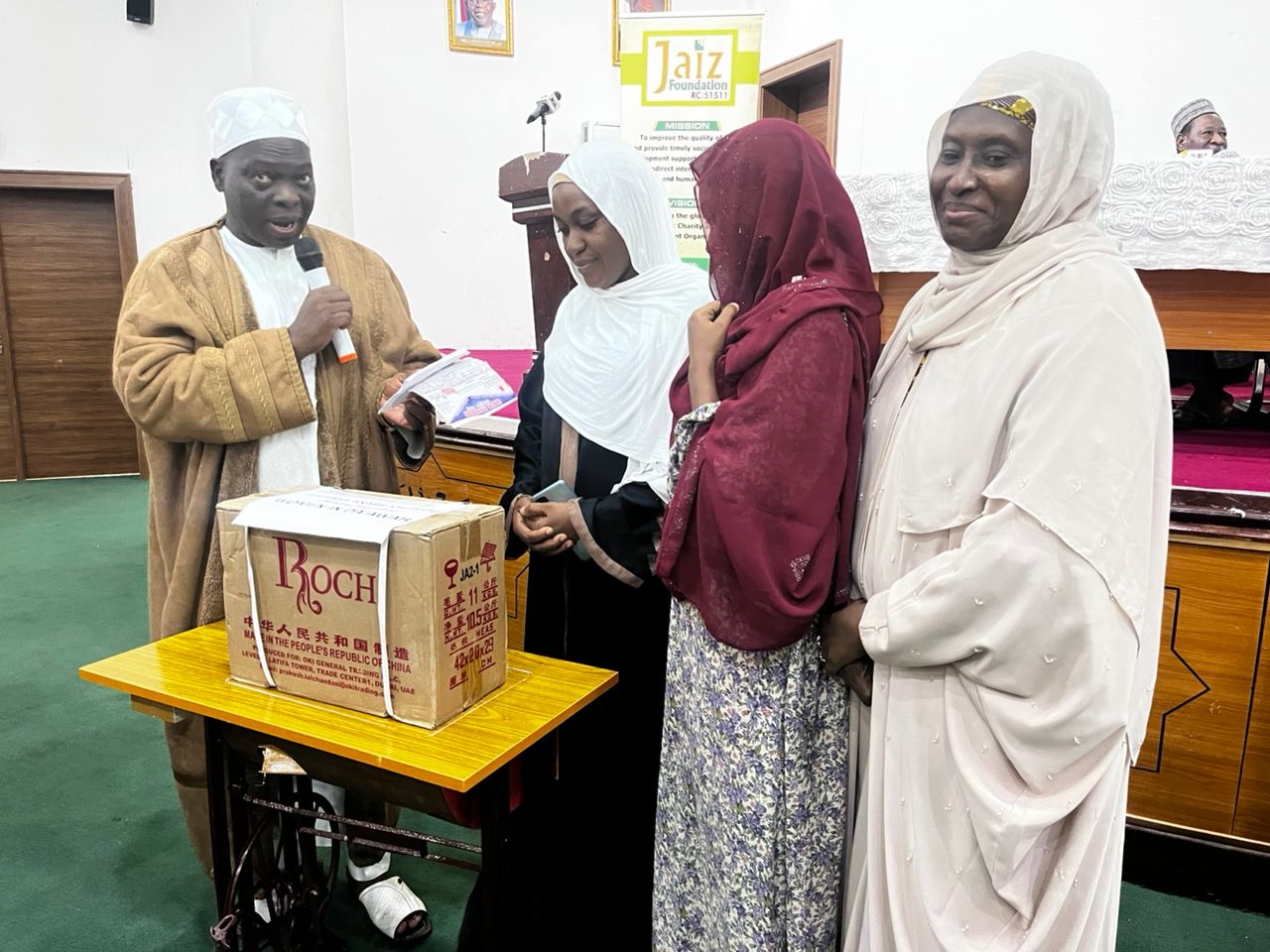
This year’s event brought together beneficiaries drawn from across the Federal Capital Territory and several other states, including widows, orphans, persons with disabilities and low-income households receiving both financial assistance and livelihood tools aimed at restoring basic economic stability.
Officials say 132 beneficiaries across 24 locations received interventions valued at more than ₦45 million in the latest cycle.

Inside the mosque complex, the mood was both ceremonial and pragmatic, as speakers repeatedly returned to one central theme: whether zakat in Nigeria can evolve from individual charity into a structured instrument for poverty reduction.
Chairman of the Foundation, Alhaji Dr, Adamu Bello, told attendees the organisation had recently faced operational challenges but had resumed its zakat programme following renewed support from contributors and partners.
He said delays in distribution were linked to the timing of collections during Ramadan, which meant disbursement could only be completed months later. Despite those constraints, he insisted the foundation remained committed to transparency and accountability in managing Islamic social finance.

The chairman urged beneficiaries to use the support productively, while appealing to wealthy individuals and institutions to strengthen contributions to humanitarian causes.
Delivering a lecture at the event, Imam of the Abuja national mosque, Barr, Muhammad Haroun Eze described zakat as a compulsory pillar of Islam with direct implications for economic balance, wealth redistribution and social stability.
He warned that poverty, if left unaddressed, could undermine both social cohesion and religious practice, arguing that zakat functions within Islamic tradition as a structured system rather than voluntary charity.
He also expressed concern over what he described as reluctance among eligible Muslims to fulfil zakat obligations despite increasing levels of wealth. “The system is not designed to reduce wealth, but to purify it and redistribute it,” he said.
The imam urged Islamic institutions to shift focus from short-term relief towards long-term empowerment models capable of transforming beneficiaries into future contributors.
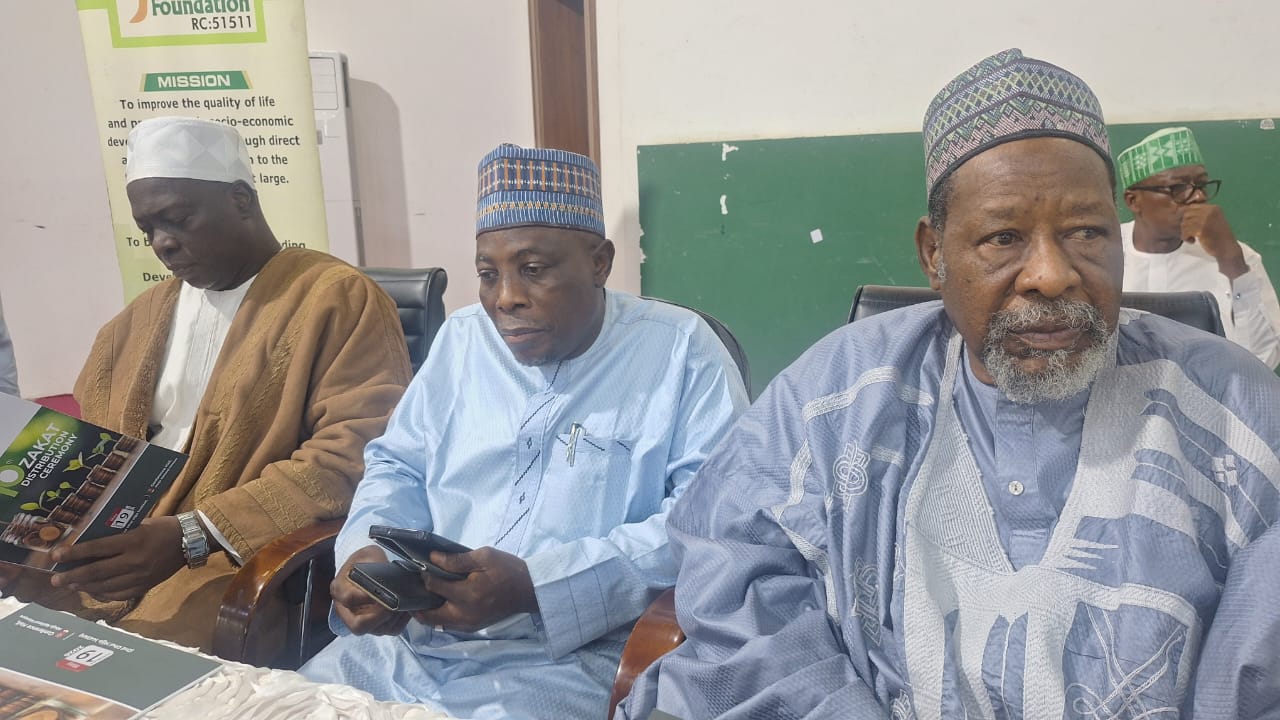
In an address delivered by the special guest of honour, Dr. Shehu Balarabe Kakale praised the foundation’s documentation and transparency systems, describing them as essential for building public trust in zakat administration.
He said Islamic social finance should be viewed not only as charity but as a development tool capable of addressing structural poverty, unemployment and education gaps.
Dr Kakale proposed the creation of a national zakat index to track collection, distribution and impact across Nigeria, arguing that such a framework would improve accountability and deepen participation.

Presenting the foundation’s annual report, Chief Executive Officer Mukhtar Sani Abdulkadir situated the 2026 interventions within a broader economic downturn marked by inflation, rising food prices and escalating living costs.
He said global economic instability and geopolitical tensions had further intensified pressure on supply chains, contributing to higher prices of essential goods.
According to him, the most severe impact continues to be felt by widows, orphans and low-income households, many of whom now spend the majority of their income on basic survival needs.
Despite this, he said the foundation had expanded its intervention reach, providing support across education, economic empowerment, healthcare, accommodation and religious outreach programmes.
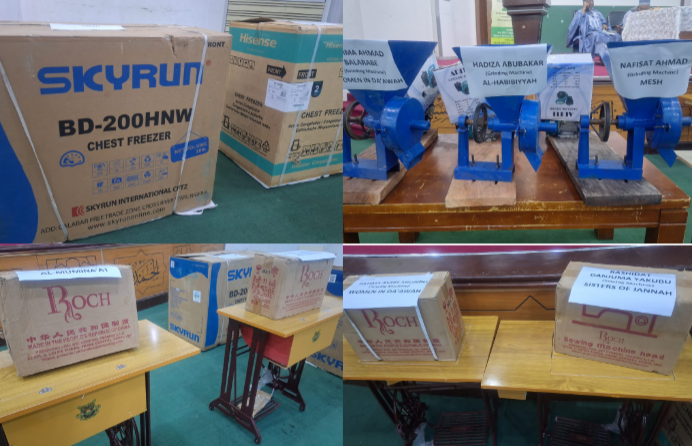
He added that empowerment tools such as sewing machines, grinding machines and deep freezers formed part of a deliberate shift towards income-generating support rather than one-off relief.
“These interventions are expected to restore dignity and create pathways to self-reliance,” he said.
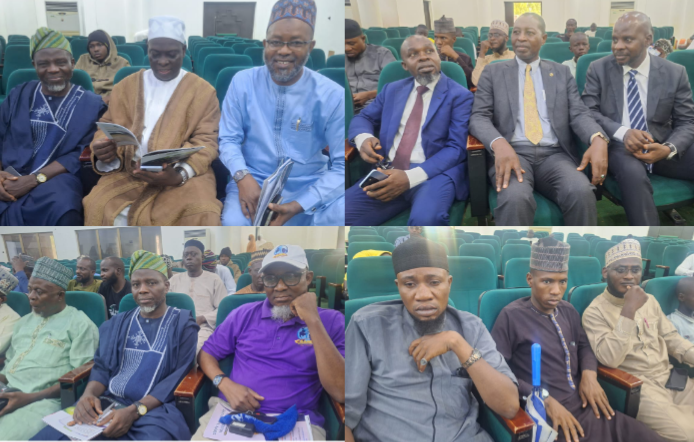
The ceremony drew participation from a wide network of Islamic organisations and civil society groups, including Al-Habibiyyah Islamic Society, Abuja Muslim Forum, MESH Abuja, Women in Da’wah and Sisters of Jannah, alongside members of the foundation’s board, management committee and zakat distribution panel.
Among dignitaries present were senior administrators and religious leaders involved in Islamic social welfare coordination in Abuja and beyond.
More Photos:





SPONSORED

SPONSORED

SONSORED
