
Iran Warns U.N. Nuclear Watchdog Against ‘Political Messaging’ over Hormuz crisis
Tehran warns U.N. nuclear watchdog to stay out of Gulf politics as tensions over shipping blockade and regional conflict intensify
By Abdullahi Yusuf
Iran has accused the International Atomic Energy Agency (IAEA) of straying beyond its technical mandate, warning that the United Nations nuclear watchdog risks damaging its credibility by engaging in what Tehran described as politically charged commentary over the escalating Strait of Hormuz crisis.
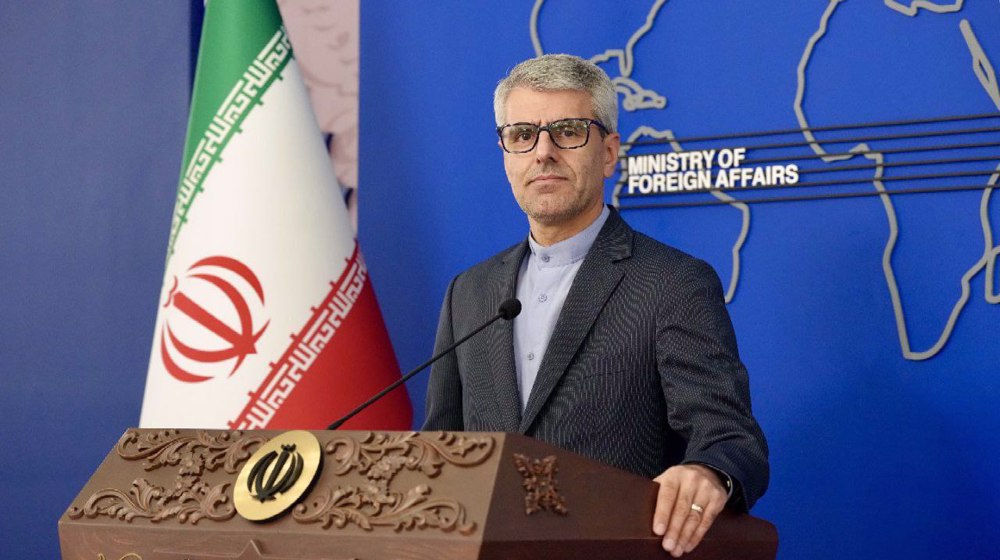
The criticism came from Iranian Foreign Ministry spokesman Esmail Baghaei, who issued a strongly worded statement on social media on Sunday targeting recent remarks made by IAEA Director General Rafael Grossi.
In a post published on X, Baghaei said the agency’s responsibility was limited to nuclear verification and oversight, insisting it should not involve itself in wider geopolitical disputes, military issues, or regional security debates.
“The IAEA’s mandate is verification, not political messaging about the Strait of Hormuz, Iran’s missiles, or how Tehran should conduct itself,” he wrote.
The Iranian spokesman further warned that international organisations lose public trust and institutional authority when neutrality is sacrificed for political considerations or individual ambitions.
“When professional impartiality is compromised for political signaling or personal ambition, institutions erode their credibility and, over time, their effectiveness as well,” he added.
The comments underscore growing tensions between Tehran and international bodies amid an increasingly volatile confrontation involving Iran, the United States, and Israel in the Gulf region.
Baghaei’s remarks followed recent comments by Grossi, who described the unfolding crisis in West Asia as “dangerous” and potentially more severe than the global oil shocks witnessed during the 1970s energy crisis.
Grossi reportedly argued that reopening the Strait of Hormuz would be the most effective step toward easing mounting pressure on global energy markets. He also warned of worsening fuel shortages across parts of Asia and called for urgent international efforts to stabilise maritime trade routes.
The Strait of Hormuz remains one of the world’s most strategically important waterways, serving as a critical corridor for global oil and liquefied natural gas exports. Any disruption to shipping through the narrow passage has immediate implications for energy prices and international supply chains.
Iran moved to shut the strait to what it described as hostile states and their allies following what Tehran called an unprovoked joint U.S.-Israeli attack on the Islamic Republic on 28 February.
Since then, Iranian authorities have imposed tighter maritime controls in and around the waterway, particularly after U.S. President Donald Trump announced a blockade targeting Iranian ports and commercial vessels last month.
Tehran maintains that the American measures violate the terms of a Pakistan-brokered ceasefire agreement that came into force on 8 April and was later extended unilaterally by Washington.
Despite the blockade and heightened naval tensions, Iranian officials insist that exports linked to the country’s crude oil shipments are continuing, suggesting Tehran has so far managed to sustain parts of its energy trade network despite international pressure.
The latest exchange highlights the widening diplomatic rift between Iran and Western-backed institutions at a time when fears are growing over regional instability, energy security, and the risk of further military escalation in the Gulf.
With additional information from MNTV
SPONSORED

SPONSORED

SONSORED
