
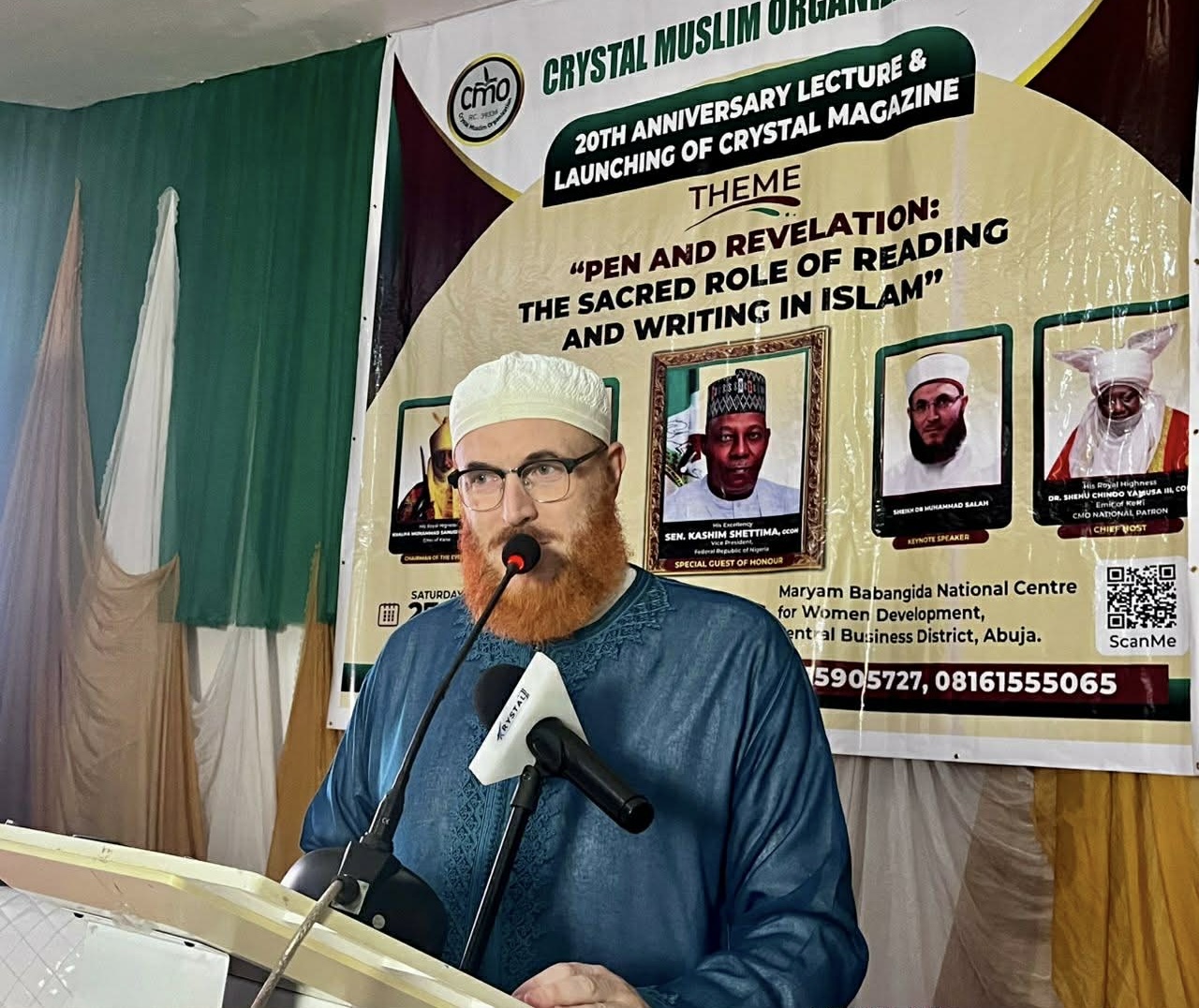
Iqra Was a Command to Build Civilisation – Sheikh Muhammad Salah
Iqra ‘Read’ was never just about literacy, the international scholar says, arguing that the Qur’an’s first revelation calls Muslims to pursue both religious understanding and scientific knowledge
By Abdullahi Yusuf
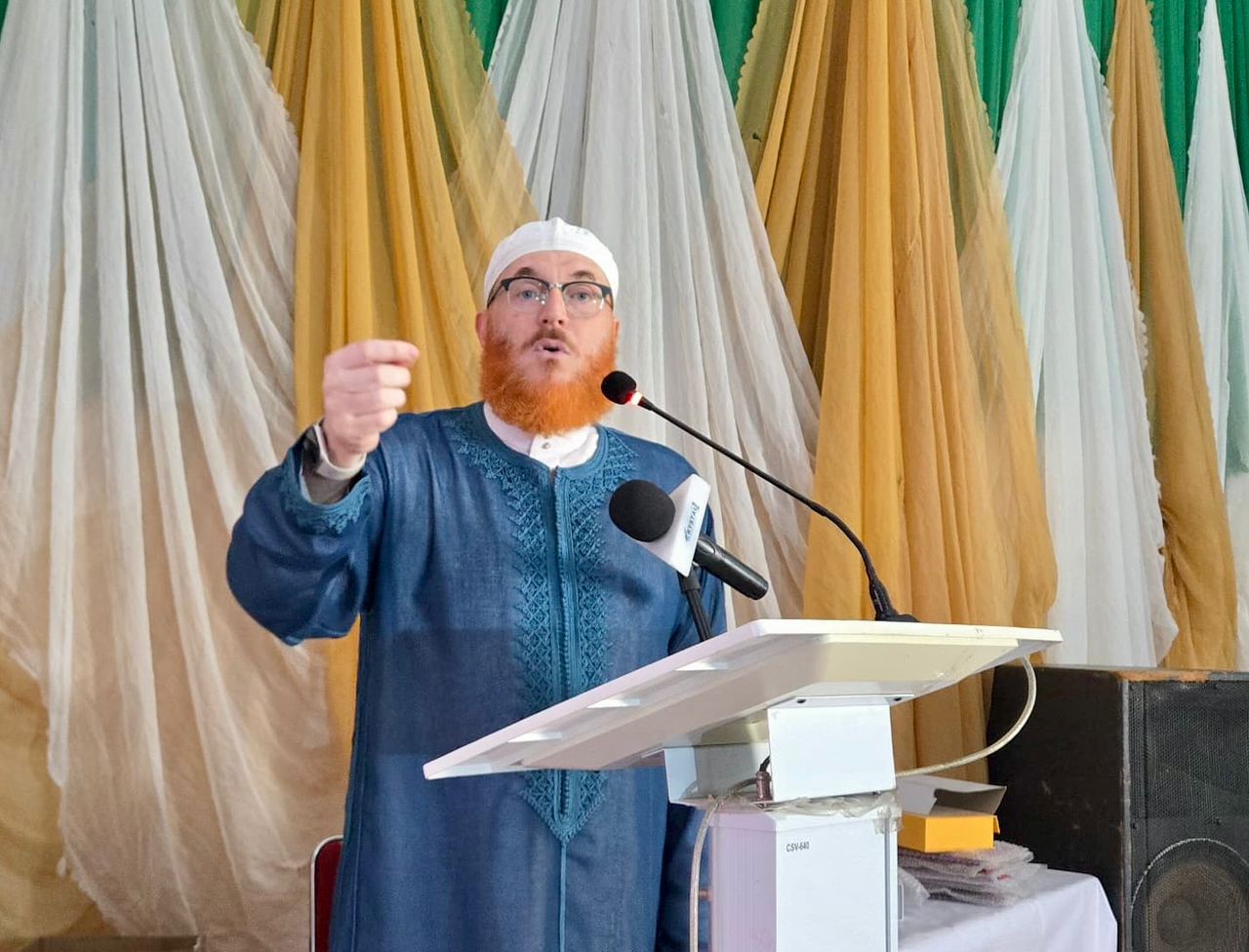
International Islamic scholar Dr Muhammad Salah has urged Muslims to reclaim what he described as Islam’s long tradition of intellectual leadership, arguing that the Qur’an calls believers not only to religious scholarship but also to excellence in medicine, engineering, technology and the sciences.
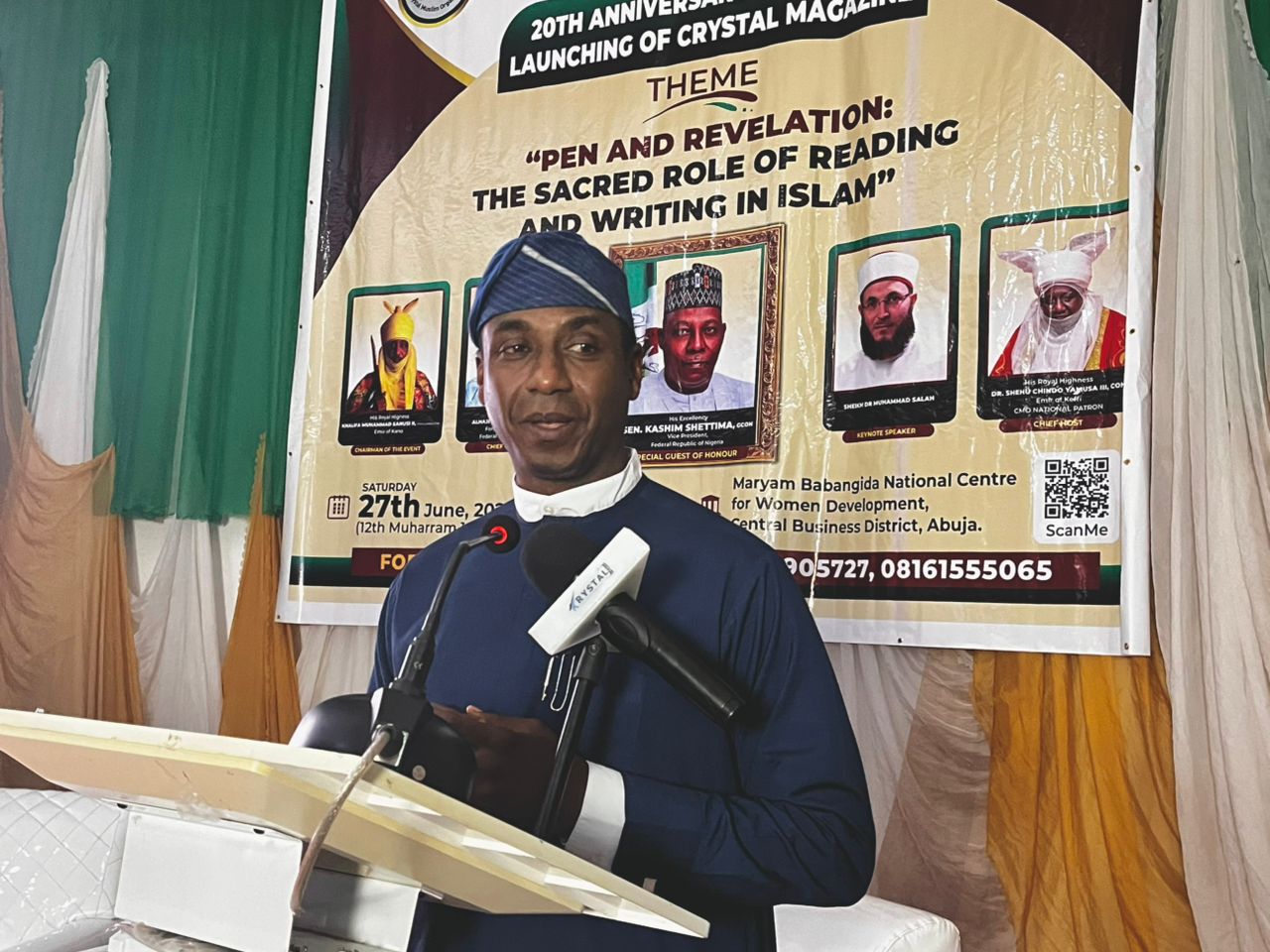
Delivering the lecture at the Crystal Muslim Organisation’s (CMO) 20th Anniversary Celebration in Abuja on Saturday, the scholar said the first revelation to Prophet Muhammad “Read” represented a comprehensive command to pursue knowledge in all beneficial fields and should not be narrowly interpreted as an instruction limited to religious learning alone.
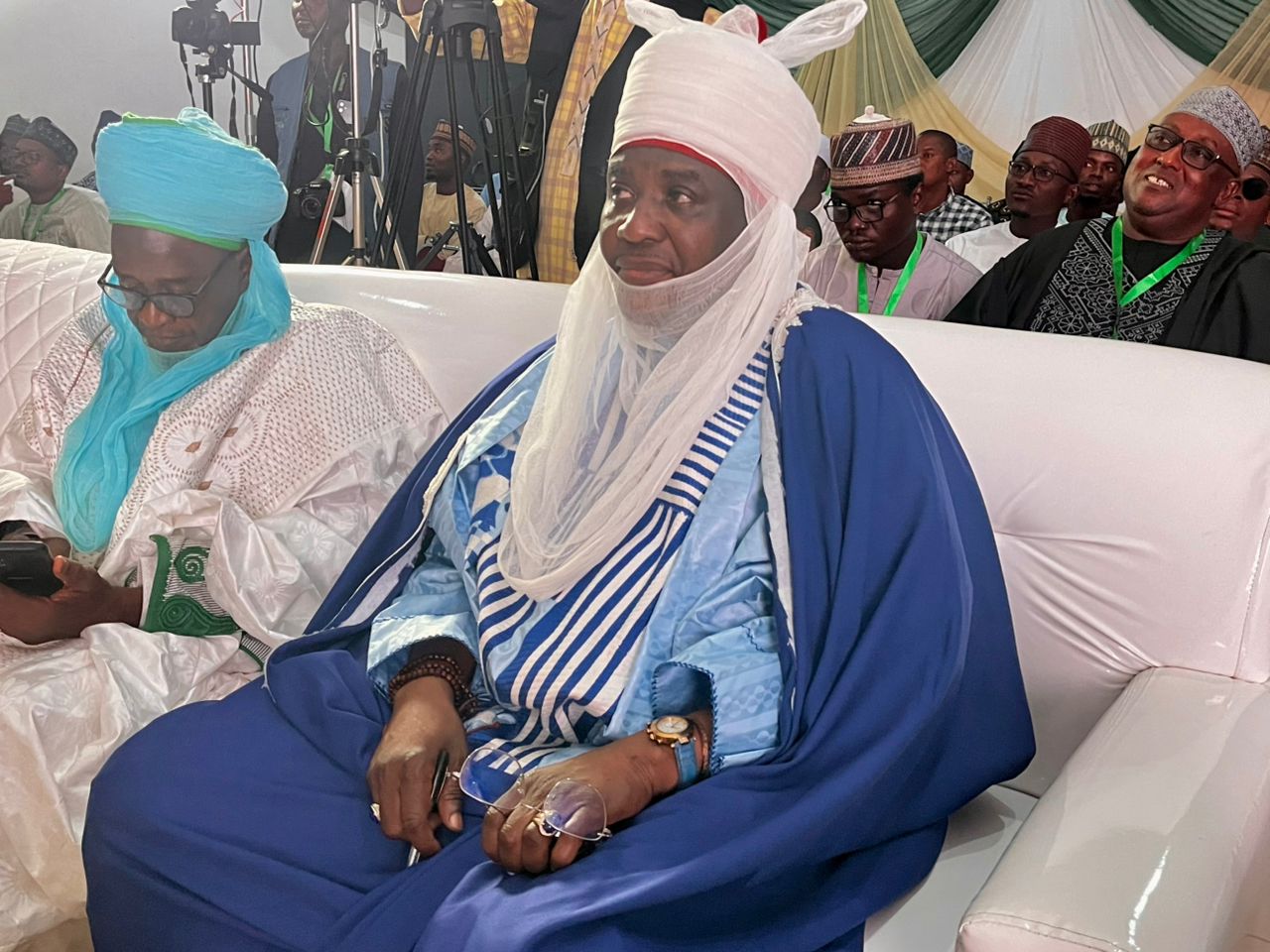
Addressing hundreds of guests at the anniversary lecture titled “Pen and Revelation: The Sacred Role of Reading and Writing in Islam,” Dr Salah said the decline of Muslim civilisation began when sections of the Muslim world reduced the pursuit of knowledge almost exclusively to jurisprudence, hadith and Qur’anic exegesis while neglecting applied sciences that had once placed Muslims at the forefront of global civilisation.
Drawing comparisons with previous prophets, he began by reflecting on miracles associated with Prophets Musa (Moses) and Isa (Jesus), explaining that those miracles ended with their earthly lives. In contrast, he said, the Qur’an remains the only prophetic miracle that continues to endure.
“The everlasting miracle,” he told the audience, “is the Qur’an.”
While acknowledging that Prophet Muhammad (peace be upon him) was granted numerous miracles during his lifetime, including the splitting of the moon, the Night Journey and Ascension, and other signs recorded in Islamic tradition, Dr Salah argued that the Qur’an occupies a unique place because it continues to challenge, inspire and invite reflection centuries after the Prophet’s death.
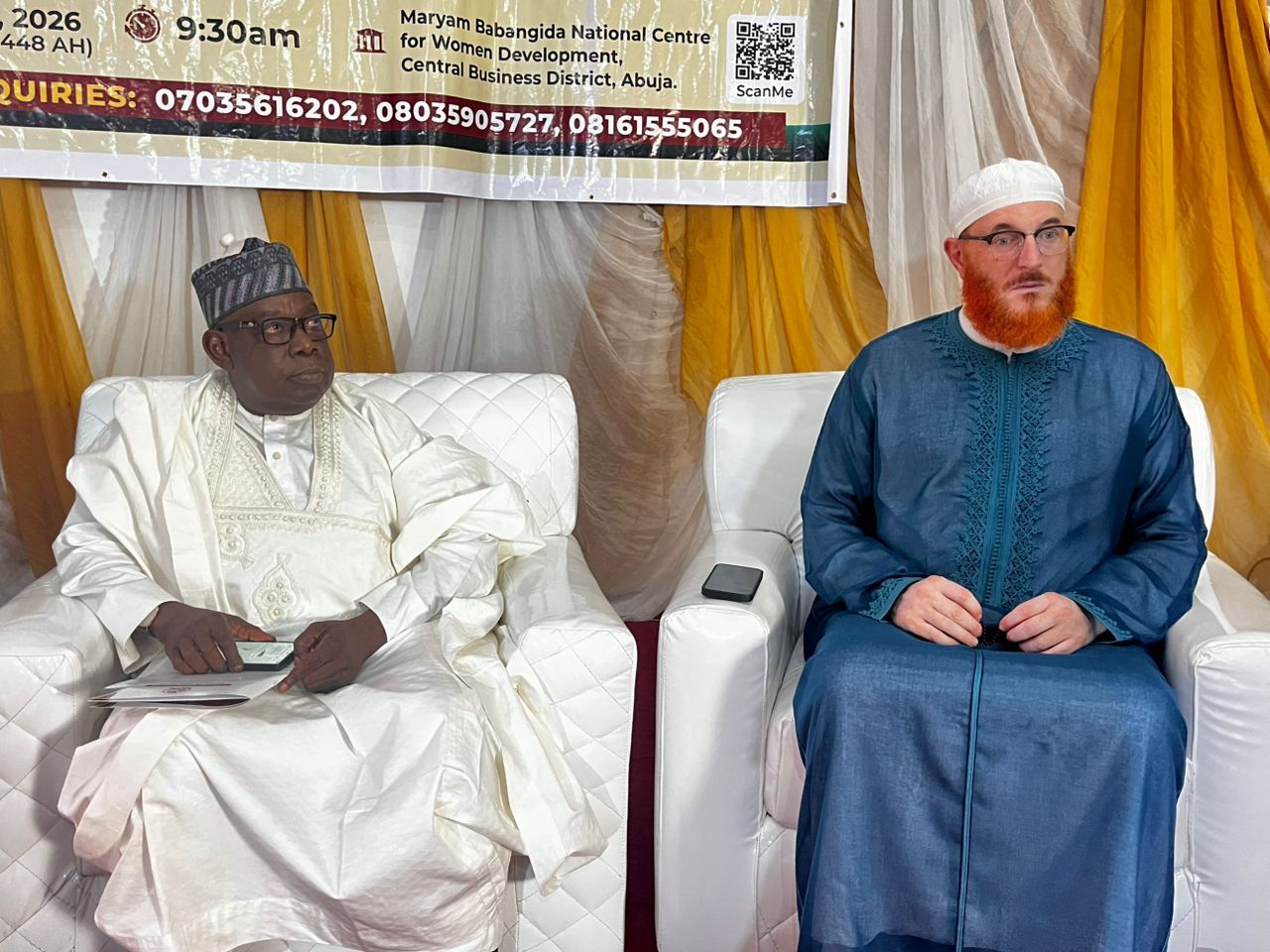
He said many Muslims mistakenly confine the Qur’an’s miraculous nature to its linguistic excellence, particularly its unmatched Arabic eloquence, whereas its deeper significance lies in its continuing ability to stimulate intellectual inquiry across generations.
“The miracles of the Qur’an are beyond count,” he said. “Every generation discovers something new.”
Returning repeatedly to the opening verses of Surah Al-‘Alaq, Dr Salah said the command “Read” was itself remarkable because it was revealed to a Prophet who, according to the Qur’an, neither read nor wrote.
Quoting Surah Al-‘Ankabut, he argued that the Prophet’s inability to read or write formed part of divine wisdom, preventing critics from claiming that the Qur’an had been compiled from earlier scriptures or human learning.
“The Qur’an deliberately preserved that reality,” he said, adding that attempts by some Muslims to portray the Prophet as literate out of reverence contradicted explicit Qur’anic testimony.
From there, the lecture expanded into what became its central theme: the relationship between revelation and scientific discovery.
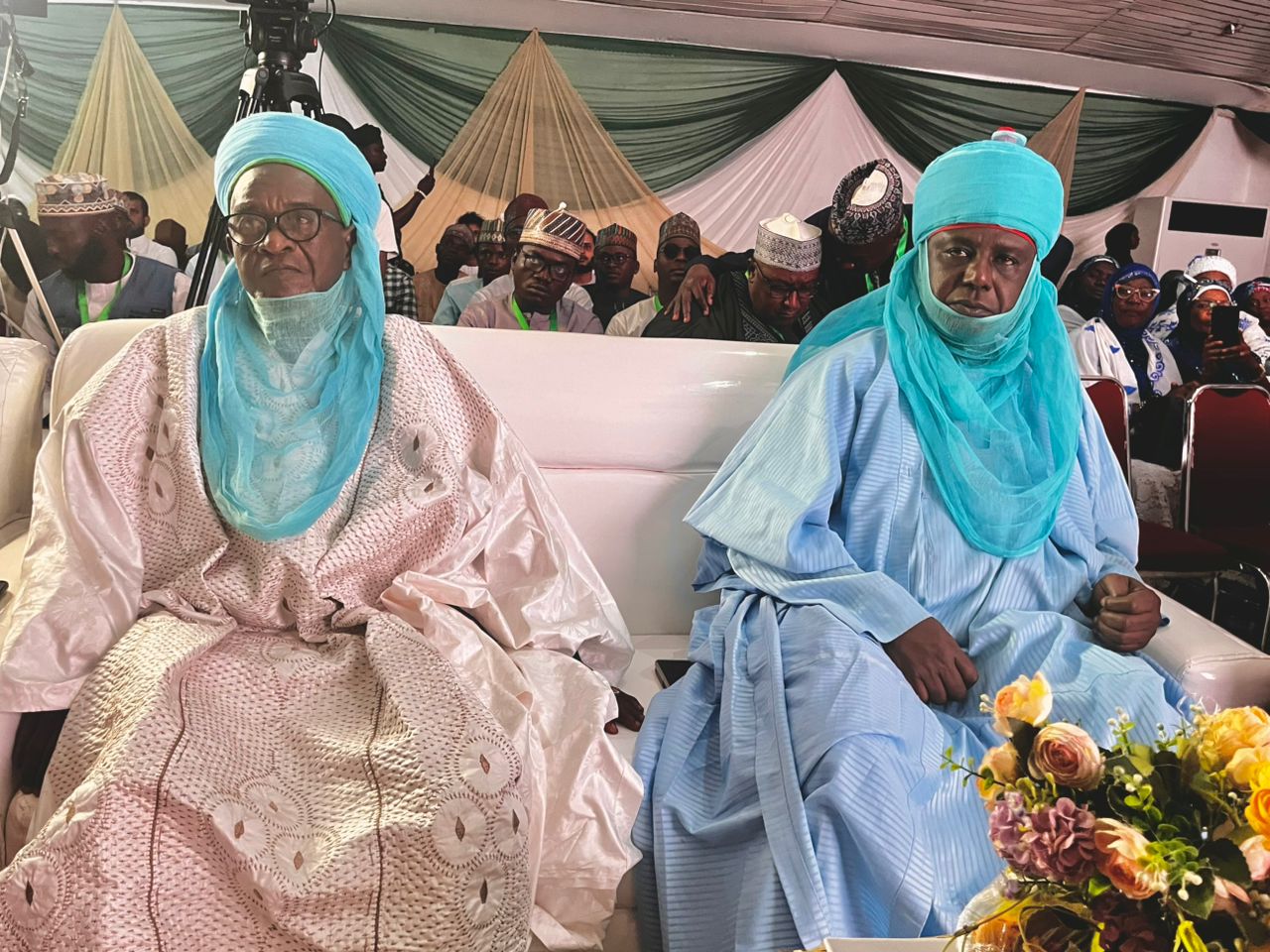
Dr Salah stressed that the Qur’an is not a textbook of medicine, chemistry, astronomy or physics. Nevertheless, he argued that it contains signs which encourage believers to observe creation, investigate the natural world and expand human knowledge.
According to him, the Qur’an repeatedly opens intellectual doors rather than closes them.
“It is not a book of chemistry. It is not a book of physics. It is not a book of anatomy,” he said. “But Allah placed references that invite people to learn.”
He said this invitation transformed early Muslim civilisation into one of history’s leading centres of scientific advancement, producing physicians, mathematicians, astronomers and philosophers whose contributions later influenced Europe.
Recalling earlier remarks by another speaker at the anniversary event, Dr Salah praised the legacy of Muslim scientists, saying they helped illuminate Europe during what historians commonly describe as the Dark Ages.
He argued that Islam historically encouraged scientific exploration at a time when, he said, scientific inquiry elsewhere often faced institutional resistance.
Throughout the lecture, Dr Salah challenged what he described as a widespread misunderstanding among some Muslims that religious virtue is confined to careers centred exclusively on Islamic scholarship.
Instead, he argued that professions such as medicine, engineering, pharmacology and scientific research can equally constitute acts of worship when pursued with sincere intentions to benefit humanity.
Citing the famous Prophetic saying that actions are judged by intentions, he said a Muslim doctor who dedicates his career to saving lives could attain immense spiritual reward.
“If your intention is to save lives,” he said, “that service is an act of worship.”
Using examples from embryology, astronomy and metallurgy, Dr Salah highlighted several Qur’anic passages which he said encourage believers to reflect on creation and investigate the natural world. He cited verses describing stages of human development, references to iron in Surah Al-Hadid and passages inviting reflection upon the heavens.
He argued that such verses continue to inspire scientific inquiry while strengthening faith among believers, although he repeatedly emphasised that the Qur’an should not be viewed as a scientific manual.
Rather, he described it as divine guidance that points humanity towards learning and reflection.
“We do not claim the Qur’an is a book of science,” he said. “But it contains signs that invite people to think.”
A recurring message throughout the lecture was that Muslims should approach the Qur’an through contemplation rather than ritual recitation alone.
Quoting Surah Sad, he said the purpose of revelation was for believers to ponder its verses, understand their meanings and draw lessons that shape both individual lives and civilisation.
He lamented what he described as a tendency among some Muslims to recite the Qur’an for blessings during ceremonies while neglecting its intellectual and moral guidance.
“The Qur’an was revealed to be reflected upon,” he said, urging Muslims to study its meanings deeply and engage critically with the knowledge it encourages.
Beyond scientific inquiry, Dr Salah also connected learning with humanitarian service.
Sharing experiences from medical outreach projects in Burundi, he recounted how free healthcare provided by Muslim volunteers was offered irrespective of recipients’ religious beliefs.
He contrasted that approach with what he described as instances where humanitarian assistance elsewhere had been linked to religious conversion, arguing that Islamic service to humanity should remain unconditional.
“We serve humanity because Allah commands us to do so,” he said.
Towards the conclusion of the lecture, Dr Salah returned to the anniversary theme of Pen and Revelation, describing writing and documentation as central pillars of Islamic civilisation.
Referring to traditions concerning the creation of the Pen, he said recording knowledge had always occupied a sacred place within Islam and remained indispensable to preserving history, scholarship and civilisation itself.
He warned that neglecting education had contributed significantly to the decline of Muslim societies and urged parents, educational institutions and community organisations to inspire younger generations to excel in both Islamic learning and contemporary sciences.
“The command to read,” he said, “was never intended to produce a community that memorises without understanding. It was intended to build a civilisation.”
His lecture resonated closely with the mission of the Crystal Muslim Organisation, which was founded two decades ago to promote literacy, education, public enlightenment and youth development through publications, scholarship programmes and community engagement.
SPONSORED

SPONSORED

SONSORED
