
Concern Grows Over Muslim Girls’ Education Restrictions in Afghanistan
By Sadiq Abdulfatah
Concerns are rising over the continued restrictions on Muslim girls’ education in Afghanistan, following renewed comments and reports highlighting its wider impact on society and future development.
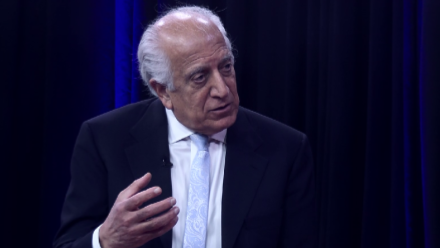
Former U.S. Special Representative for Afghanistan Reconciliation, Zalmay Khalilzad, has urged the Islamic Emirate to respond to the latest UNICEF report on the situation, warning that prolonged restrictions on girls’ education could affect an entire generation.
UNICEF has also raised concerns that if the current situation continues, it could have long-term effects on Afghanistan’s social structure and public services by 2030.
A women’s rights activist, Mumtaz Yousafzai, described the situation as a serious crisis, saying the closure of schools and universities for girls over several years has significantly affected education and national progress.
She noted that the absence of female students in higher education has reduced the number of graduates the country could have produced during this period.
Former President Hamid Karzai also expressed concern over the UNICEF findings, saying that limiting girls’ access to education weakens national capacity and increases reliance on external support.
He stressed that strengthening the education system and ensuring equal opportunities for all citizens remains key to long-term stability and development.
Several female students also renewed their appeal to the Islamic Emirate, calling for the reopening of schools and universities for girls.
According to UNICEF, if the restrictions continue, Afghanistan could face a shortage of more than 20,000 teachers and over 5,000 female health workers, with more than two million girls at risk of being denied education.
Source: Tolo News
SPONSORED

SPONSORED

SONSORED
