
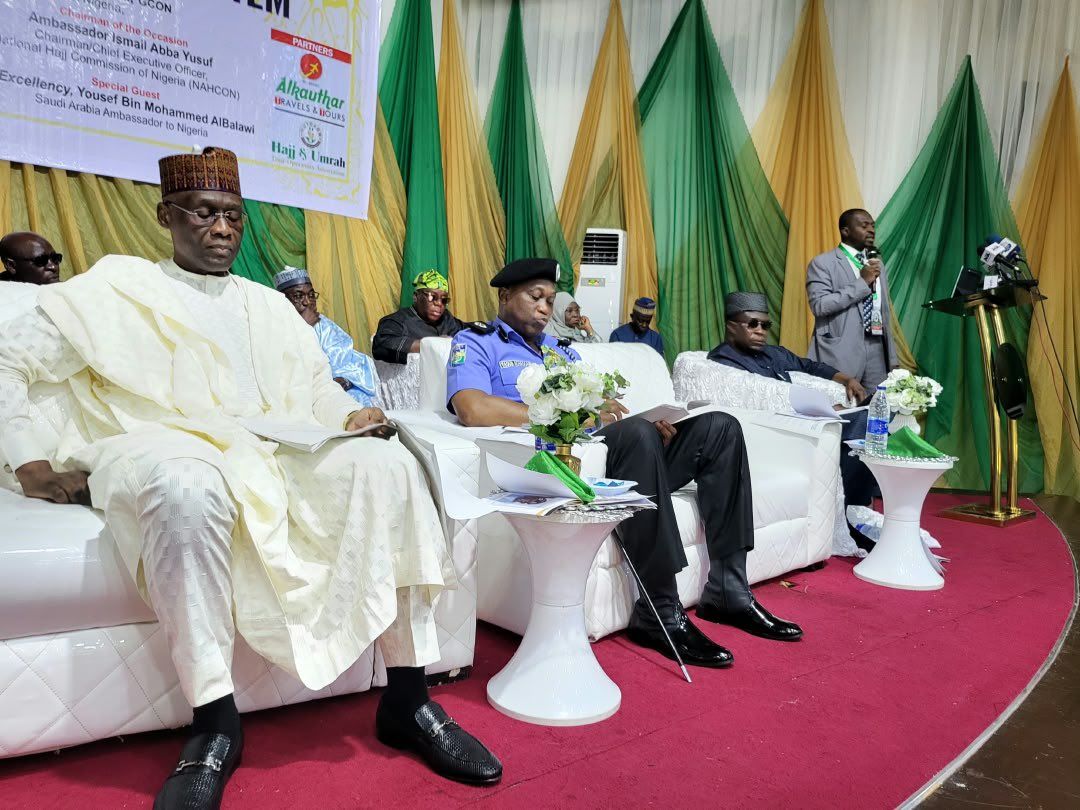
At 10th Hajj Lecture, IHR Pushes Nigeria to Capture More of Pilgrimage Economy
Independent Hajj Reporters’ 10th annual lecture brings Hajj administrators, tour operators, investors and other stakeholders together to push greater Nigerian participation in the pilgrimage economy
By Abdullahi Yusuf
Nigeria must position itself to retain a greater share of the economic value generated by its millions of Hajj and Umrah pilgrims, stakeholders at the 10th Annual Hajj Lecture and Awards of the Independent Hajj Reporters (IHR) have said.
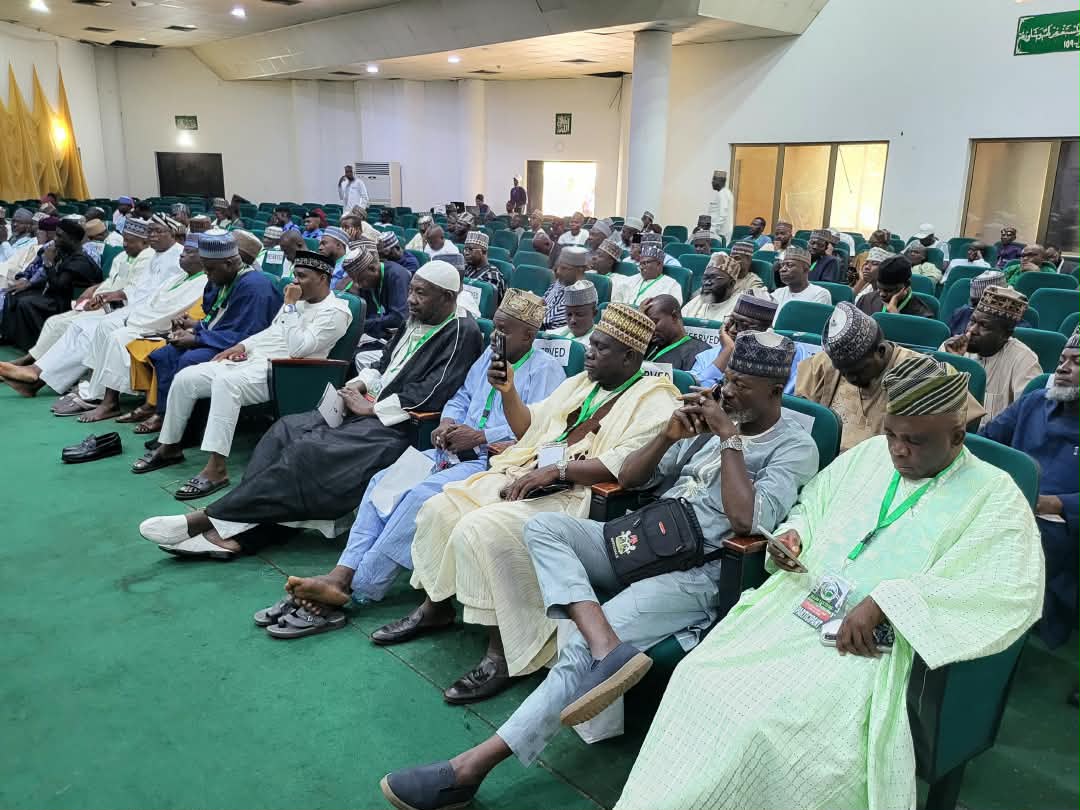
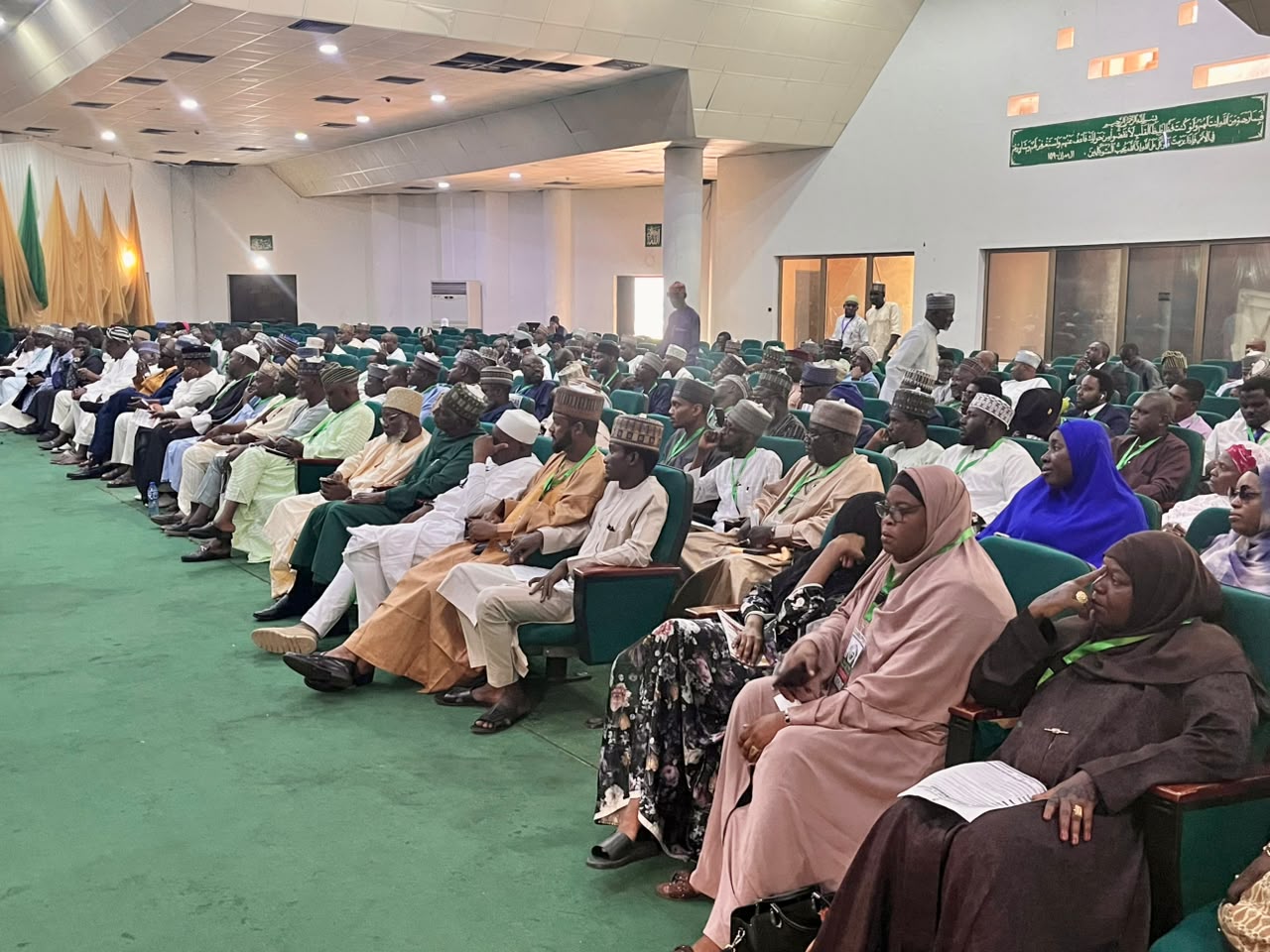
The call was made in Abuja on Thursday as Hajj administrators, government representatives, tour operators, Islamic scholars, financial experts, journalists and other stakeholders examined the business opportunities surrounding pilgrimage and the reforms needed to improve services to Nigerian pilgrims.
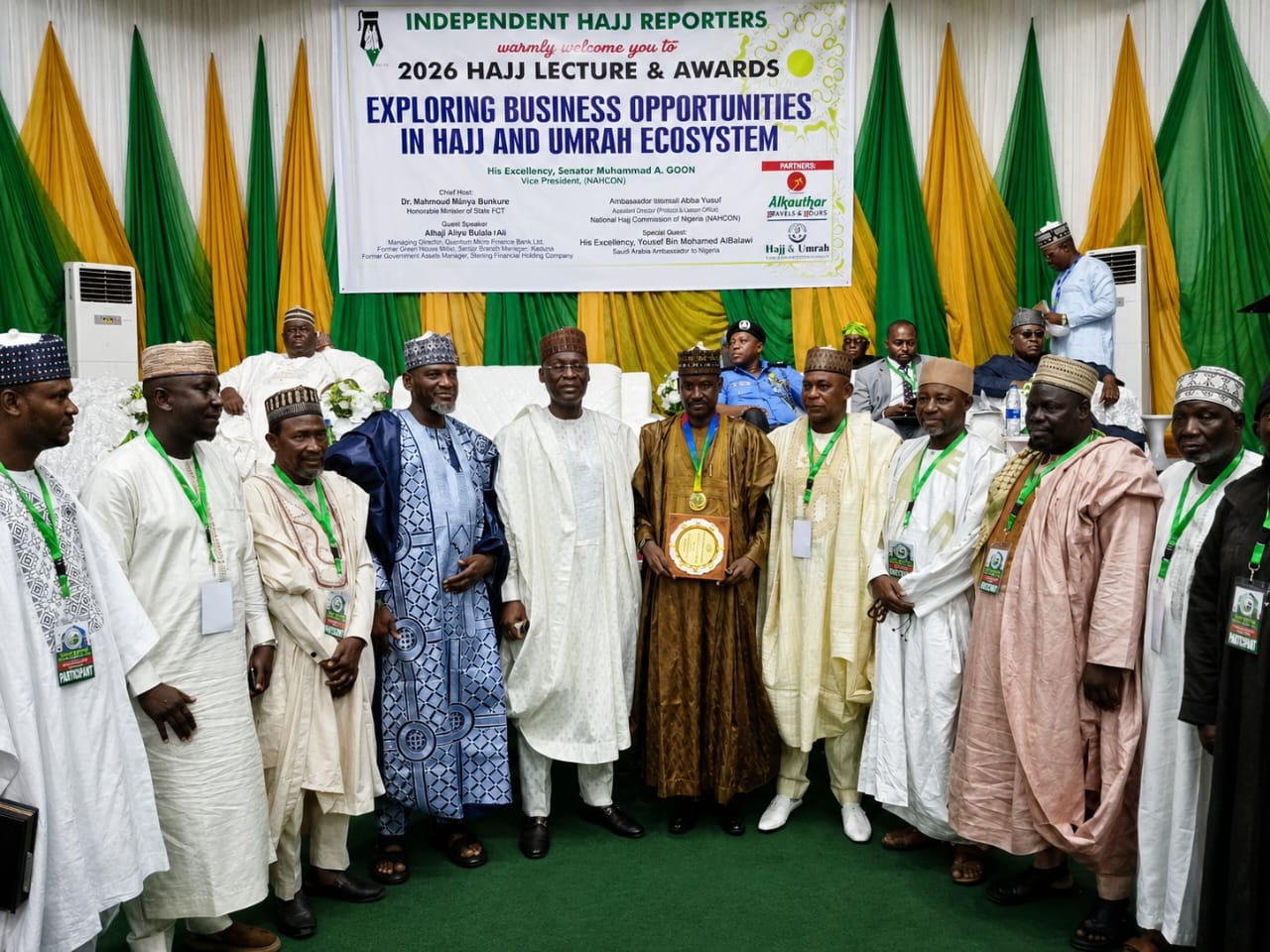
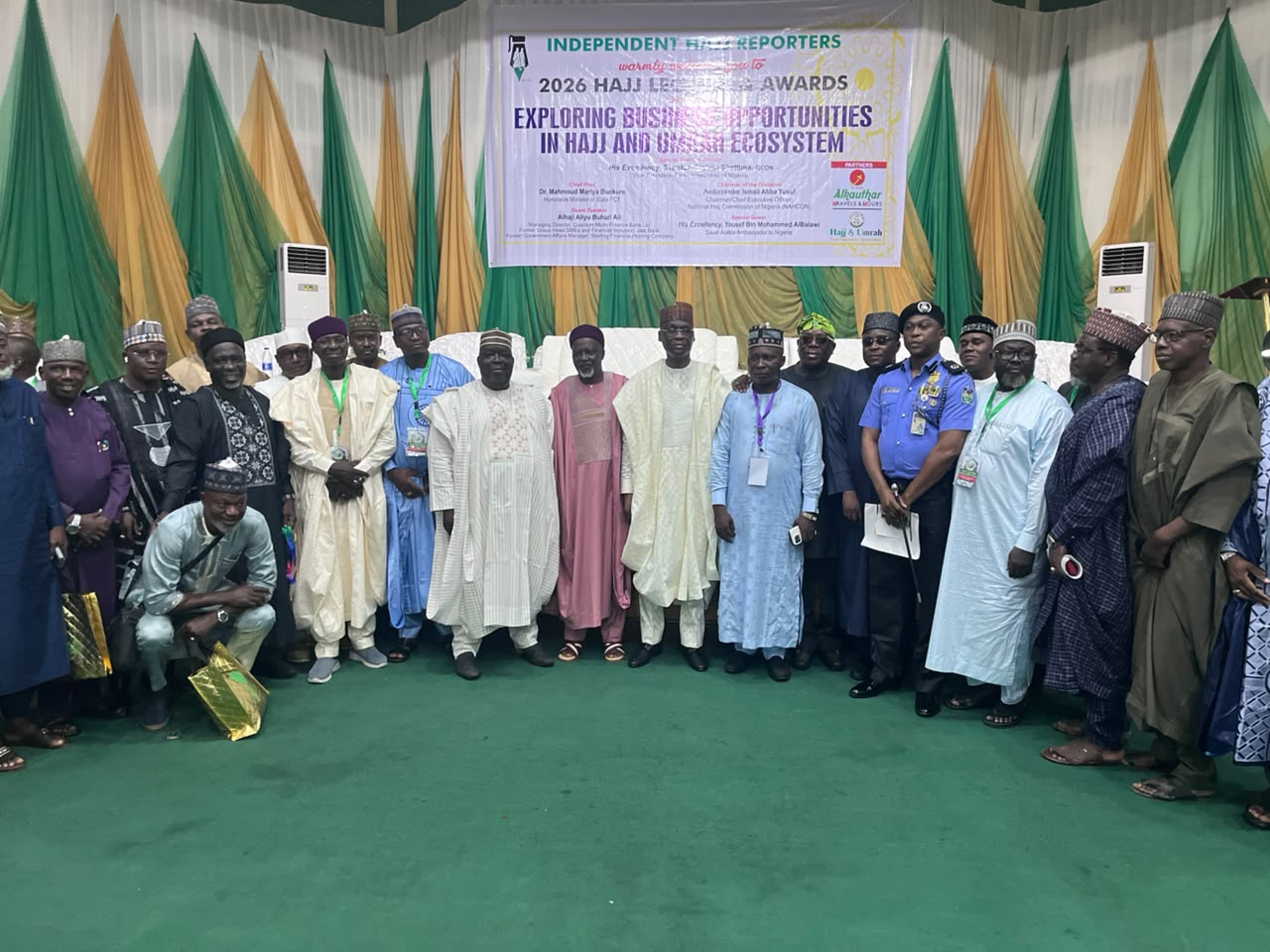
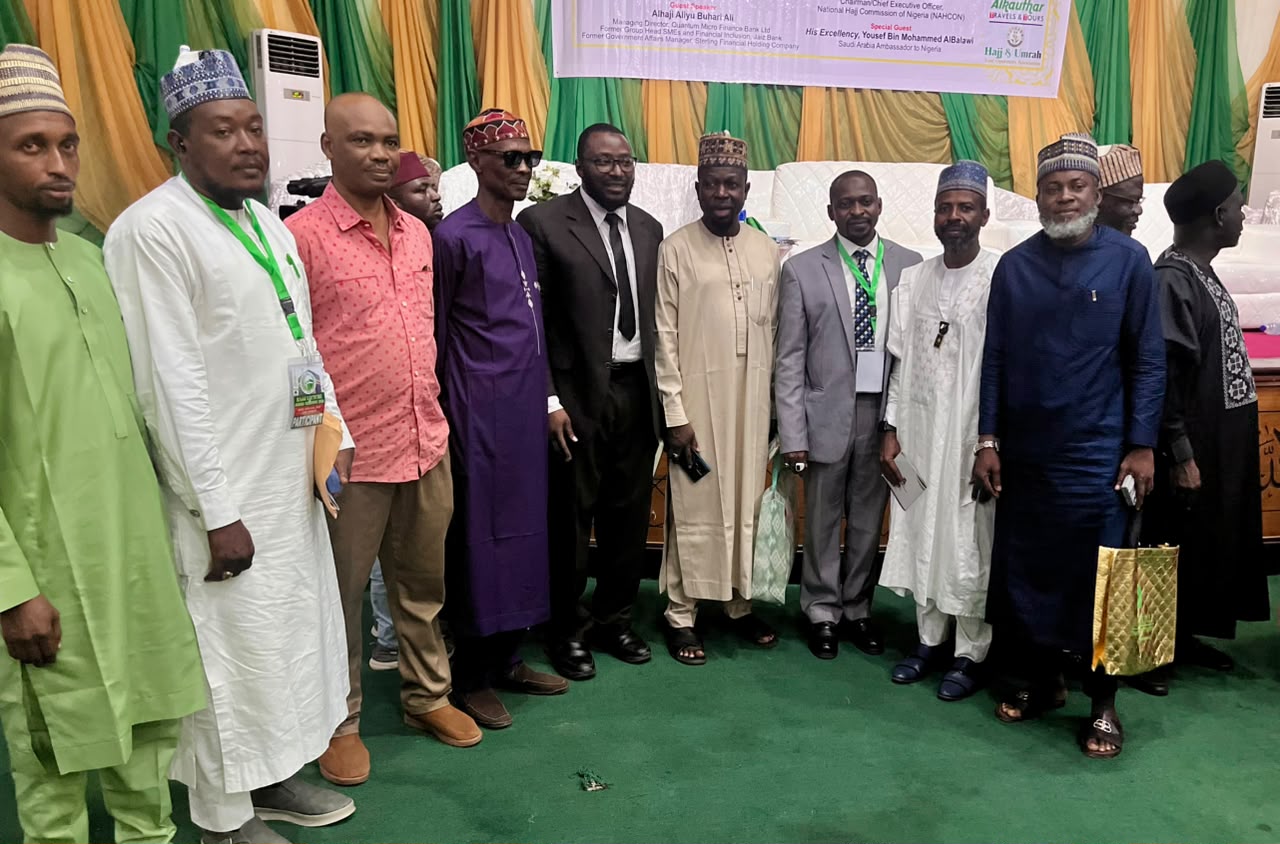
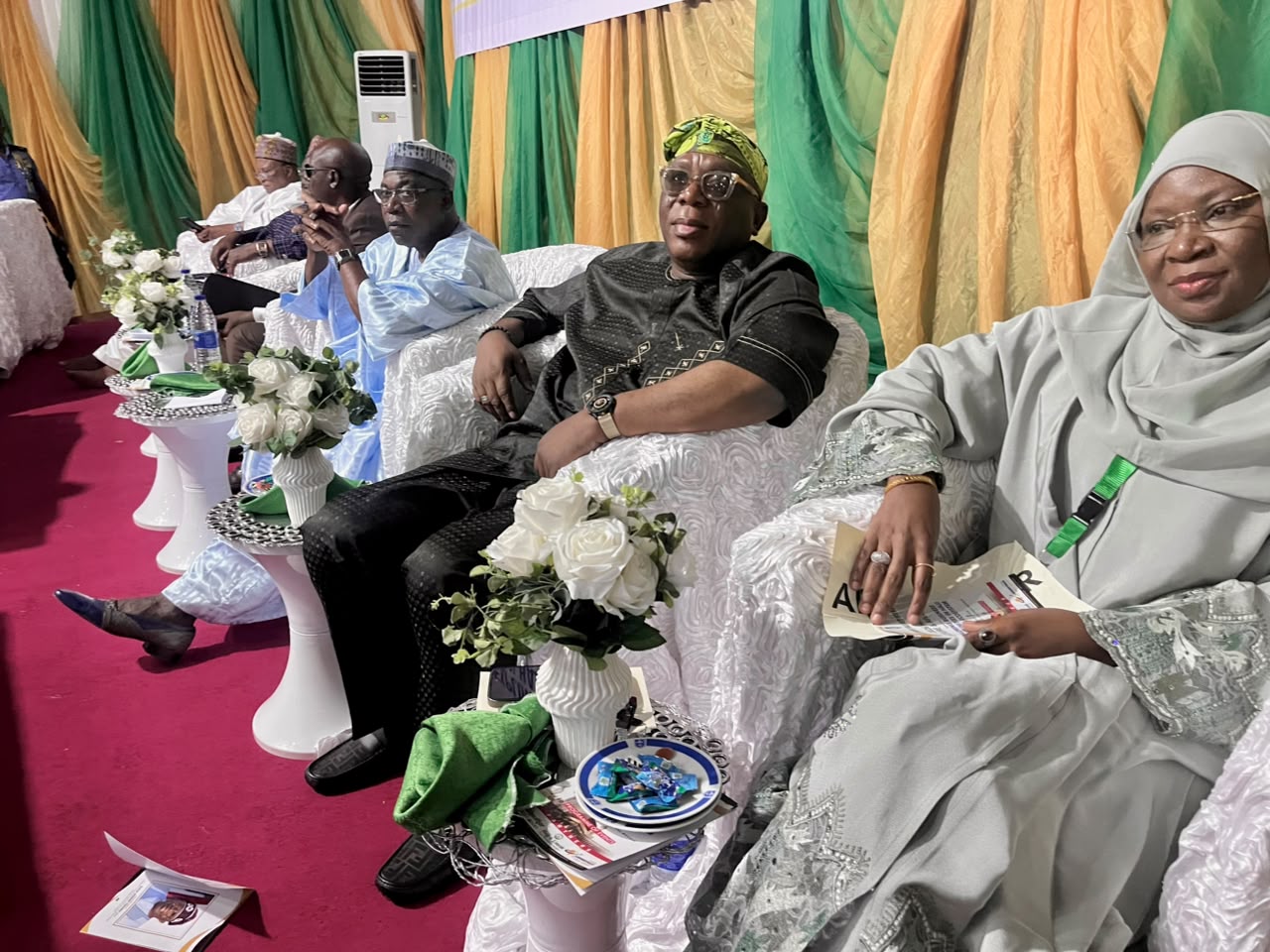
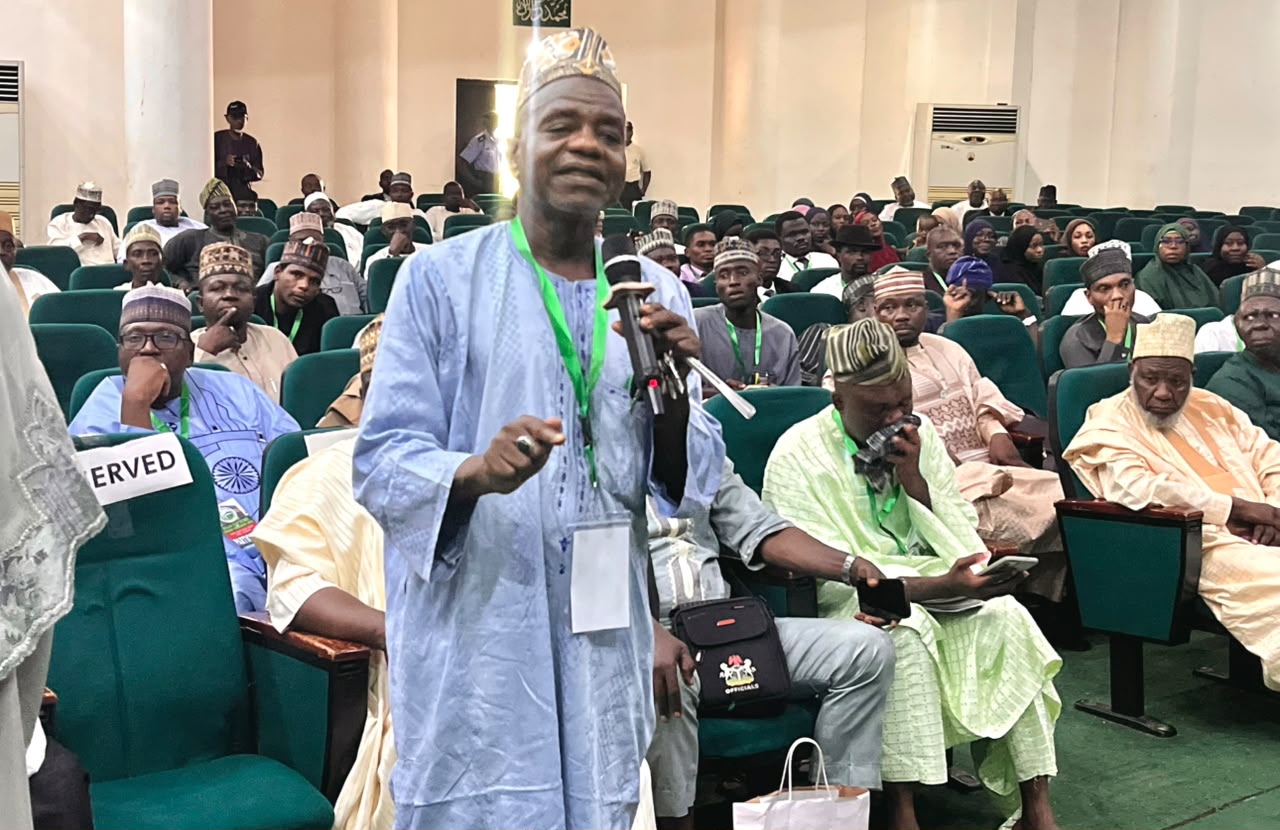
Held at the National Mosque Auditorium under the theme, “Exploring Business Opportunities in Hajj and Umrah Ecosystem,” the conference placed the economic dimension of pilgrimage at the centre of discussions, with participants examining how Nigeria could develop businesses and services capable of capturing more value from the annual movement of pilgrims.
The National Coordinator of IHR, Alhaji Ibrahim Muhammad, said the organisation’s annual engagement was designed not only to review Hajj operations but also to promote accurate reporting, accountability and practical solutions to challenges within the sector.
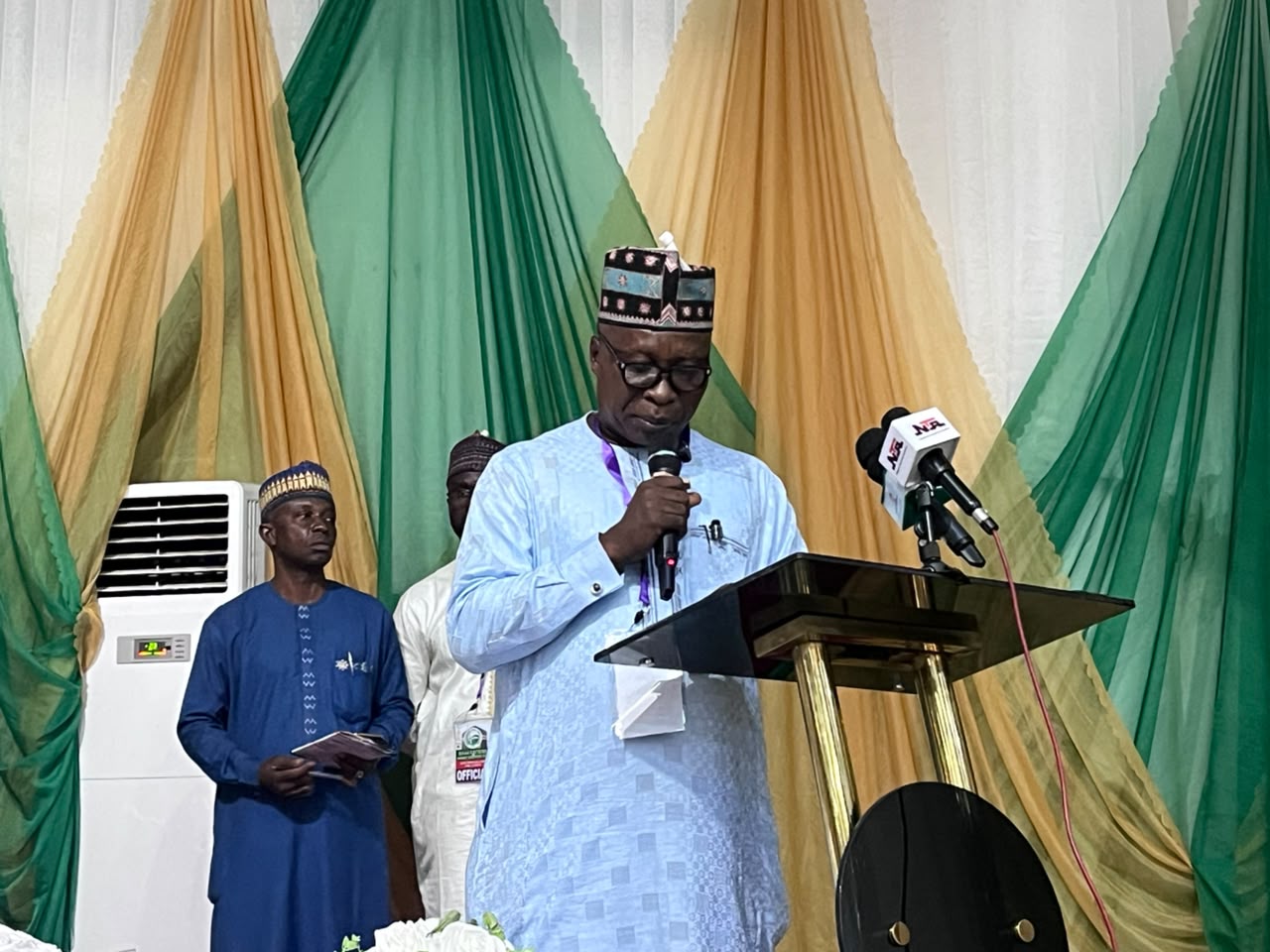
Alhaji Muhammad warned that the proliferation of unverified reports, rumours and conflicting information during Hajj could confuse pilgrims and undermine public confidence. He urged journalists and independent monitors to verify information before publication and called for media reporting that not only exposes problems but also offers practical solutions.
He also stressed the importance of early planning, compliance and multi-year arrangements as preparations for future pilgrimage seasons gather pace. Muhammad said the economic potential of Hajj deserved greater attention, identifying aviation, hospitality, healthcare, technology, financial services, agriculture, logistics and retail among sectors that could benefit from the global pilgrimage economy.
The Inspector-General of Police, IGP Olatunji Rilwan Disu, represented by the Chief Imam of the Nigeria Police Force, ACP Imam Yaqub Alhassan, said IHR’s annual lecture was timely in promoting transparency, accountability and practical guidance ahead of the next pilgrimage season.
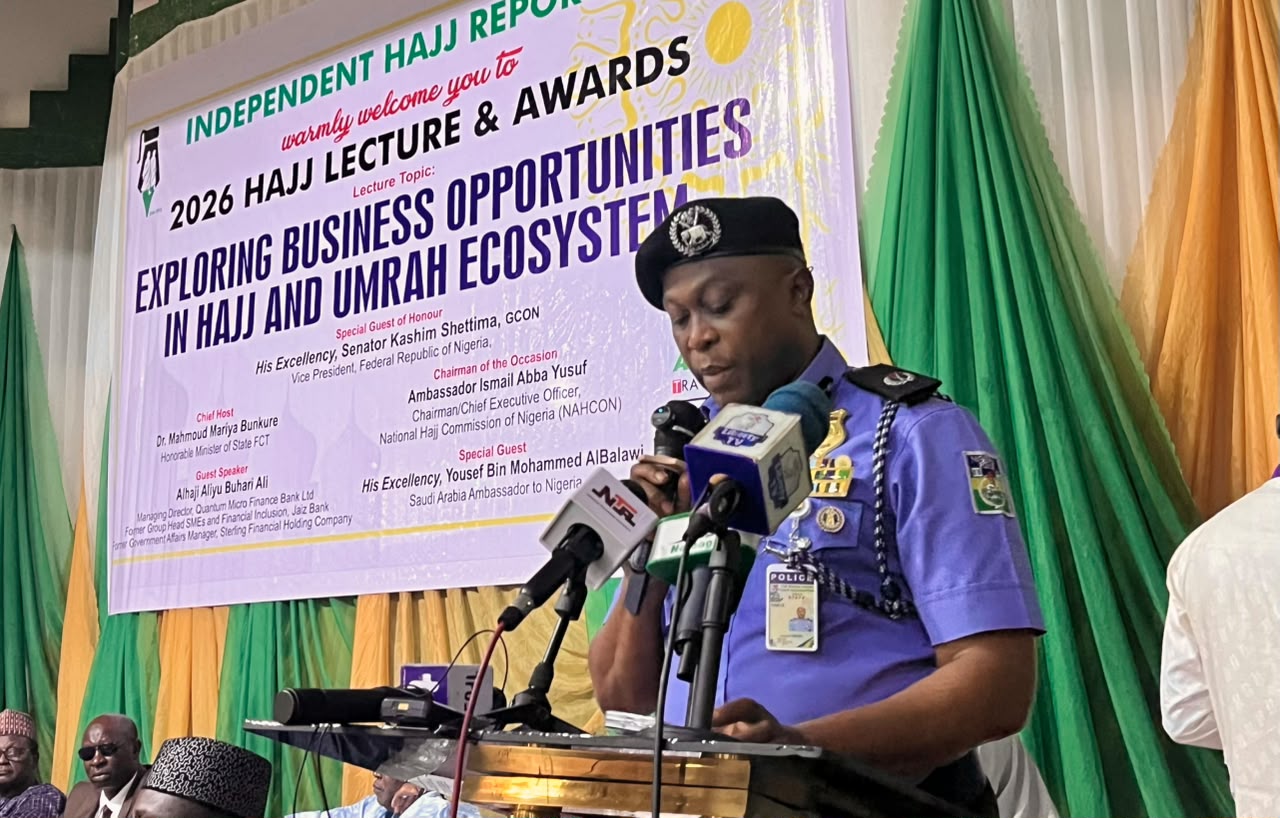
He urged Hajj officials and service providers to uphold their responsibilities, reaffirmed the police’s commitment to protecting Nigerian pilgrims through collaboration with NAHCON and other security agencies, and commended stakeholders for their coordination during the 2026 Hajj.
The Chairman of the National Hajj Commission of Nigeria (NAHCON), Ambassador Ismail Abba Yusuf, who chaired the occasion, reinforced the economic argument, saying the Hajj and Umrah ecosystem offered more opportunities than challenges.
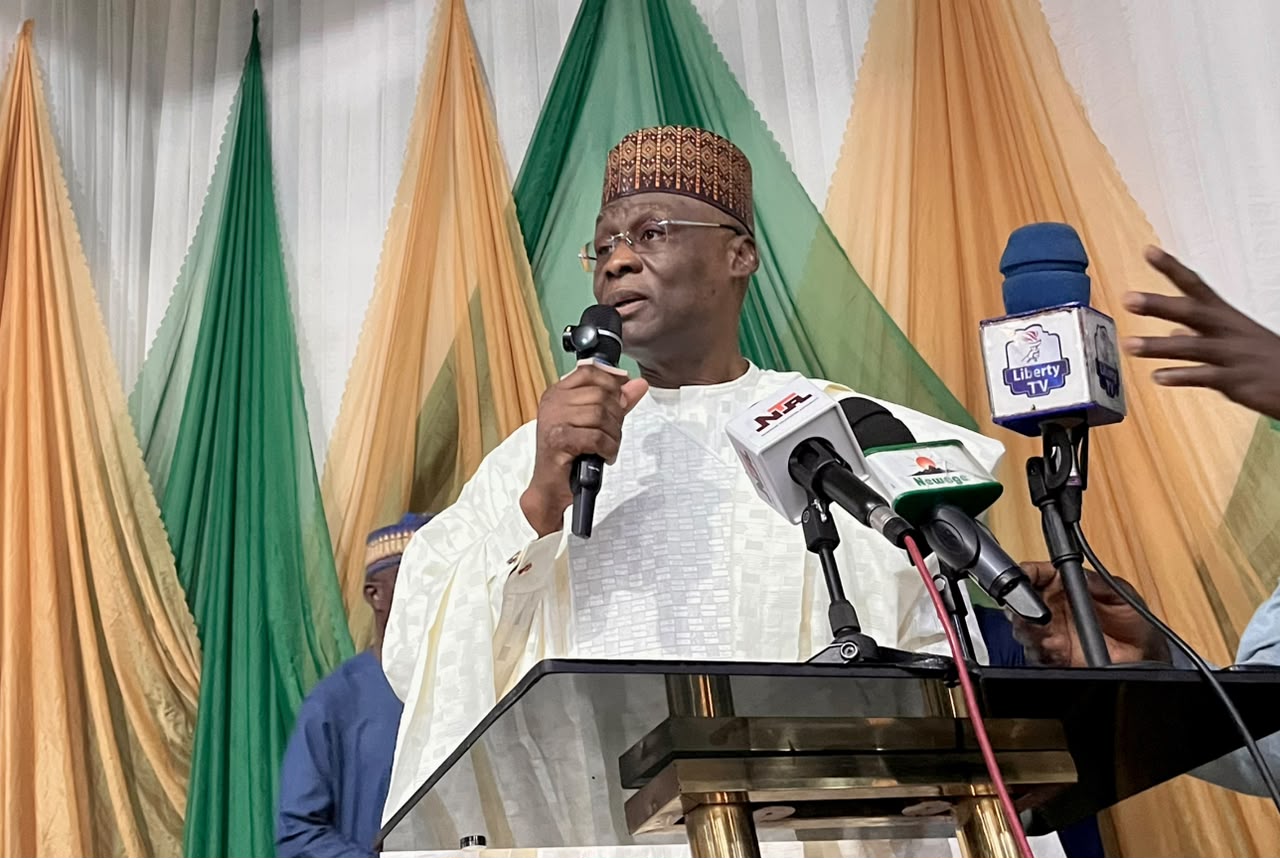
Amb Yusuf identified tour operations, travel logistics, hospitality, financial technology, healthcare, halal food and digital services among areas where Nigerian businesses could develop products around the needs of pilgrims. He urged entrepreneurs to look beyond pilgrimage as a religious journey and recognise the wider ecosystem as an avenue for job creation, skills development and stronger commercial relations between Nigeria and Saudi Arabia.
The guest speaker, Alhaji Aliyu Buhari Ali, Managing Director of Quantum Microfinance Bank and former Group Head of SMEs and Financial Inclusion at Jaiz Bank, took the argument further, saying Nigeria could unlock significant economic opportunities by building stronger financial and business structures around pilgrimage.
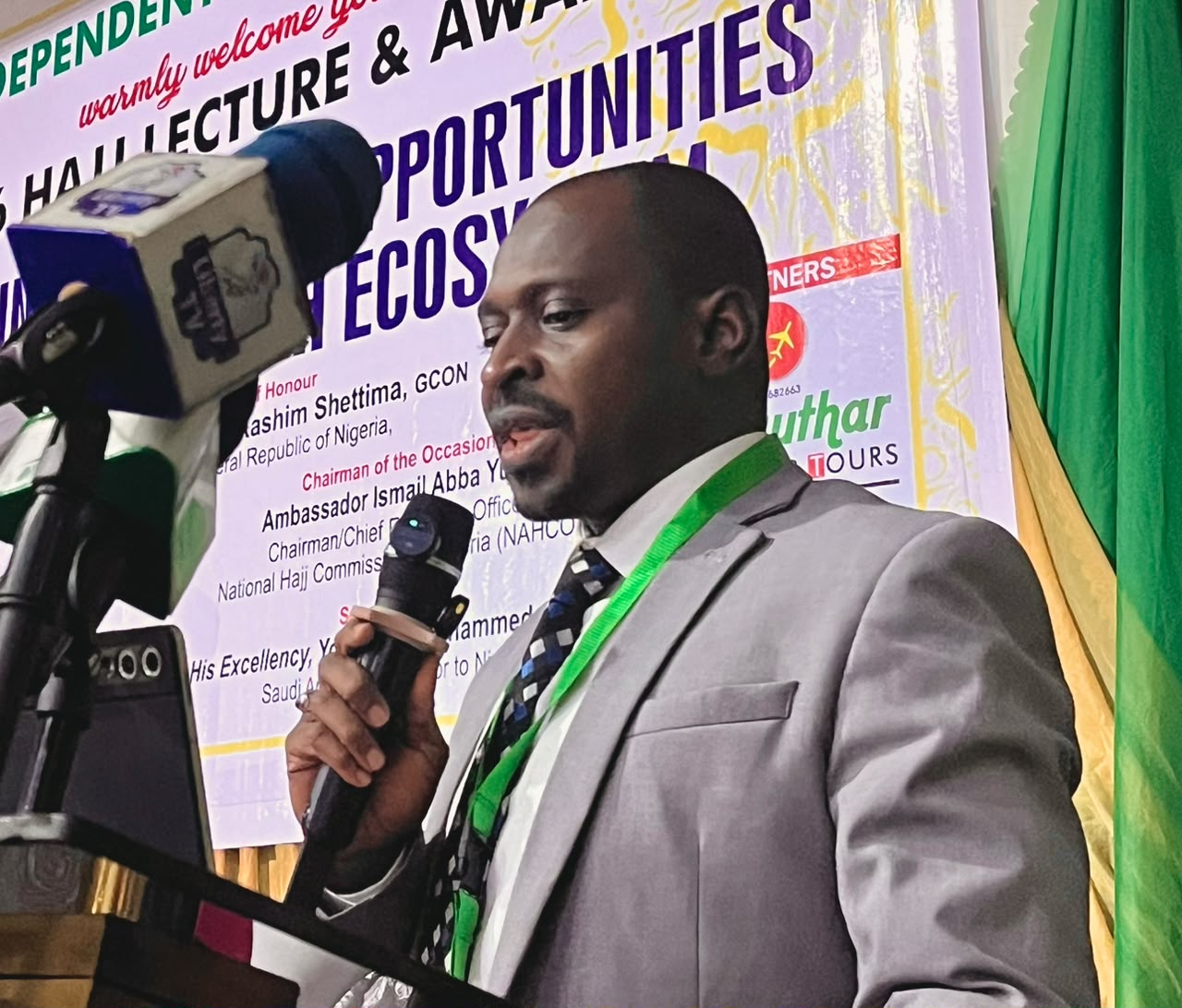
Presenting a paper titled “Exploring Business Opportunities in the Hajj and Umrah Ecosystem,” Ali said the sector had evolved beyond a purely spiritual undertaking into a major economic driver, particularly in Saudi Arabia, where Vision 2030 was expanding accommodation, transportation, hospitality and digital infrastructure.
He said logistics, accommodation, catering and ground transportation were already established components of the Hajj economy, but much of the value generated by Nigerian pilgrims was currently captured outside the country. Ali said a larger opportunity existed in developing a financial architecture around pilgrimage, including long-term Hajj savings schemes, secure payment and foreign-exchange systems, Sharia-compliant financing and Takaful protection.
He said formal savings structures could reduce the financial pressure on families who often raise Hajj fares at short notice by selling assets, taking loans or diverting business capital. He also called for greater financial access in rural communities, where prospective pilgrims may face difficulties accessing banking services and completing requirements such as BVN and NIN, saying digital and agency banking could help bridge the gap.
Senator Bala Ibn Na’Allah also challenged Muslim leaders to view Hajj as more than a religious obligation, arguing that pilgrimage could be used as a vehicle for economic development.
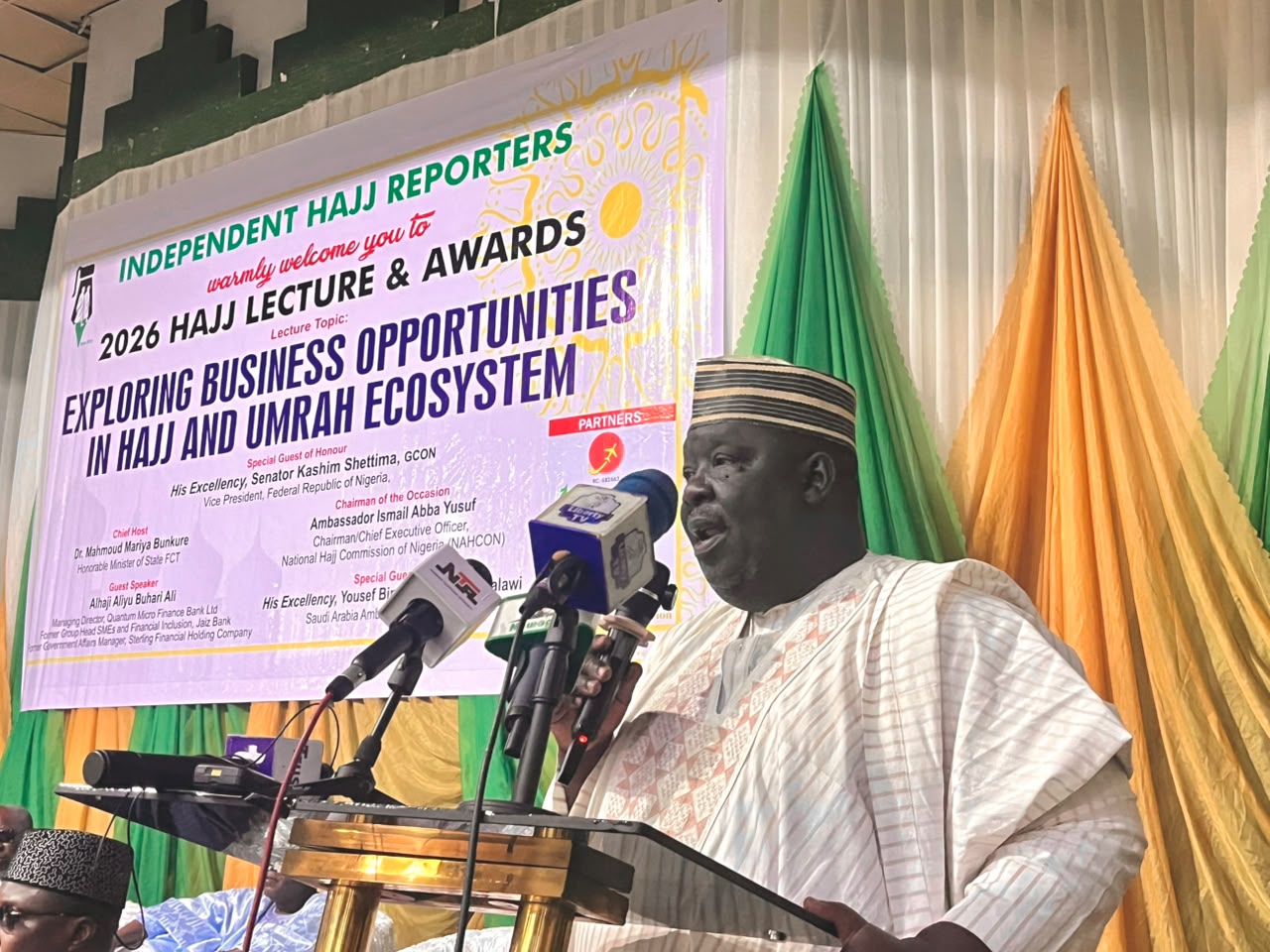
Na’Allah recalled leading a delegation to meet a former Nigerian president over proposals to use Hajj to drive economic development in northern Nigeria. He said the former president identified the lack of unity among states with large Muslim populations as one of the obstacles to such ambitions.
Na’Allah argued that northern states, which he said account for about 65 per cent of Nigerian Hajj pilgrims, could have developed a regional airline capable of transporting a significant share of pilgrims and retaining more of the resulting revenue within the region.
Such an initiative, he said, could create jobs and stimulate wider economic activity.
The conference also brought the role of tour operators into sharper focus.
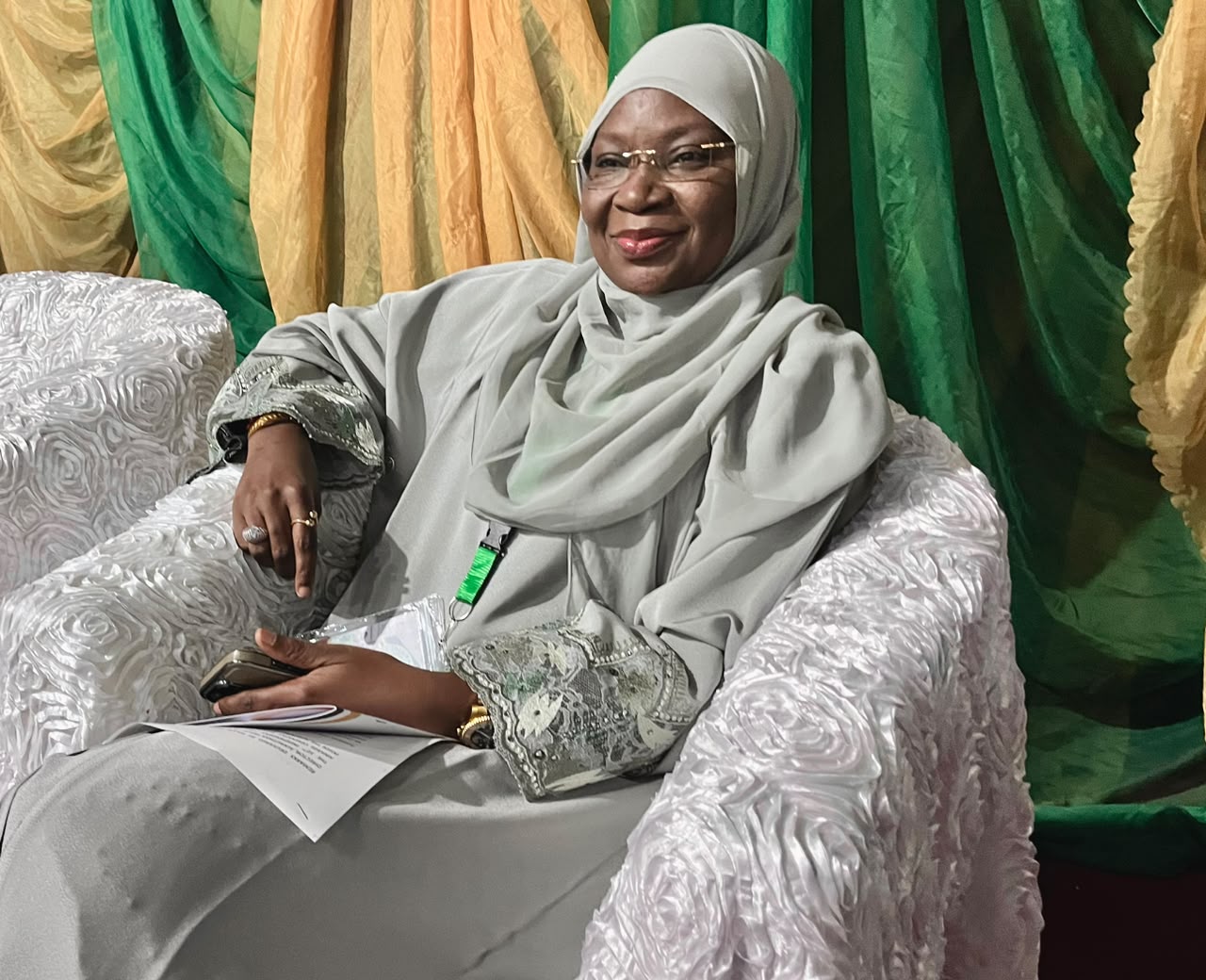
Hajiya Rabiatu Umar Bako, Chief Executive Officer of Al-Kauthar Travels and Tours Limited, commended ongoing reforms by NAHCON, saying they aligned with measures being implemented by Saudi Arabia’s Ministry of Hajj and Umrah to improve pilgrimage operations.
Bako said Al-Kauthar had embraced the move towards greater registration and automation of Hajj and Umrah operations, which she said could improve efficiency and accountability for operators and clients. She urged private-sector operators to comply with registration requirements and conduct their businesses honestly in line with Islamic principles.
Beyond the business discussions, the conference examined information management, pilgrim welfare, security, healthcare, aviation and preparations for the 2027 Hajj.
The communiqué issued at the end of the conference warned of what it described as “information overload” during Hajj operations, with conflicting information capable of confusing pilgrims and stakeholders.
In response, IHR announced the constitution of a Media Monitoring Team to track Hajj operations and services in real time and improve the flow of verified information.
The conference also drew attention to the approaching deadlines for the 2027 Hajj exercise, urging stakeholders to begin preparations early.
Participants stressed that Hajj had evolved into a global reflection of Islam and Muslims, making the quality of services delivered to pilgrims important not only to their welfare but also to Nigeria’s image. The conference therefore called for efficient, full-package service delivery, with pilgrims’ welfare remaining the central consideration.
Security agencies were commended for their efforts during pilgrimage operations, while participants called for greater coordination and proactive measures to protect pilgrims and officials.
The conference recommended greater use of Islamic financing in the Hajj and Umrah sector and proposed the establishment of a Nigeria-Saudi Halal Investment Forum to promote trade, commerce and business between both countries.
On healthcare, participants recommended the establishment of a hospital or other health facility in Saudi Arabia to reduce medication costs and improve medical services for Nigerian pilgrims, subject to Saudi regulations.
The aviation sector also came under scrutiny, with the conference calling for greater domestic participation in Hajj airlift operations in line with Saudi Arabian guidelines and minimum requirements.
Participants further encouraged the domestic production of Hajj essentials, including pilgrims’ bags and ihram clothing, as part of efforts to retain more economic value within Nigeria. They also recognised the role of tour operators in delivering Hajj and Umrah services and urged them to adapt to emerging trends and challenges in the industry.
The economic discussions were followed by recognitions for individuals and institutions involved in pilgrimage administration and pilgrim welfare.
IHR, in collaboration with NAHCON, appointed Jigawa State Governor, Malam Umar Namadi, as its Patron in recognition of what the organisation described as his contribution to the welfare of Muslim pilgrims.
Representing the governor, the Director-General of the Jigawa State Pilgrims Welfare Board, Umar Ahmed Labbo, FCFA, said the recognition reflected the administration’s efforts to improve Hajj operations through increased funding, stronger planning and administrative coordination. He highlighted improvements in pre-departure screening, accommodation, medical services, orientation programmes and financial support for intending pilgrims.
In Kano, a representative of the state governor said the recognition presented to the state acknowledged its continued support for pilgrims and efforts to improve Hajj administration. He described pilgrims’ welfare as a responsibility requiring commitment, compassion and accountability, while pledging continued cooperation with Hajj institutions and service providers.
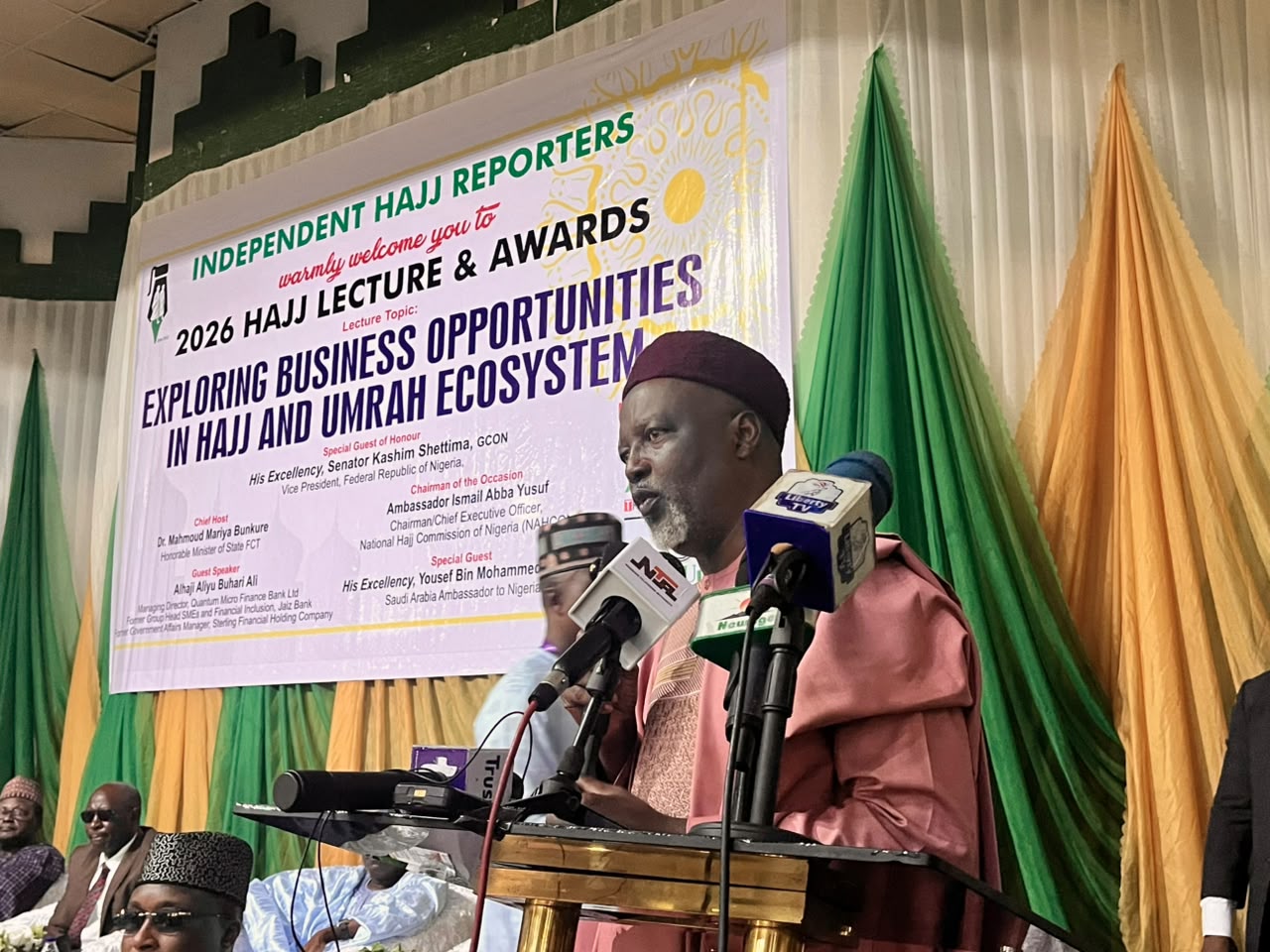
Former Deputy Speaker of the House of Representatives, Rt. Hon. Ahmed Idris Wase, who represented the Plateau State governor, commended the conference for providing an opportunity to review progress and consider the future direction of Hajj administration.
Wase, who recalled his previous experience on the administrative side of pilgrimage affairs, described service to pilgrims as a worthy form of charity. He urged continued support for reforms capable of producing positive changes in Hajj administration and national development.
The Executive Secretary of the Bauchi State Muslim Pilgrims Welfare Board, Imam Ibrahim Idris, was also honoured as the Best Performing State Executive Secretary at the awards.
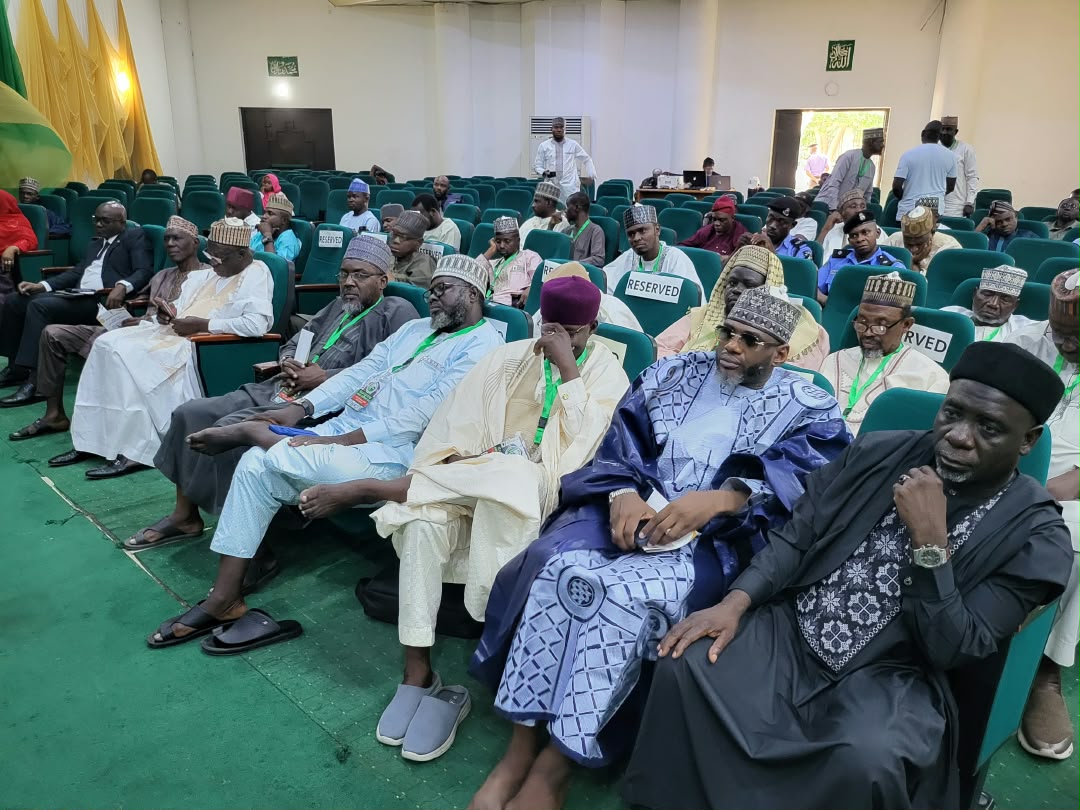
The recognitions formed part of IHR’s effort to encourage administrators, service providers and operators to continue improving standards within the pilgrimage industry.
The conference ultimately presented Hajj and Umrah as a sector where religious responsibility and economic opportunity increasingly intersect.
Its recommendations, from stronger media monitoring and early Hajj planning to domestic aviation, Islamic finance, healthcare, halal investment and local production, point towards a broader question for Nigeria: whether the country will remain primarily a market for the global pilgrimage industry or build the capacity to become one of its service providers.
SPONSORED

SPONSORED

SONSORED
