
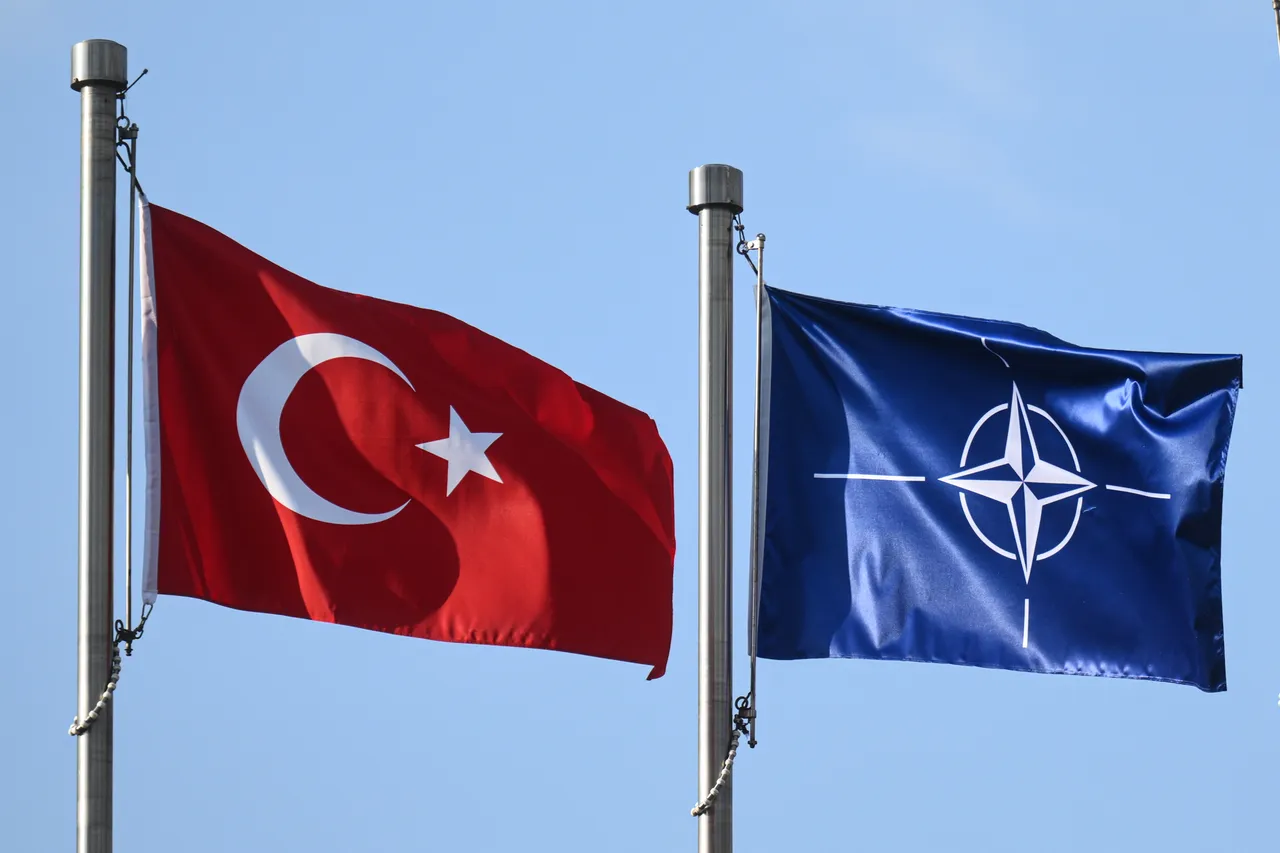
Ankara Summit Cements Türkiye’s Growing Influence in NATO
International media portray the Ankara summit as reinforcing Türkiye’s expanding influence through its defence industry, military capabilities and diplomatic engagement amid NATO’s evolving security landscape.
By Abdullahi Yusuf
International media coverage of the 36th NATO Summit in Ankara presented Türkiye as an increasingly influential actor within the alliance, highlighting its expanding defense industry, military capabilities, and growing diplomatic role amid evolving security challenges across Europe and the Middle East.
Much of the coverage focused on Türkiye’s strategic position as NATO adapts to the changing geopolitical landscape shaped by the wars in Ukraine and Iran.
Several leading international news organizations emphasized that Türkiye’s importance within NATO extends beyond its geographic location.
The New York Times described the country’s defense industry and NATO’s second-largest military as increasingly important assets for the alliance’s long-term security planning.
The analysis reflected broader recognition that Türkiye’s military capabilities, industrial capacity, and strategic location have become central elements of NATO’s evolving defense posture.
Politico characterized President Recep Tayyip Erdoğan as one of the summit’s most significant political beneficiaries, pointing to his diplomatic engagement, negotiating role, and continued investment in Türkiye’s domestic defense sector.
The publication suggested that Ankara’s ability to maintain dialogue with multiple international actors has strengthened its influence within the alliance during a period of heightened geopolitical uncertainty.
International attention also focused on the relationship between President Donald Trump and President Erdoğan, with Trump saying that Erdoğan’s role as summit host was an important reason for his participation and describing bilateral relations as being stronger than ever.
The comments were widely interpreted as signaling continued strategic engagement between Washington and Ankara with the background of the US’s F-35 fighter sale to Türkiye, despite strong Israeli opposition.
German media described Türkiye as an increasingly indispensable regional power within the European security framework.
Publications including Die Welt and Süddeutsche Zeitung examined whether Türkiye has become a more influential strategic actor as Europe seeks to strengthen its defense capabilities.
Tagesschau reported that the summit itself demonstrated Ankara’s growing diplomatic standing, arguing that the participation of major international leaders reinforced Türkiye’s expanding international influence.
Defense-focused publications also emphasized Türkiye’s role in the future of European security. Defence24 argued that Europe would face significant challenges in developing a credible security architecture without closer cooperation with Türkiye.
The assessment reflected broader discussions about the importance of integrating Türkiye’s military capabilities, defense industry, and strategic geography into future alliance planning.
Greek media closely examined discussions surrounding possible changes in United States policy toward Türkiye, particularly regarding sanctions and defense cooperation.
Reports highlighted renewed attention to potential developments involving the CAATSA sanctions framework and the possible resumption of F-35 fighter aircraft cooperation. Commentators argued that the summit contributed to strengthening Türkiye’s diplomatic position on these long-standing defense issues.
Italian newspapers also focused on the political dynamics surrounding the summit. Publications reported Trump’s positive remarks about Erdoğan while noting his criticism of some European allies.
Coverage presented the summit as an opportunity for Türkiye to reinforce its role as an important partner within NATO during a period of significant strategic adjustment.
Swiss and Austrian media highlighted Türkiye’s geographic importance, emphasizing its position between the Mediterranean and Black Sea regions and its continued ability to facilitate diplomatic engagement between Russia and Ukraine.
Analysts argued that this combination of strategic geography and diplomatic flexibility provides Türkiye with a distinctive role that few alliance members can replicate.
Media organizations across the Balkans also focused on Türkiye’s expanding defense capabilities. Coverage highlighted President Erdoğan’s call for removing restrictions affecting defense industry cooperation while drawing attention to domestically developed defense technologies, including the Steel Dome air defense system.
These developments were presented as evidence of Türkiye’s broader effort to strengthen defense self-sufficiency while expanding its contribution to NATO capabilities.
The Ankara Summit represented the first time in more than two decades that Türkiye hosted NATO’s leaders, providing an opportunity to showcase its diplomatic influence, defense industrial progress, and strategic importance.
International coverage suggested that the meeting reflected a broader transformation within the alliance, where military capability, industrial resilience, geographic position, and diplomatic engagement are increasingly shaping the distribution of influence among member states.
With additional information from MNTV
SPONSORED

SPONSORED

SONSORED
