
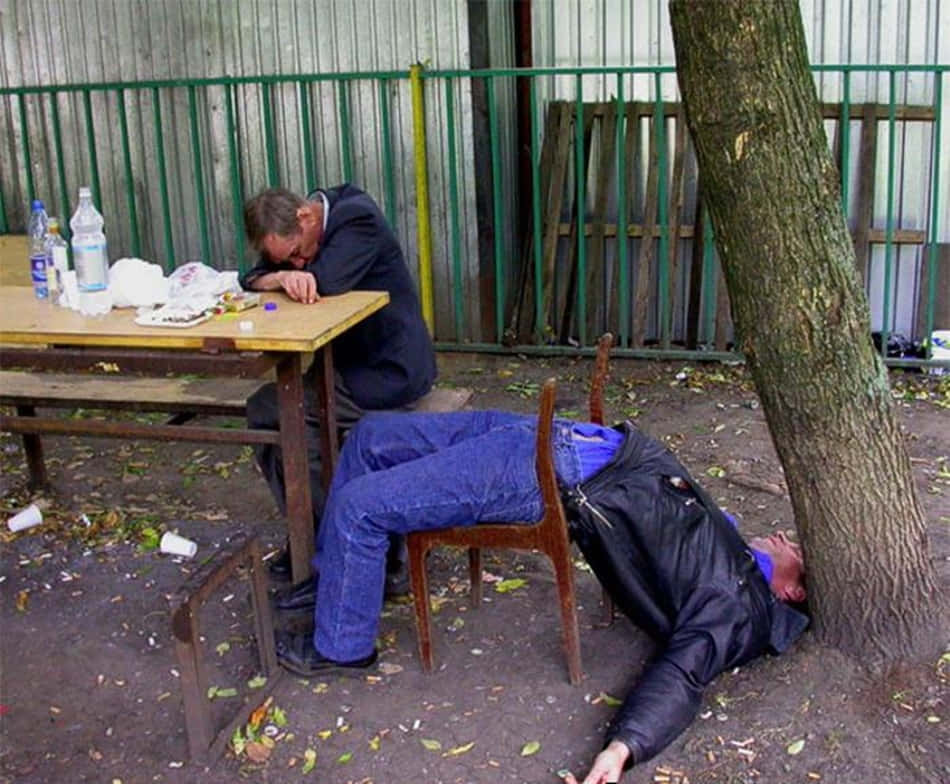
Alcohol: The Final Enemy of Civilisation
O you who believe! Intoxicants, gambling, idols, and drawing lots for decisions are but defilement from the work of Satan, so avoid them so that you may be successful.” (Qur’an 5:90)
By Abdullahi Yusuf
Adapted from Sheikh Ahmed Mohammed A. Wal’s Islam & Science
One of the world’s renowned hygiene experts, Prof. Horsah, is quoted as saying: “The prohibition which the so-called civilised United States could not enforce for 15 years has been successfully sustained by Islam for 14 centuries, thus saving humanity from destruction at an early stage.”
The Qur’an addresses the question of intoxicants in three key passages, including Qur’an 2:219, 4:43 and 5:90. The prohibition was revealed progressively, with the verses addressing different aspects of alcohol and its effects before the final and unequivocal command to avoid intoxicants.
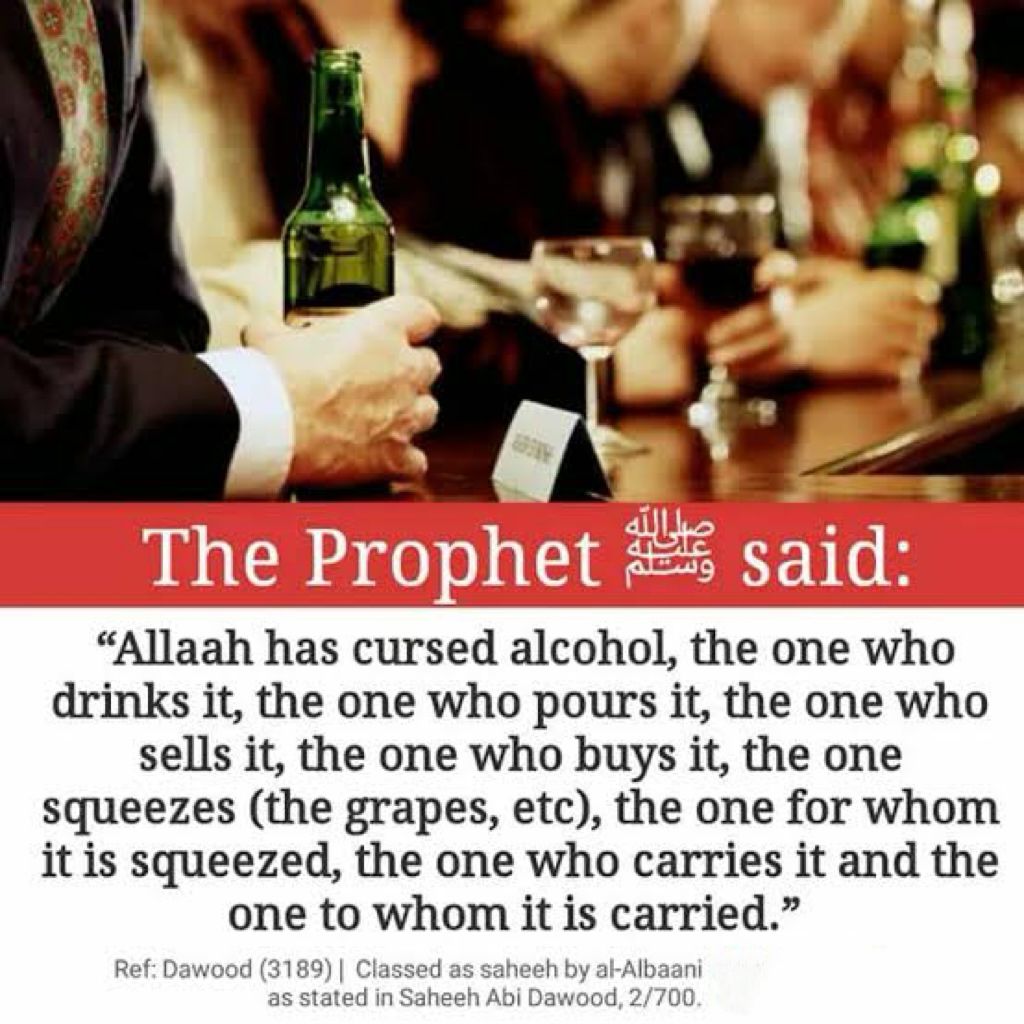
Some commentators of the Qur’an are of the opinion that the prohibition of liquor was introduced gradually, while others maintain that the three verses do not differ in their basic message and that their differences in expression point to different underlying meanings. In either interpretation, the Qur’an makes clear the destructive nature of intoxicants and ultimately commands believers to shun them. All praise is due to Allah.
To understand some of the detrimental effects of alcohol on human health, it is necessary to consider what happens to alcohol after it enters the body. Alcohol is rapidly absorbed into the bloodstream and is metabolised primarily by the liver. Unlike many nutrients, the body has no essential requirement for alcohol, and excessive consumption places a considerable burden on the organs responsible for processing it.
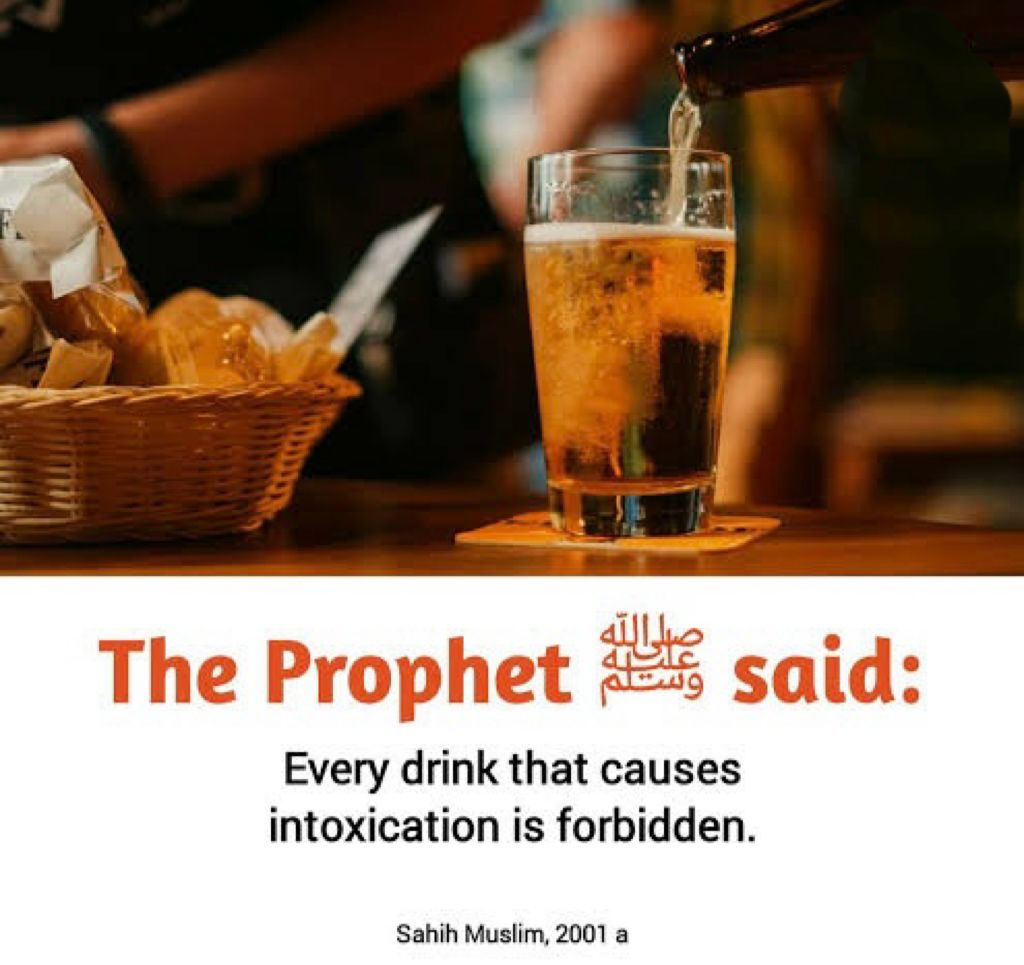
The Qur’an warns: “O you who believe! Intoxicants, gambling, idols, and drawing lots for decisions are but defilement from the work of Satan, so avoid them so that you may be successful.” (Qur’an 5:90)
The damaging effects of excessive alcohol consumption can begin with the mouth. Alcohol can contribute to dry mouth and, particularly when combined with poor oral hygiene and other risk factors, increase the likelihood of tooth decay, gum disease and other oral-health problems.
It is also well established that excessive alcohol consumption can damage the digestive system. Regular heavy drinking can irritate the lining of the stomach and contribute to conditions such as gastritis. But among the organs most seriously affected by chronic alcohol misuse is the liver.
The liver is responsible for metabolising alcohol and performing numerous other essential functions. When alcohol is consumed heavily over time, repeated exposure can damage liver cells and contribute to fatty liver disease, alcoholic hepatitis, fibrosis and, in severe cases, cirrhosis and liver failure.
Dr Haluk Nurbaki, a specialist in radiology and radiotherapy, has also written about the effects of alcohol on the body’s organs. He states:
“The liver cells are occupied solely with the duty of eliminating alcohol, and neglect their other duties. The chemical processes of the liver, each more sensitive than the other, are disrupted by the unchecked interference of alcohol.”
Dr Haluk further writes: “The kidneys, which may be regarded as the termination point of the circulatory system, are also seriously damaged by alcohol. For the kidneys conduct the filtration process at extremely sensitive chemical valences.”

The chronic effects of alcohol cannot be overemphasised. Long-term excessive drinking can damage the nervous system and contribute to a range of physical and psychological disorders. For this reason, the claim sometimes made by drinkers that “I don’t get drunk; I am resistant to alcohol” offers little consolation. A person’s ability to tolerate alcohol without obvious intoxication does not mean that the substance is harmless or that long-term damage cannot occur.
The effects of alcohol are particularly concerning among young people. Exposure to alcohol through entertainment, advertising, social gatherings and popular culture can contribute to its normalisation, especially when young people are encouraged to regard drinking as a symbol of maturity, freedom or social acceptance. Such influences deserve careful consideration by parents, educators and society.
The damage caused by alcohol does not end with the individual drinker. Its consequences can extend into the family and wider society. Alcohol misuse can contribute to violence, accidents, domestic conflict, financial hardship and the breakdown of relationships. It can also contribute to marital problems and expose children to unstable or harmful home environments.
The effects can also be felt in the workplace and across the wider economy. Alcohol-related illness, injuries, absenteeism, reduced productivity and premature death can diminish the productive capacity of a society. In this sense, the consequences of alcohol misuse extend far beyond the person who consumes it.
As these problems accumulate, they become matters of national concern. Governments and public-health authorities around the world have long recognised alcohol-related harm as a major social and health issue. The debate is therefore not simply a religious one; it is also a question of public health, family welfare, social stability and human productivity.

In view of these problems and many others, societies continue to grapple with the consequences of alcohol consumption. Yet the Qur’an addressed the matter at its root by commanding believers to avoid intoxicants.
Alhamdulillah, Islam established this prohibition as a means of protecting human beings from a substance whose consequences can reach far beyond the individual. What modern medicine and social science continue to document about alcohol-related harm may deepen our appreciation of the wisdom behind the prohibition, but for the believer, the fundamental reason for abstaining remains obedience to Allah.
SPONSORED

SPONSORED

SONSORED
