
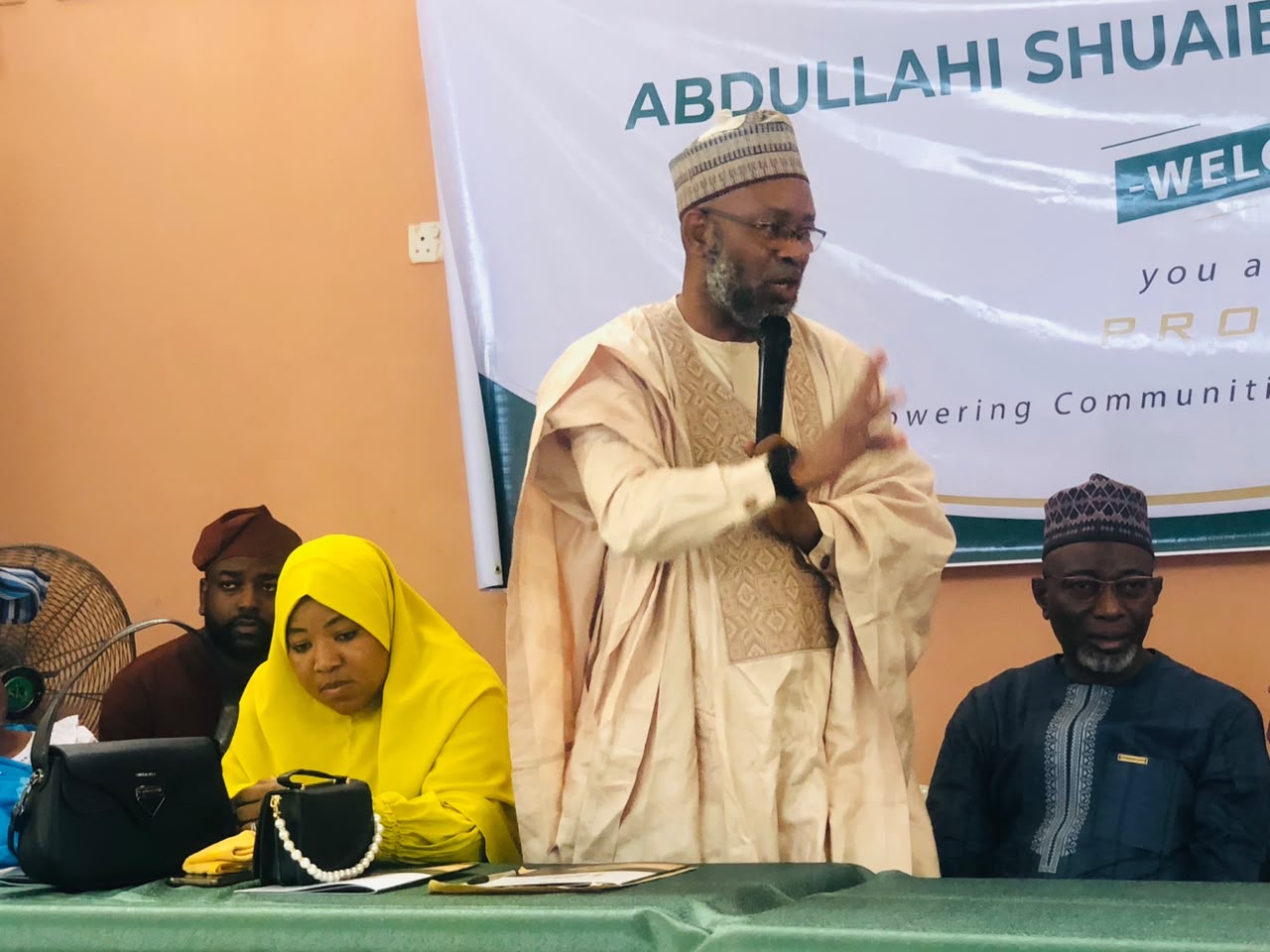
Abdullahi Shuaib Foundation Empowers beneficiaries with N17, 688,663.66
Cash grants, refrigerators, sewing machines and laptops distributed as Abdullahi Shuaib Foundation says Islamic charity should restore dignity and create sustainable livelihoods.
By Adebisi Yusuf
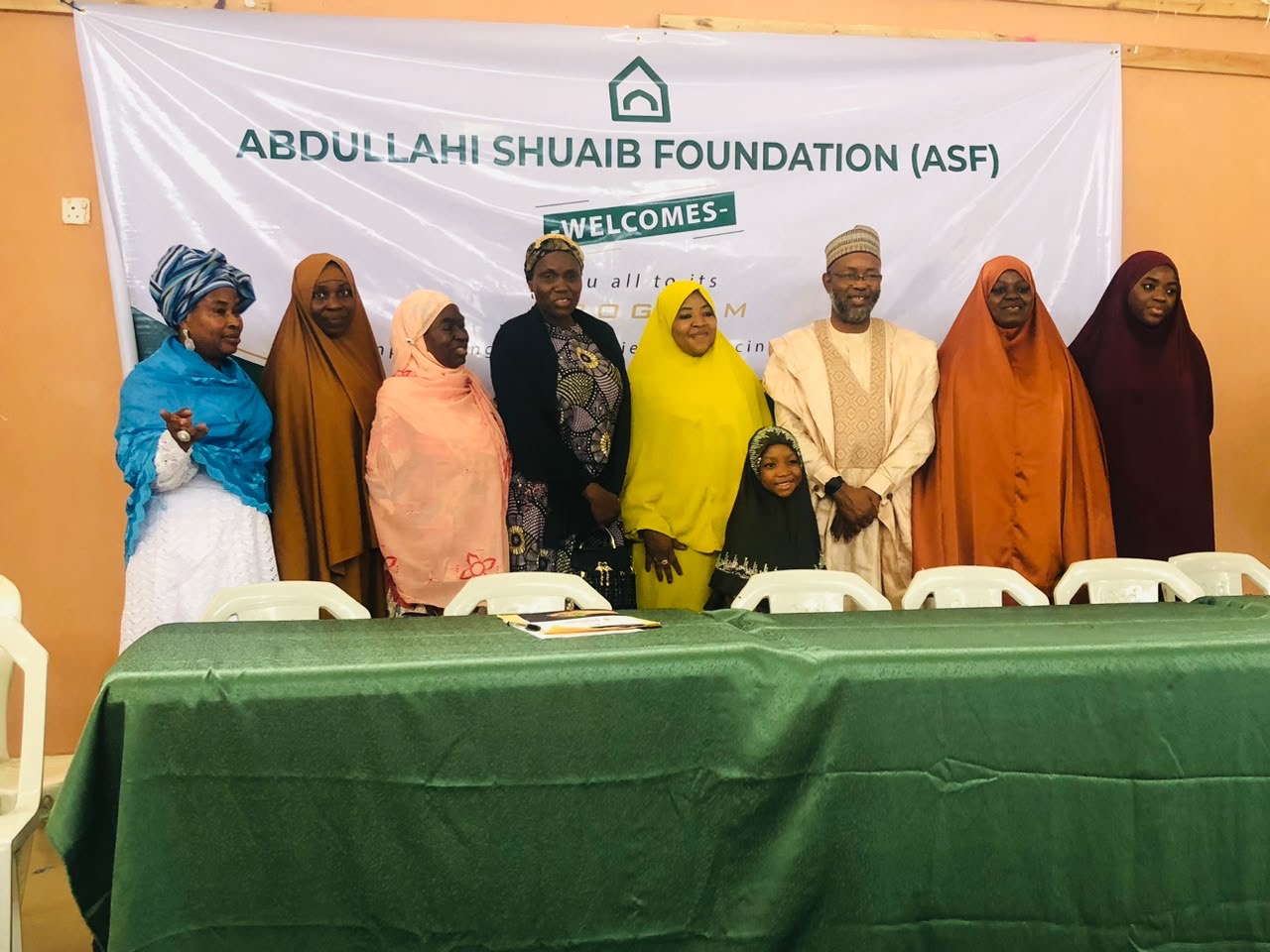
The Abdullahi Shuaib Foundation has distributed cash assistance and business equipment to hundreds of beneficiaries in Lagos as part of its 2026 annual Zakat Distribution Ceremony, with organisers saying the programme was designed to move beyond conventional charity by equipping vulnerable people with tools for long-term economic independence.
The event, held in Lagos on 13 April, brought together beneficiaries, donors, community leaders, association members and religious figures for what the Foundation described as an annual gathering dedicated to relief, empowerment and social responsibility.
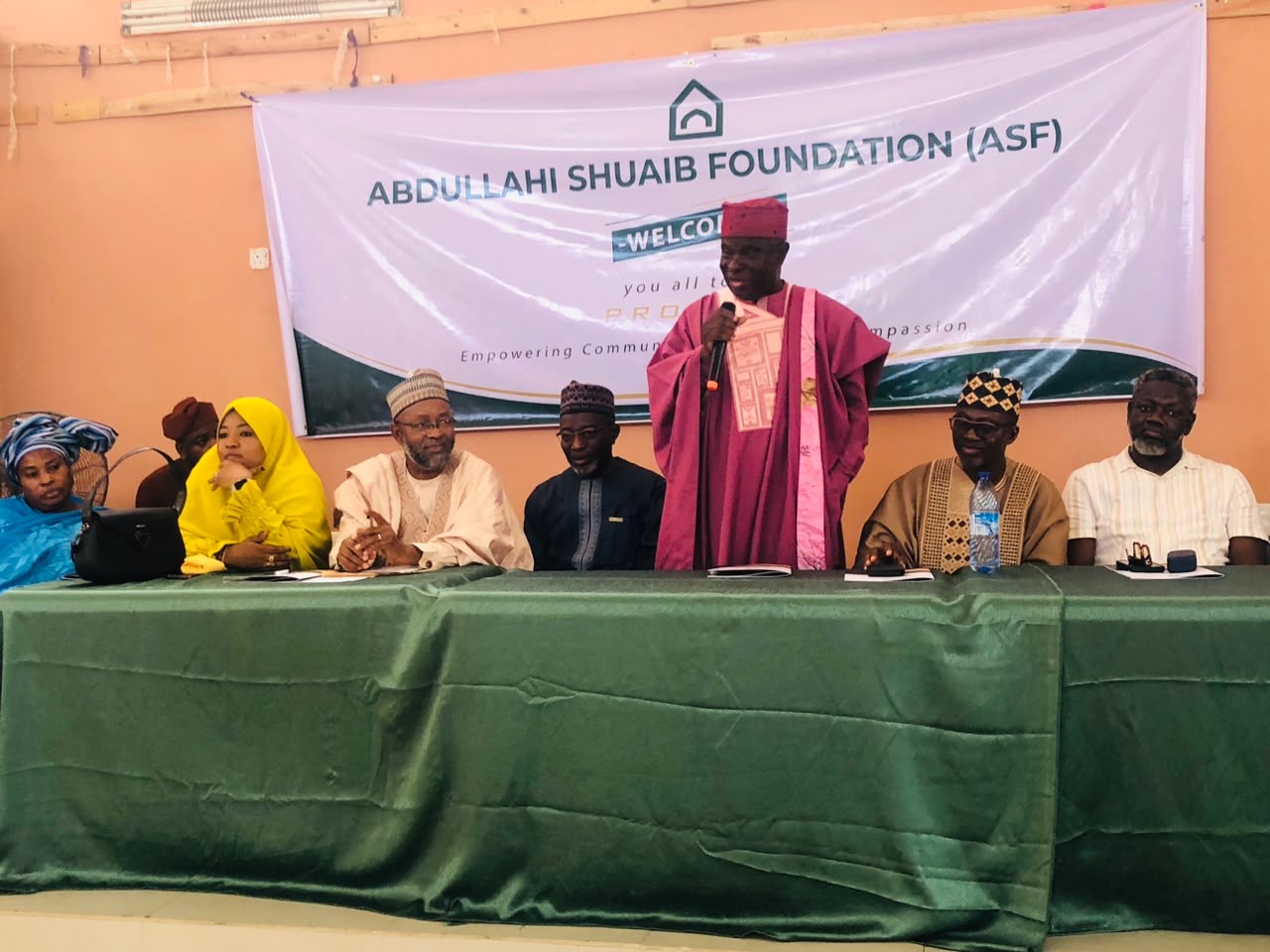
Opening the ceremony, the Foundation’s founder, Dr Imam Abdullahi Shuaib, described the occasion as a “homecoming”, telling participants that the philosophy behind the programme was to transform Islamic charity into an instrument of sustainable development rather than temporary assistance.
This year’s intervention combined direct financial support with practical empowerment packages intended to strengthen small businesses and improve household livelihoods across communities in Lagos.
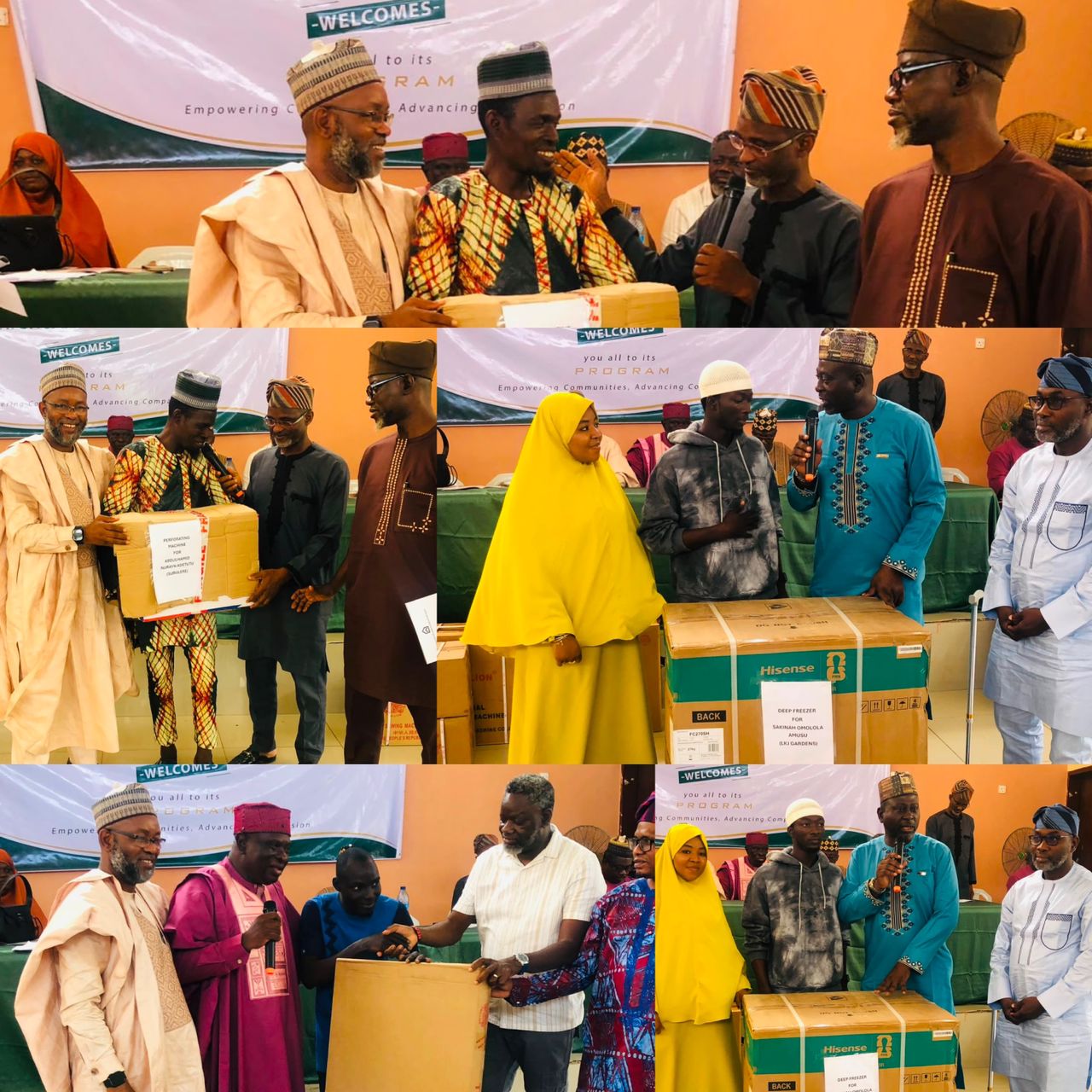
Beneficiaries received cash grants to assist with urgent medical bills and other immediate family needs, while traders and food vendors were presented with refrigerators to preserve perishable goods and reduce business losses. Tailors and aspiring fashion entrepreneurs received sewing machines to expand or establish enterprises, while laptops were distributed to students and young people to enhance digital learning and access to online opportunities.
Addressing the gathering, Dr Shuaib said zakat should be understood as a means of restoring dignity rather than simply providing handouts.
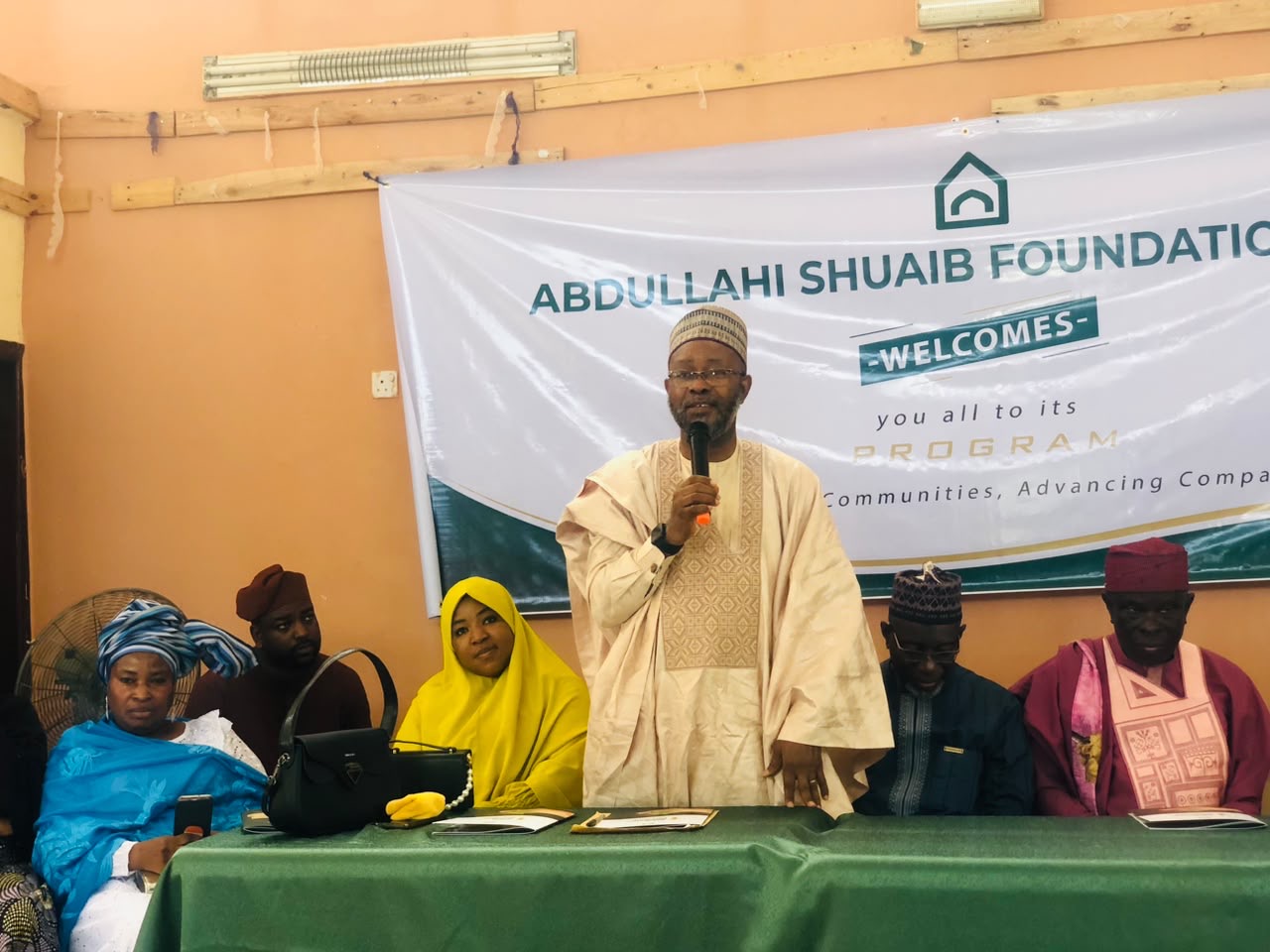
“Zakat is about dignity. It is not just giving handouts. What we distribute today is an investment in our people’s future. When you empower someone with a sewing machine or a laptop, you are giving them a chance to feed themselves and their families for years,” he said.
He also reiterated what he described as the Foundation’s guiding philosophy, telling guests that generosity had repeatedly brought unexpected blessings throughout his own life.
“Givers never lack,” he said, sharing personal experiences which, according to him, demonstrated how acts of charity often return through unforeseen opportunities and divine provision.
Foundation officials said the cash and equipment distributed during the ceremony were made possible through donations received from supporters and partners over the previous week. Dr Shuaib publicly acknowledged the contributions of donors and assured attendees that every item and financial contribution received had been channelled directly to intended beneficiaries without delay.
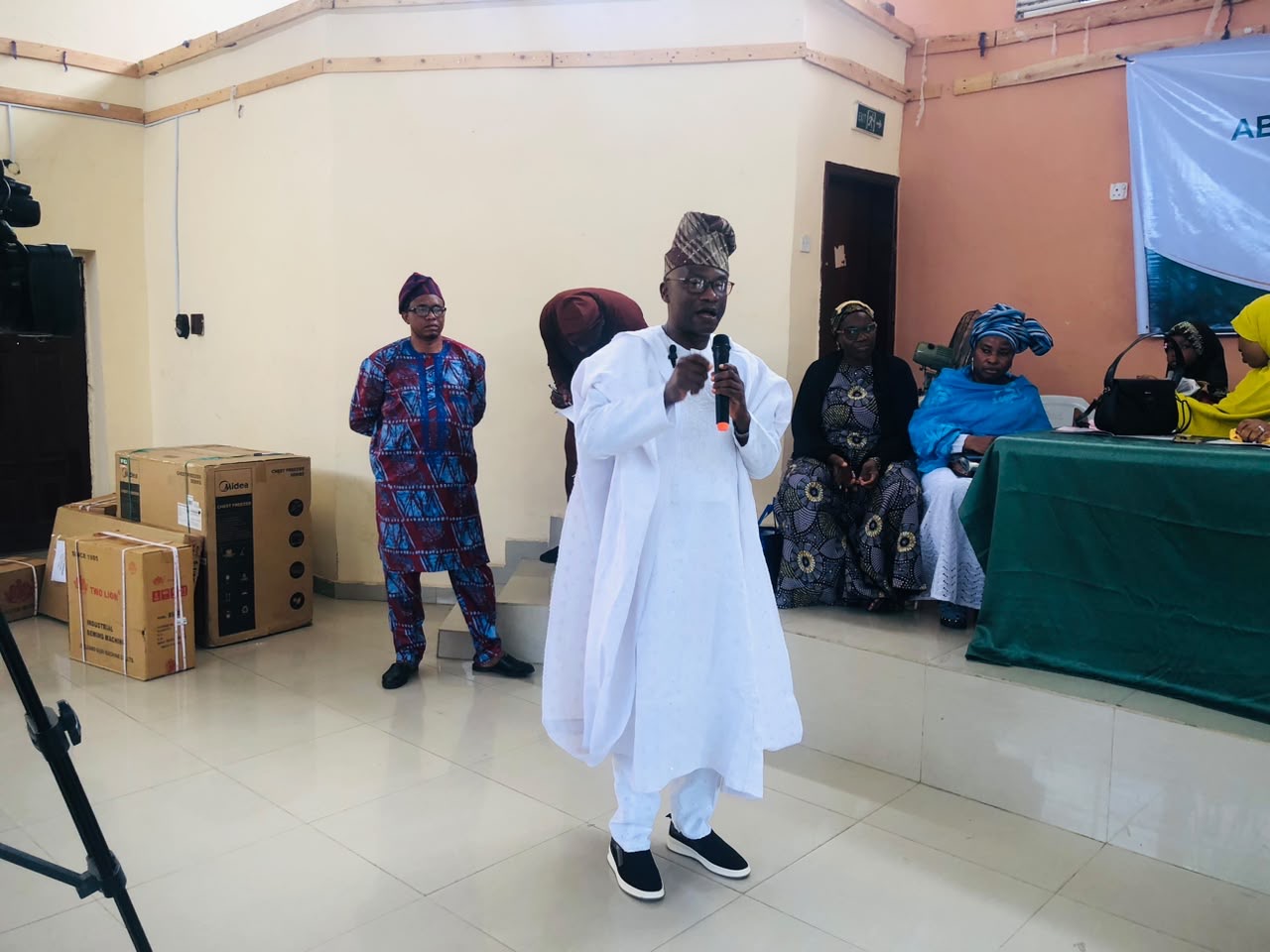
The programme drew commendations from community leaders and members of partner associations, many of whom described the Foundation’s approach as one that seeks to address poverty through empowerment rather than dependency.
Several speakers encouraged beneficiaries to make productive use of the equipment provided, stressing that the initiative should serve as the foundation for sustainable livelihoods and economic self-sufficiency.
One association representative remarked that the objective was not merely to provide temporary relief but to equip people with the means to build lasting sources of income.
“We don’t just want to give fish. We want to give fishing tools. That is what the Abdullahi Shuaib Foundation is doing here today,” the representative said.
Another speaker reflected on earlier collaborations with Dr Shuaib involving skills acquisition programmes in fish farming and video editing, recalling that those pilot projects later influenced wider government-backed initiatives that now support trainees financially while they acquire vocational skills.
She said Dr Shuaib had demonstrated early that practical training, when combined with sponsorship, could become a powerful instrument for reducing unemployment and poverty, adding that the distribution of laptops represented a continuation of that vision by preparing young Nigerians for participation in the digital economy.
Messages of goodwill were also delivered by religious leaders, social workers and representatives of beneficiary groups, who prayed for the founder, his family and the continued expansion of the Foundation’s activities across Nigeria.
In his closing remarks, Dr Shuaib stressed that the Abdullahi Shuaib Foundation was not established to compete with other charitable organisations but to collaborate with institutions and agencies working to improve the welfare of vulnerable communities.
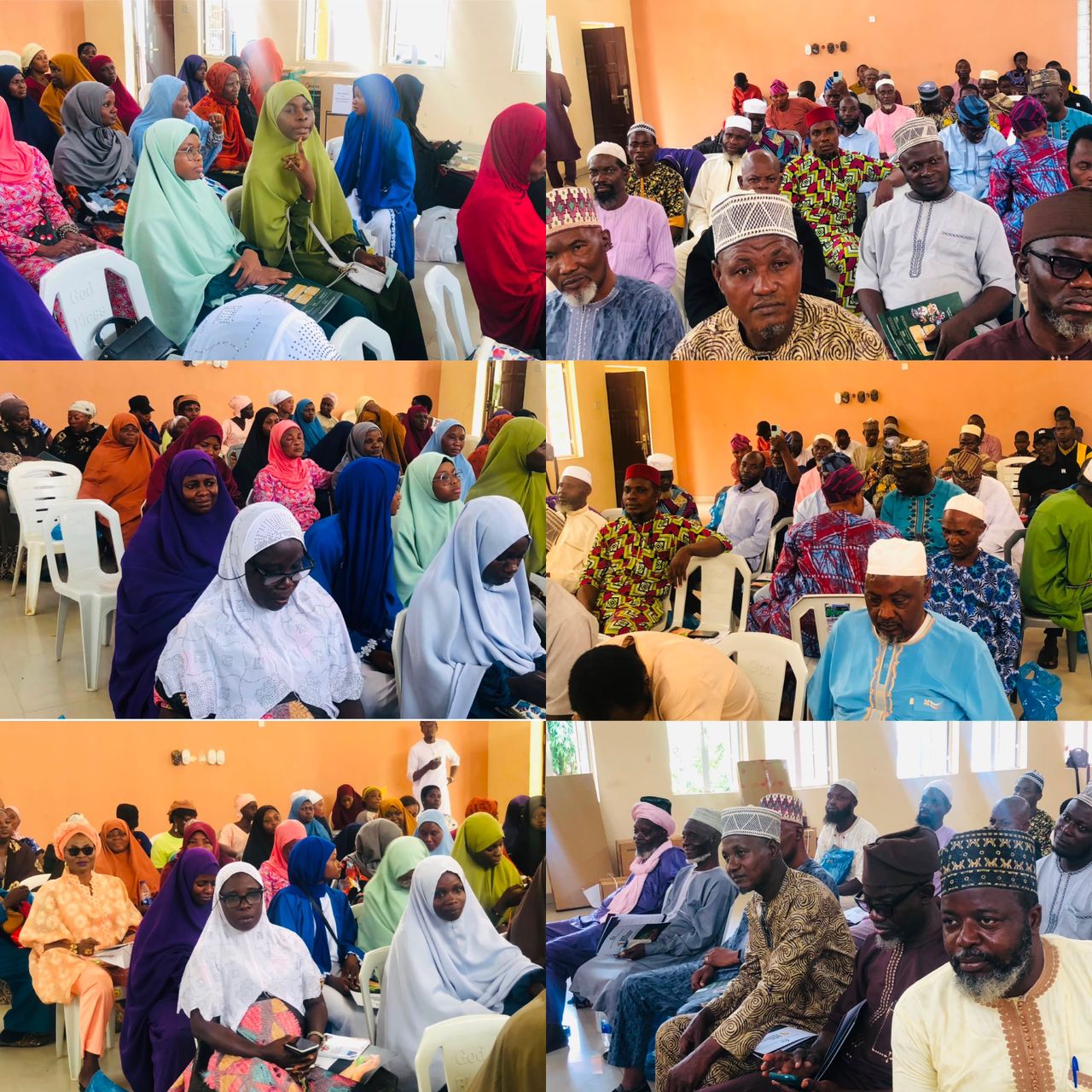
He argued that the country’s present economic realities require stronger partnerships between private foundations, government agencies and humanitarian organisations to achieve meaningful social impact.
“The times we are in are tough, but tough times require collective action. We are ready to work with any foundation or government agency that shares our goal of lifting people out of poverty with dignity,”he said.
He further disclosed that beneficiaries identified during the programme with critical medical conditions would receive additional direct financial transfers in the coming days to assist with treatment costs.
The ceremony concluded with prayers for the founder, donors, beneficiaries, Lagos State and Nigeria, while participants were reminded that zakat remains both an act of worship and a practical mechanism for promoting social justice and reducing inequality.
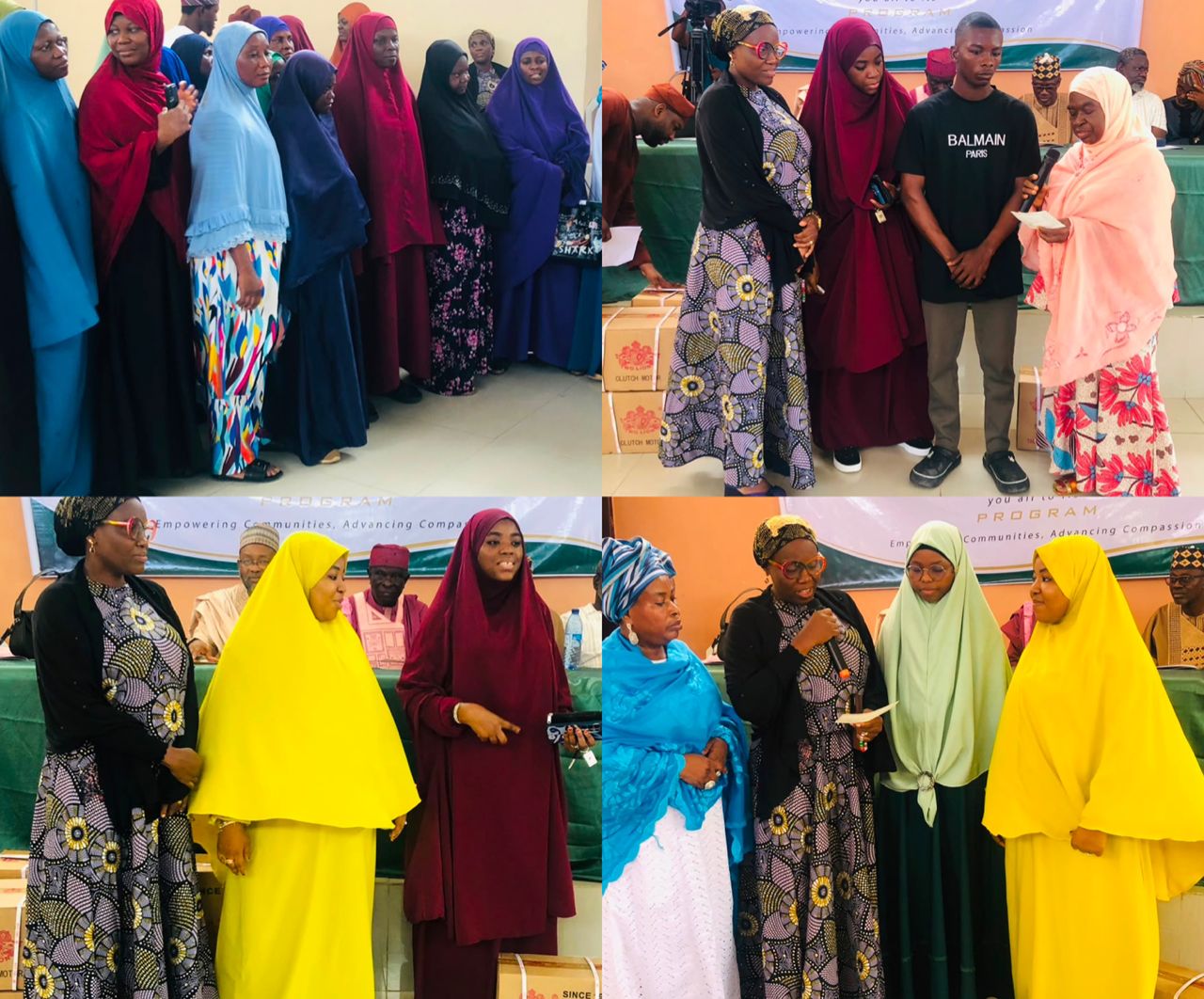
For many of those who attended, the day’s significance extended beyond the distribution of cash and equipment. For some, it represented relief from mounting medical expenses; for others, it marked the beginning of a new business venture or access to digital opportunities that had previously been beyond reach, offering not only material support but renewed hope for a more secure future.
SPONSORED

SPONSORED

SONSORED
