

A decade after failed coup, Türkiye’s democratic resilience examined in Abuja
Turkish and Nigerian experts examine democratic resilience, security challenges and the role of citizens in defending constitutional order a decade after the failed coup attempt.
By Abdullahi Yusuf
Democracies confronting terrorism and political instability cannot depend on military strength alone but must build resilient institutions, informed citizens and public confidence if they are to withstand future threats, academics, diplomats and media practitioners said on Thursday as Türkiye commemorated the 10th anniversary of the failed July 15, 2016 coup attempt.
At an international panel discussion in Abuja, participants argued that the events of July 15 have come to represent more than a defining moment in Türkiye’s modern political history. A decade later, they said, the failed coup offers broader lessons for countries facing insurgency, violent extremism, disinformation and constitutional challenges, including Nigeria.
The programme, organised by the Presidency of the Republic of Türkiye’s Directorate of Communications, formed part of a global series of commemorative events held simultaneously in Nigeria and nine other countries under the theme “National Will and Democratic Resilience: July 15 in Its 10th Year.”

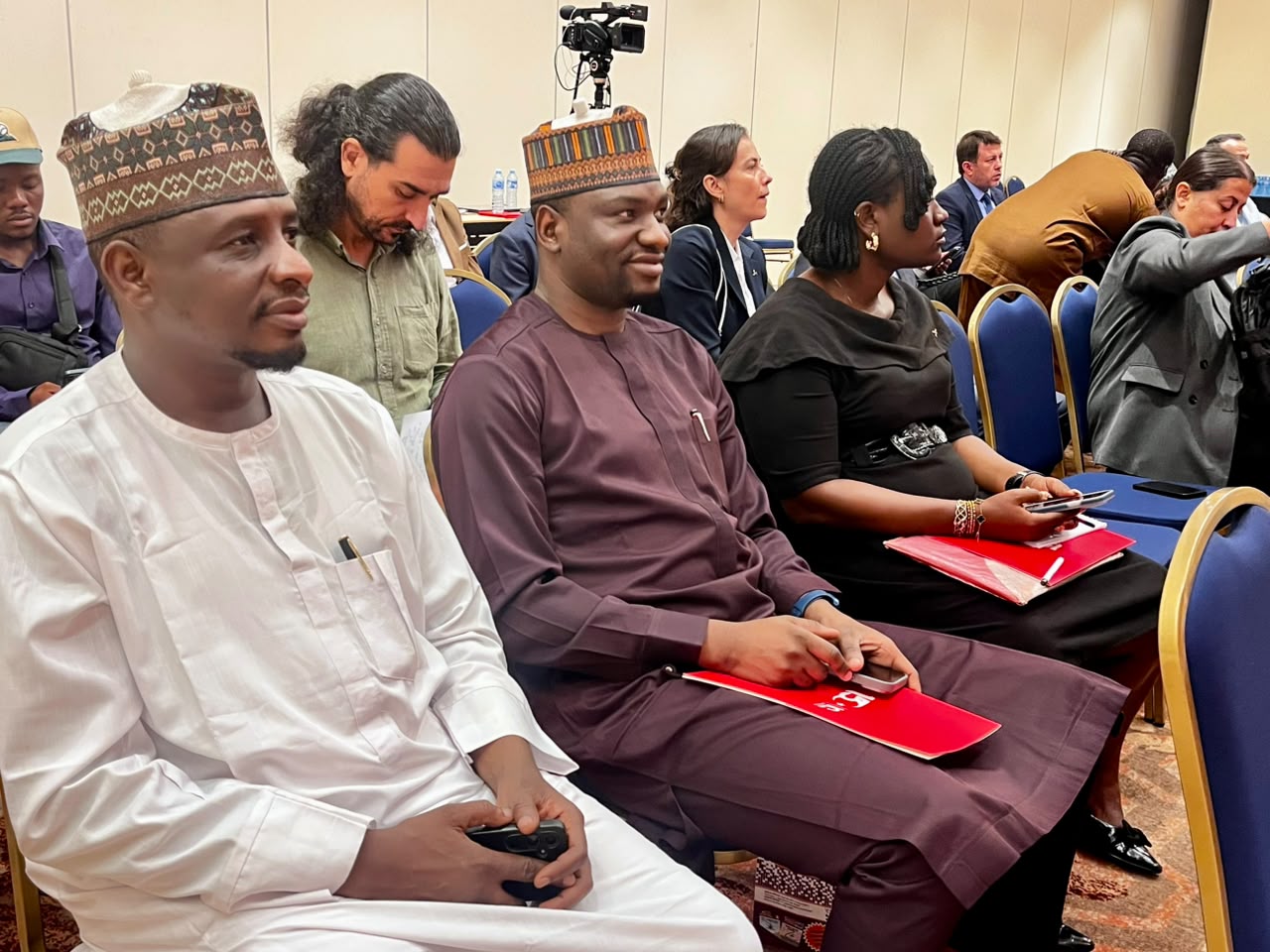
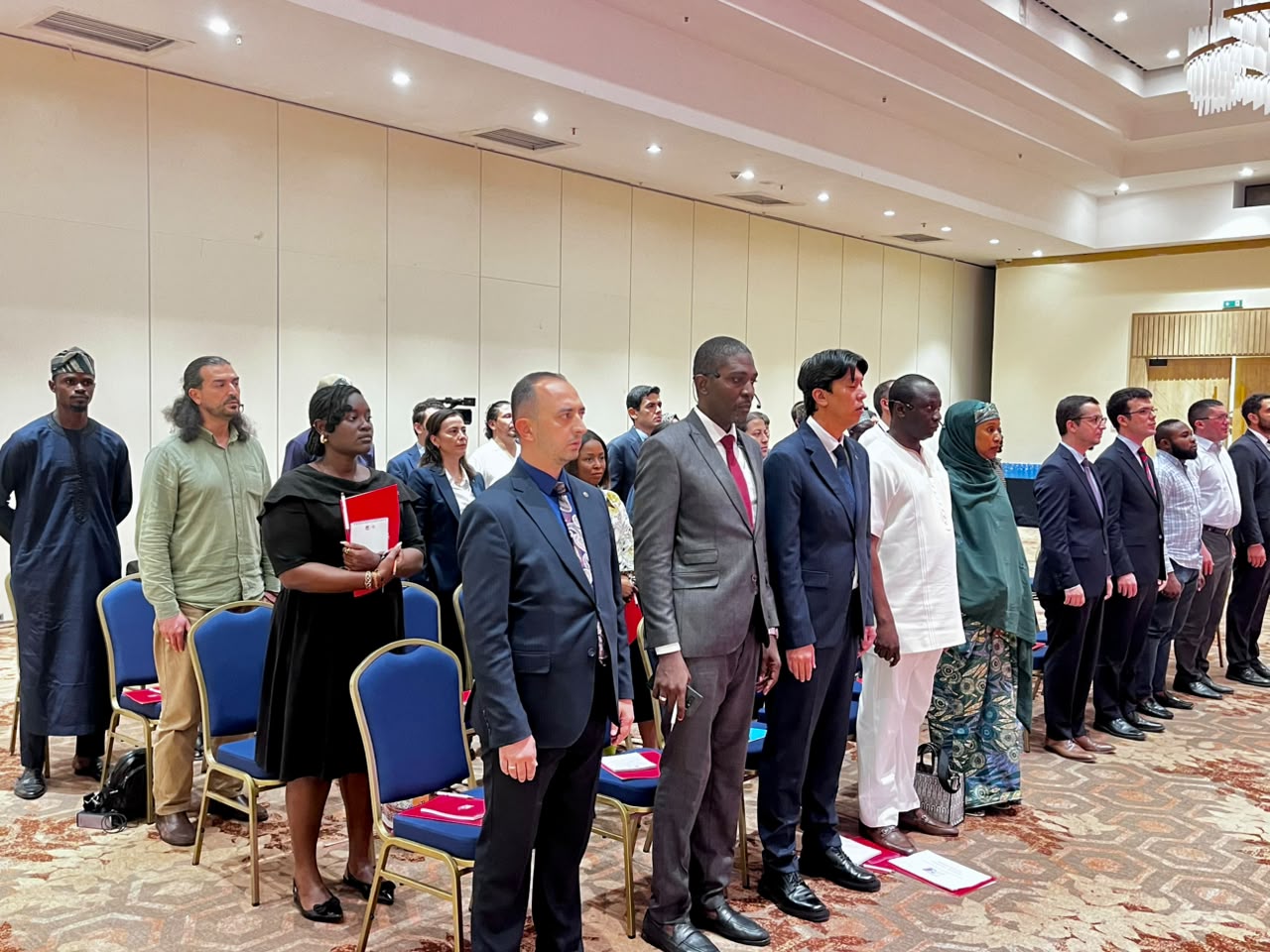
Hosted in Abuja, the gathering brought together academics, diplomats, security experts, journalists, civil society representatives and policymakers to examine how Türkiye’s experience could inform contemporary debates on democratic governance, national security and international cooperation.
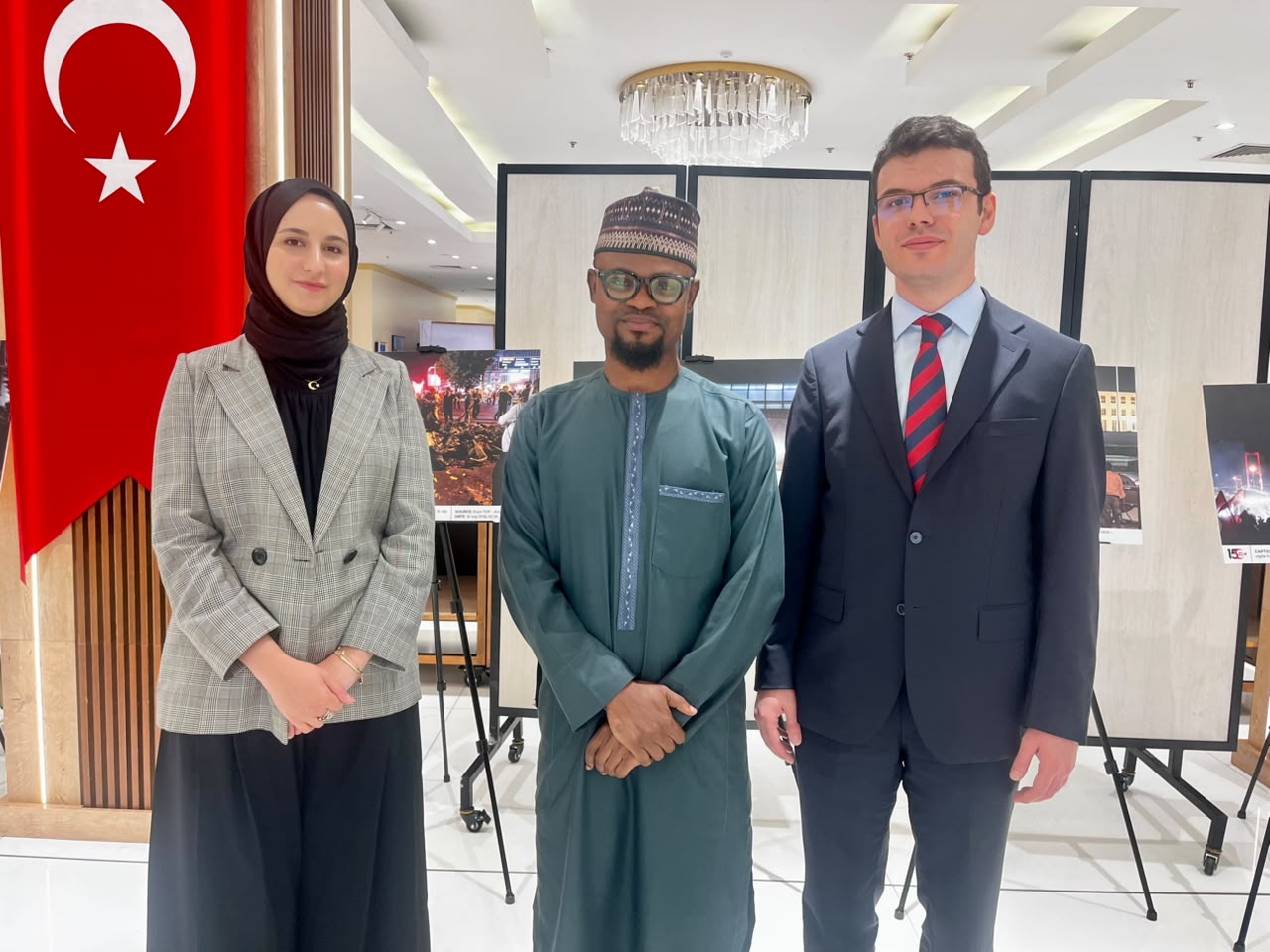
Proceedings began with a photographic exhibition documenting the failed coup attempt before a panel discussion that explored the intersection of security, governance, media responsibility and public participation. The event concluded with the screening of the Turkish film Şafak Vakti (Dawn Time), depicting the events of July 15.
Setting the tone for the discussion, moderator and researcher at the Foundation for Political, Economic and Social Research (SETA), Dr. Tunç Demirtaş, observed that relations between Nigeria and Türkiye had entered a new phase in recent years, driven by expanding cooperation in defence, diplomacy, education and economic development.
He referred to the nine bilateral agreements signed during President Bola Tinubu’s visit to Türkiye earlier this year as evidence of growing strategic ties and invited the panel to consider how both countries could deepen cooperation against terrorism while strengthening democratic institutions.
Although speakers approached the discussion from different professional backgrounds, a common conclusion emerged: modern security challenges cannot be addressed solely through military operations. Sustainable stability, they said, depends on effective institutions, credible leadership, responsible public communication and citizens willing to defend constitutional order.
A PEACE Magazine correspondent at the event observed that the discussion consistently returned to those themes, with contributors examining Türkiye’s experience through the interconnected lenses of security, democratic governance, media responsibility, civic participation and bilateral cooperation. While each speaker offered a distinct perspective, together they argued that long-term democratic resilience depends as much on public trust as it does on state capacity.

For President of the Türkiye Alumni Association of Nigeria, Dr. Mohammed Bawa Gummi, the failed coup demonstrated the decisive role ordinary citizens can play in protecting democratic governance.
While acknowledging that Nigeria’s security environment differs significantly from Türkiye’s, he argued that the broader principles behind the Turkish response remain relevant. Rather than attempting to replicate another country’s strategy, Nigeria, he said, should draw lessons from Türkiye’s ability to mobilise institutions and society in defence of constitutional rule.
He pointed to Nigeria’s diverse security challenges, from insurgency in the North-East and armed banditry across the North-West to separatist violence in parts of the South-East, as evidence that responses must extend beyond military operations.
According to Gummi, counter-terrorism requires a combination of security operations, economic development, effective public communication, stronger intelligence systems and closer collaboration with community and religious leaders capable of countering extremist narratives at the grassroots.
He also highlighted the growing defence partnership between Abuja and Ankara following agreements signed earlier this year, saying cooperation in technology transfer, military training and defence production presents opportunities to strengthen Nigeria’s security architecture while improving institutional capacity.
The discussion also examined democracy from a broader societal perspective.

Director of the Yunus Emre Institute in Nigeria, Fatih Erkin Mahdum, stressed that the enduring significance of July 15 lies not only in the attempted overthrow of an elected government but in the collective response that followed.
He said millions of Turkish citizens from different political and social backgrounds demonstrated that constitutional governance ultimately depends on public commitment rather than legal frameworks alone.
That experience, he maintained, has shaped Türkiye’s efforts over the past decade to strengthen democratic institutions while maintaining political stability amid regional uncertainty and evolving security threats.
Mahdum also outlined the Turkish government’s position regarding the FETÖ network, which Ankara holds responsible for orchestrating the attempted coup after years of infiltrating public institutions.
Beyond politics and security, however, he emphasised the growing role of cultural diplomacy in strengthening bilateral relations.
Through language education, cultural exchanges, exhibitions and academic engagement, he said, the Yunus Emre Institute has sought to deepen understanding between Nigerians and Turks since establishing its Abuja office in 2021, reflecting a relationship that increasingly extends beyond government-to-government cooperation.
The conversation later turned to the role of the media in shaping public understanding during periods of political crisis and armed conflict, with speakers warning that misinformation and unverified reporting can become as damaging as the security threats themselves.

Publisher of Muslim News Nigeria, Rasheed Abubakar, emphasized that the failed coup exposed weaknesses in the way international events are reported across parts of Africa. He observed that many Nigerian news organisations relied heavily on foreign news agencies during the 2016 crisis because relatively few journalists had direct knowledge of Türkiye, access to sources on the ground or an understanding of the country’s political landscape.
He said the result was that some early reporting reflected external interpretations rather than a fuller understanding of events within Türkiye itself.
Against a backdrop of increasingly sophisticated disinformation campaigns and rapidly evolving artificial intelligence technologies, Abubakar said responsible journalism now demands greater discipline than ever. Verification, multiple sourcing and editorial caution, he argued, are essential safeguards against unintentionally amplifying propaganda or misinformation circulated during conflicts.
He also called for closer professional cooperation between Nigerian and Turkish media institutions through training, exchanges and improved access to reliable information, saying stronger journalistic partnerships would contribute to more balanced reporting on international affairs and security issues.
Reflecting on developments across Africa over the past decade, Abubakar noted that several countries had experienced successful military takeovers despite widespread international support for constitutional governance. He argued that democratic institutions ultimately derive their legitimacy from citizens prepared to defend them, observing that no constitutional system can endure if public commitment to democratic rule weakens.

The discussion later took a more personal dimension when Dr. Zainul Abideen Jibril of Skyline University Nigeria recounted his experience of witnessing the July 15 events while studying international relations in Bursa, Türkiye.
He recalled how the night of the attempted coup unfolded with growing uncertainty as reports emerged of a military takeover bid and aircraft flew over the city. Responding to public calls to defend democratic institutions, he joined residents who gathered in Bursa, where he saw people from different political and social backgrounds unite in opposition to the attempt to overthrow the elected government.
Jibril said the experience left him with a lasting impression of the role citizens play in protecting democracy, noting that constitutional order depends not only on institutions but also on public commitment and civic responsibility.
Drawing lessons for Nigeria, he highlighted areas where both countries could deepen cooperation, including intelligence-sharing, security research and institutional strengthening, while stressing that lasting stability requires public trust and effective governance.
Bringing the discussion to a close, moderator Dr. Tunç Demirtaş said the conversations had highlighted the increasingly interconnected nature of today’s security challenges, noting that terrorism, violent extremism, disinformation and threats to constitutional order require cooperation across borders and sectors.
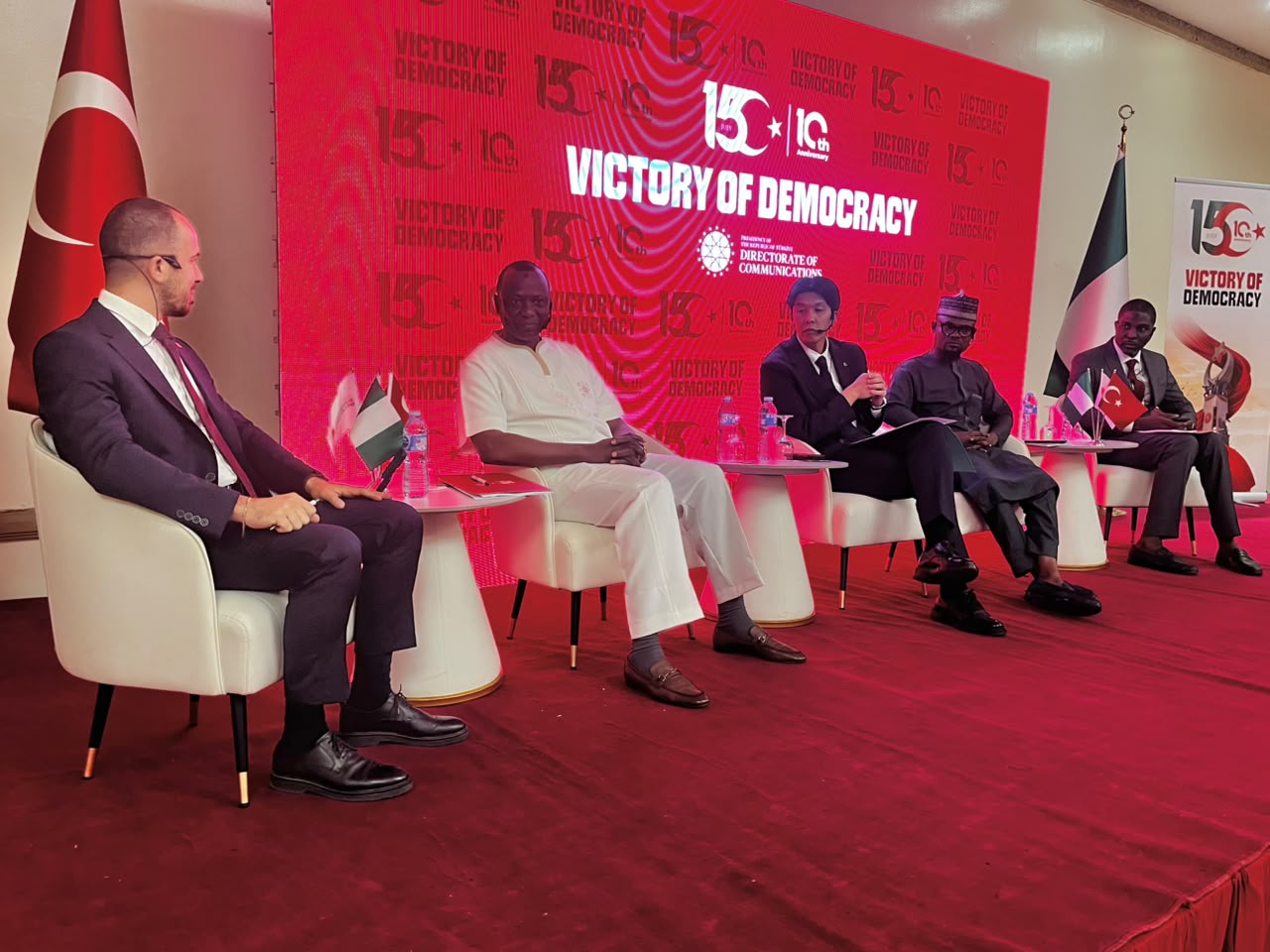
The Abuja programme formed part of Türkiye’s 10th anniversary commemoration of the failed July 15, 2016 coup attempt, when elements within the Turkish military attempted to overthrow the elected government. The attempt was resisted by state institutions and thousands of civilians who took to the streets in defence of constitutional order. More than 250 people were killed and thousands injured during the unrest.
A decade later, the anniversary continues to serve as a reference point in Türkiye’s discussions on democratic resilience, national security and the role of citizens in protecting elected institutions.
As proceedings concluded with a documentary screening and a photo exhibition documenting the events of that night, the Abuja gathering reflected on a central question raised throughout the discussions: how democracies can strengthen themselves against internal and external threats while maintaining public trust.
For Nigeria, where security challenges continue to test state institutions, the discussion offered an opportunity to examine how democracies can strengthen public trust, improve resilience and respond to threats without weakening constitutional order.
Photos from the event:
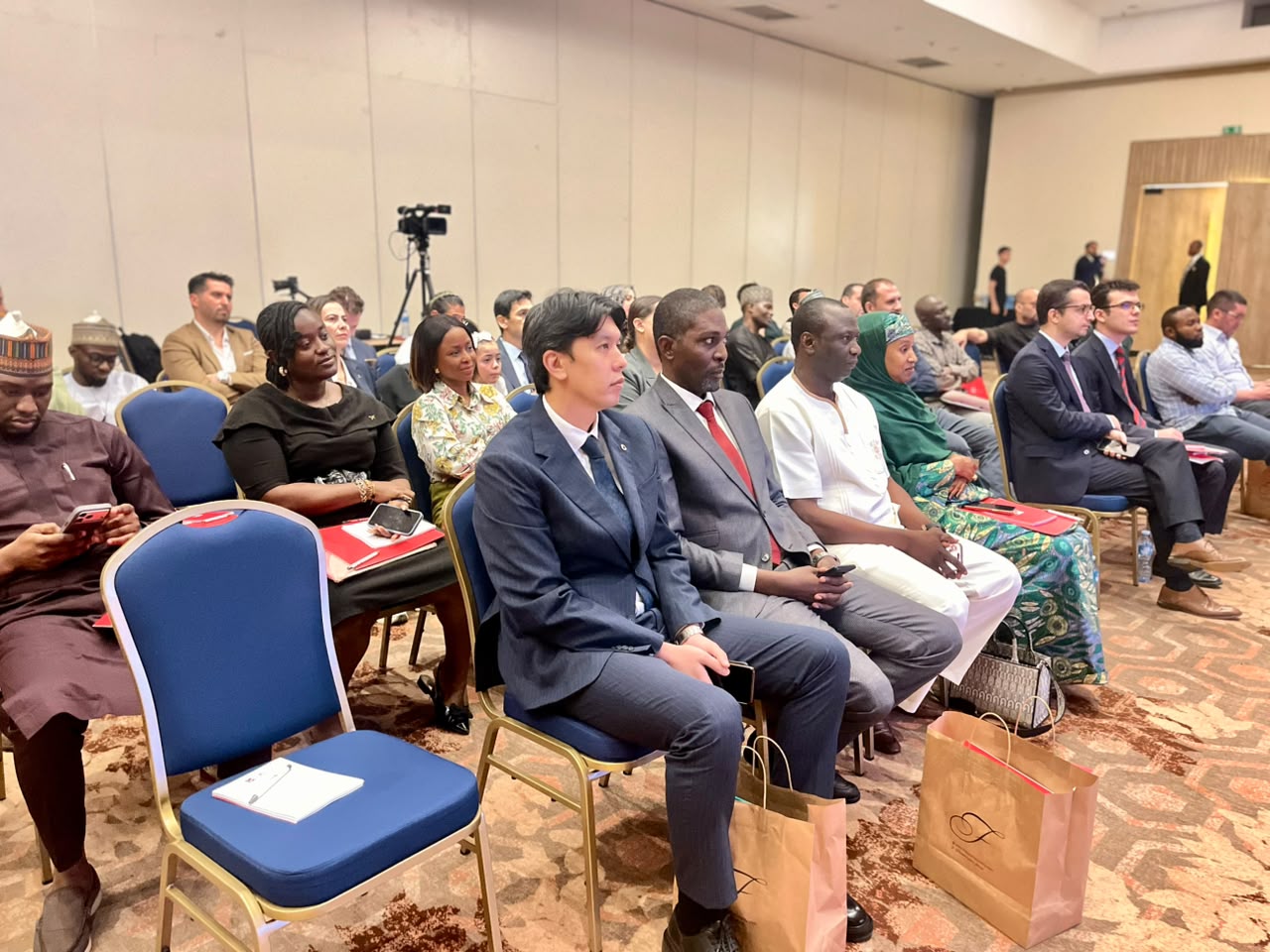
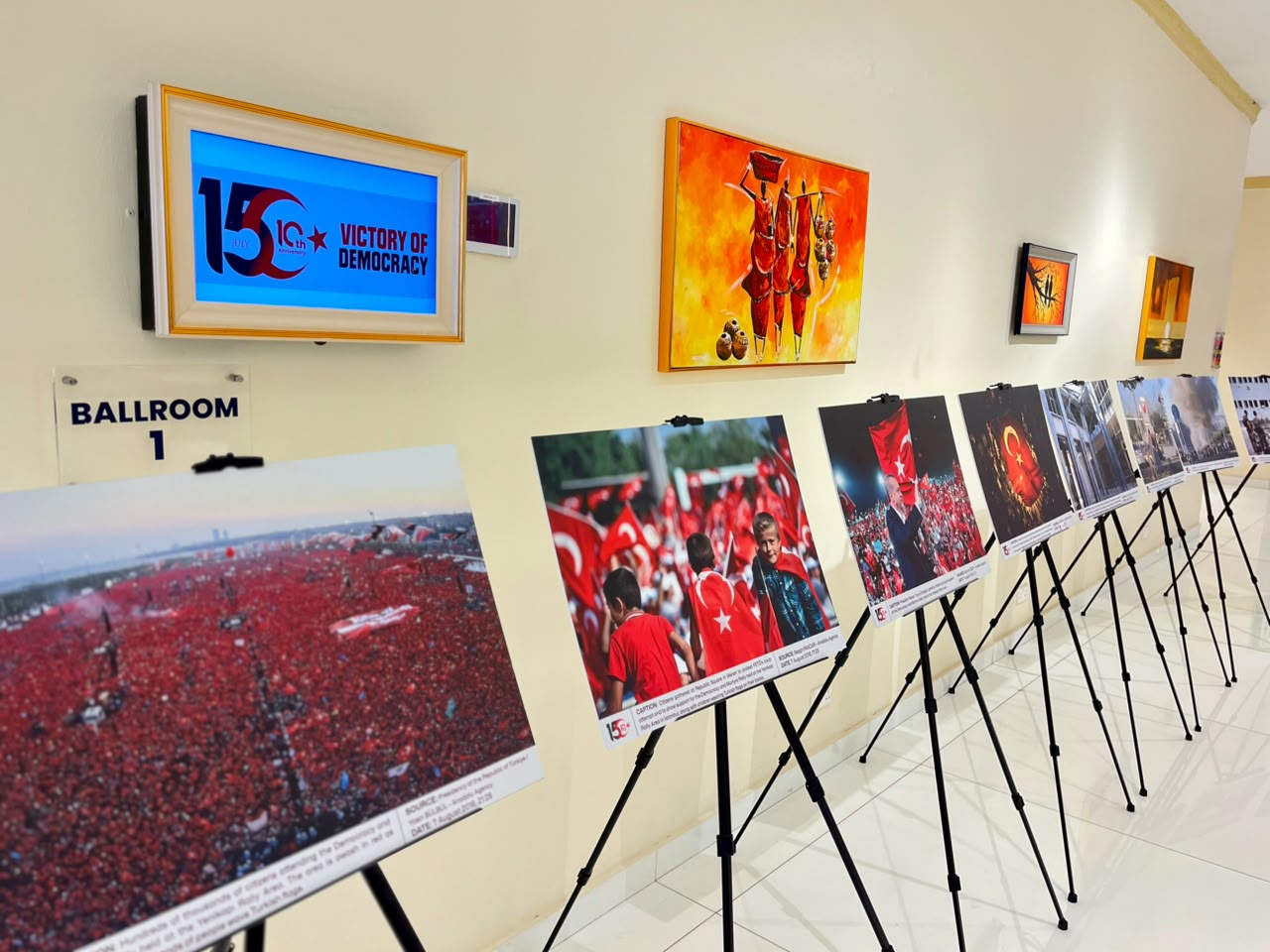

Photos: PEACE Magazine
SPONSORED
SPONSORED

SPONSORED

SPONSORED
