
27 Iranian Airports Damaged in War as Air Services Resume After Ceasefire
Iran says runways, taxiways, navigation systems, firefighting facilities and passenger terminals were damaged, but aviation services were restored through a rapid reconstruction effort.
By Abdullahi Yusuf
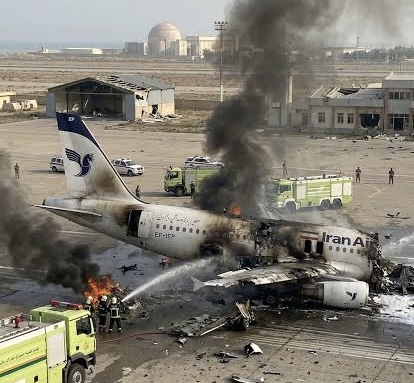
27 airports across Iran sustained damage during the latest US-Israeli war, affecting runways, taxiways, aircraft parking areas, navigation systems and passenger facilities, according to Iran’s Airports and Air Navigation Company.
Despite the widespread damage, the country’s aviation authorities moved to restore air services immediately after the ceasefire, with officials saying flights have since resumed following an emergency reconstruction effort.
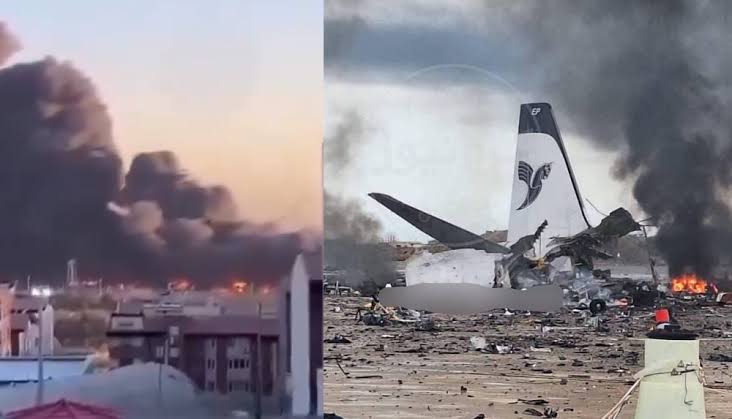
Morteza Dehqan, chief executive of Iran’s Airports and Air Navigation Company, disclosed the extent of the damage during a press conference, according to Iranian media reports. He said affected infrastructure included aircraft operating surfaces, runways, taxiways, aircraft parking areas, safety and firefighting buildings, navigational aids and passenger terminals.
“Despite the extent of the damage inflicted, we had to immediately resume providing services,” Dehqan said.
He said the Ministry of Roads and Urban Development and the Iranian government had treated the restoration of air-transport services as an immediate priority, with safety placed at the centre of the response.
The first stage focused on making aircraft operating surfaces safe for take-offs and landings while work on air-navigation and air-traffic-control systems proceeded simultaneously.
Dehqan said Iranian air-navigation specialists initially relied on available equipment and worked to restore damaged systems to operational condition.
“Flights are impossible without airport and air-navigation infrastructure. Therefore, the reconstruction of airports and navigation systems was placed on the agenda simultaneously,” he said.
The reconstruction effort was subsequently expanded to include domestic companies and knowledge-based firms capable of supplying aviation systems, equipment and technology.
Some of those companies and their equipment had themselves been damaged during the conflict, Dehqan said, but infrastructure was made available to enable them to resume work alongside airport specialists.
“The flights being conducted today are the result of this prioritization and the tireless efforts of various sectors working together,” he said.
The response also involved efforts to protect critical aviation equipment during the conflict.
According to Dehqan, airport personnel moved essential equipment from control towers and technical buildings to secure locations to prevent further damage.
He also said some contractors joined the restoration effort before formal contracts had been arranged or payments made.
“Some contractors even began working alongside the organization without contracts or receiving payment and participated in the reconstruction process,” he said.
Dehqan described air transport as potentially central to the wider recovery of the Iranian economy, arguing that functioning airports could help reconnect economic sectors following the disruption caused by the war.
“If different sectors of the country’s economy are to resume normal activities, air transport and airports can serve as the driving force behind this process,” he said.
The damage was sustained during the conflict that began on February 28 and ended with a unilateral ceasefire announced by US President Donald Trump on April 7, according to the Iranian account of events.
The restoration of aviation services therefore became one of the earliest tests of Iran’s ability to bring critical civilian infrastructure back into operation after the fighting.
While the Airports and Air Navigation Company has not publicly detailed the cost of repairing all 27 affected airports, the scale of the damage described by its chief executive illustrates the extent to which the conflict disrupted infrastructure beyond the immediate battlefield.
SPONSORED

SPONSORED

SONSORED
