
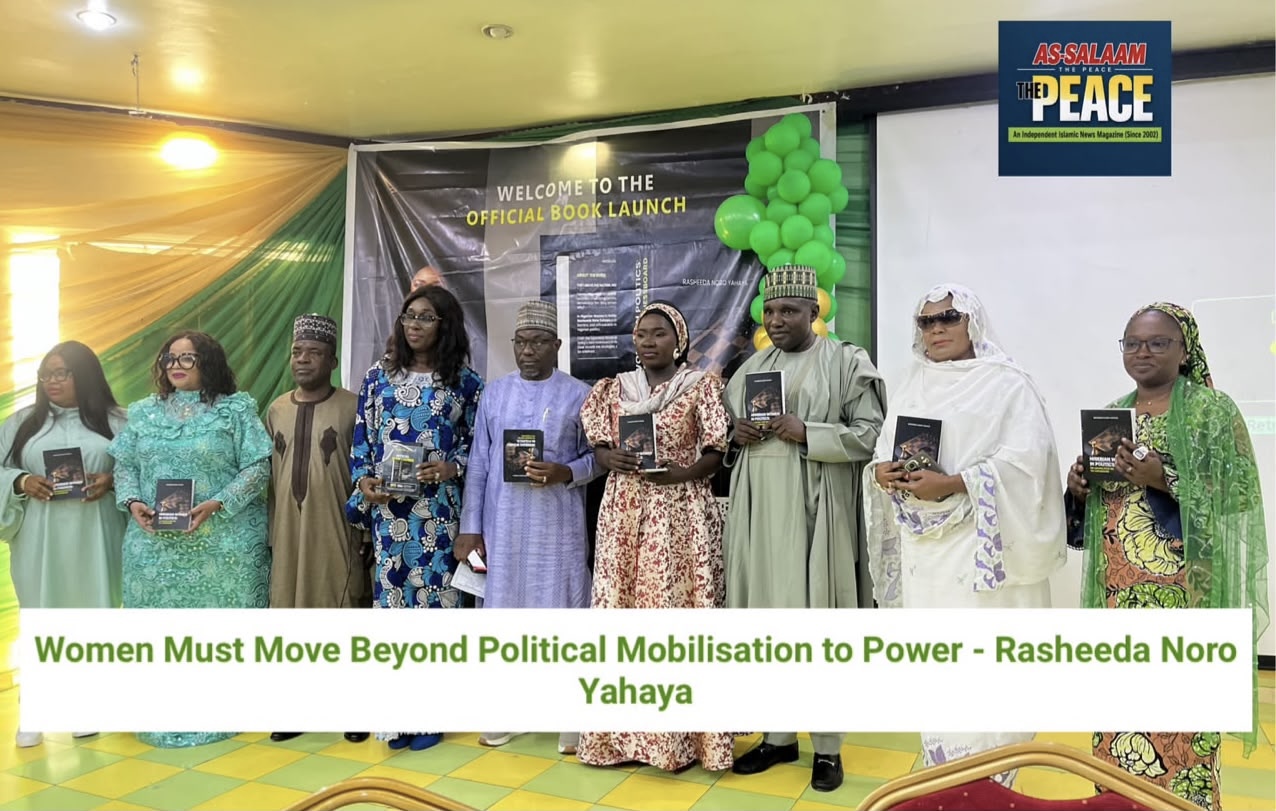
Women Must Move Beyond Political Mobilisation to Power – Rasheeda Noro Yahaya
The author of Nigerian Women in Politics: The Missing Piece on the Chessboard says party gatekeeping, informal negotiations and societal expectations continue to keep women away from the tables where political decisions are made.
By Abdullahi Yusuf
Women have become indispensable to political mobilisation in Nigeria, campaigning, organising voters and sustaining grassroots political structures, yet remain largely absent from the negotiations where candidacies and the distribution of political power are decided, author Rasheeda Noro Yahaya has said.
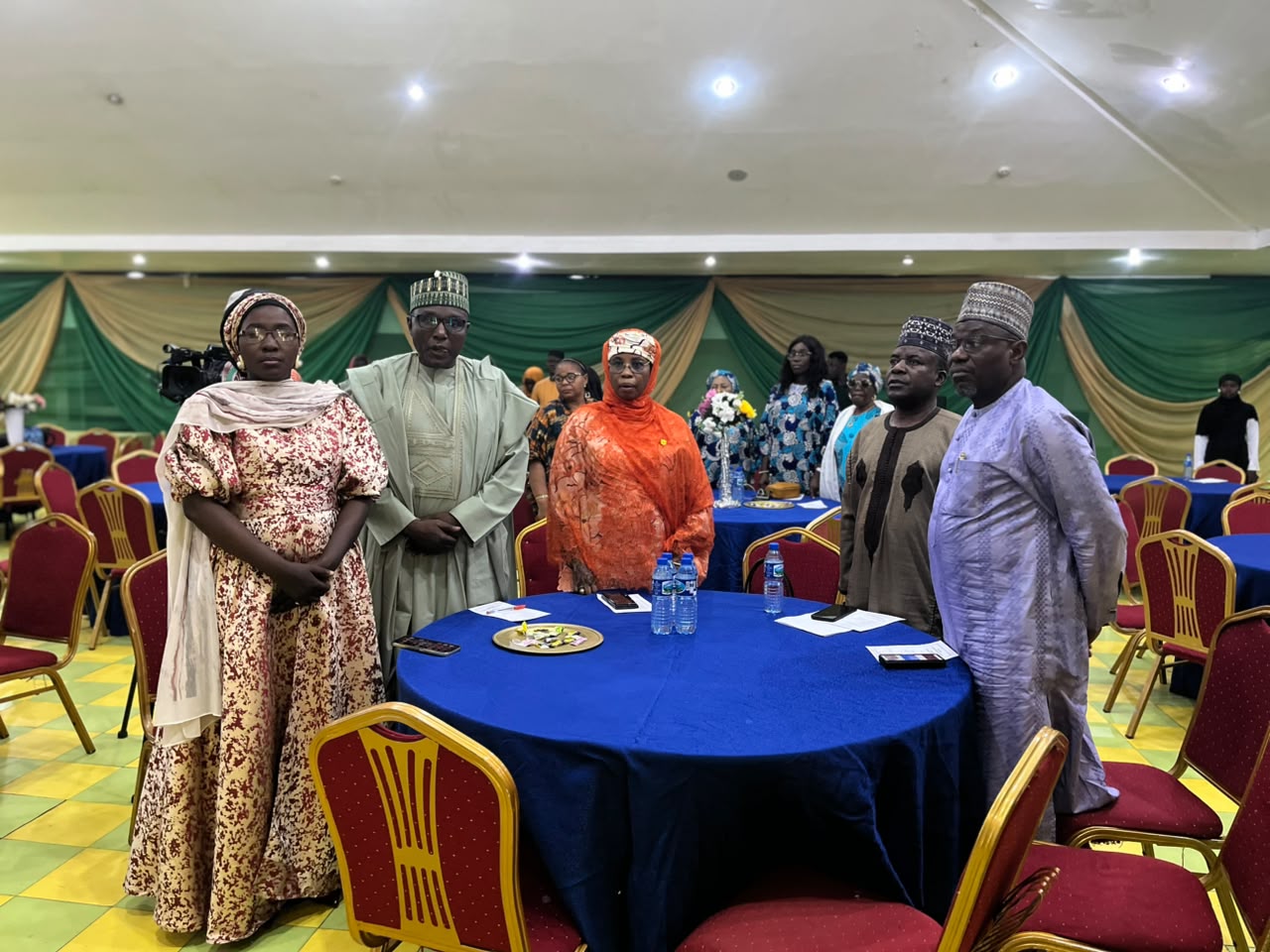
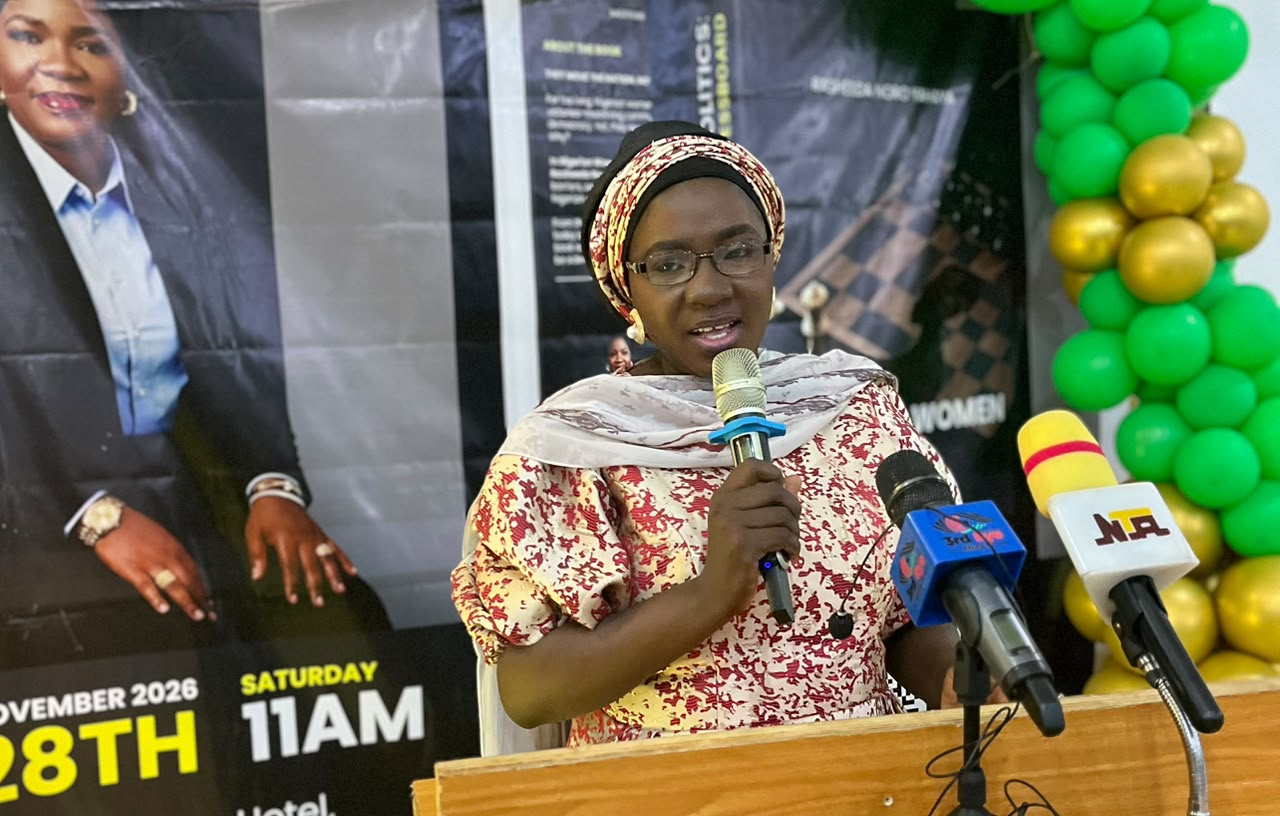
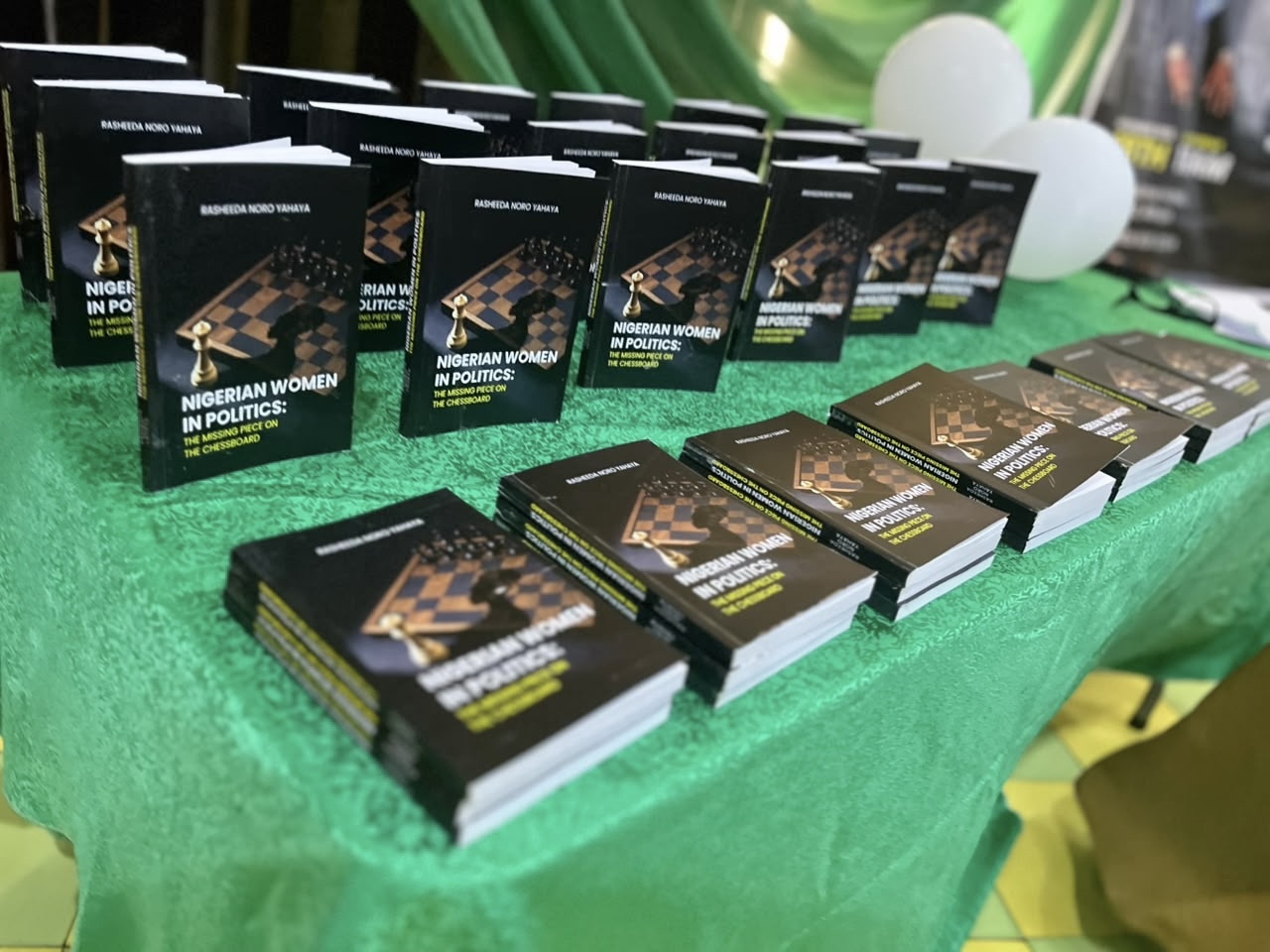
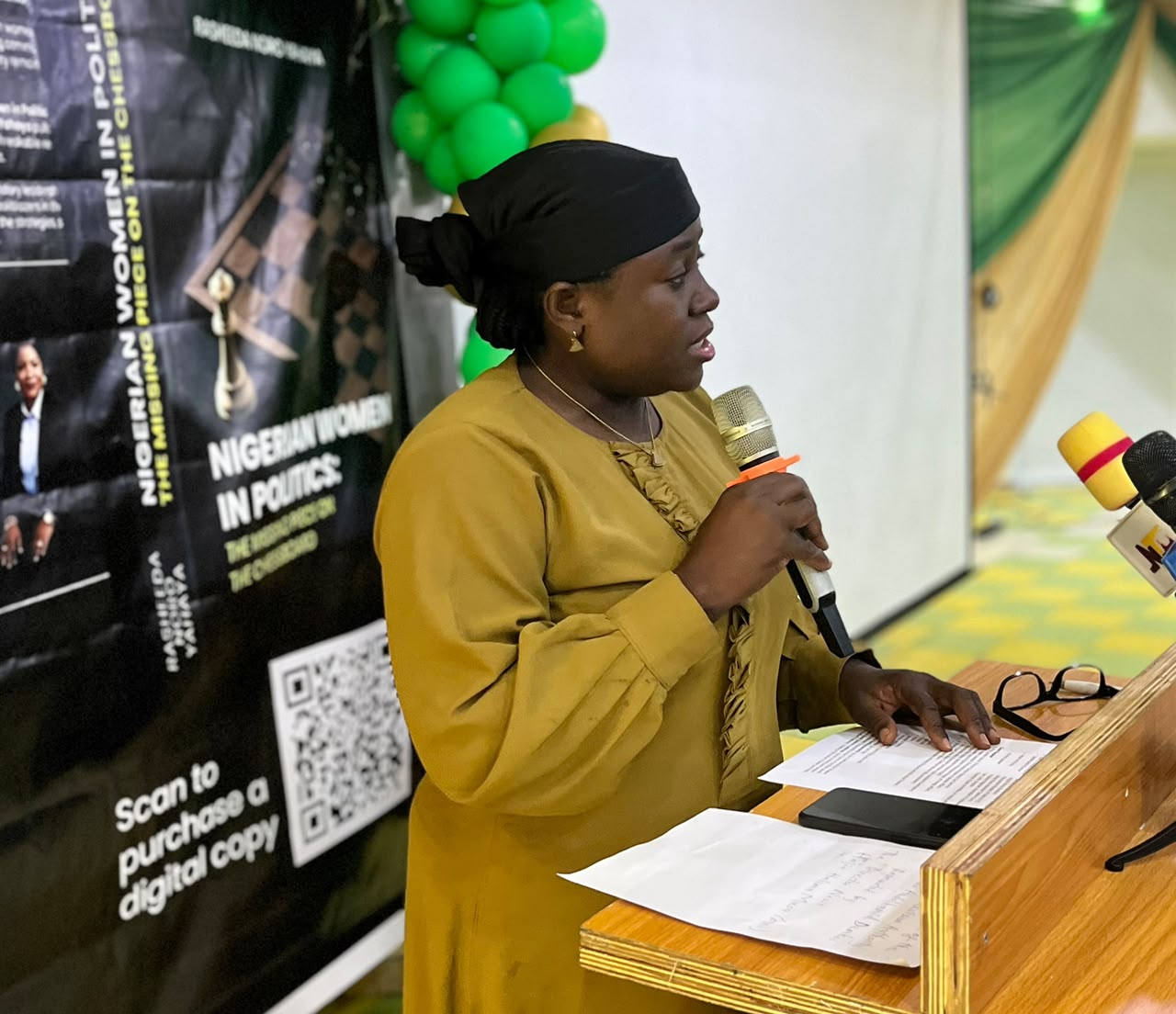
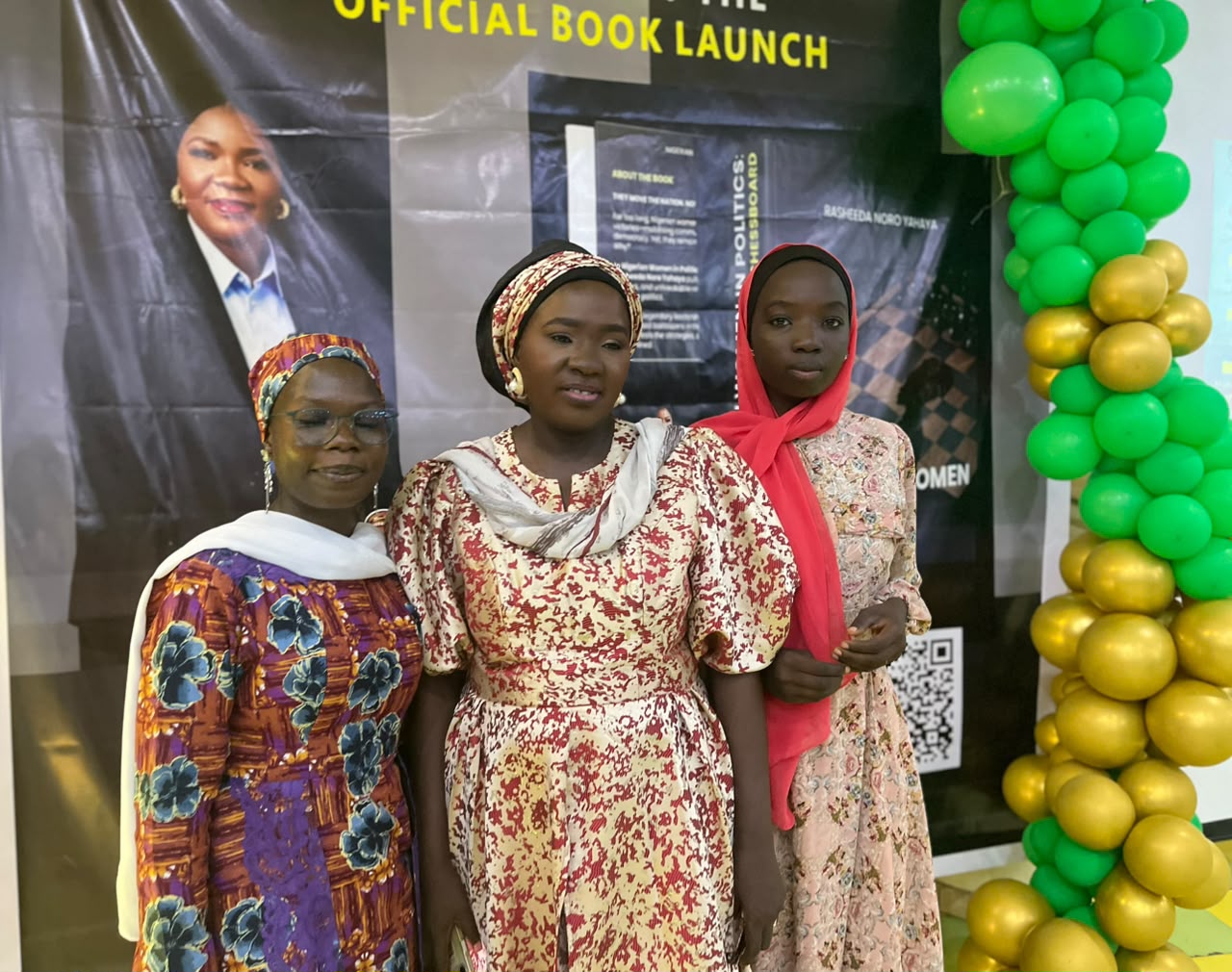
Yahaya, Chief Executive Officer of ROTV24, made the observation at the launch of her book, Nigerian Women in Politics: The Missing Piece on the Chessboard, in Abuja, where she called for a fundamental shift in women’s political participation from supporting electoral contests to occupying positions where political decisions are made.
In an interview with PEACE Magazine, she identified informal political negotiations, party gatekeeping and godfatherism as some of the structures undermining women’s access to political leadership, arguing that consequential decisions are frequently taken outside formal party gatherings, including in informal meetings where women may have limited access.
She said the exclusion is reinforced by societal expectations about women’s roles, which can discourage them from pursuing political ambitions or participating in political engagements viewed as incompatible with conventional expectations of respectable womanhood.
Yahaya said her own ambition to contest for a Senate seat and reservations expressed by her children about her entering politics prompted her to reflect on the attitudes and prejudices confronting women who seek public office. She noted that such resistance can extend beyond immediate family members to relatives and wider social circles, particularly over women’s involvement in political meetings and other engagements.
The author urged Nigerians to assess female candidates on their competence, manifestos and capacity to serve rather than gender-based assumptions, while calling for greater family and community support for women seeking political office.
Describing the publication as a practical guide rather than a catalogue of grievances, Yahaya said it examines political structures, grassroots mobilisation, campaign financing, security, mentorship and strategies for building pathways for women into political leadership.
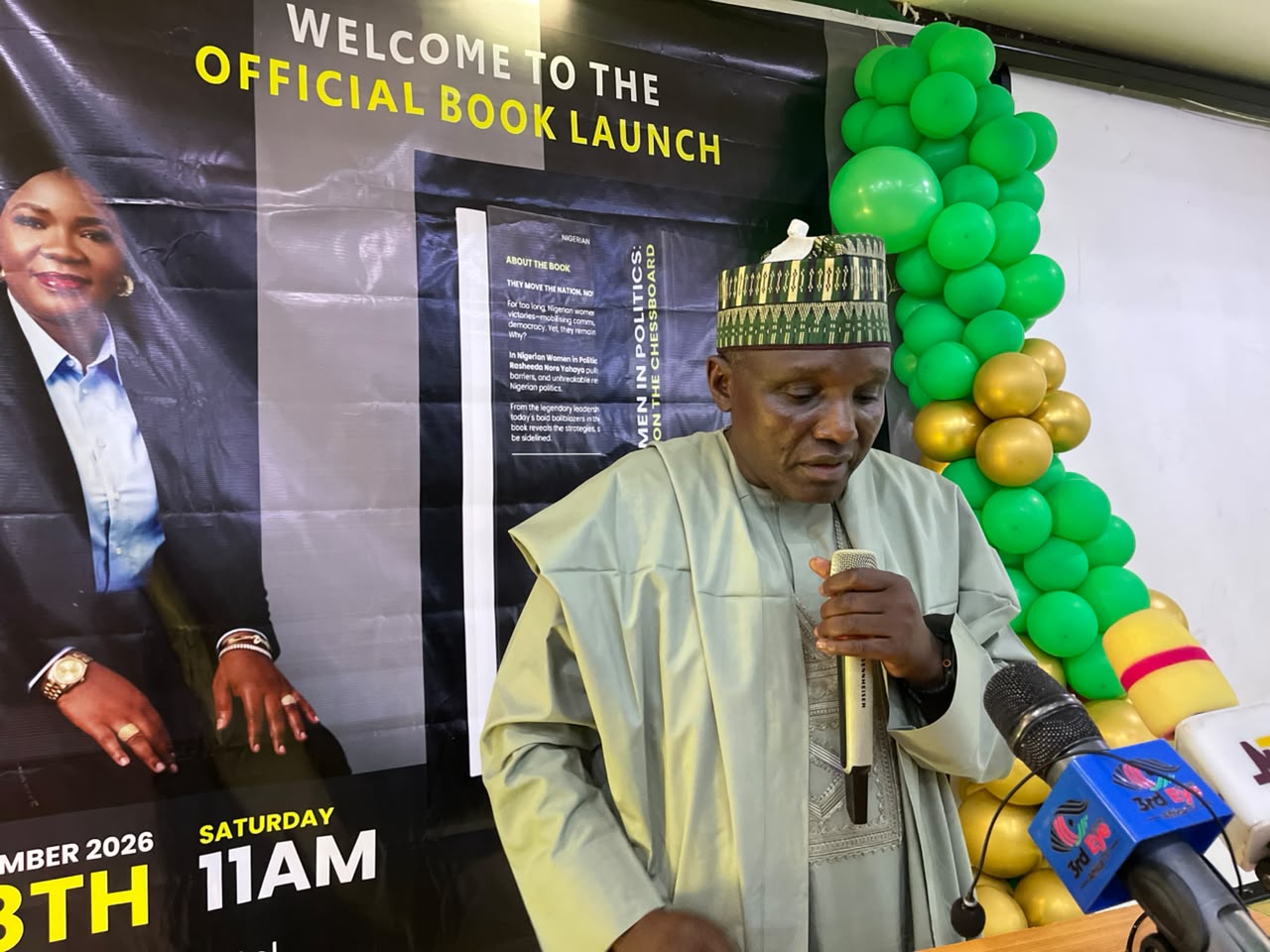
Barrister Muhammad Babangida Umar, chairman of the occasion, described the publication as an important contribution to documenting the challenges confronting women in politics, saying it could encourage public understanding, further research and greater awareness of the structures women must navigate to pursue leadership.
Umar also challenged the generalisation that women do not support one another politically, arguing that political support often depends on whether candidates are considered capable and deserving. He identified financial constraints and women’s limited access to strategic positions within political parties as major obstacles, saying greater representation in party leadership would give women a stronger voice in decisions, including the organisation of primaries and the distribution of political opportunities. He urged women to continue preparing for leadership, empowering themselves and pursuing political opportunities rather than waiting for assistance.
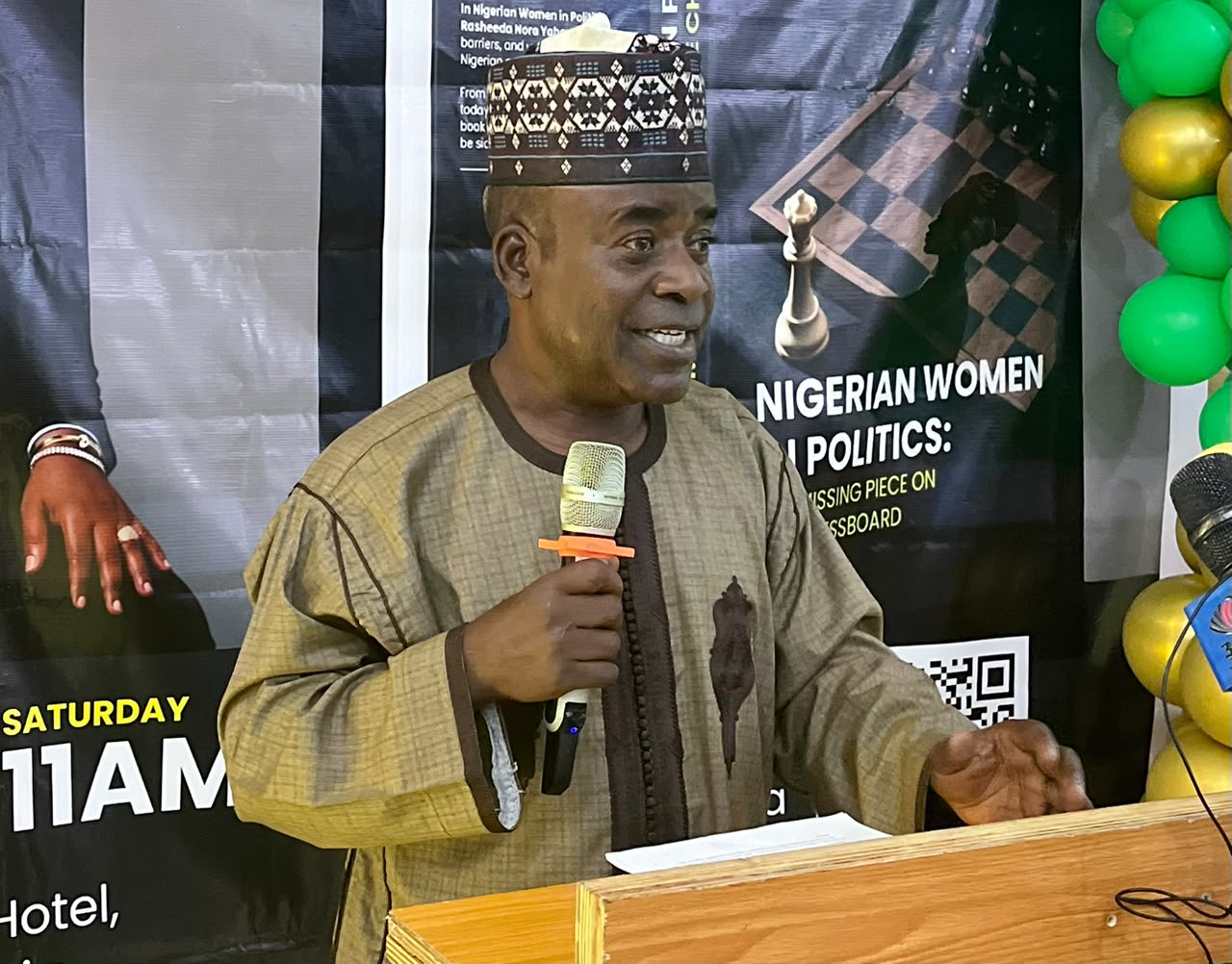
Professor Kamal Bello of the National Open University of Nigeria, Abuja, who reviewed the book, described the exclusion of women from elective and appointive positions as an injustice and a setback to governance and national development. He said the book highlights the disparity between women’s population and their representation in political institutions, using the chessboard metaphor to illustrate the consequences of excluding a significant part of the population from political leadership.
Bello said women’s representation should not be viewed as a concern confined to election seasons but as a fundamental consideration in democratic governance, arguing that political parties and elected leaders must recognise the significance of women’s votes and ensure that their participation extends beyond electoral mobilisation to meaningful representation in institutions where public decisions are made.
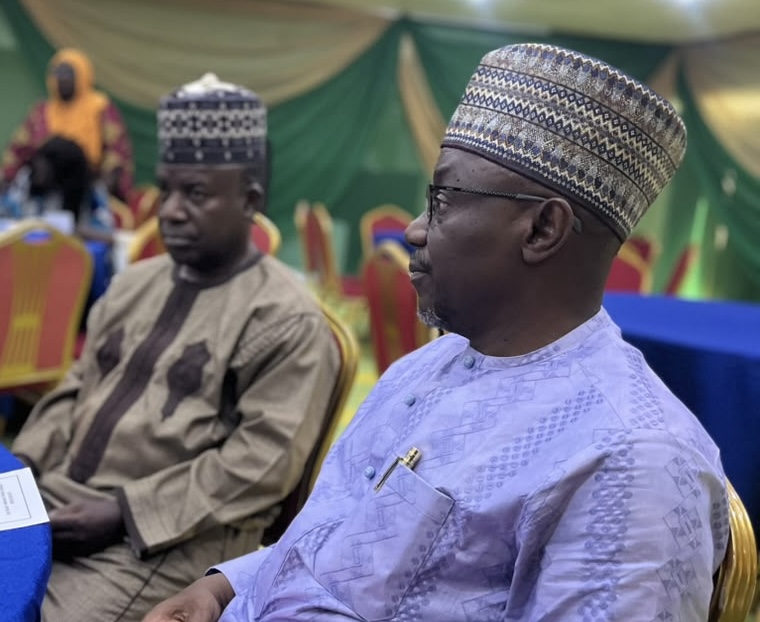
Barrister Muhammad Sani, the second reviewer, urged women to take a more active role in electoral politics, including contesting for office, arguing that greater representation would require their direct participation in the electoral process. He said the book could help change prevailing attitudes towards women’s participation if readers engaged with its arguments and recommendations, urging women to come forward as candidates rather than leave the responsibility solely to political parties and government.
Representatives of the National Hajj Commission of Nigeria (NAHCON), the Public Complaints Commission, the Federal Ministry of Women Affairs, the Forum of 2027 APC Female Aspirants Network (FAFAN) and the Nigerian Television Authority (NTA) also called for greater inclusion of women in political leadership, highlighting the need for political networks, mentorship, institutional support, solidarity and access to decision-making structures.
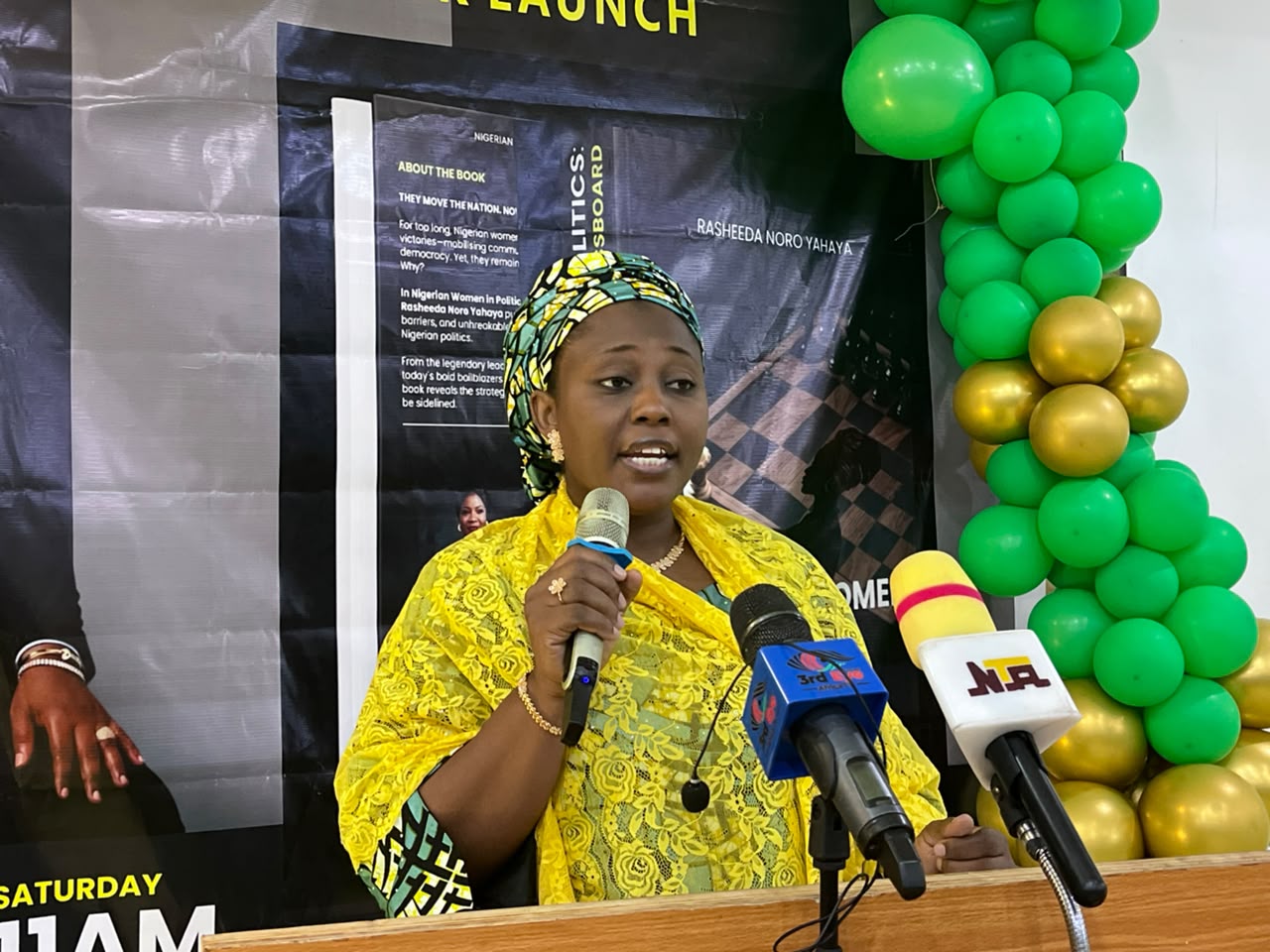
Saratu Yunusa, representing NAHCON Chairman/Chief Executive, Ambassador Ismail Abba Yusuf, urged women to move beyond mobilisation to contesting elections and occupying leadership positions, while calling on men to support their political ambitions through mentorship, sponsorship and encouragement. She referenced the Tinubu administration’s commitments to affirmative action and proposals aimed at expanding women’s representation in legislative institutions.
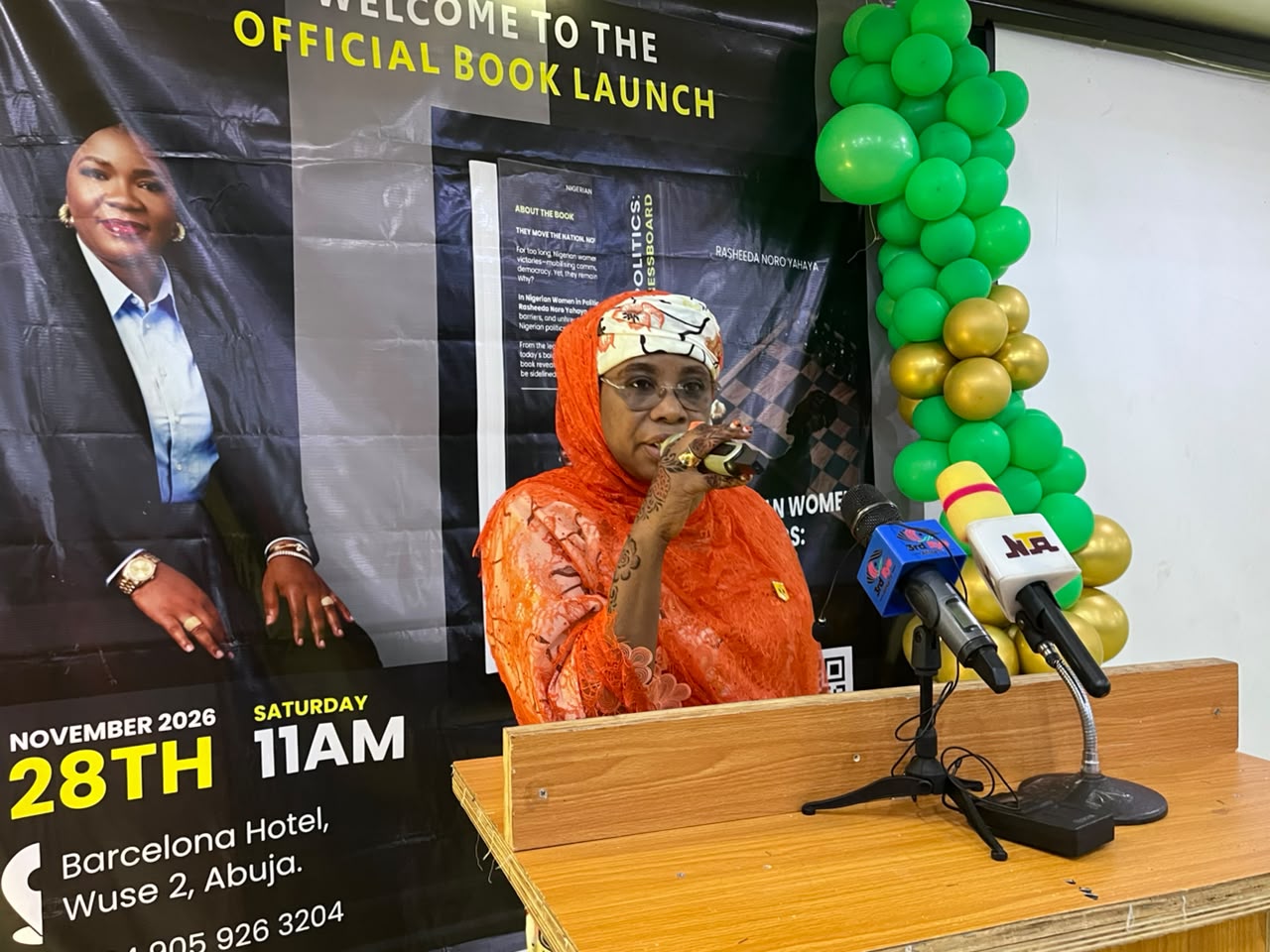
Hajiya Halima Musa, Director of News at the NTA, representing Director-General Salihu Abdulhamid Dembos, said women must translate their involvement in political campaigns and mobilisation into contesting and winning elections. She described the publication as timely ahead of the 2027 general elections, urging greater solidarity among women and support from male allies. Musa also commended the NTA Director-General for supporting women in the organisation’s decision-making structures and conveying his congratulations to the author.
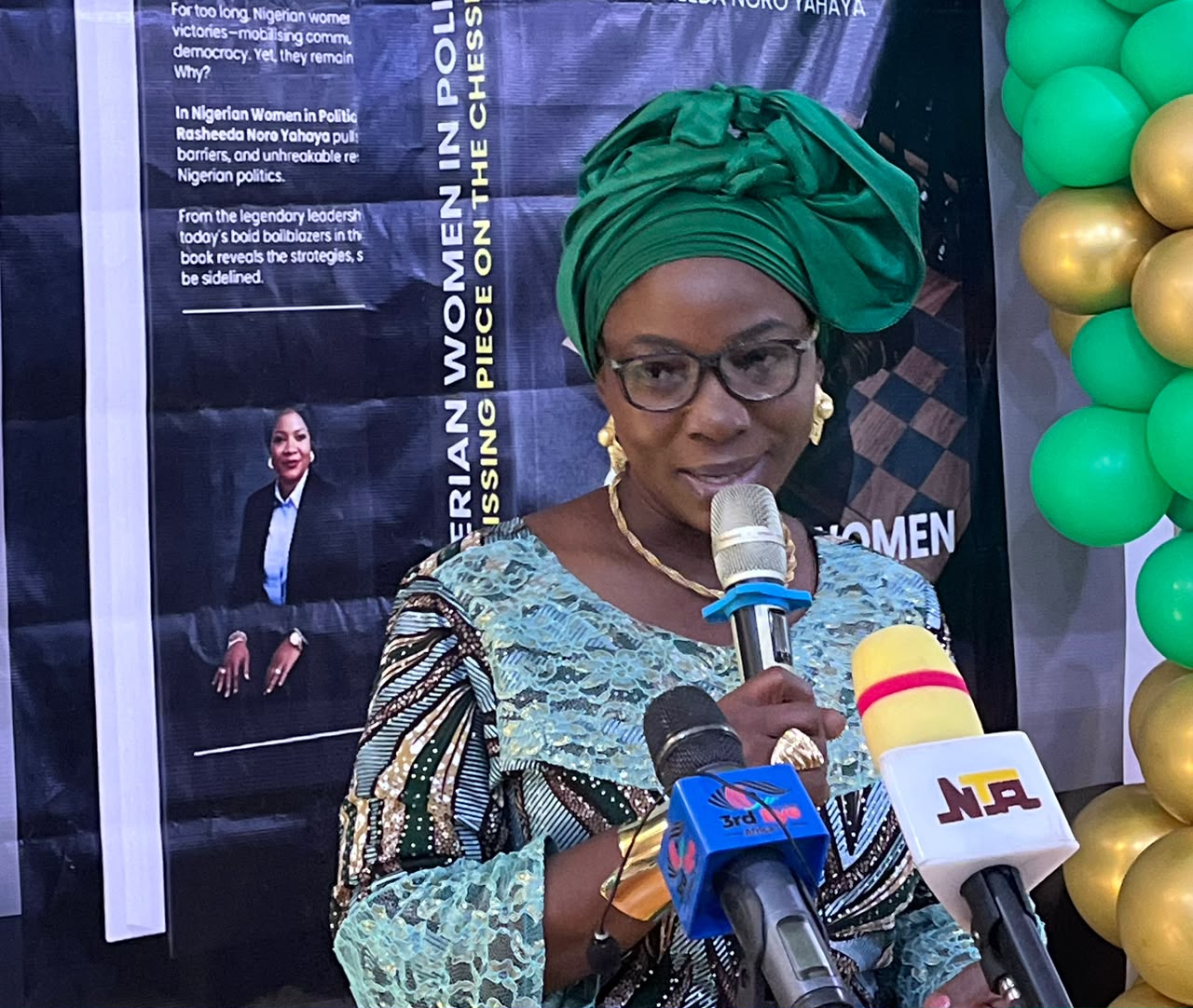
Madam Adeniran Sarah, representing Hajiya Aishatu Aliyu, National Secretary of the Public Complaints Commission, said women’s participation in political leadership was essential to democratic inclusion, fairness and national development. She said the issues raised in the publication resonated with the commission’s mandate of promoting fairness, accountability and good governance, commending the author for drawing attention to barriers facing women and encouraging practical solutions through stronger institutions and equal opportunities.
Yemi Dickson, representing the Minister of Women Affairs, Imaan Sulaiman-Ibrahim, described women’s political participation as a development imperative, saying greater representation could broaden perspectives in policymaking and strengthen inclusive governance. Rt. Hon. Ebere Liluan Reuben, representing Hon. Princess Nikky Onyeri, National Convener and Director-General of FAFAN, called for greater access to party leadership and decision-making structures, identifying financial constraints, cultural barriers, political intimidation and inadequate mentorship as challenges confronting women seeking office. She urged women to move beyond being political foot soldiers to participating in political negotiations and strategic leadership, stressing that their empowerment should be pursued through cooperation between women and men.
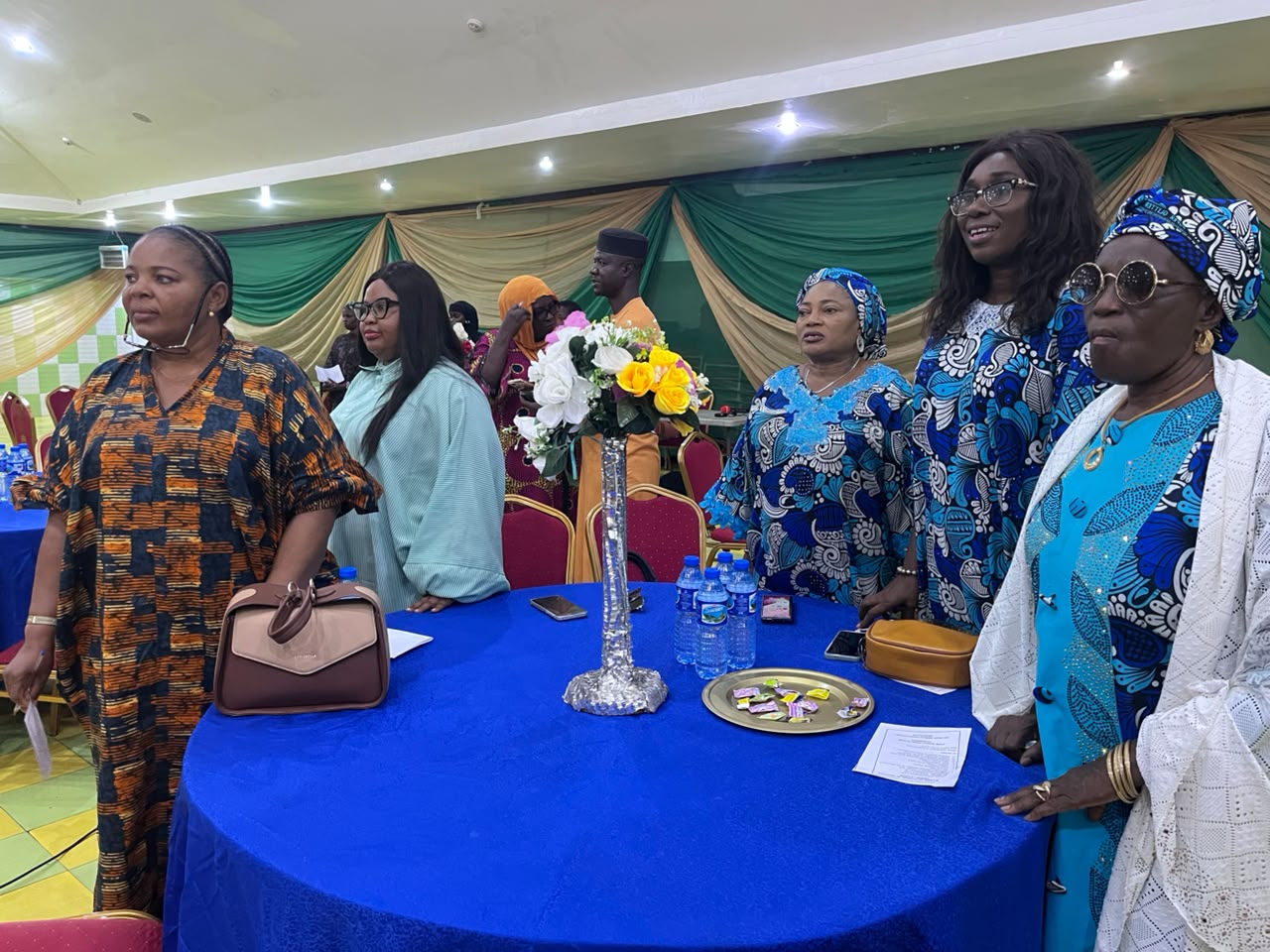
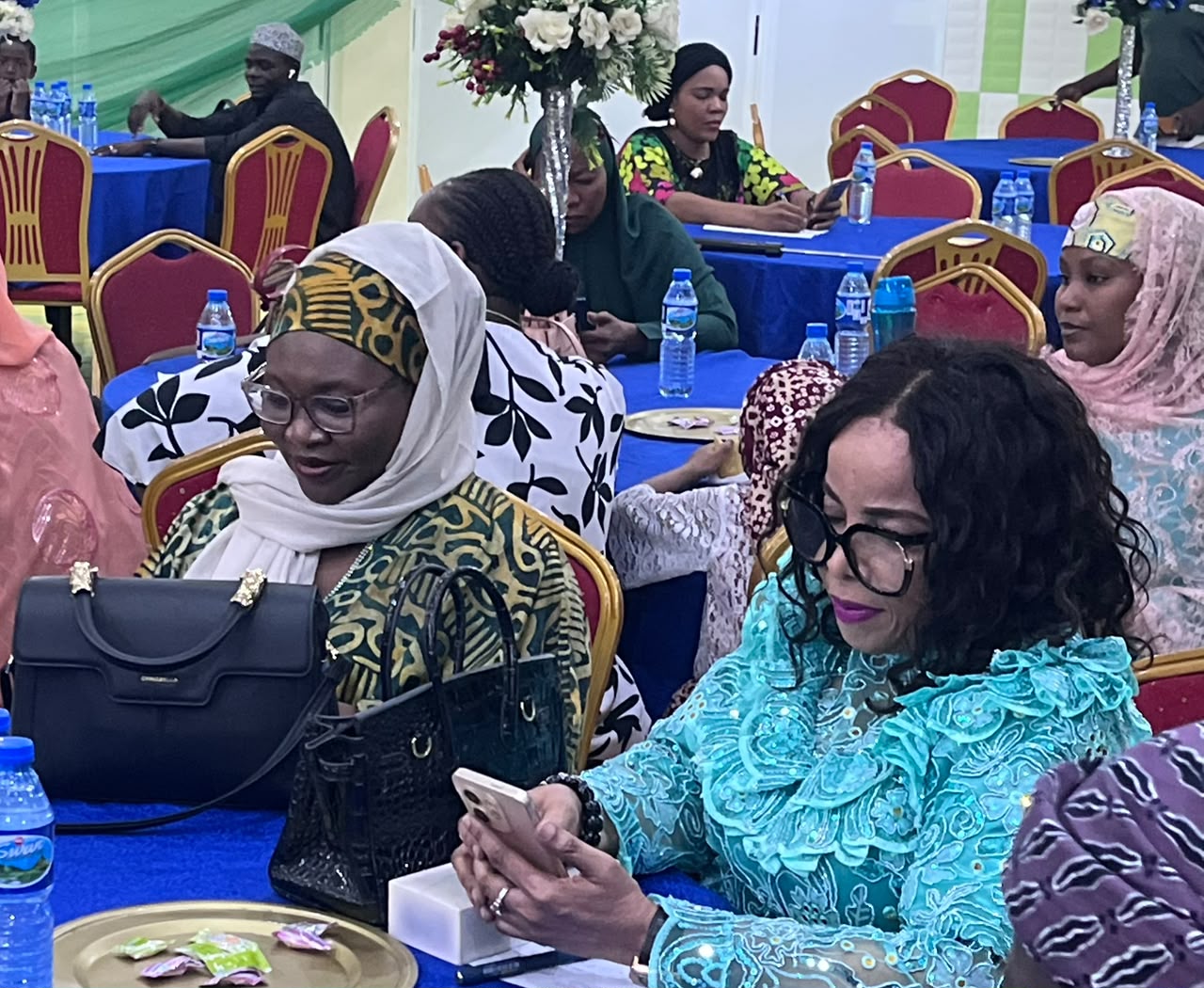
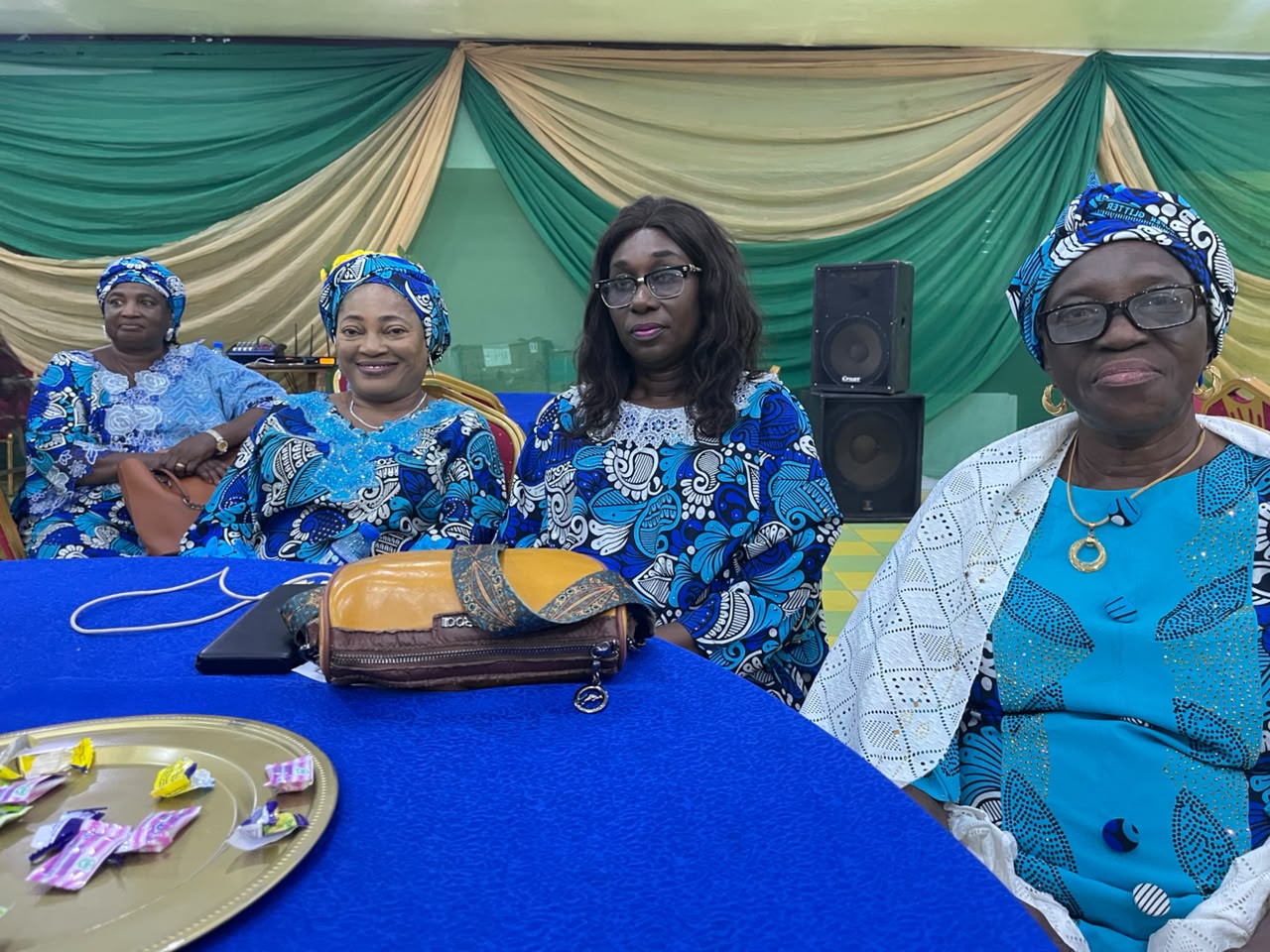
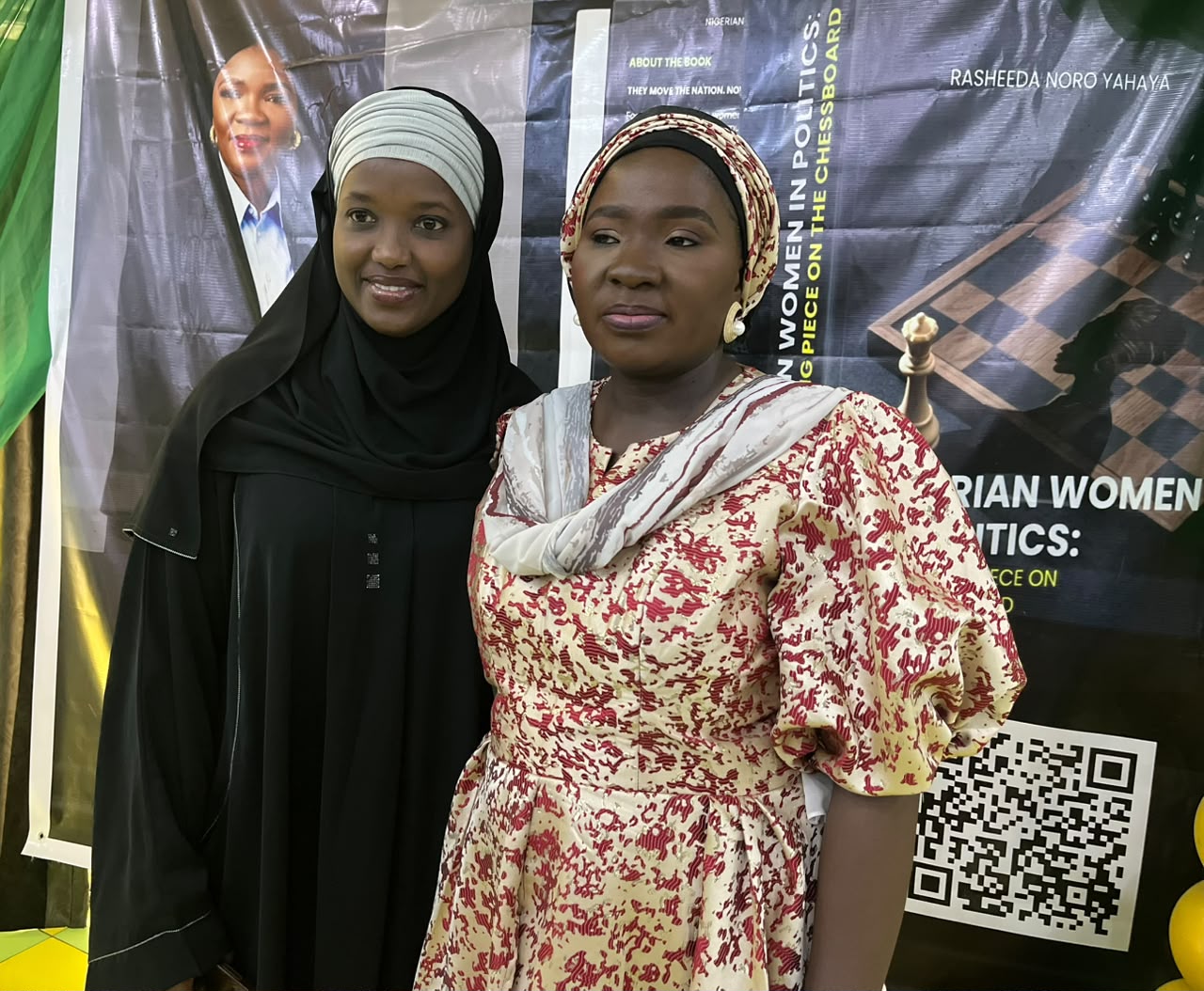
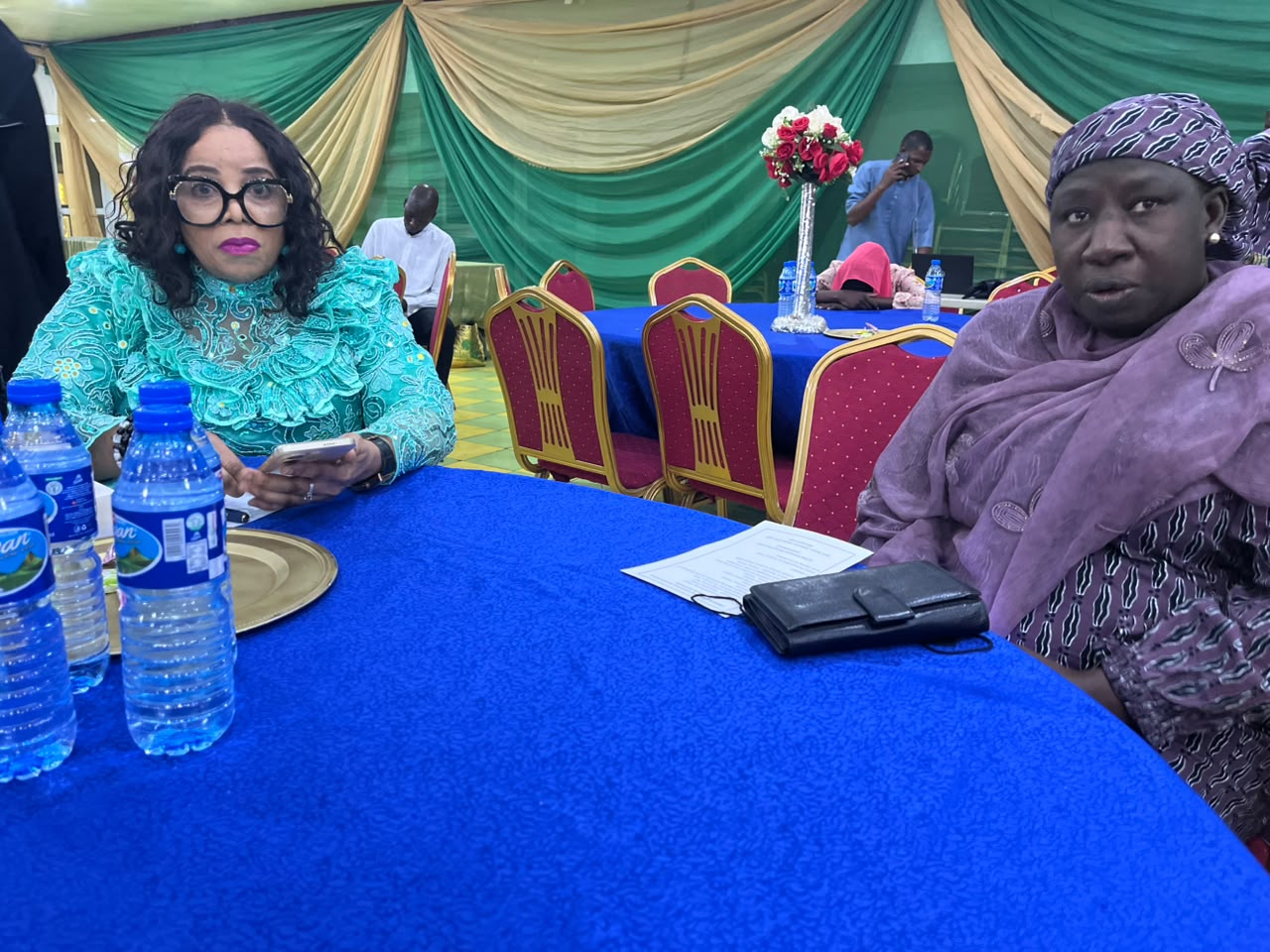
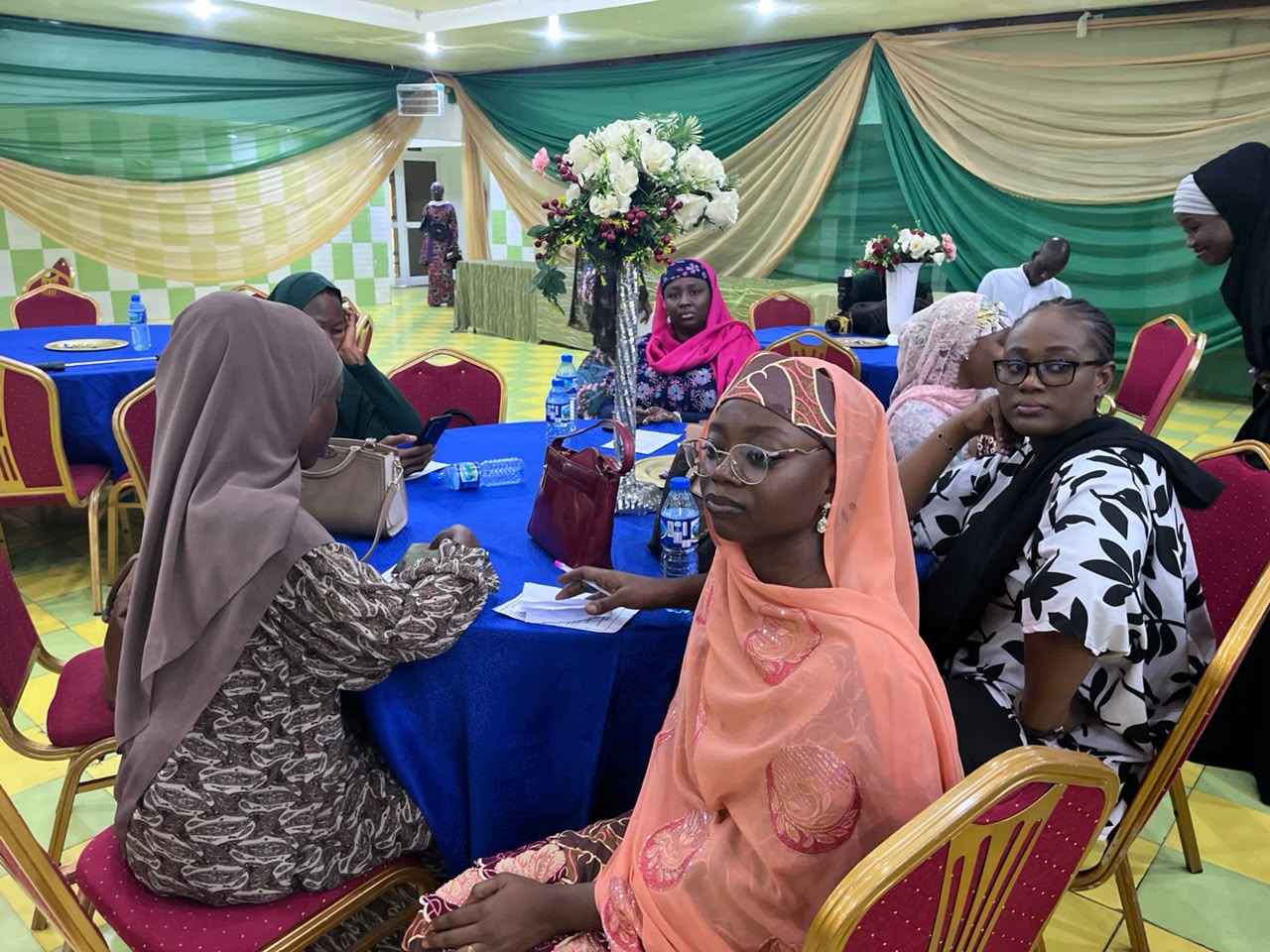
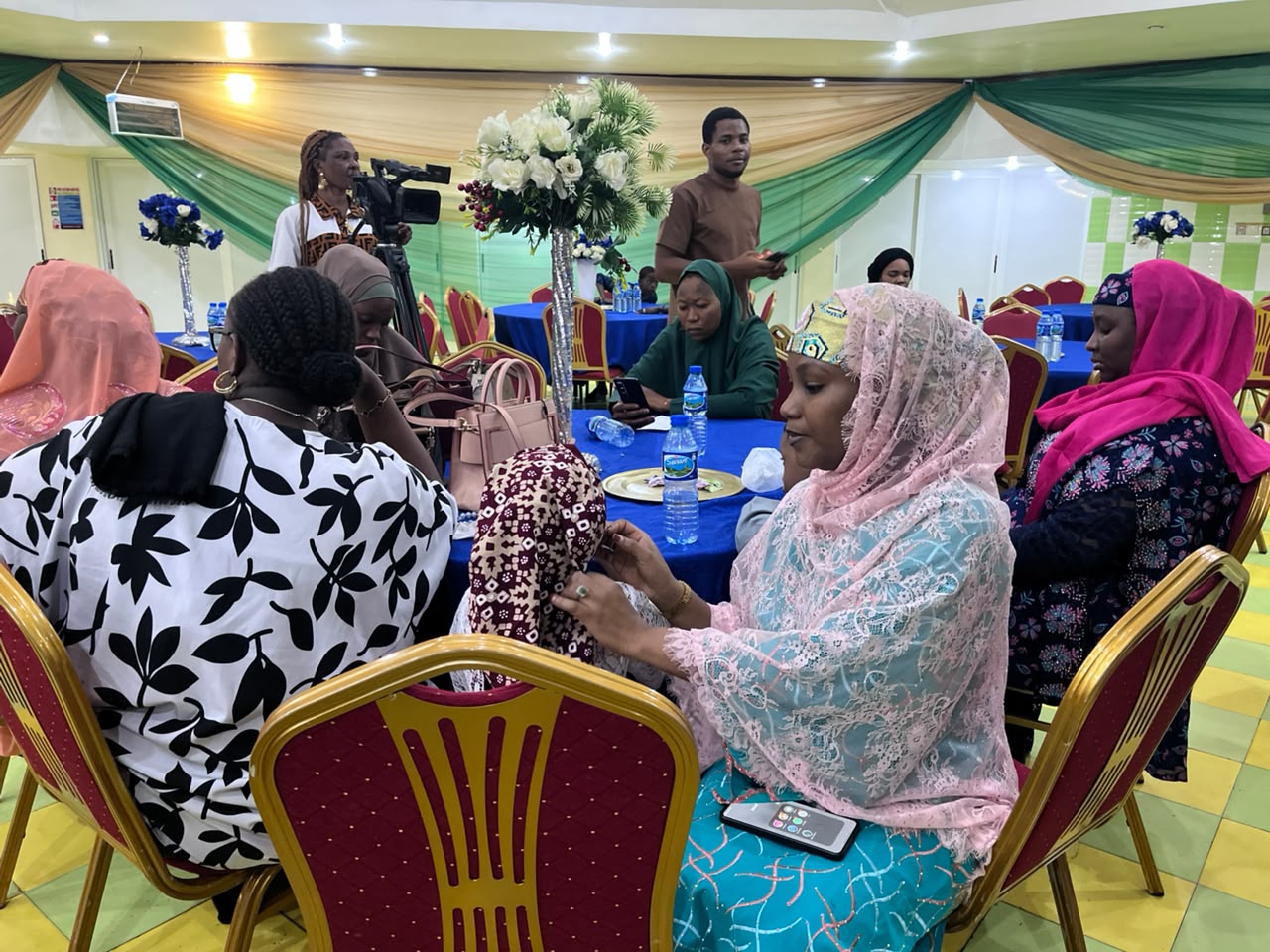
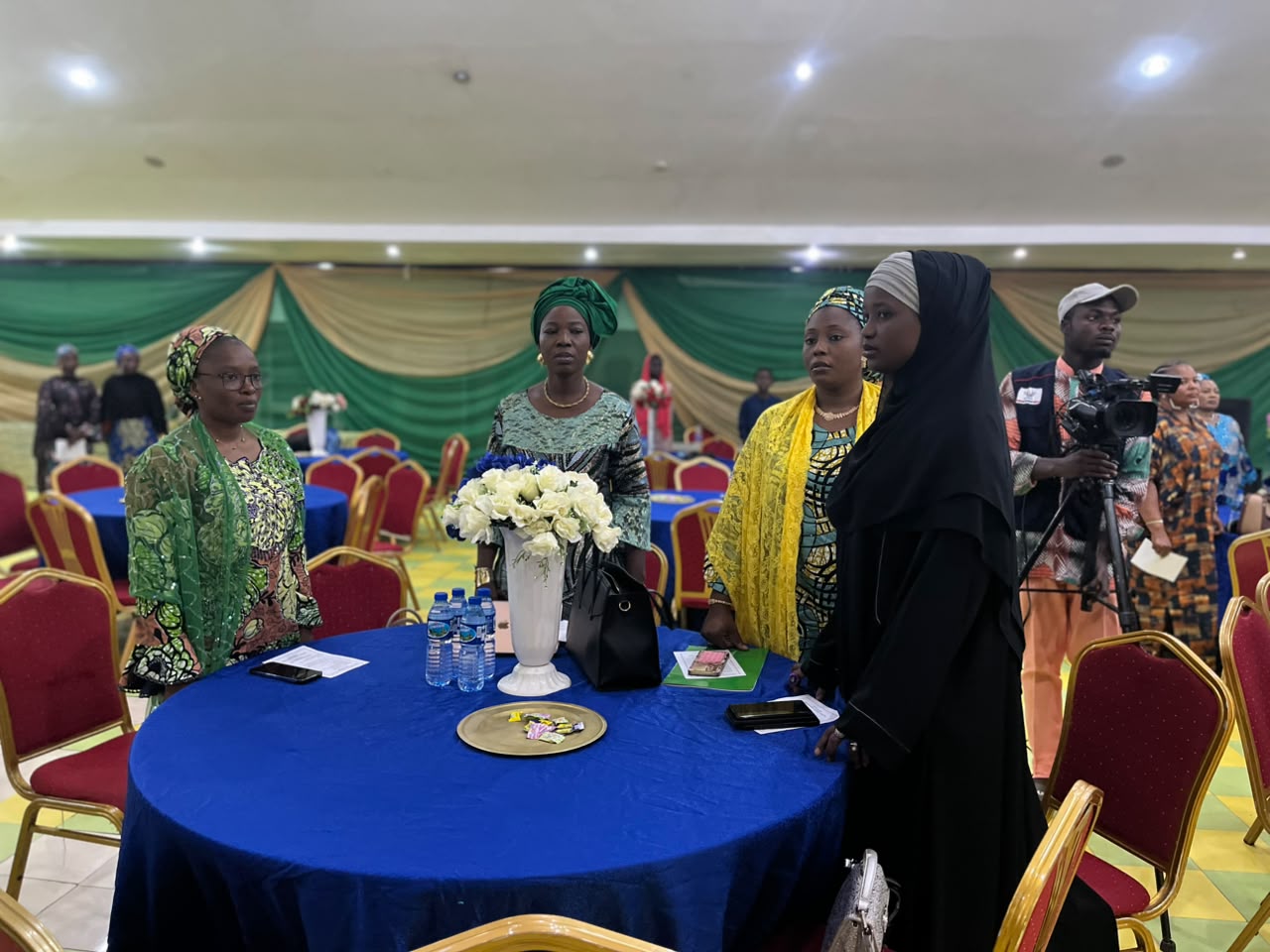
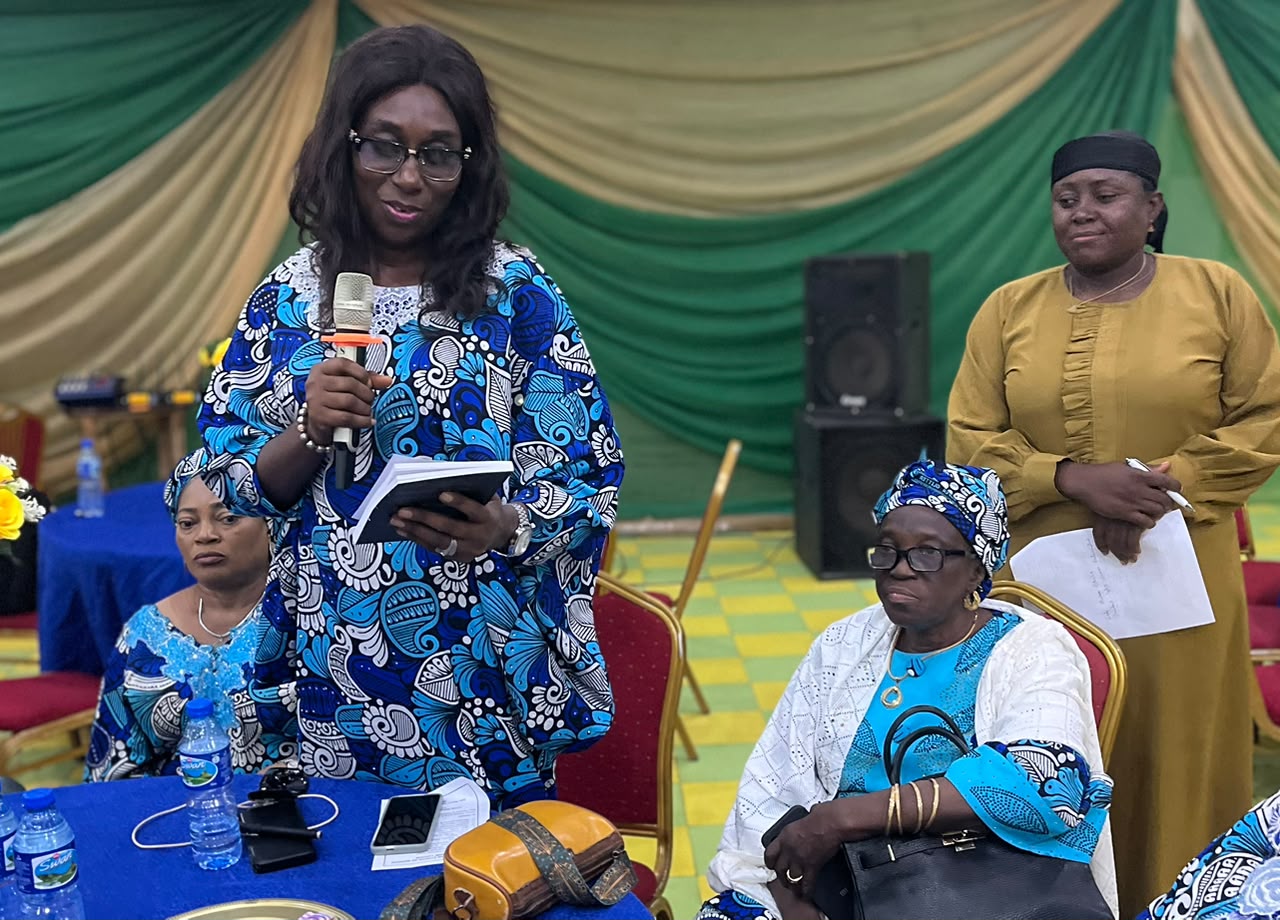
The launch, which coincided with Yahaya’s birthday, brought together political, institutional and media stakeholders, with discussions extending beyond the publication to the wider question of women’s access to political leadership. The book seeks to contribute to that conversation by examining the structures that shape political participation and offering practical pathways for women seeking a greater role in Nigeria’s governance.
More photos:
SPONSORED
SPONSORED

SPONSORED

SPONSORED
