
Who Will Lead Nigeria With Justice – Women in Da’awah
Women in Da’awah Makes the Case for Ethical Leadership
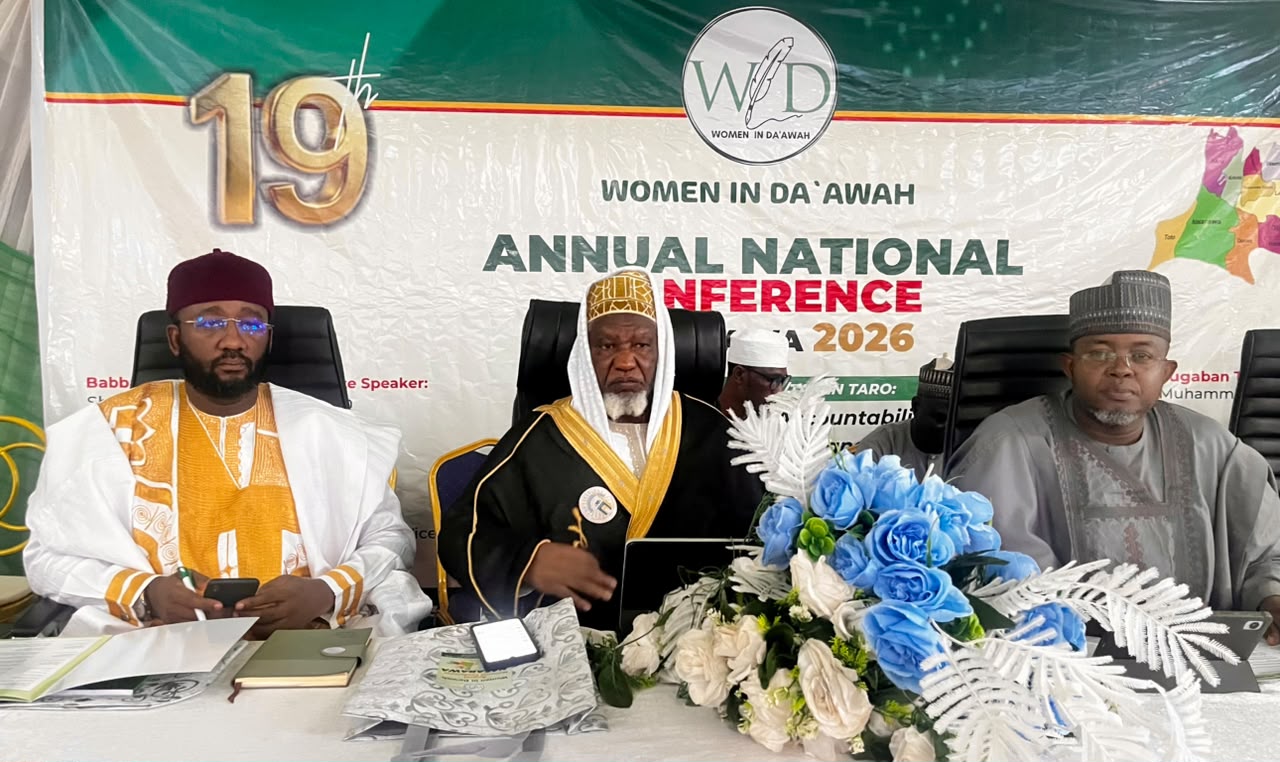
As political activity gathers pace ahead of Nigeria’s next electoral cycle, speakers at the 19th Women in Da’awah National Conference in Lafia urged Nigerians to reject tribalism, nepotism and vote-buying, insisting that justice, accountability and competence must define the country’s next generation of leaders.
By Abdullahi Yusuf
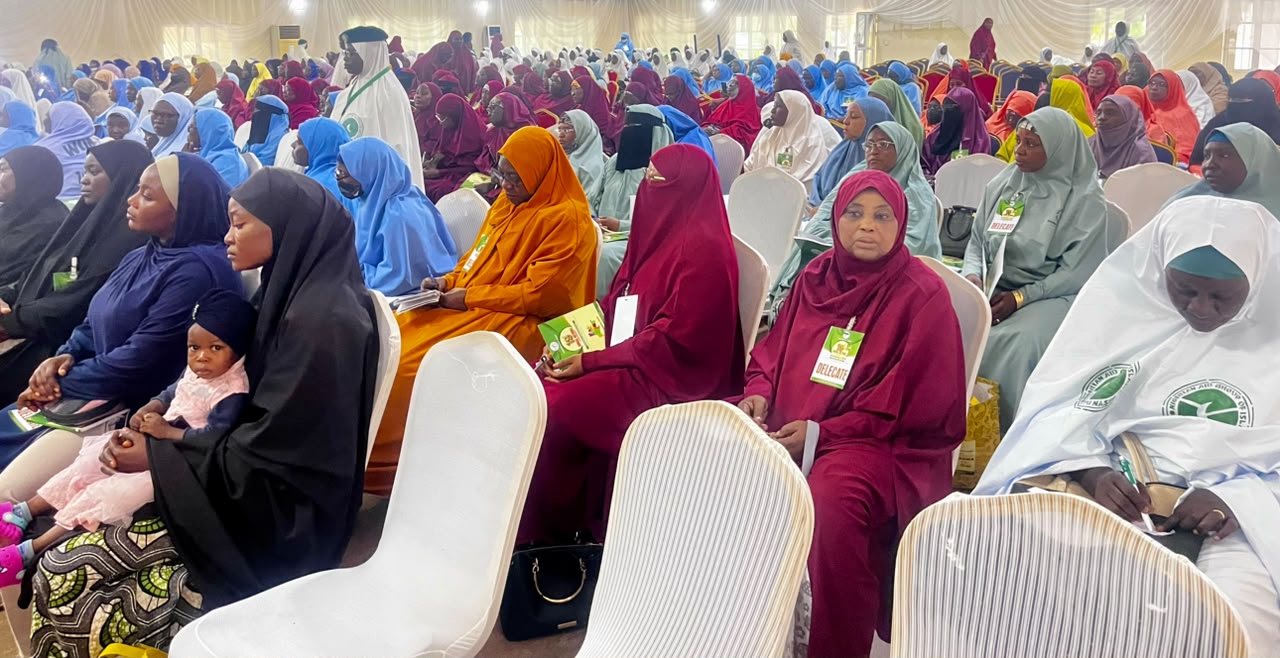
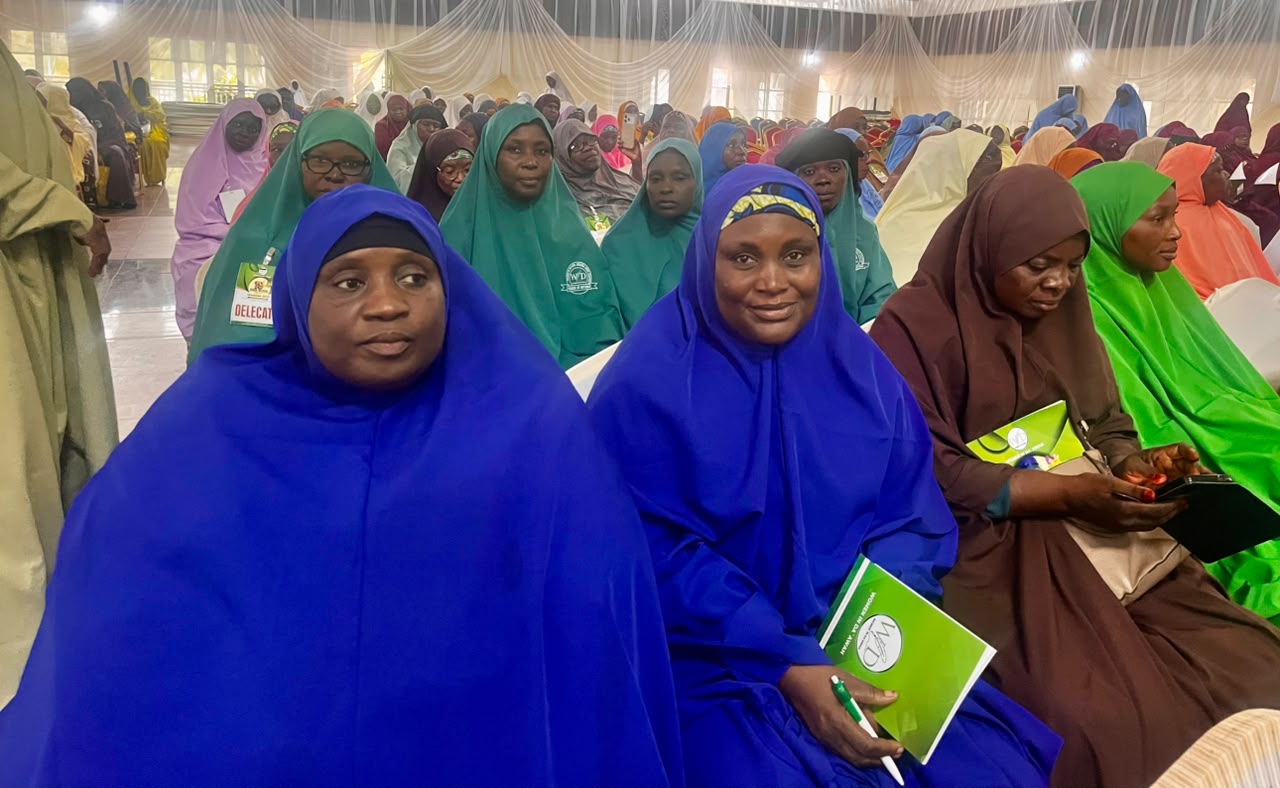
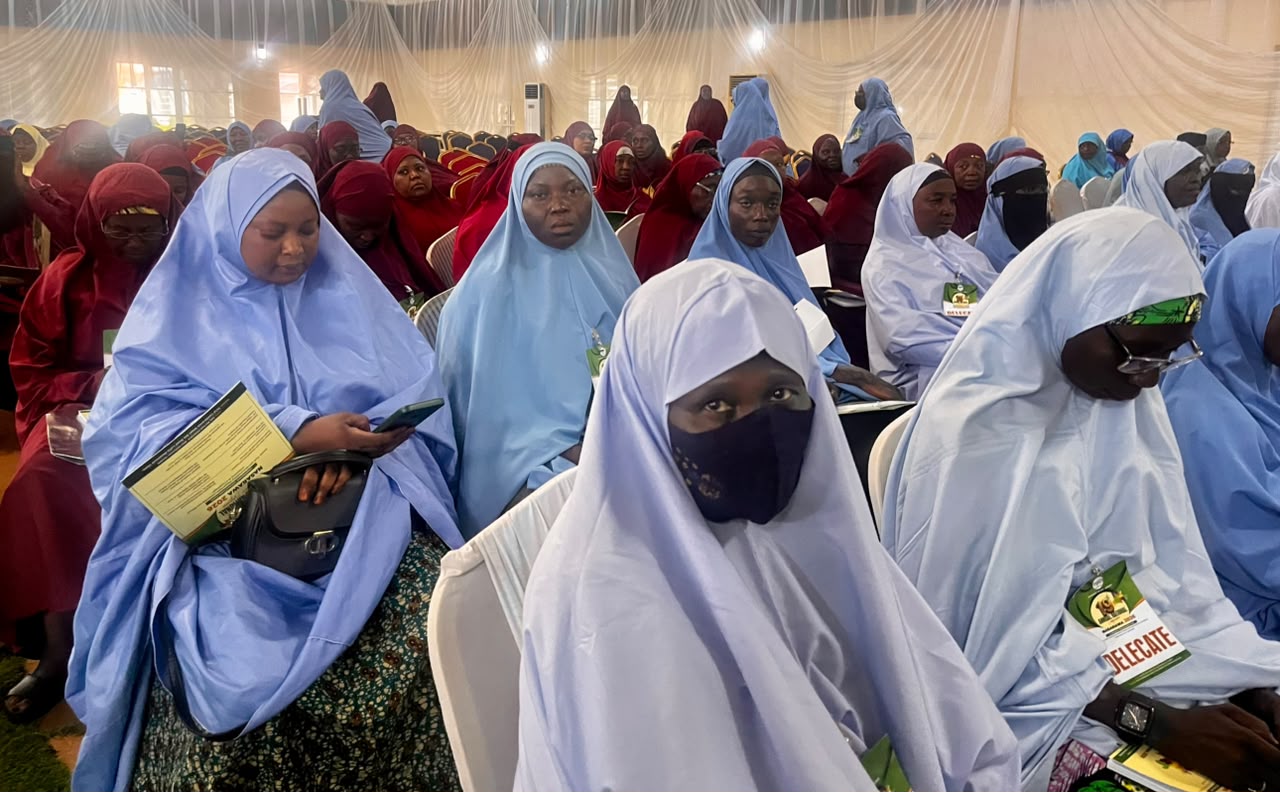
Calls for ethical leadership, justice and greater civic responsibility dominated discussions in Lafia as the Women in Da’awah (WID) Organisation continued its 19th Annual National Conference in Lafia, bringing together more than 500 women, youths, Islamic scholars and public figures from across Northern Nigeria and the Federal Capital Territory to examine the role of Islamic values in shaping responsible leadership and nation-building.
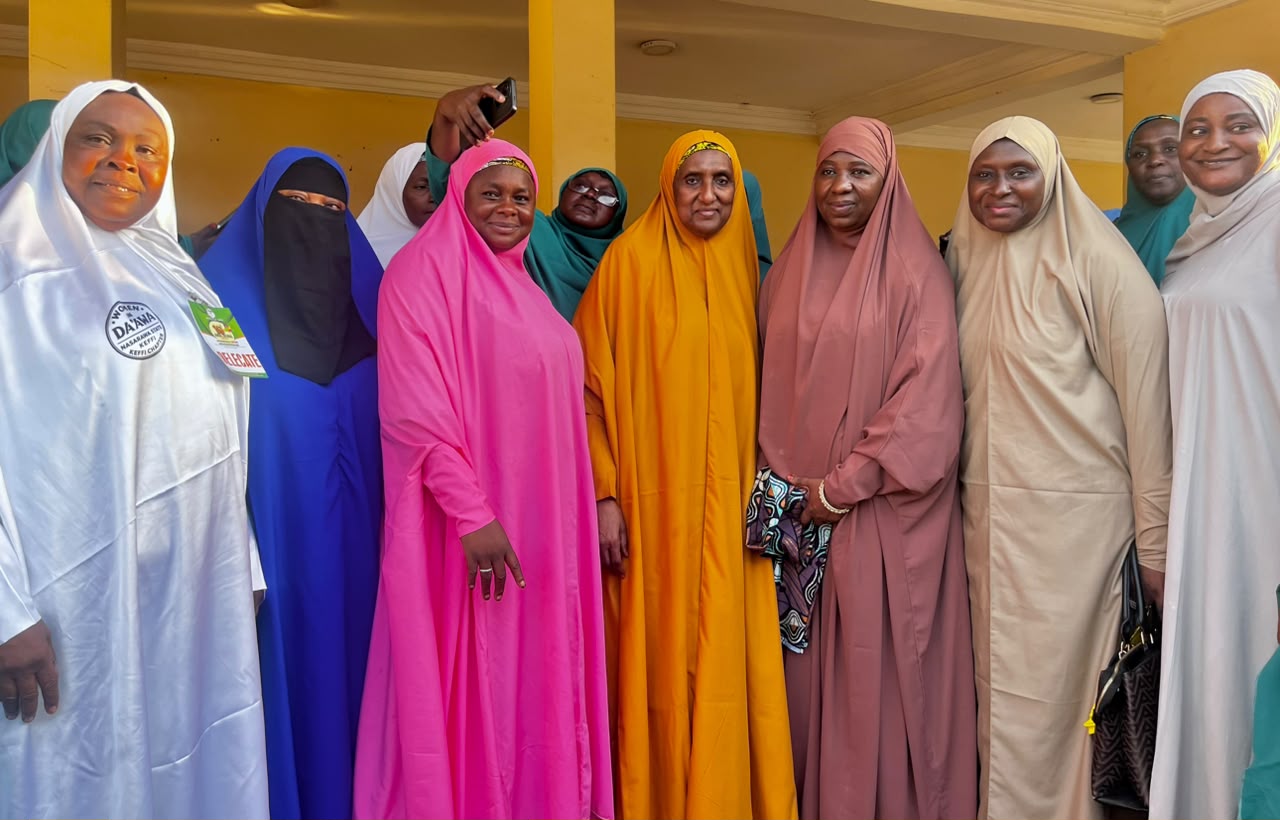
Held at the Ta’al Conference Hall Lafia, the four-day gathering is centred on the theme “Justice, Trust and Accountability: Responsible Leadership and Ethical Citizenship at the Crossroads,” with participants exploring how Islamic principles can guide leadership, strengthen democratic participation and promote peaceful coexistence at a time when Nigeria prepares for another electoral cycle.
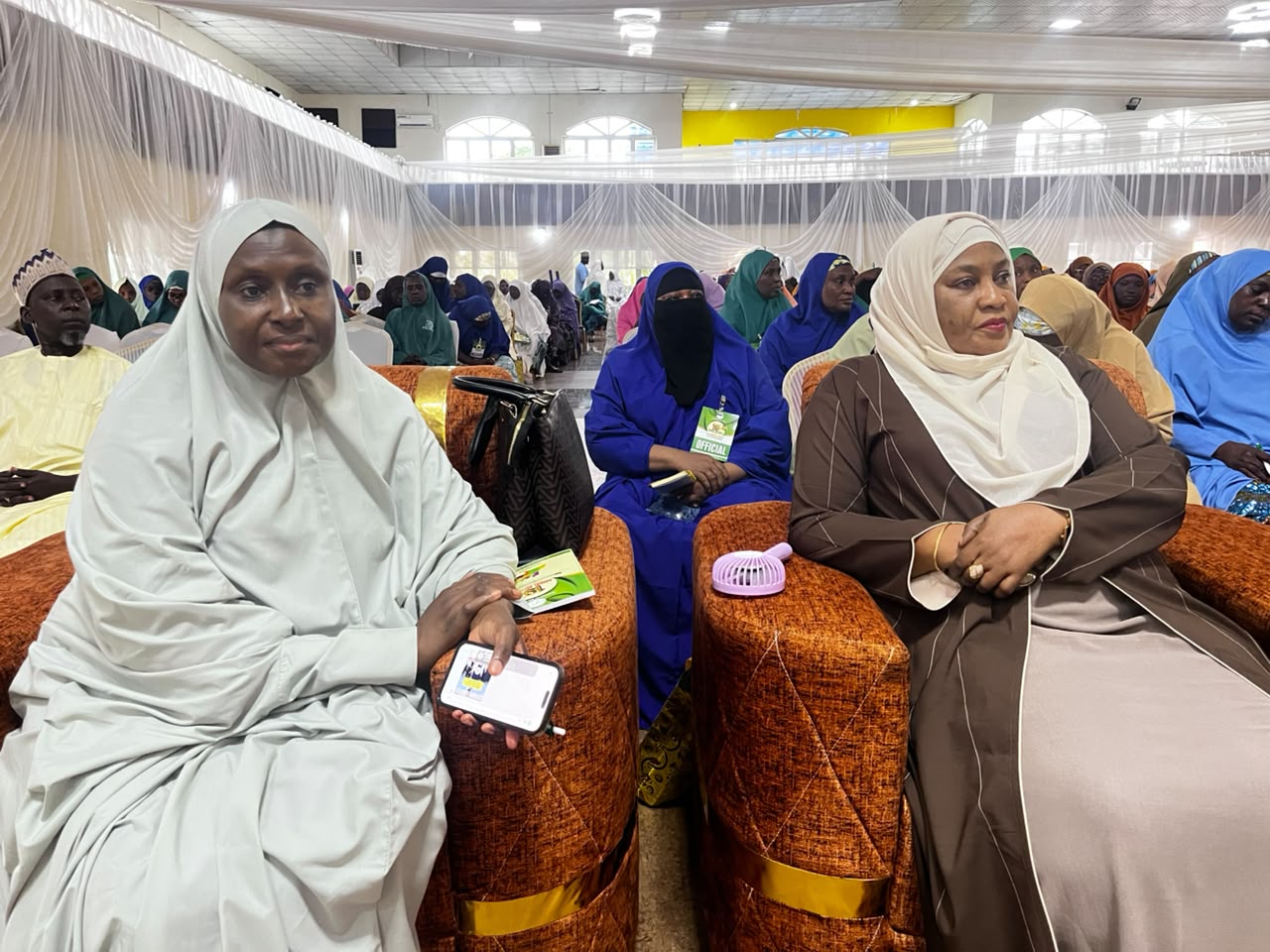
The day’s proceedings were attended by several prominent personalities, including the First Lady of Jigawa State, Her Excellency Hajiya Hadiza Umar Namadi, who arrived with members of her entourage and conveyed the goodwill message of Governor Umar Namadi to the organisers and participants.
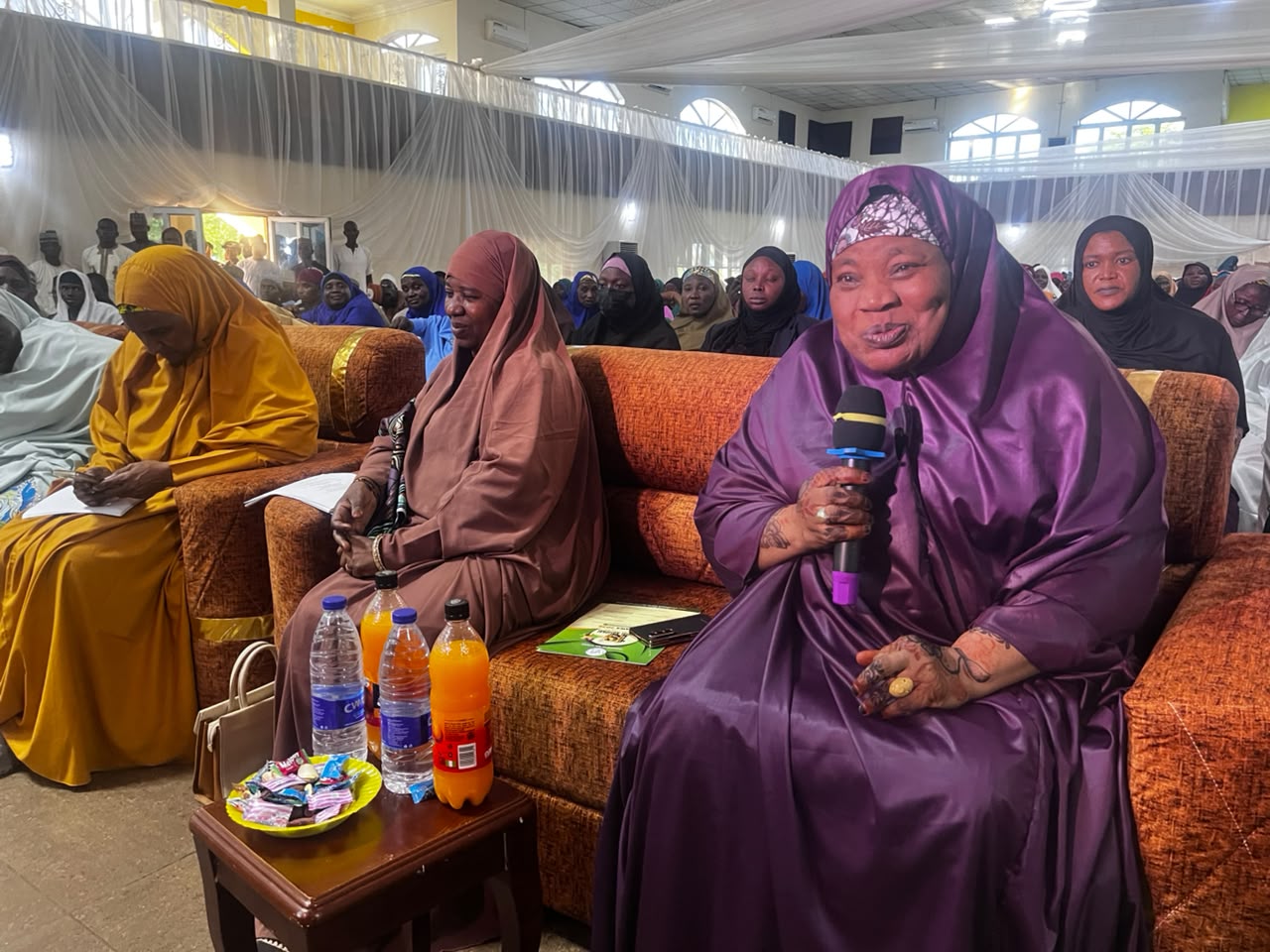
Congratulating the Women in Da’awah Organisation for sustaining nearly two decades of annual engagement on issues affecting Muslim women and society, the First Lady commended the organisation’s commitment to education, moral development and community service. She urged women to continue playing constructive roles in public life and encouraged young people to become responsible citizens guided by faith, integrity and knowledge. Drawing from the Qur’an, she reminded participants that true honour and success lie in obedience to Allah and adherence to His guidance, urging them to remain steadfast in righteousness regardless of changing social and political circumstances.
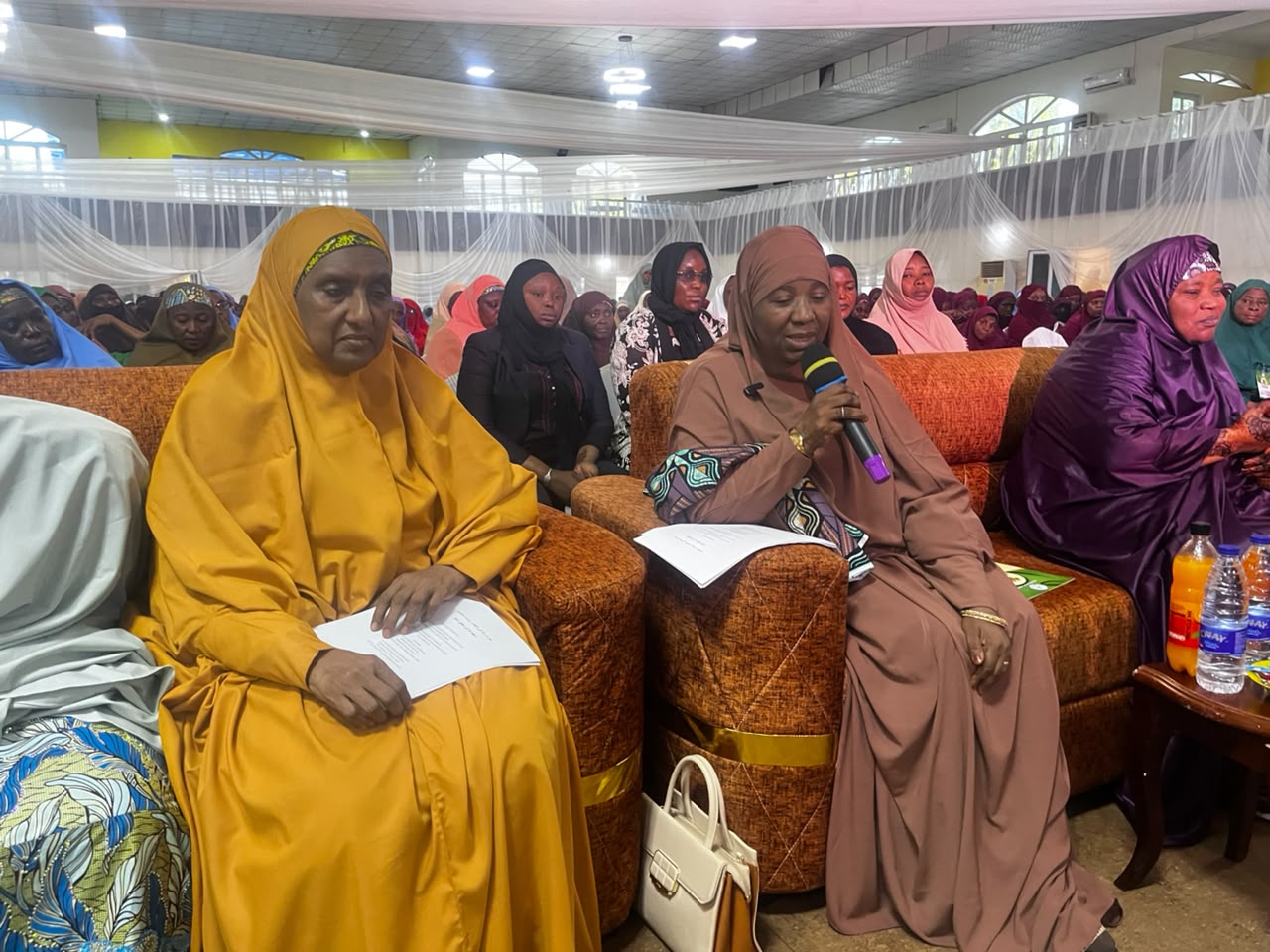
The conference opened with a series of scholarly presentations examining leadership not as privilege or political authority but as a sacred trust carrying accountability before both society and Allah.
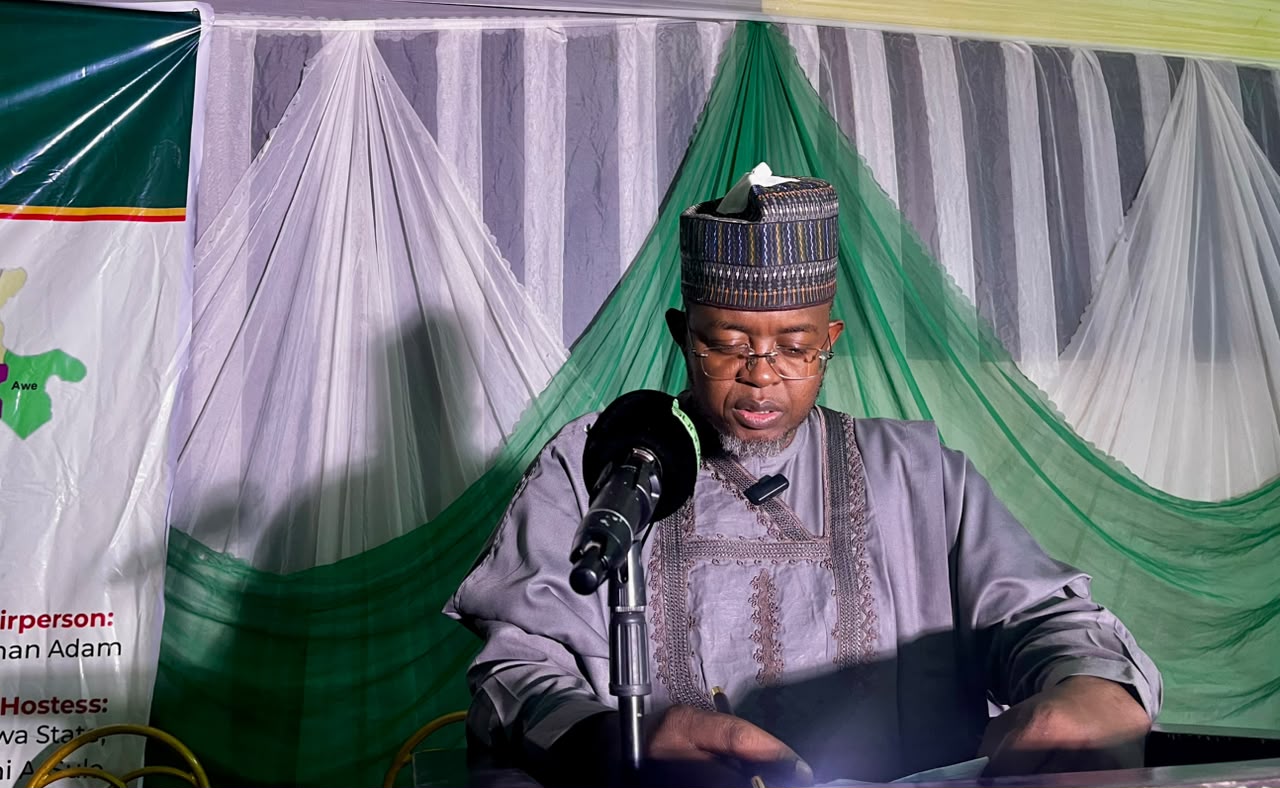
Delivering the lead paper titled “Leadership as Amanah: Reframing Authority as Responsibility in Islam,” judicial officer Dr Murtala Nasir challenged prevailing perceptions of leadership, arguing that many people reduce leadership to political office while overlooking the responsibilities exercised daily within homes and communities.
He said Islam teaches that leadership begins long before public office, insisting that families are the first institutions where future leaders are formed.
Speaking with PEACE Magazine after his presentation, Dr Nasir said the country’s leadership challenges could not be blamed solely on elected officials.

“I usually divide the responsibility into two,” he said. “Leaders take fifty per cent, while the people also take fifty per cent. Leadership is service, and society must also understand the proper role of those entrusted with public office.”
He criticised the culture of treating elected representatives as providers of personal favours instead of holding them accountable for legislation and governance, arguing that both leaders and followers must return to the Islamic understanding of trust (amanah).
Drawing examples from the life of Prophet Muhammad (SAW) and the leadership of Caliph Umar ibn Al-Khattab, Dr Nasir said genuine leadership demands sacrifice, compassion and service to the people rather than personal privilege.

Another guest lecturer, Prof. Musa Inuwa Fodio, examined the relationship between justice, ethnicity and political loyalty in his presentation, “Beyond Tribe and Politics: Upholding Justice over Loyalty in a Divided Society.”
He argued that competence, integrity and patriotism should guide leadership choices rather than ethnic identity or political affiliation.
According to him, national development depends not only on responsible leaders but also on an informed citizenry willing to question authority and demand accountability.
He warned against tribalism, nepotism and political patronage, describing them as major obstacles to peace and development.
“We should vote on the basis of competence and qualification,” he said. “If somebody is qualified, that should be our concern, not where the person comes from.”
Prof. Fodio also cautioned against vote-buying, warning that short-term financial inducements often produce long-term poverty and weak governance.
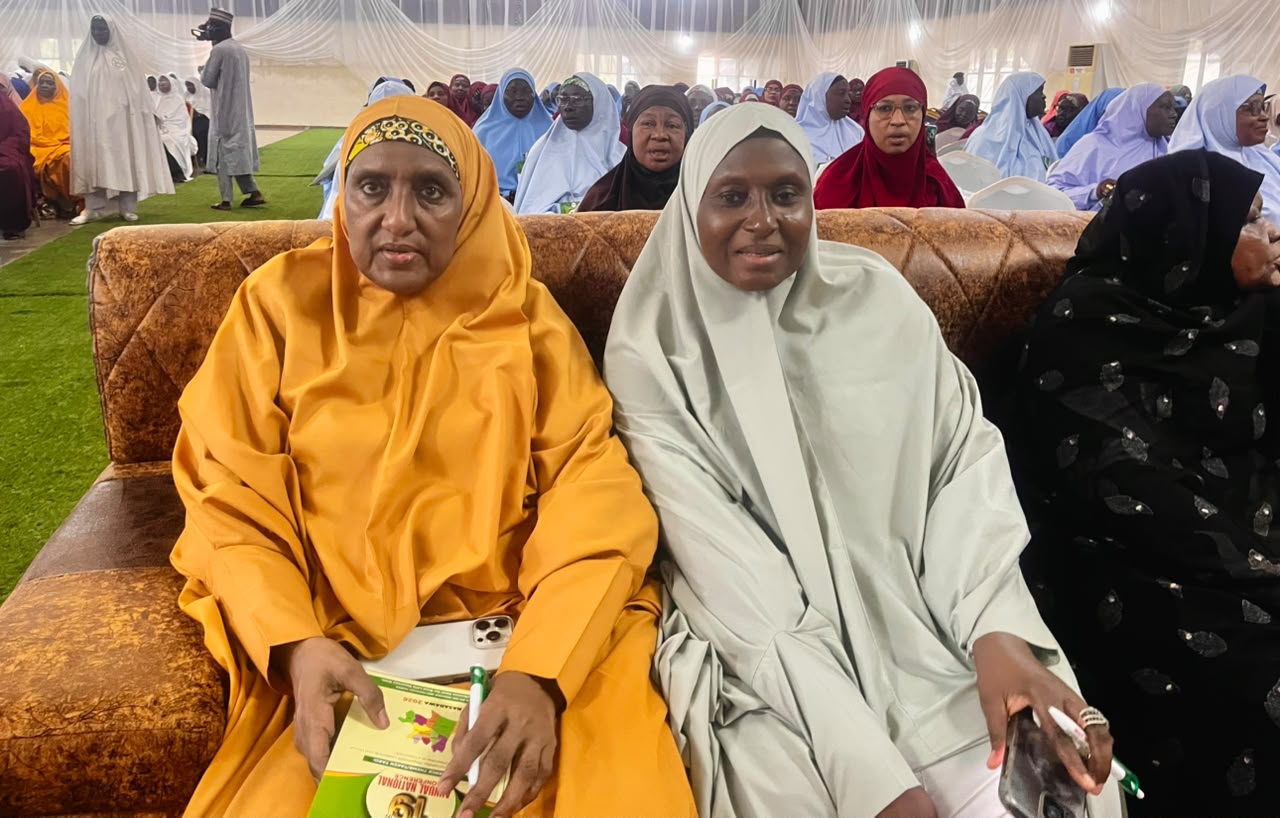
Providing the broader context for the conference, the National Amirah of Women in Da’awah, Hajiya Maryam Idris Othman, said this year’s theme was deliberately chosen in view of Nigeria’s evolving political landscape and the need to prepare women for meaningful civic participation.
She explained that while the organisation’s annual conference addresses contemporary issues affecting society, this year’s focus on leadership reflects the importance of educating Muslim women about their responsibilities before, during and after elections.
She stressed that WID was not merely encouraging political participation but promoting informed, ethical participation rooted in Islamic teachings.
“We encourage our women to register and vote because if you don’t vote, you don’t have a voice,” she said, adding that mothers also play a decisive role in nurturing future leaders by instilling honesty, justice and accountability from childhood.
She noted that youth engagement has remained a permanent feature of the annual conference, saying the organisation considers young people indispensable to Nigeria’s future and therefore provides dedicated sessions to equip them with the same values being taught to adult participants.
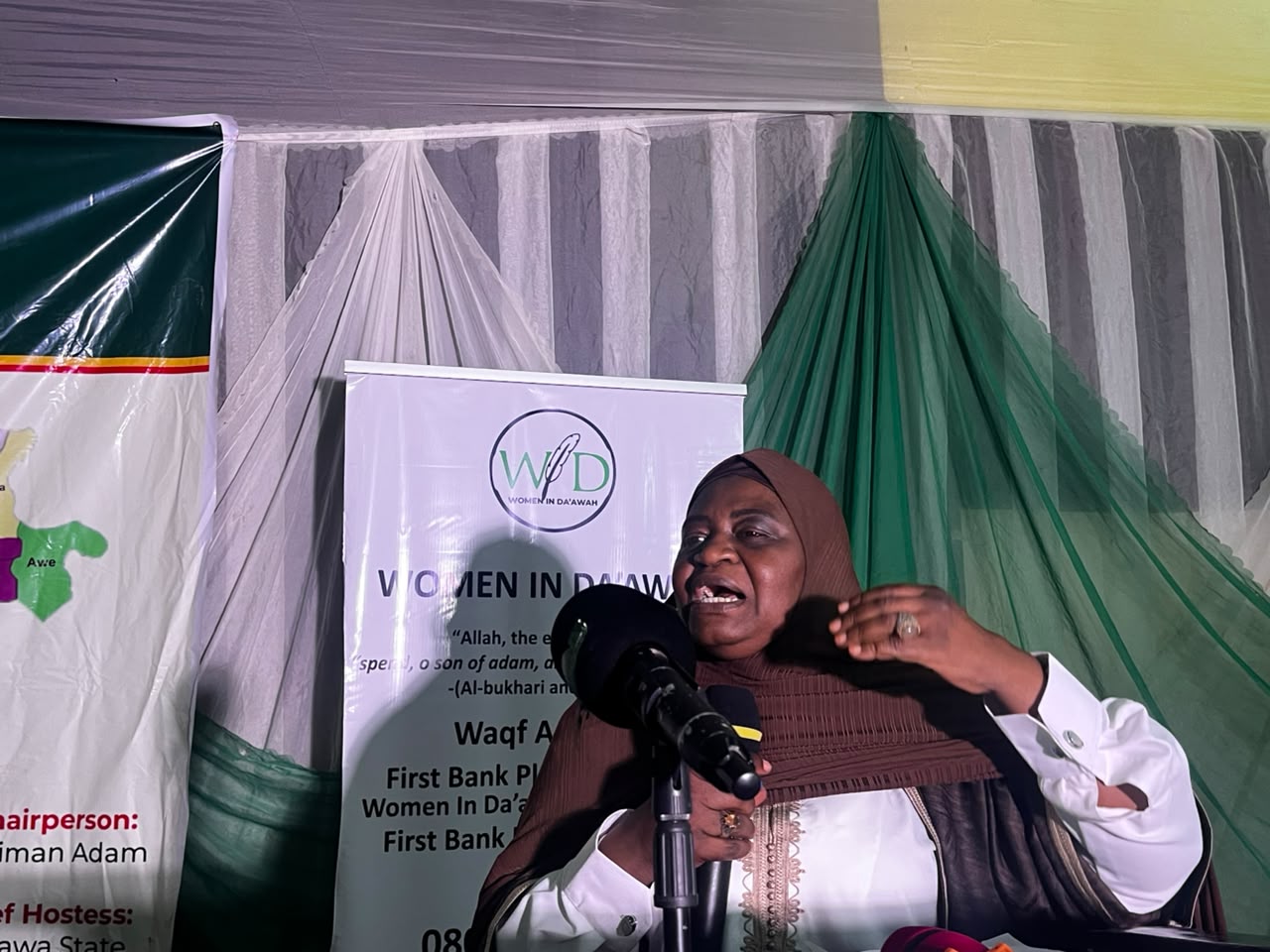
The conference also featured a presentation by Malama Khadija Hawaja, who examined “When the System Fails: The Role of Muslim Women in Sustaining Justice and Social Stability.”
Drawing upon Qur’anic guidance and the Prophetic tradition, she reminded participants that believers are commanded to stand firmly for justice regardless of circumstance. She encouraged Muslim women to remain anchors of moral guidance within their homes and communities, emphasising that societal reform often begins with individuals and families who uphold truth, fairness and compassion even when institutions fall short.

The evening session was delivered by Sheikh Mufty Muhammad Muhammad Sarki, whose lecture on “Ethical Citizenship in Practice: Choosing Leaders and Demanding Accountability the Islamic Way” urged Muslims to approach civic responsibility as an act of worship. Referencing verses of the Qur’an and traditions of the Prophet Muhammad (SAW), he stressed that electing trustworthy leaders and holding them accountable are moral obligations that contribute to justice, peace and social stability.
For many participants, the conference remains an opportunity not only to deepen Islamic knowledge but also to return home better equipped to serve their communities.
One of the delegates, Hajiya Safiyah Garba, said the annual gathering had consistently strengthened women in Islamic learning, peaceful coexistence and community engagement.
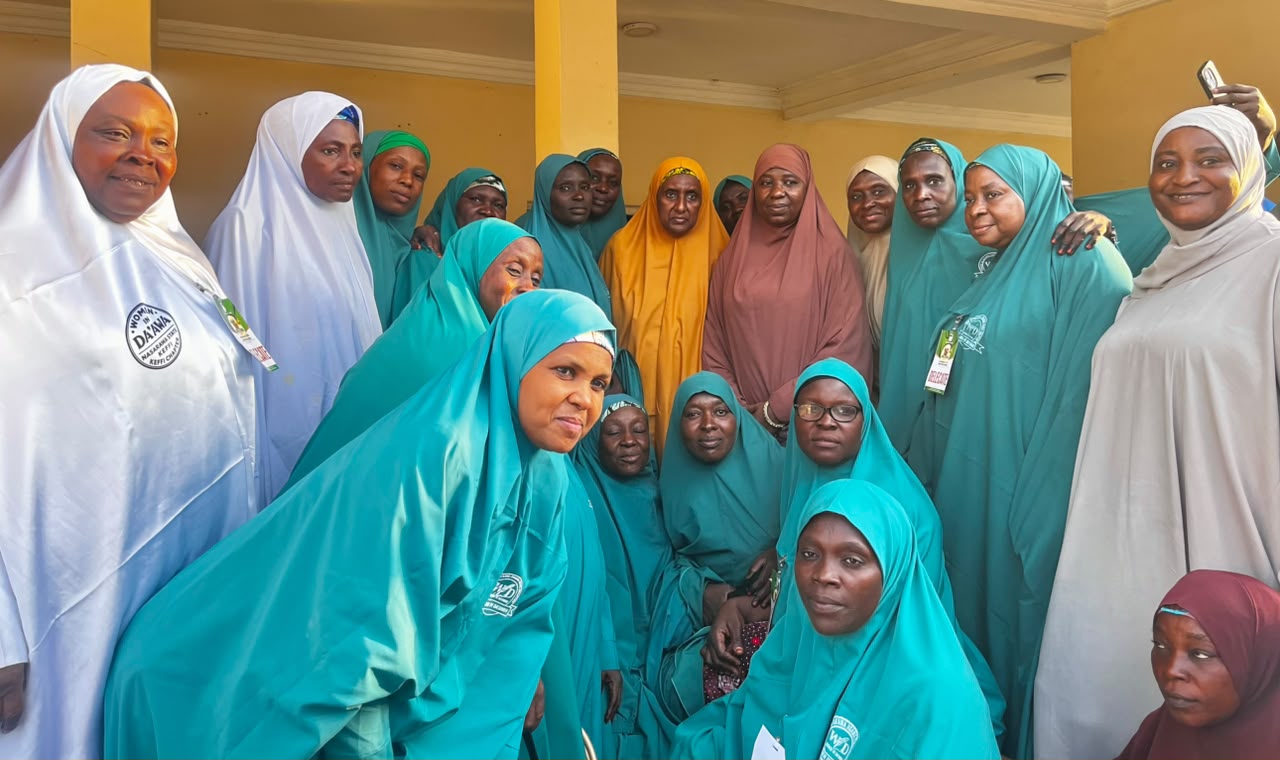
She noted that participants leave each conference with renewed commitment to share what they have learned across their respective states, describing the gathering as a platform that has continued to transform Muslim women through education, dialogue and da’wah.
With discussions on leadership, justice and accountability continuing to dominate deliberations, participants are expected to reconvene on Saturday for further lectures, specialised youth sessions and scholarly engagements as the conference enters its third day, with organisers hoping the conversations will translate into lasting action within families, communities and public life.
More photos:





Reports and Photos:
Yusuf Abdullahi
Live in Lafia, Nasarawa State
SPONSORED

SPONSORED

SONSORED
