
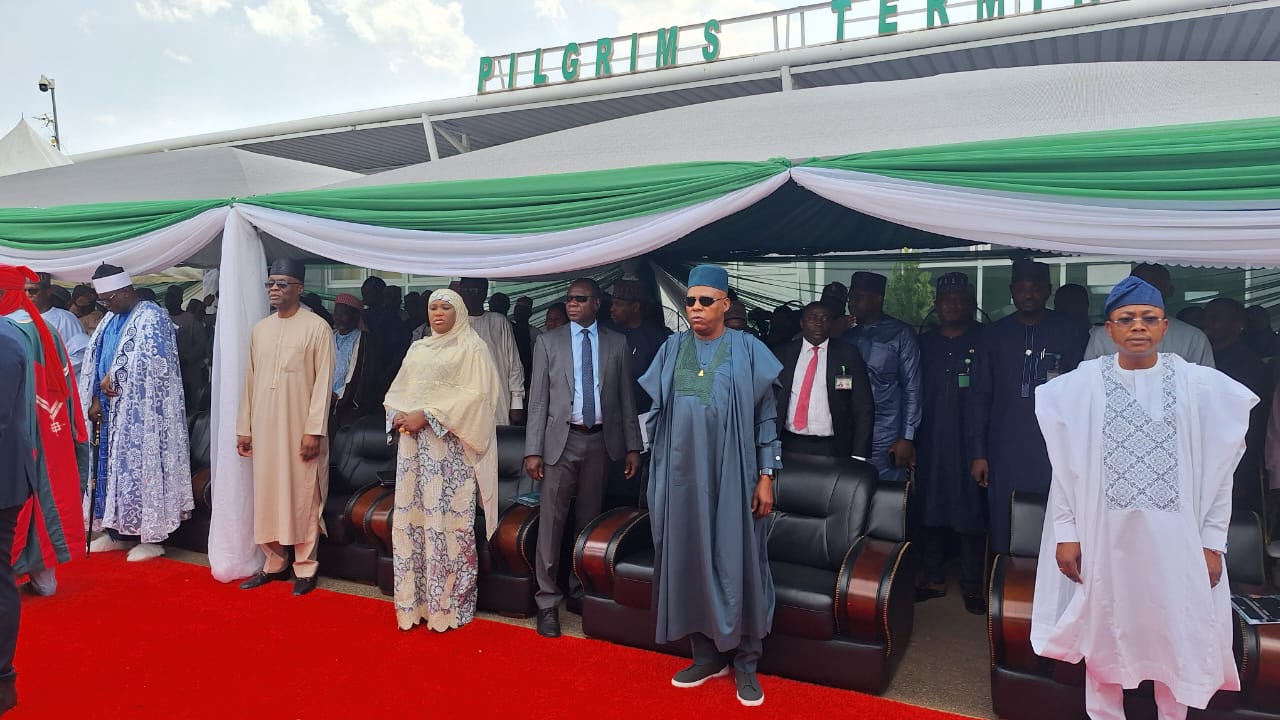
Shettima bids Nigerian pilgrims farewell as 2026 airlift begins
Nigeria begins 2026 Hajj airlift as inaugural flights depart multiple centres, with about 50,000 pilgrims expected to be transported nationwide
By Abdullahi Yusuf
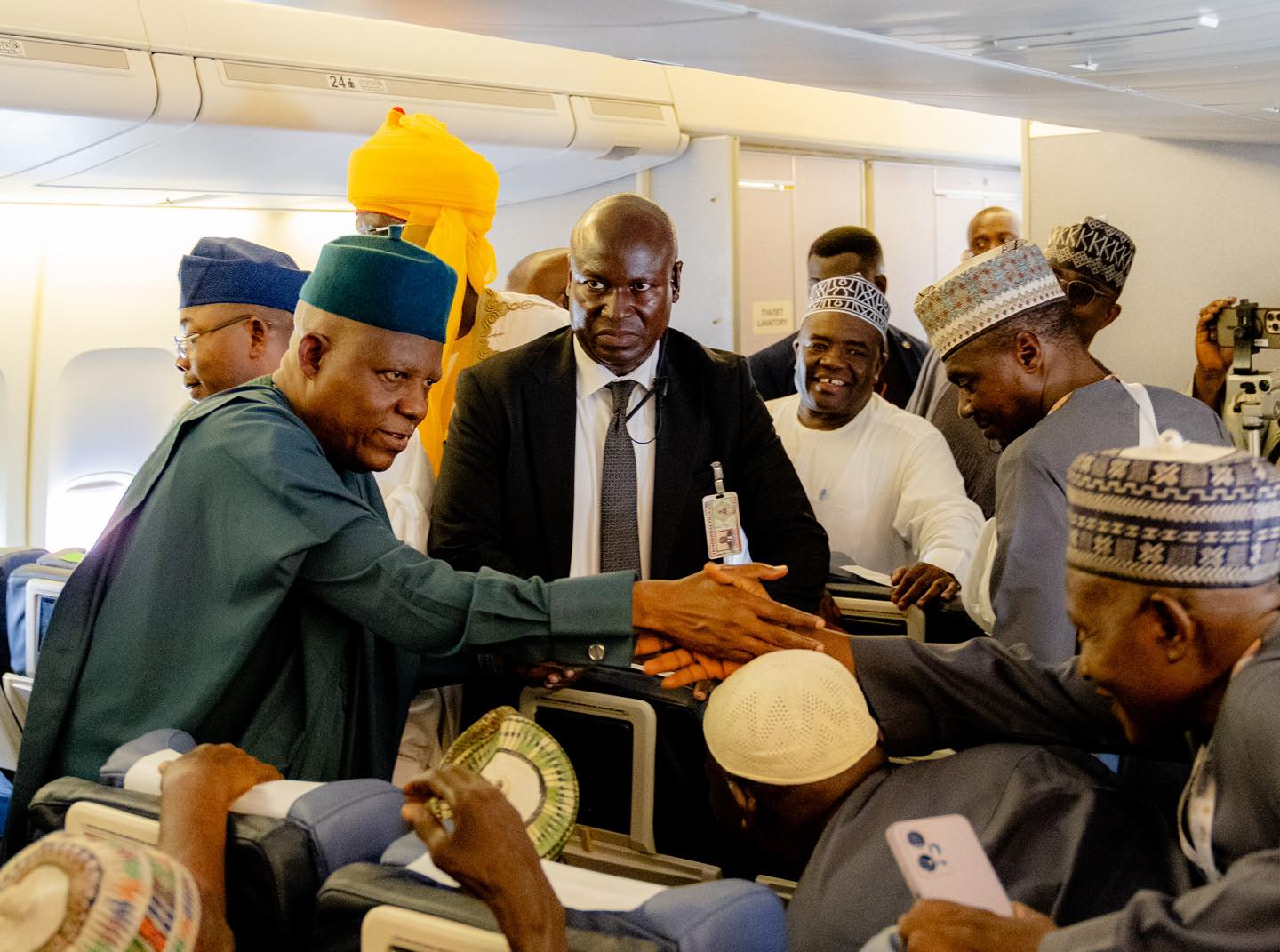
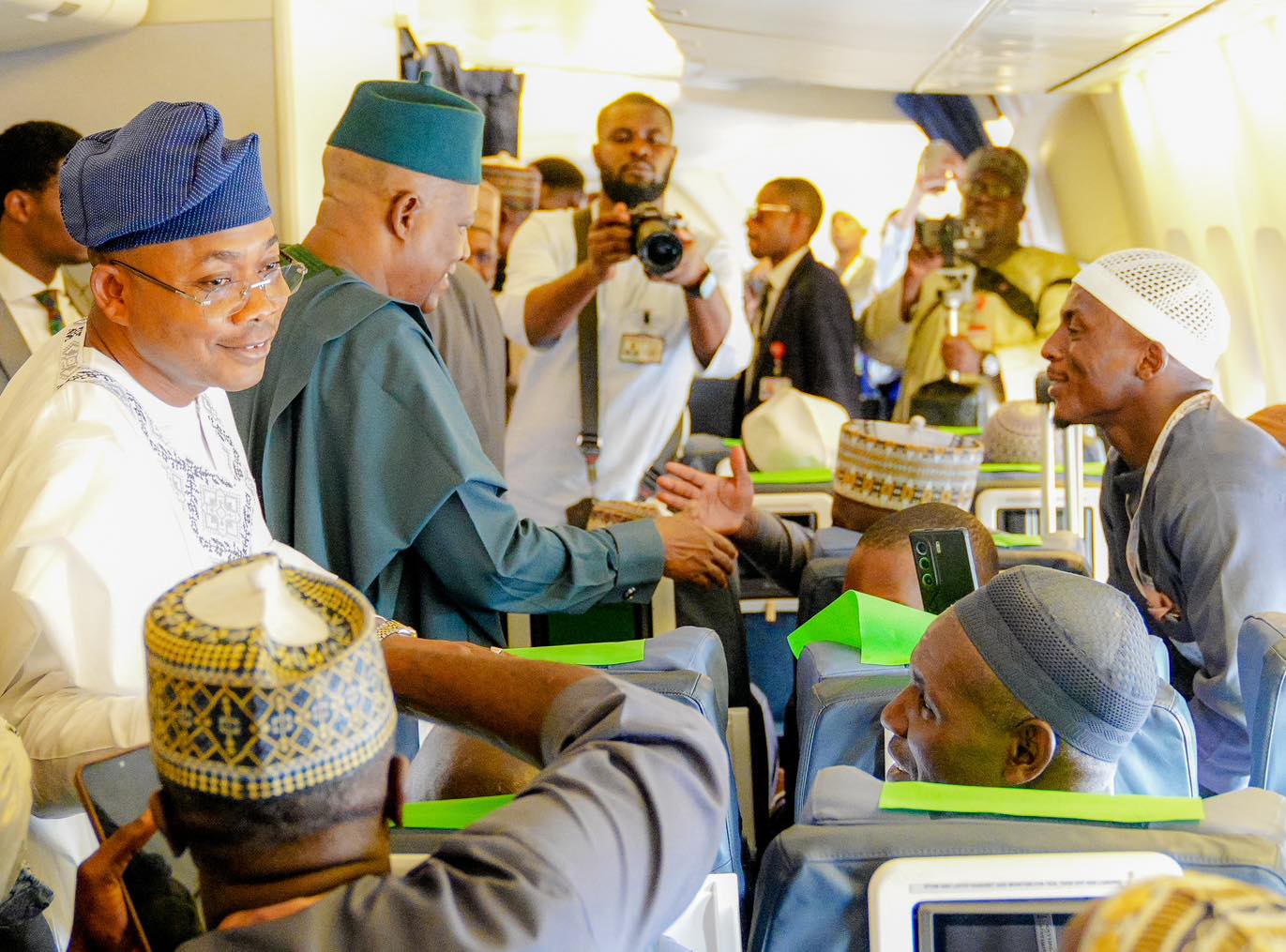
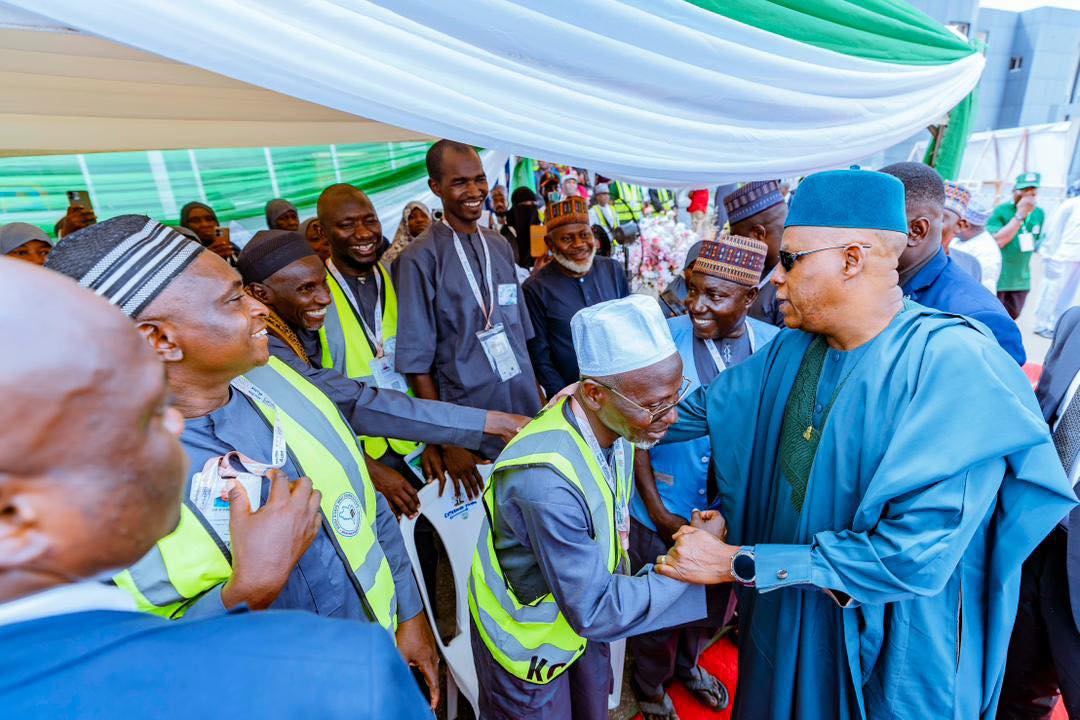
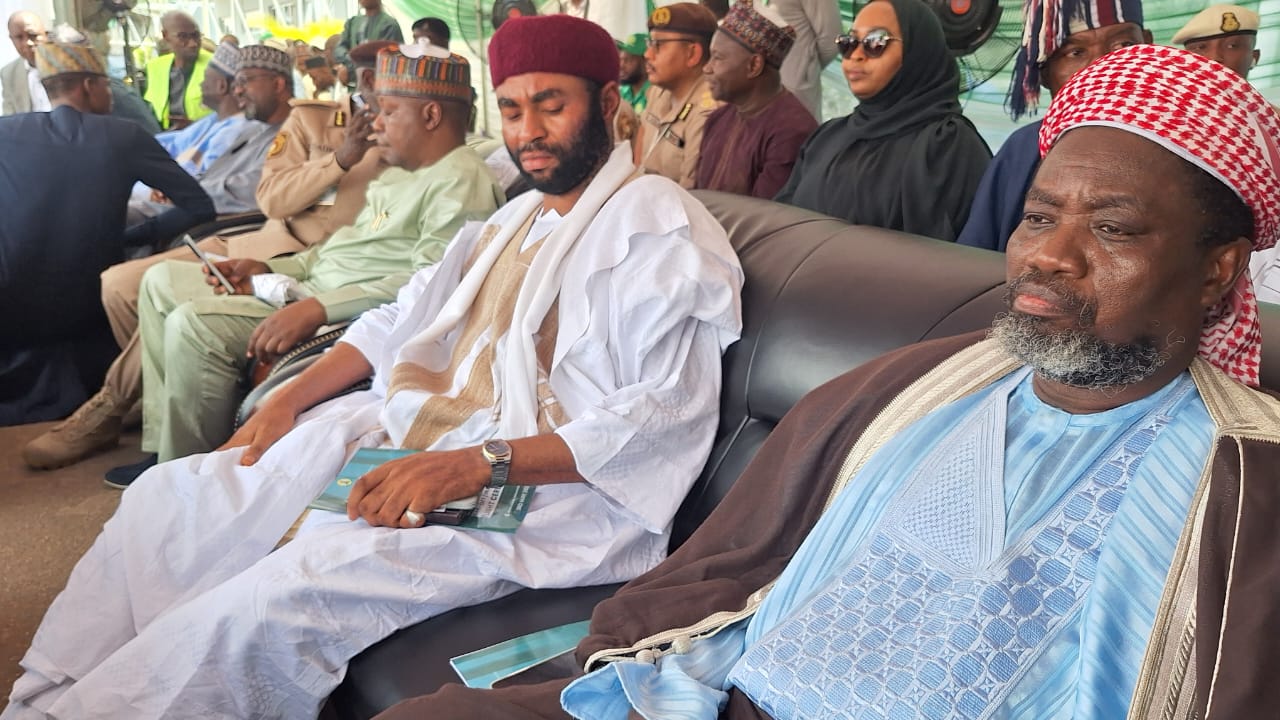
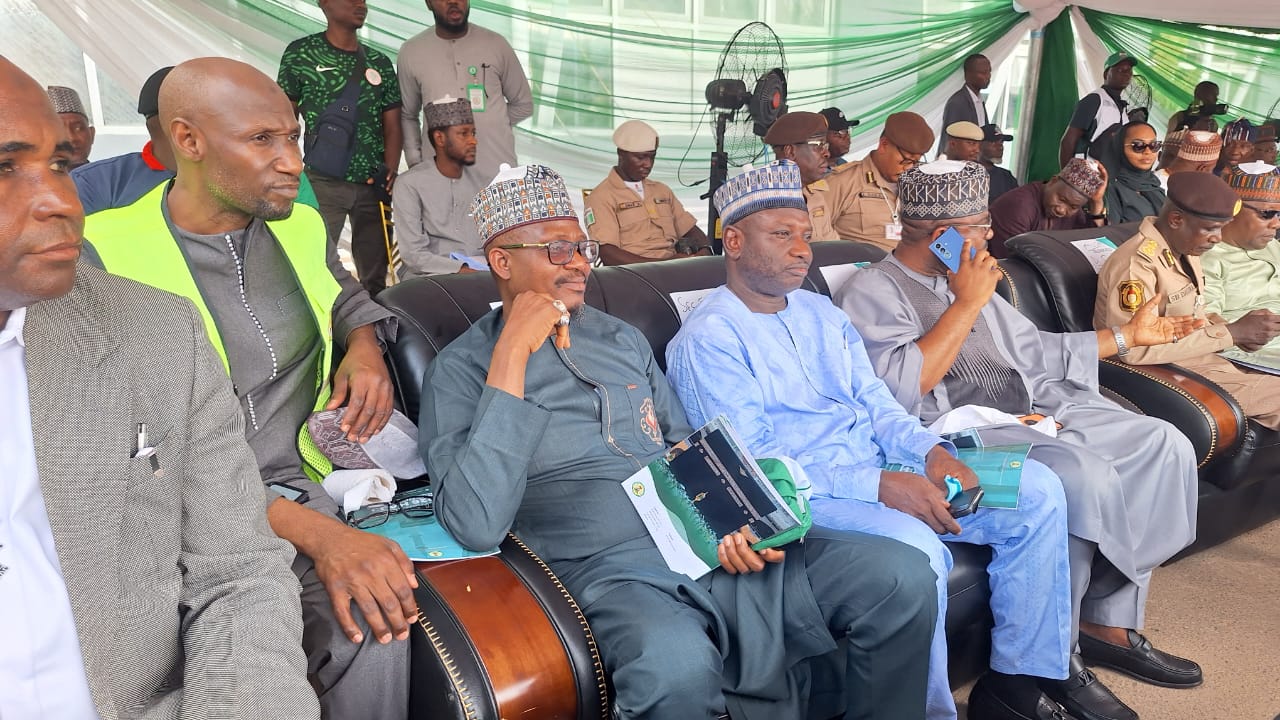
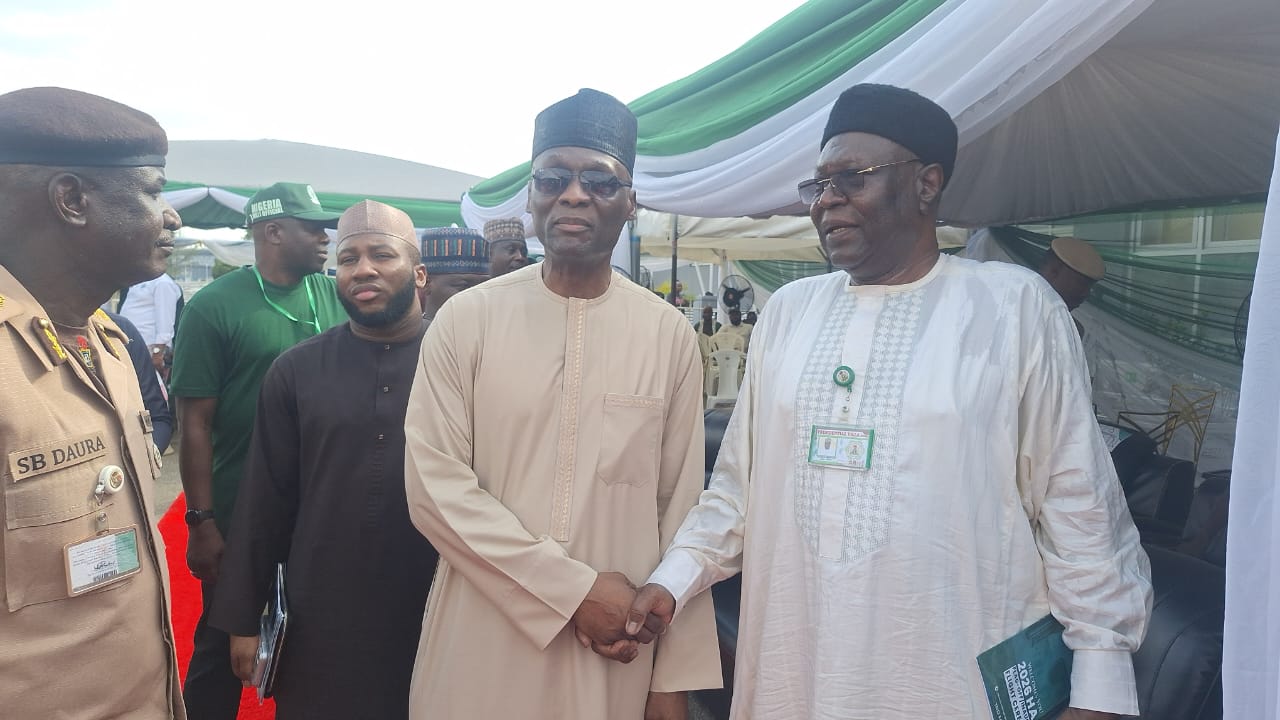
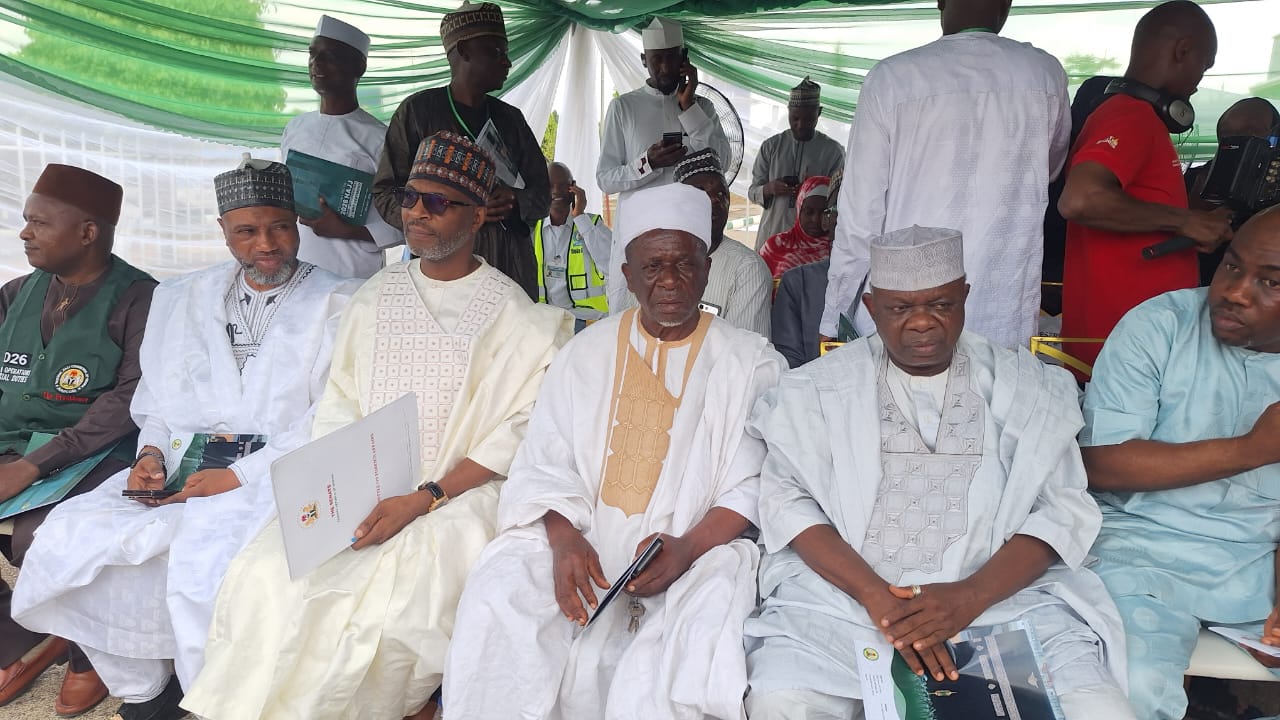
The 2026 Hajj pilgrimage officially commenced on Sunday with the Vice-President, His Excellency, Kashim Shettima Mustapha GCON, flagging off the airlift operations at the Nnamdi Azikiwe International Airport in Abuja, urging Nigerian pilgrims to serve as “ambassadors” of the country and uphold discipline, humility and national dignity throughout their journey.
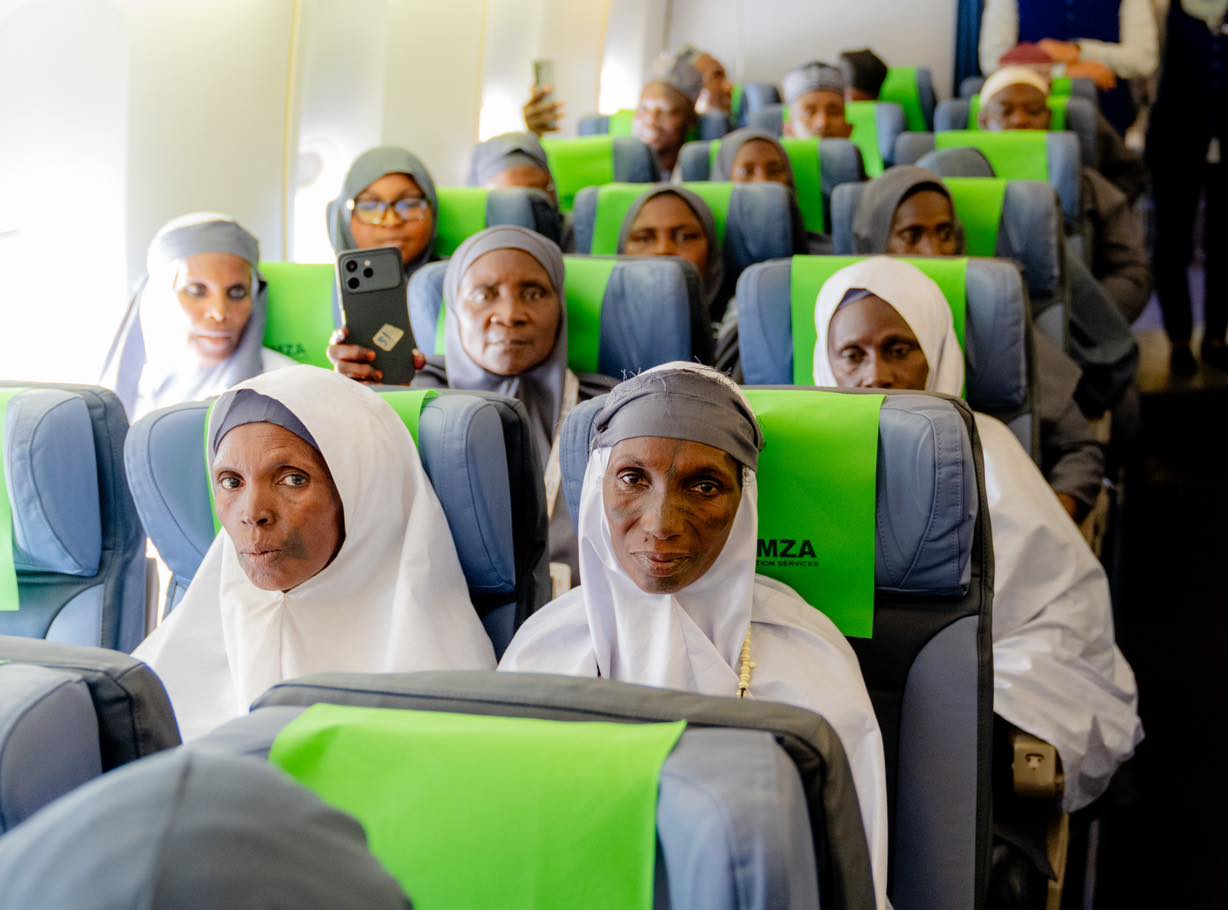
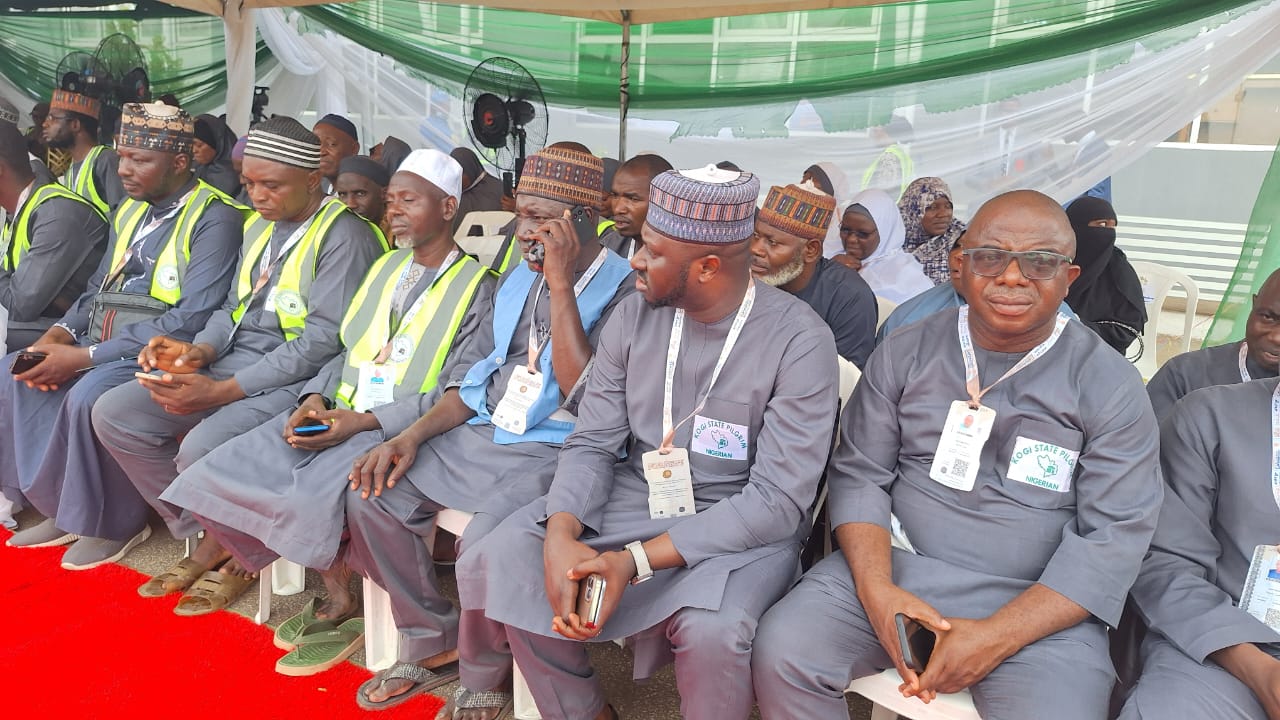
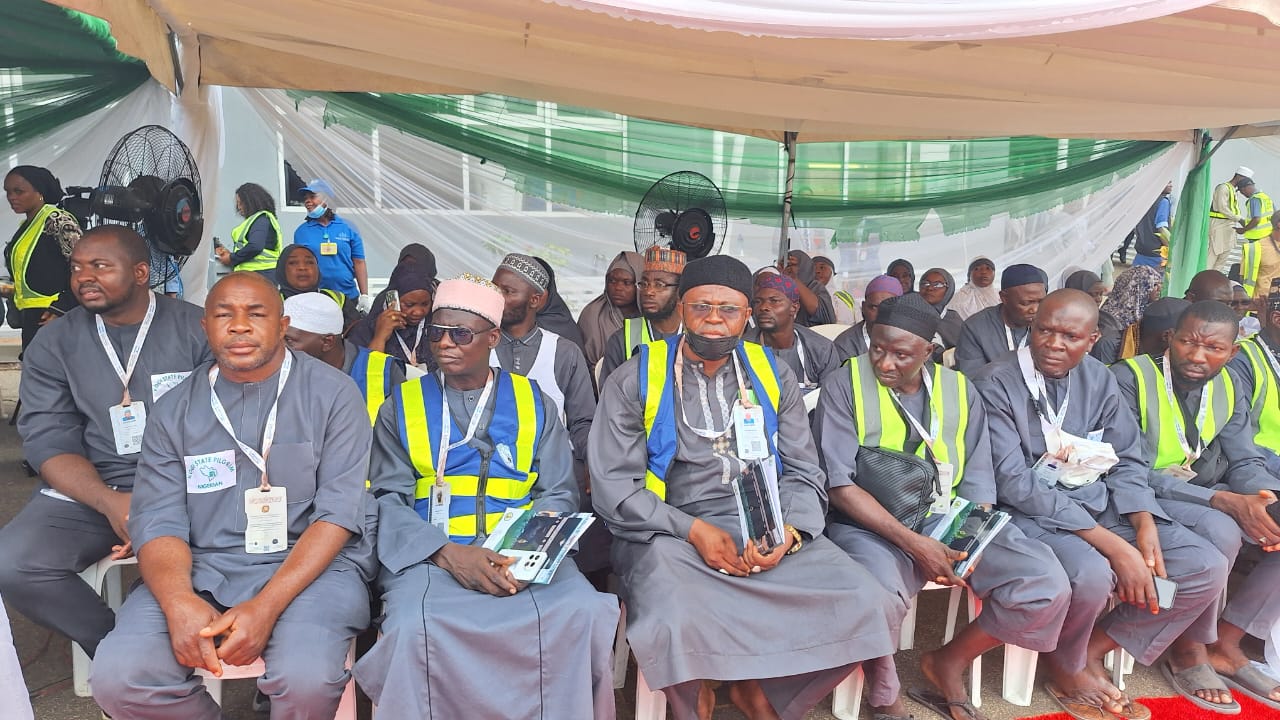
The first flight departed Abuja with 473 pilgrims from Kogi State, marking the start of a coordinated nationwide airlift operation. On the same day, additional pilgrims were airlifted from multiple designated centres, with Nasarawa and Kogi contingents departing from Abuja, Ogun and Oyo pilgrims flying out from Lagos, and Kebbi pilgrims airlifted from Kebbi State.
National Hajj Commission of Nigeria Officials confirmed that within the first operational window, a second flight Flynas XY8468 departed Kebbi for Madinah at 19:02hrs, carrying 418 pilgrims. Of these, 259 were male and 159 female, bringing the total number airlifted on the opening day to 891 across two flights.
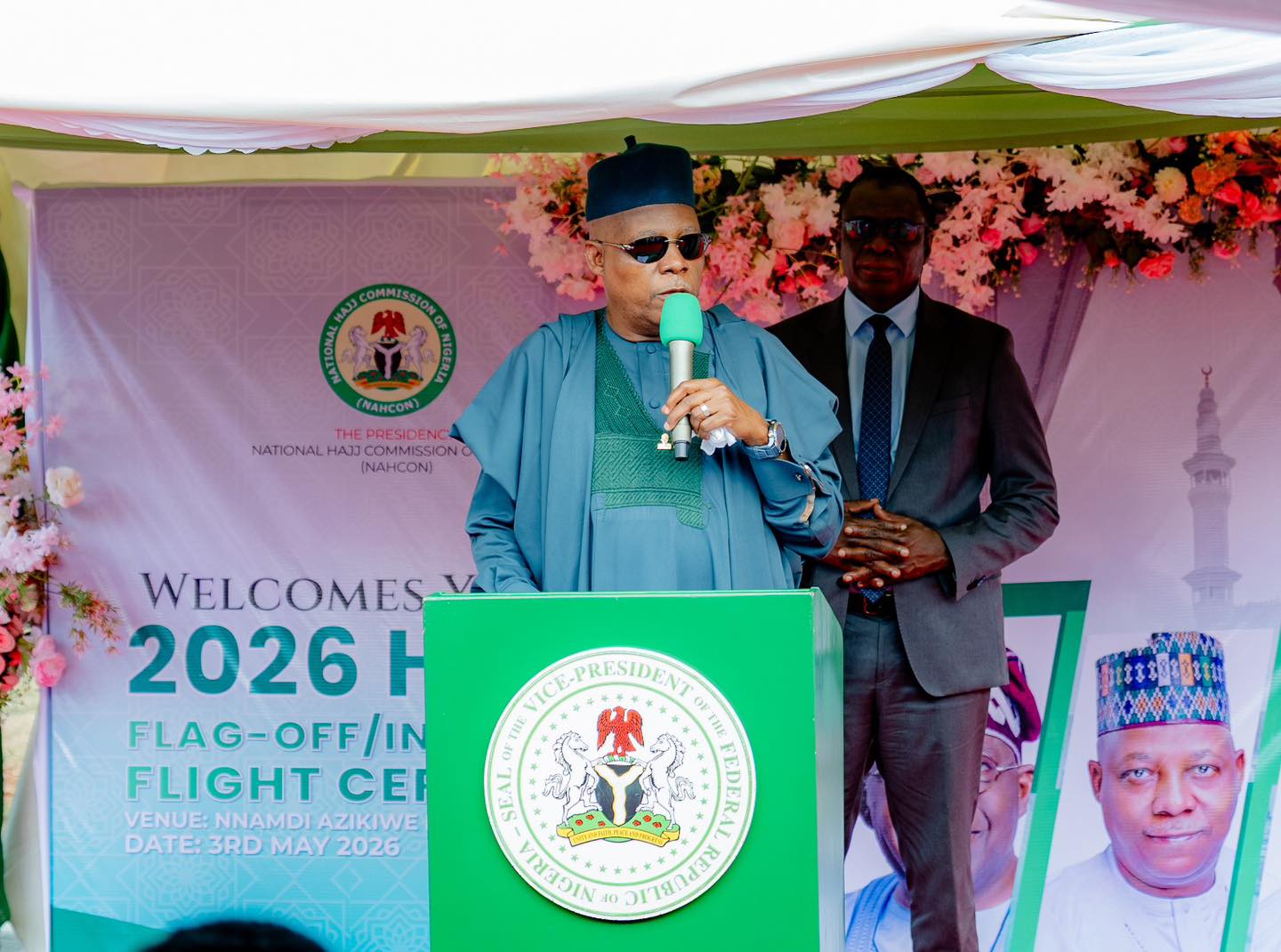
Delivering an extended address at the ceremony, His Excellency, Vice-President Kashim Shettima Mustapha GCON, described the Hajj as a deeply spiritual journey that dissolves status, geography and identity before what he called “the majesty of Allah”. “Every year we witness the departure of our fellow citizens from familiar shores to the holy sites, where status dissolves, pride bows, and humanity stands before the majesty of Allah,” he said.
He emphasised that Nigeria carries a dual responsibility, spiritual and administrative in managing the pilgrimage. “We owe every Nigerian pilgrim dignity, safety, order, compassion and honour. Each pilgrim travels under the banner of our nation, and each institution involved carries a sacred trust.”
Shettima directed Hajj administrators, aviation authorities, medical teams and security agencies to ensure strict coordination, saying operational success would be judged not by aircraft numbers but by pilgrim welfare.
“The success of this operation will not be measured by the number of aircraft that depart alone, but by the comfort of our pilgrims, the orderliness of our processes and the absence of avoidable hardship,” he said.
He also conveyed President Bola Tinubu’s commitment to safeguarding Nigerians abroad, describing governance as “a covenant of service”. Turning to pilgrims, Shettima described them as representatives of Nigeria on the global stage. He urged them to embody patience, humility and integrity, noting that their conduct in Makkah and Madinah would reflect directly on the country.
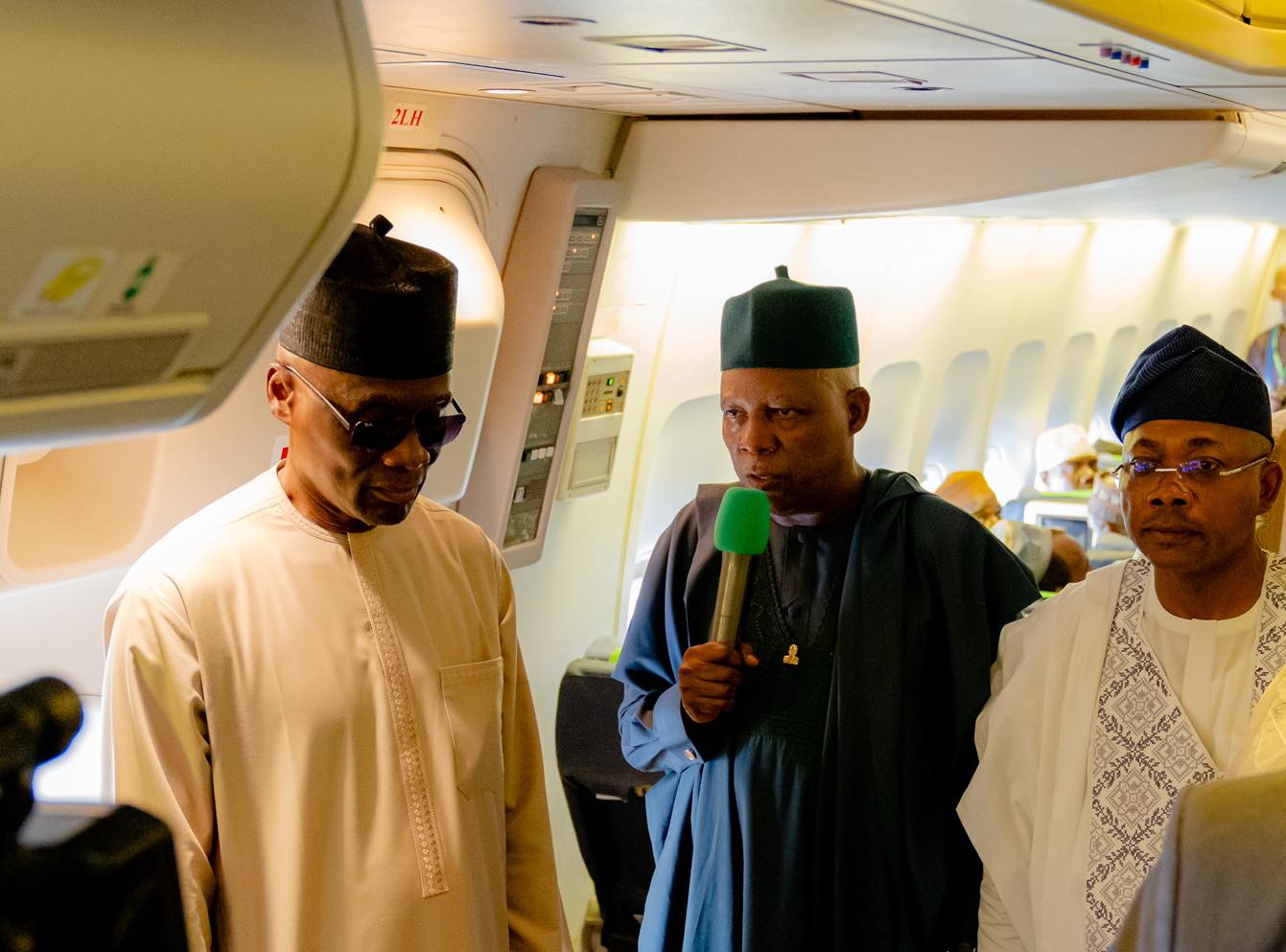
The Chairman of the National Hajj Commission of Nigeria (NAHCON), Amb Ismail Abba Yusuf, detailed the operational framework guiding the 2026 exercise, highlighting expanded medical support, accommodation standards and subsidy interventions.
Speaking at the event, Yusuf said: “We are flying a contingent of 473 Kogi state pilgrims to Medina, and this marks the beginning of the airlift of pilgrims to Saudi Arabia. We hope the seamless processes we have seen so far will continue.”
He confirmed that the federal government had approved enhanced welfare measures, including concessionary travel allowances and the establishment of medical centres near pilgrim accommodation in Makkah and Madinah.
According to him, more than 150 medical personnel, including doctors, nurses and allied health workers have been deployed, fully equipped with essential medicines to support Nigerian pilgrims throughout the Hajj. He also said accommodation, transport and feeding arrangements had been upgraded to what he described as “the highest standard”, under presidential direction.
Yusuf added that aviation cost pressures had created tensions with airlines, warning that operators had raised concerns over potential losses. “We have made recommendations to government, and the President is considering them carefully. There is concern both for pilgrims not paying more and for airlines not running at a loss,” he said.
He said the administration was seeking a balance between affordability and operational sustainability, adding that a decision was expected soon on possible relief measures for airlines.
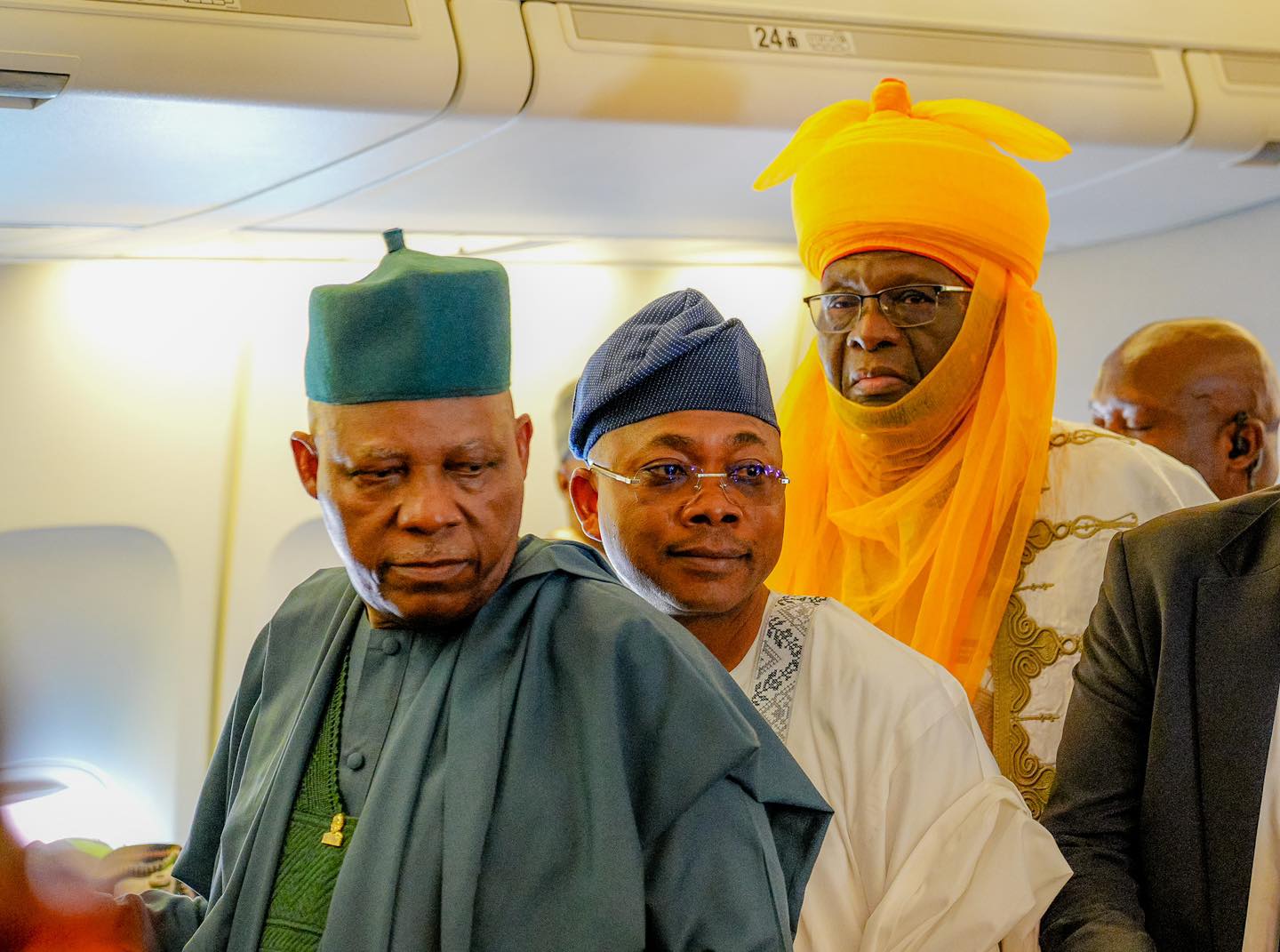
Kogi State Governor His Excellency Alhaji Ahmed Usman Ododo, whose state produced the first batch of pilgrims, described Hajj as a “rare privilege” requiring devotion and discipline. He urged pilgrims to pray for Nigeria’s peace and economic stability, and to represent the country with humility and tolerance.
He also referenced improvements in foreign exchange stability under the Tinubu administration, suggesting it had eased costs for pilgrims compared to previous years
Minister of State for the Federal Capital Territory, Dr Mariya Mahmoud Bunkure, described the flag-off as both a logistical and spiritual milestone, praising federal coordination and security arrangements. She said the FCT administration had prioritised pilgrim welfare, health and logistics to ensure a smooth transition to Saudi Arabia.
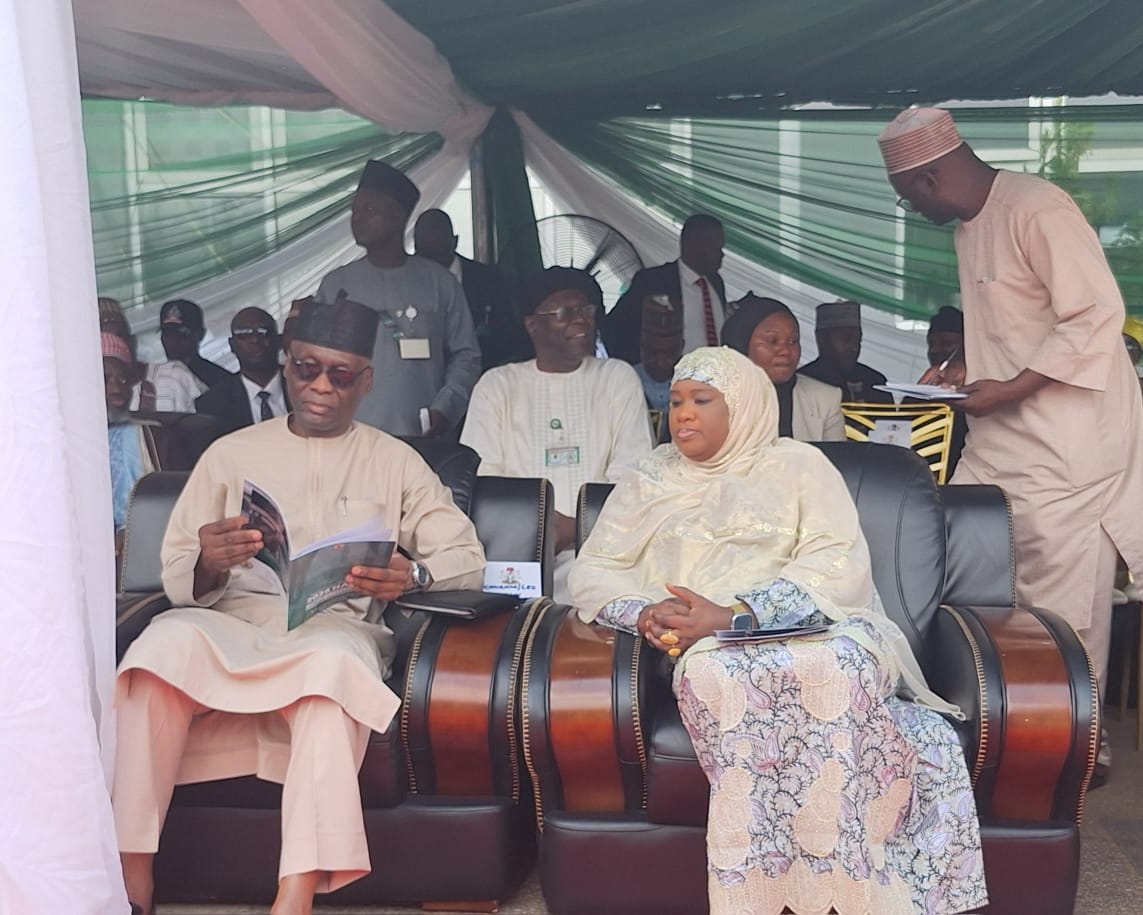
The Minister of Aviation, Festus Keyamo, represented by Captain Mamud Abdullahi, said aviation agencies had activated dedicated Hajj facilities across airports and strengthened security arrangements. He added that coordination with Saudi authorities and airlines had been enhanced to ensure “smooth, timely and orderly” operations.
With the opening flights from Abuja and Kebbi, and additional departures scheduled from multiple states, authorities say the 2026 Hajj airlift will proceed in structured phases across designated zones. Officials stressed that pilgrims must adhere strictly to grouping arrangements and departure schedules, as missed flights would not be accommodated outside their assigned zones.
Nigeria’s Hajj operations remain one of the country’s largest annual logistics exercises, involving multiple agencies across aviation, health, security and religious affairs.
The current structure under NAHCON is part of ongoing reforms aimed at improving transparency, reducing delays and enhancing pilgrim welfare standards.
More Photos:

SPONSORED

SPONSORED

SONSORED
