
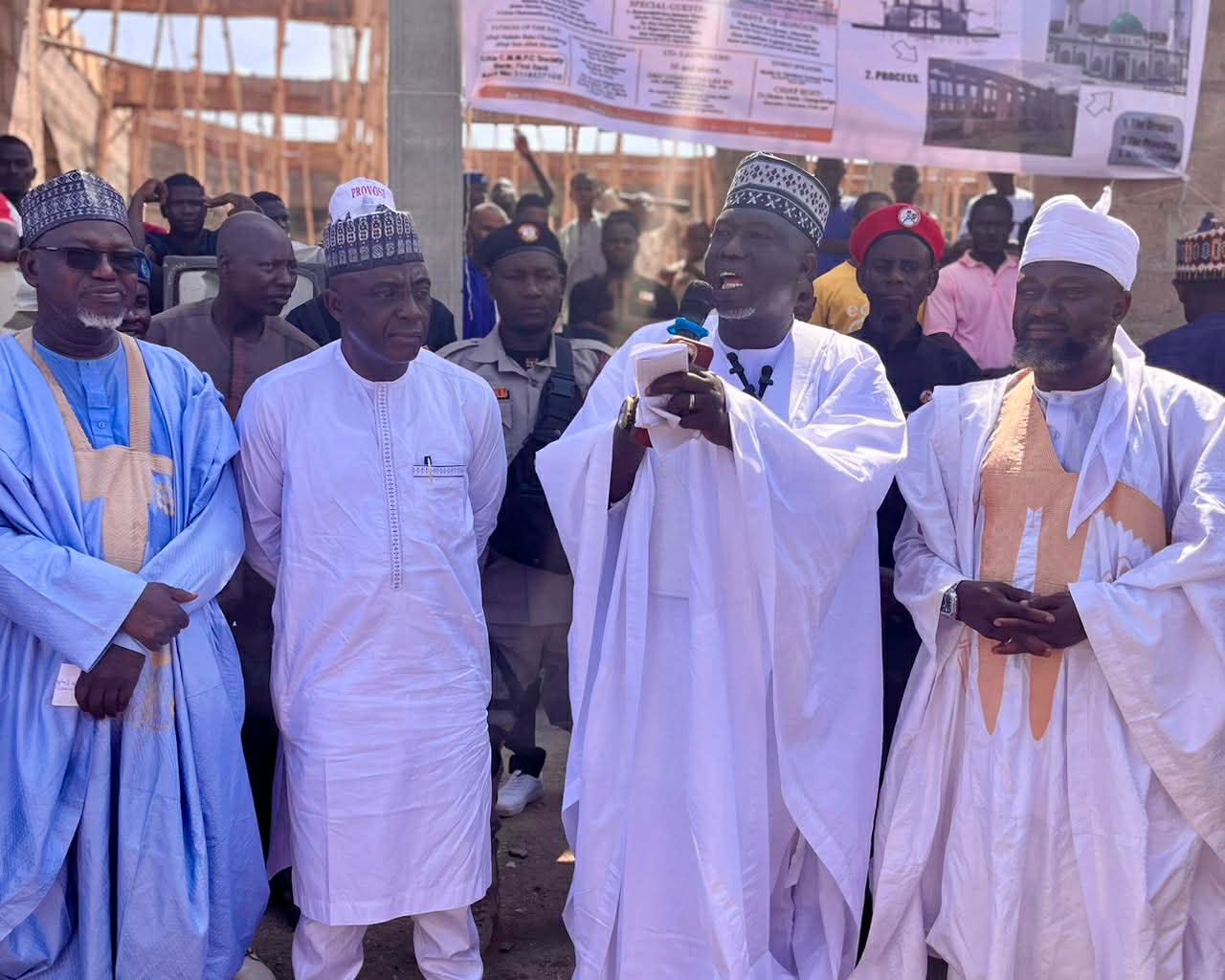
Sheikh Tajuddeen speaks on peace at Katsina-Ala central mosque launch
At the launch of a new central mosque project in Benue State, the Islamic cleric said religious institutions should serve as centres for social cohesion, moral guidance and community development.
By Abdullahi Yusuf
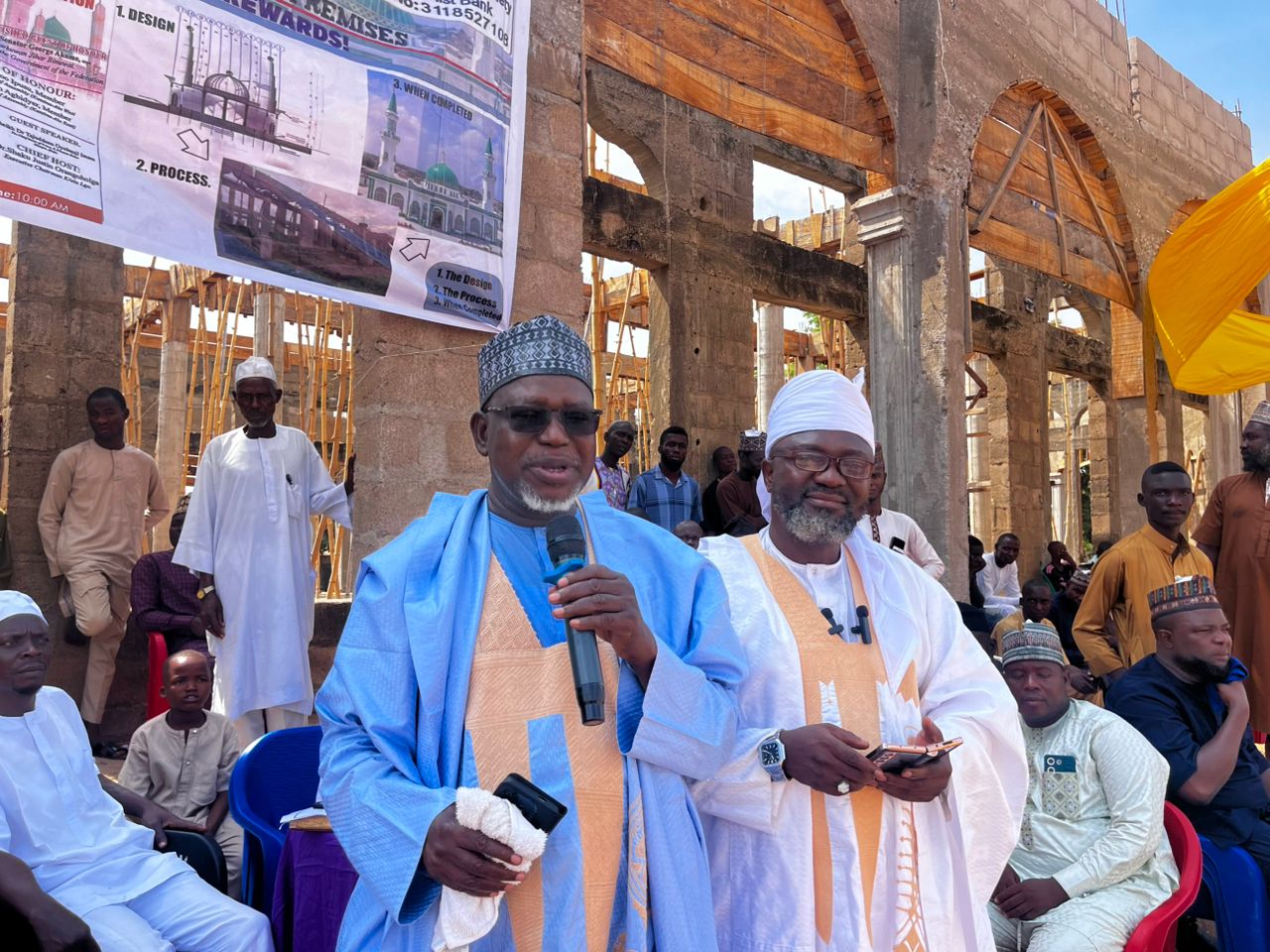
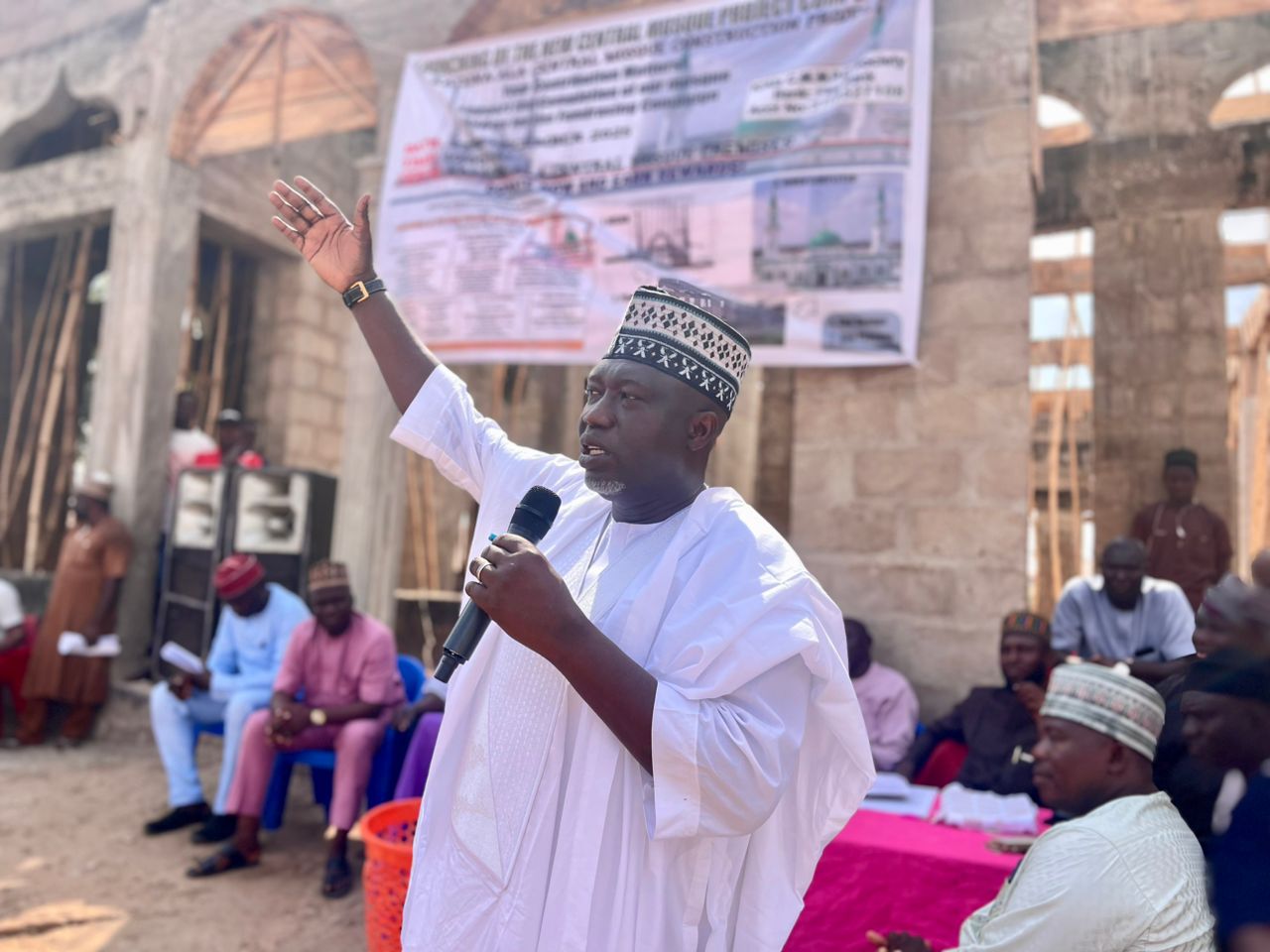
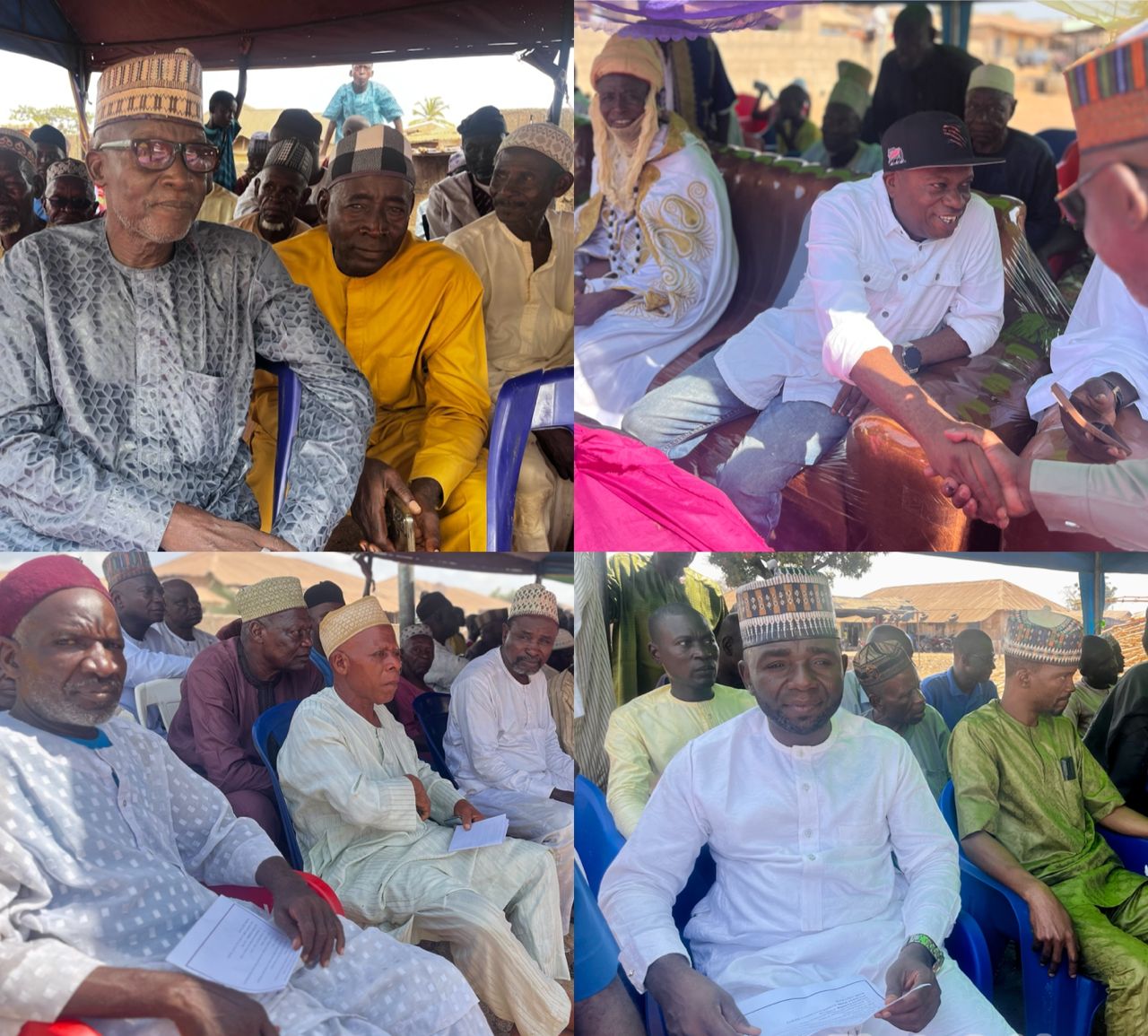
Islamic cleric Sheikh Dr Tajuddeen Oyebanji Imam has called on religious institutions, political leaders and communities to prioritise peace and unity as the foundation for development, during the launch of a new central mosque project in Katsina-Ala township, Benue State.
The chief imam of Prince and Princess Central Mosque who delivered a lecture at the event on Friday, said religious centres must serve beyond worship, describing them as platforms for moral guidance, conflict prevention and social development.
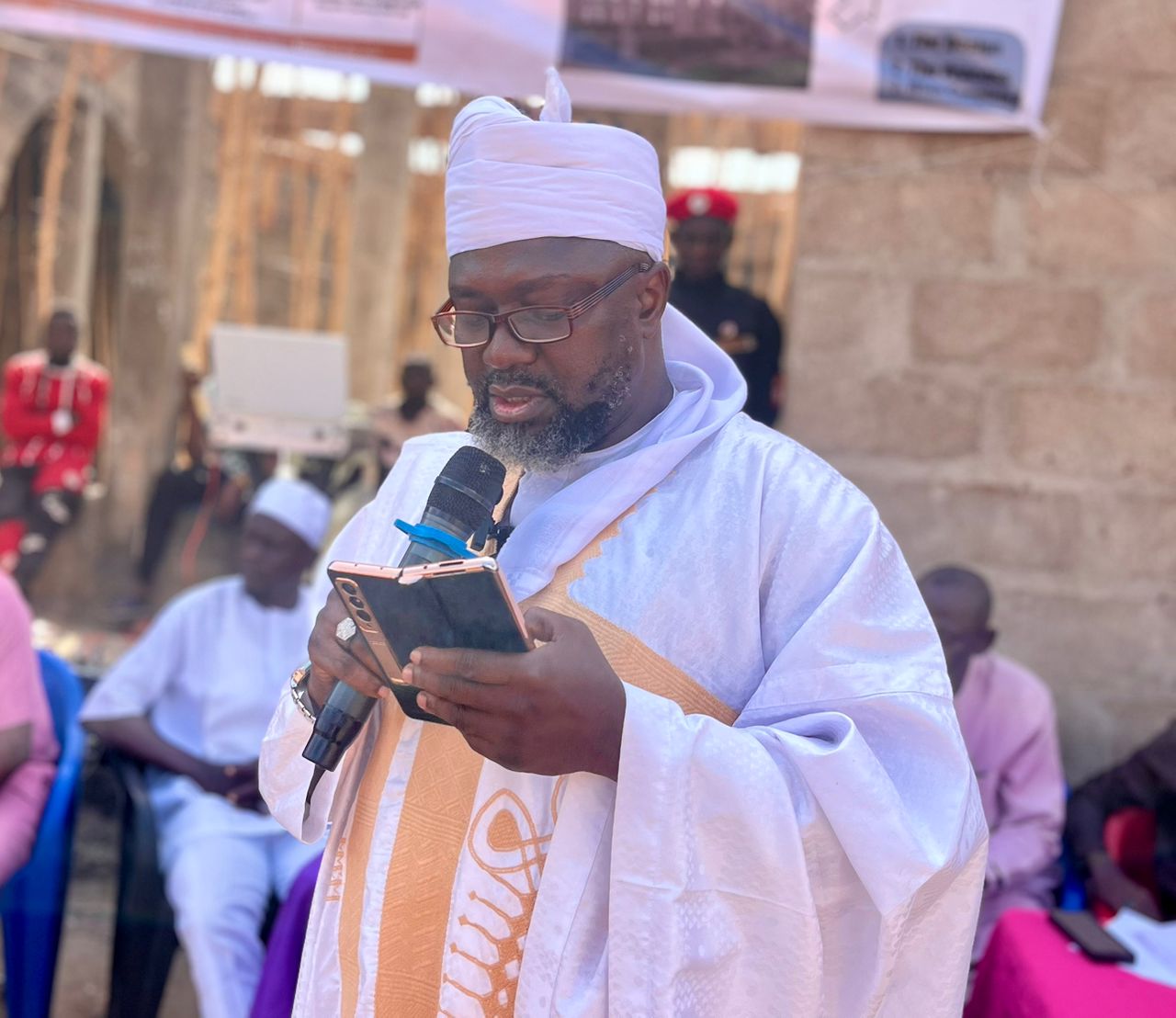
“The mosque we are launching today is not merely a place of prayer,” Oyebanji said. “It must become a beacon of peace, unity, moral education and development for Katsina-Ala, Benue State and Nigeria at large.”
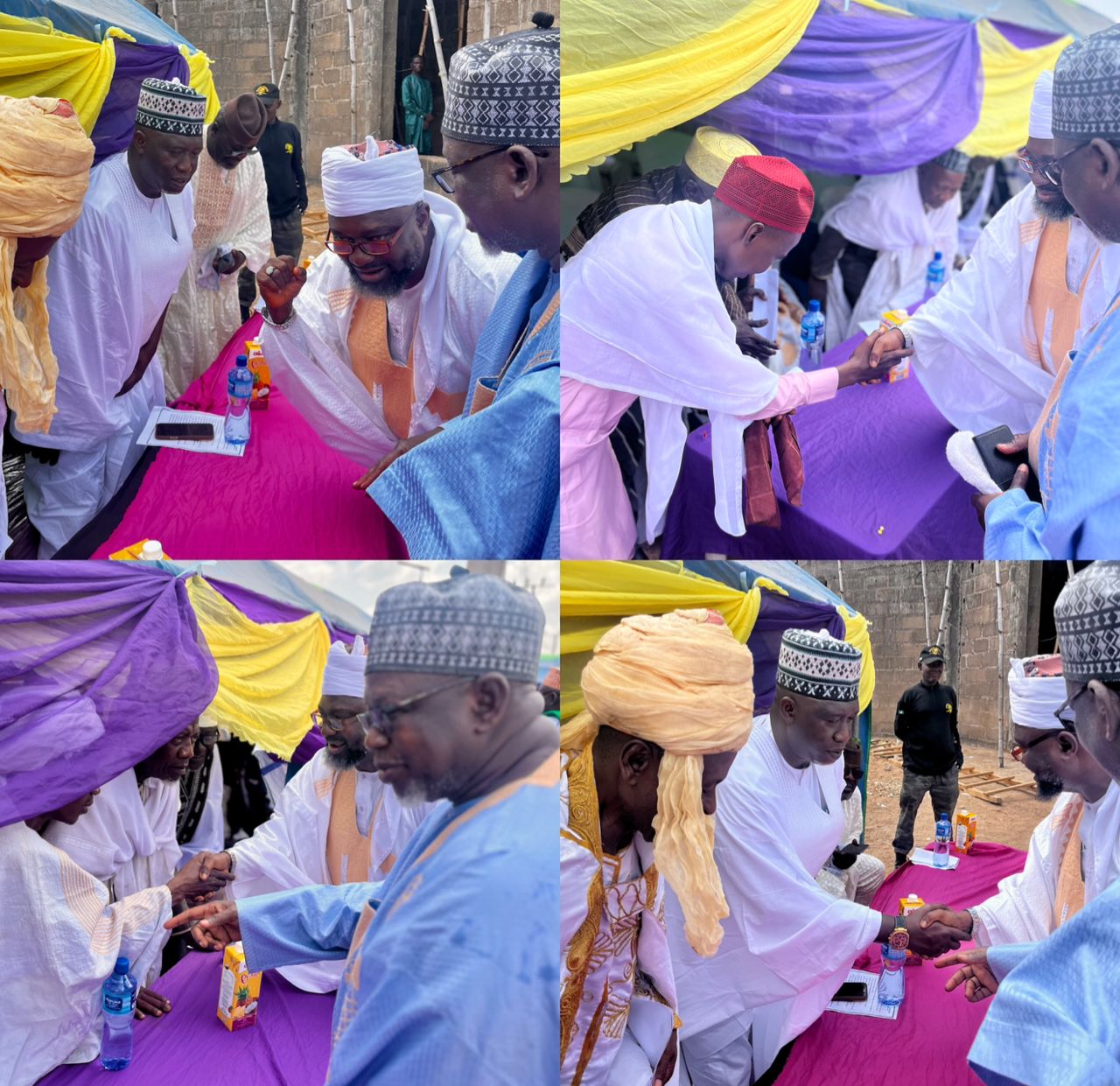
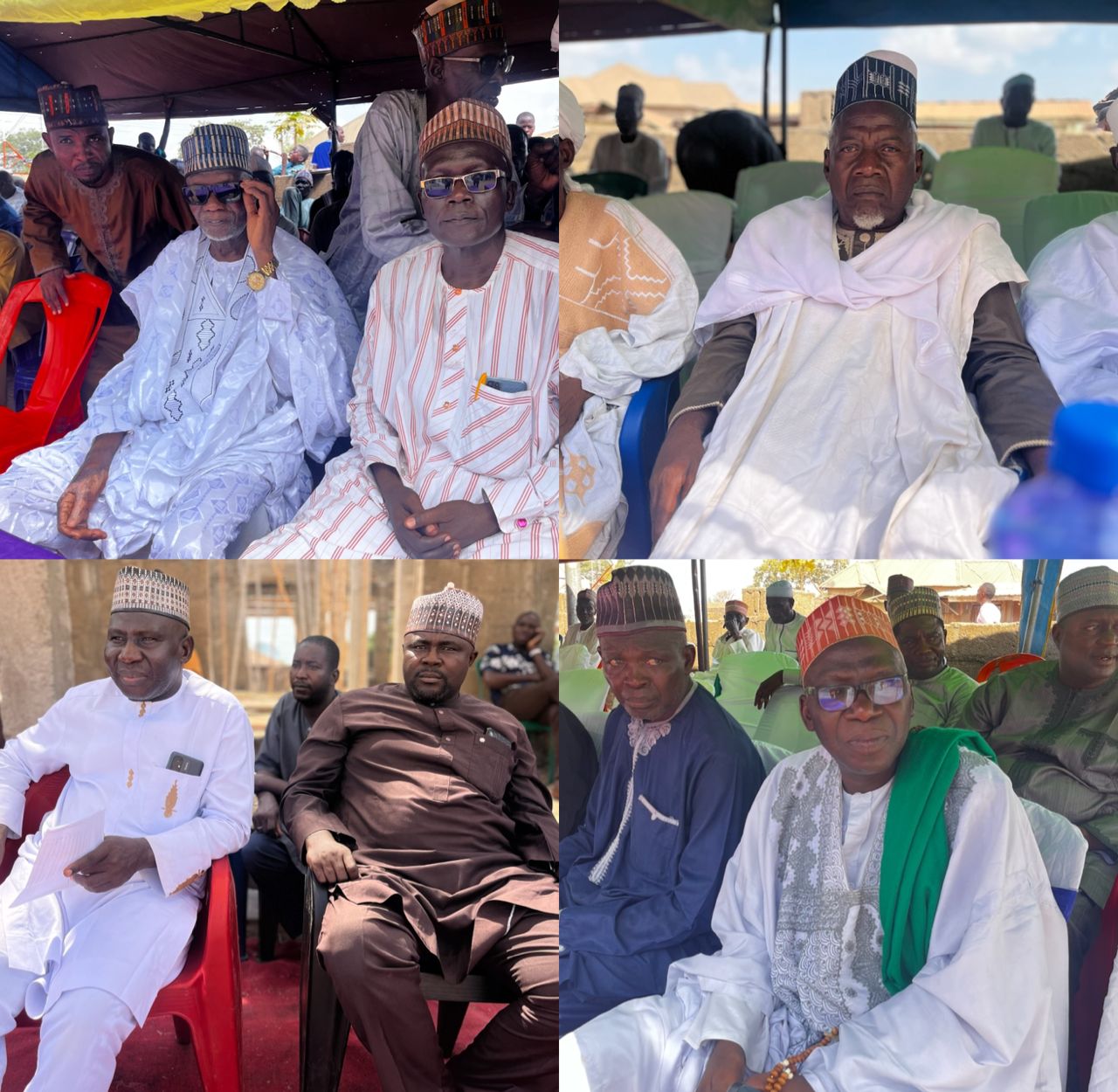
The lecture, themed “The True Religion of Universal Peace, Unity, and Development”, drew Muslim and Christian leaders, traditional rulers and government representatives from across the state.
Dr Oyebanji said Islam was fundamentally a religion of peace, rejecting violence, extremism and ethnic hatred. He cited Islamic and Christian scriptures to argue that unity was a divine command and a prerequisite for stability and growth.
“There can be no peace without unity, and without peace, there can be no development,” he said. “Division destroys societies, while unity builds them.”
He added that human life was sacred and that unjust killing had no religious justification, noting that religious institutions must actively condemn violence and promote education, social justice and coexistence.
“Religion must be part of the solution, not the source of conflict,” he said.
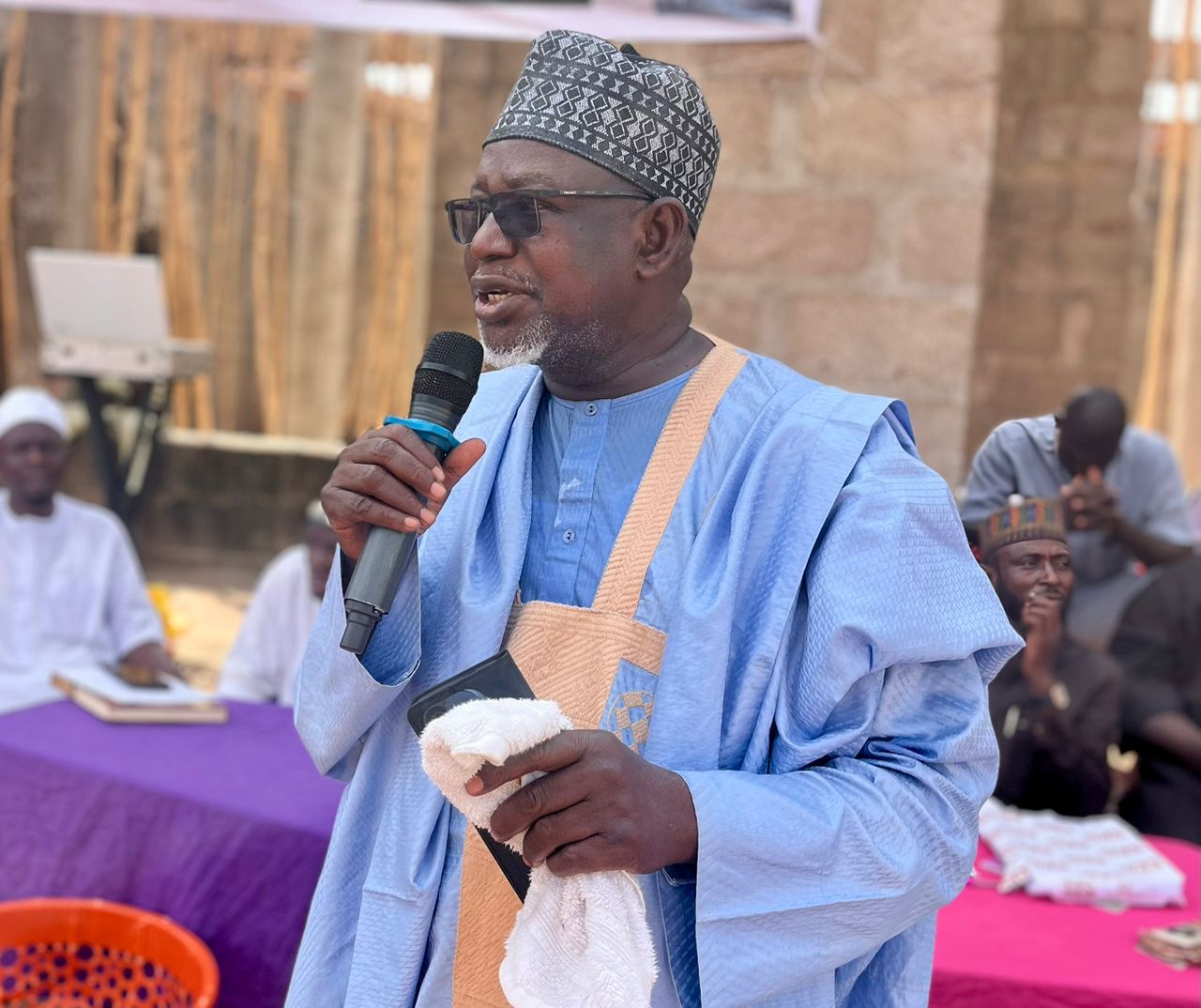
Speaking in a separate interview with Peace Magazine on the sidelines of the event, Oyebanji said the impact of the lecture would depend on whether leaders and citizens put its message into practice.
“The next step is applicability,” he said. “All stakeholders, government officials at all levels, religious leaders, traditional rulers, youths and women must rise to their responsibilities. There can be no meaningful development without peace.”
He identified love, kindness, perseverance and tolerance as essential elements for peace, stressing that faith differences must be respected.
“Your faith is your faith, and my faith is my faith,” Oyebanji said. “There should be no coercion or insult in religion.”
Responding to scepticism that similar messages had been preached before, he said religious leaders must take greater responsibility rather than relying solely on politicians.
“Religious and traditional institutions have existed for generations,” he said. “They must speak truth to power and remind leaders of justice, equity and accountability.”
Oyebanji also highlighted youth unemployment as a driver of insecurity, warning that neglecting young people created conditions for extremism and violence.
“Human life is sacred in both the Qur’an and the Bible,” he said. “Judgment belongs to God alone.”
He urged residents of Katsina-Ala to take the message of peace back to their homes and communities, saying coexistence was essential for environmental protection, economic stability and social harmony.
“Difference in faith is not a licence for hostility,” Oyebanji said. “Peace in speech, actions and relationships is the true message of Islam.”
Katsina-Ala is a major township in Benue State, located in Nigeria’s North-Central region and known for its ethnic and religious diversity. The area has historically served as a commercial and administrative hub, with agriculture forming a key part of the local economy.
The old Katsina-Ala Central Mosque dates back to the early 1950s and has long served as the main centre for Jumu’at congregational prayers in the town. Over the decades, the mosque has witnessed the leadership of several imams and has played a central role in the religious and social life of the Muslim community.
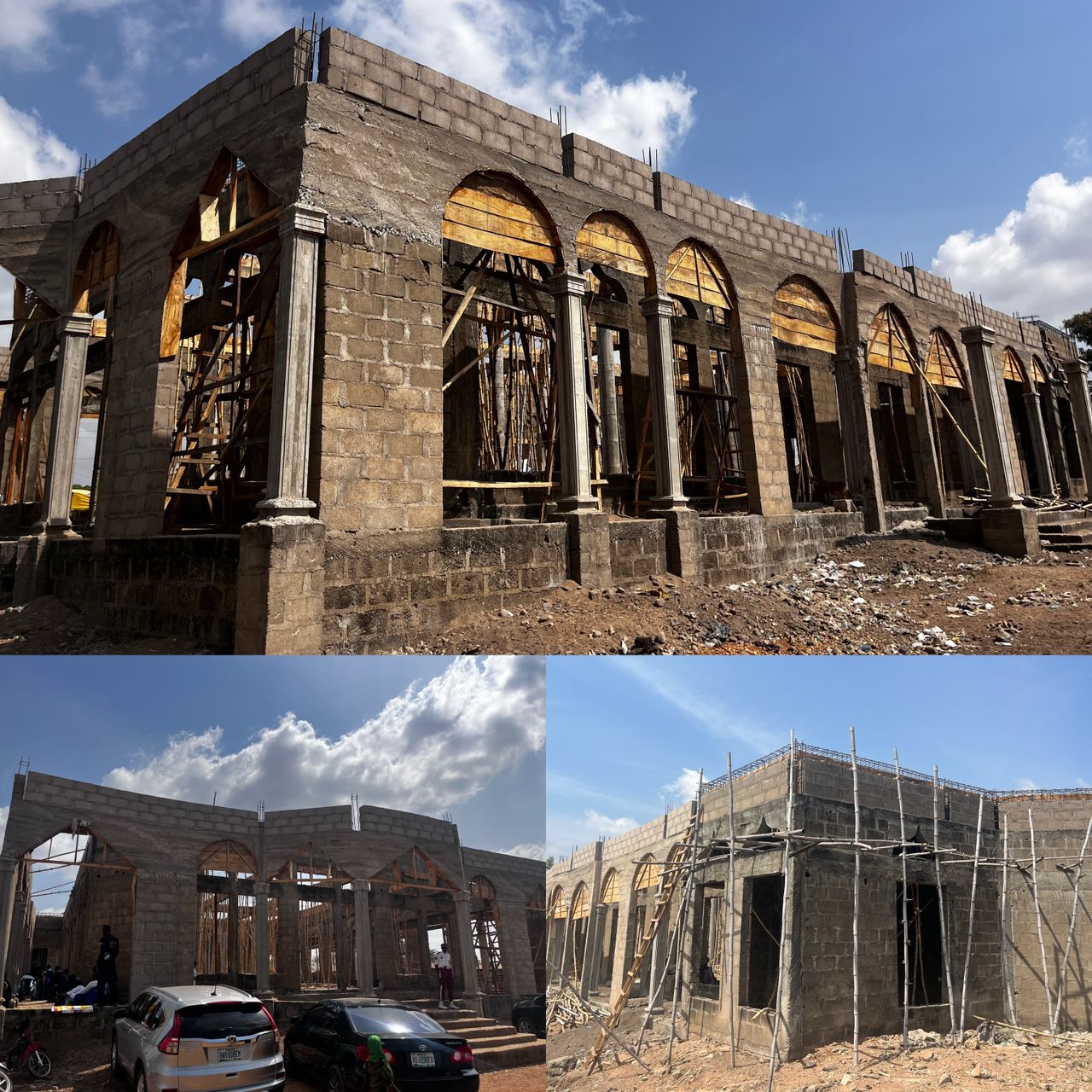
Organisers of the project said the new central mosque is intended to expand capacity and modernise facilities to meet the needs of a growing population, while continuing the mosque’s historical role as a centre for worship, learning and community engagement.
SPONSORED

SPONSORED

SONSORED
