
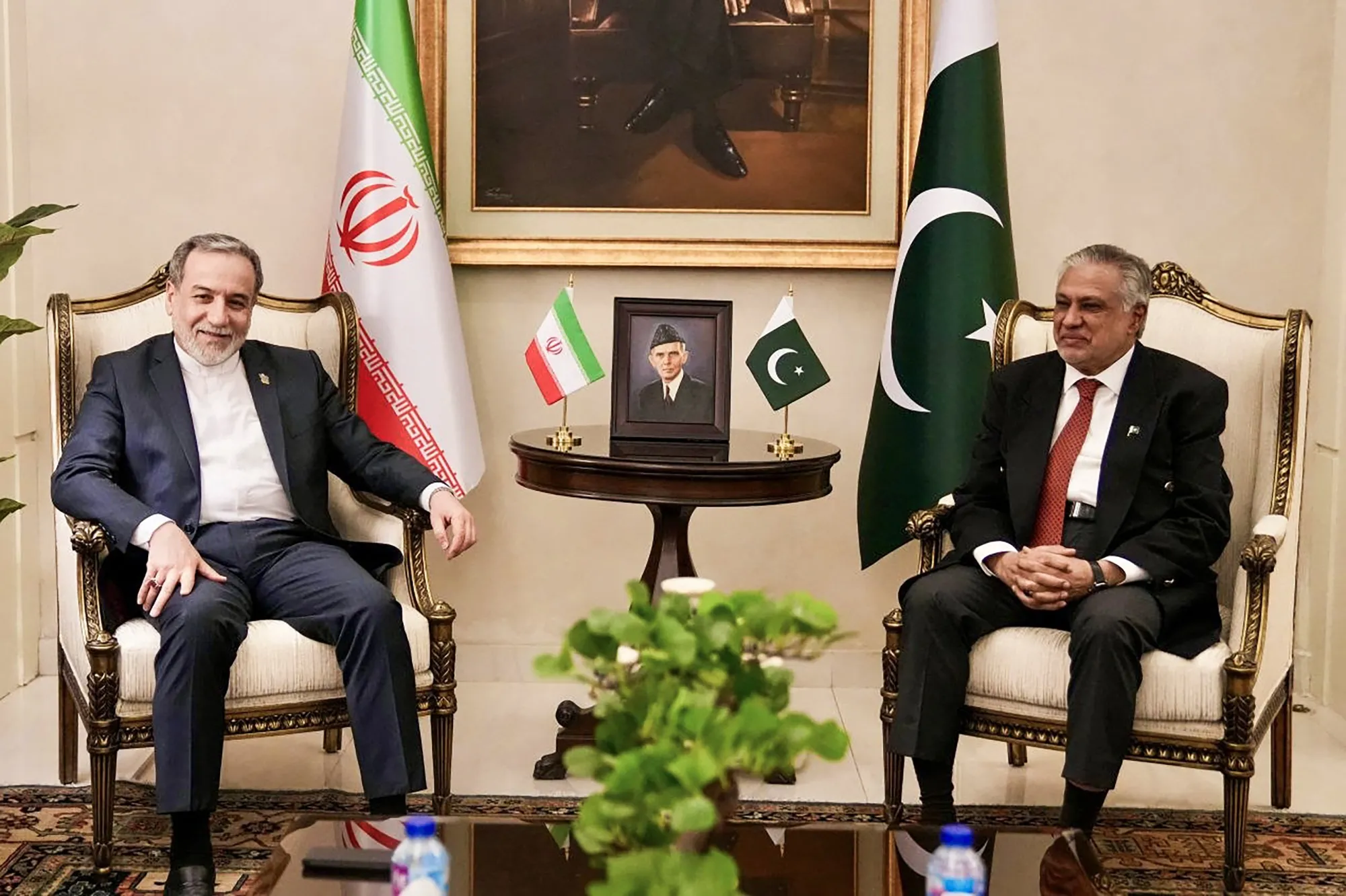
Pakistan opens Iran transit corridor in regional trade shift
Pakistan allows cross-border movement of Iranian goods as it seeks to position itself as a regional trade hub amid shifting economic and geopolitical dynamics
By Abdullahi Yusuf
Pakistan has formally approved the movement of Iranian goods across its territory under a new trade framework, in what officials describe as a significant step towards strengthening regional connectivity.
The policy, introduced under a “Transit Order 2026” by Pakistan’s Ministry of Commerce, permits cargo originating from or destined for Iran as well as third countries, to pass through Pakistani routes under regulated conditions.
Authorities say designated transit corridors have been established to ensure the secure and efficient movement of goods, marking a shift in Pakistan’s approach to cross-border trade and logistics.
Officials in Islamabad have framed the move as part of a broader effort to transform the country into a regional trade hub, capable of linking markets across South Asia, Central Asia and the Gulf.
Analysts say the decision could enhance Pakistan’s logistical relevance while reducing reliance on more traditional trade routes, particularly those affected by instability.
The development comes as discussions continue over a proposed regional trade arrangement involving Pakistan, Iran and Oman, with a focus on expanding commercial links and improving maritime and overland connectivity.
At the centre of these plans is Gwadar Port, which officials hope to develop into a major re-export hub. Authorities estimate the port could support export volumes worth billions of dollars if regional integration deepens and trade flows increase.
Pakistan’s evolving economic ties with Iran also follow a period of diplomatic engagement during recent regional tensions, where Islamabad maintained a neutral stance while facilitating dialogue.
Tehran, for its part, has opened certain routes for Pakistani trade, contributing to what officials describe as a reciprocal transit arrangement between the two countries.
The shift comes at a time when Pakistan’s access to Central Asian markets via Afghanistan has faced disruption, prompting policymakers to explore alternative corridors.
The Iranian route is increasingly seen as a viable option, particularly if international sanctions on Tehran are eased, which could allow for greater volumes of trade to pass through the region.
Iran’s foreign minister, Abbas Araghchi, is currently engaged in a regional tour that includes stops in Muscat and Moscow, a move observers link to ongoing diplomatic efforts and future economic coordination.
Experts say Pakistan’s latest decision reflects a broader recalibration of its economic strategy, one that places transit trade and regional integration at the centre of its long-term planning.
As geopolitical and economic conditions continue to evolve, the success of the new corridor is likely to depend on stability in the region and the extent to which wider trade restrictions on Iran are relaxed.
SPONSORED

SPONSORED

SONSORED
