

NDIC Director Hajiya Rahmatu Retires After 34 Years of Service
Senior NDIC officials, relatives and associates gather to celebrate 34 years of public service, philanthropy and leadership as veteran risk management director retires from the Nigeria Deposit Insurance Corporation
By Abdullahi Yusuf
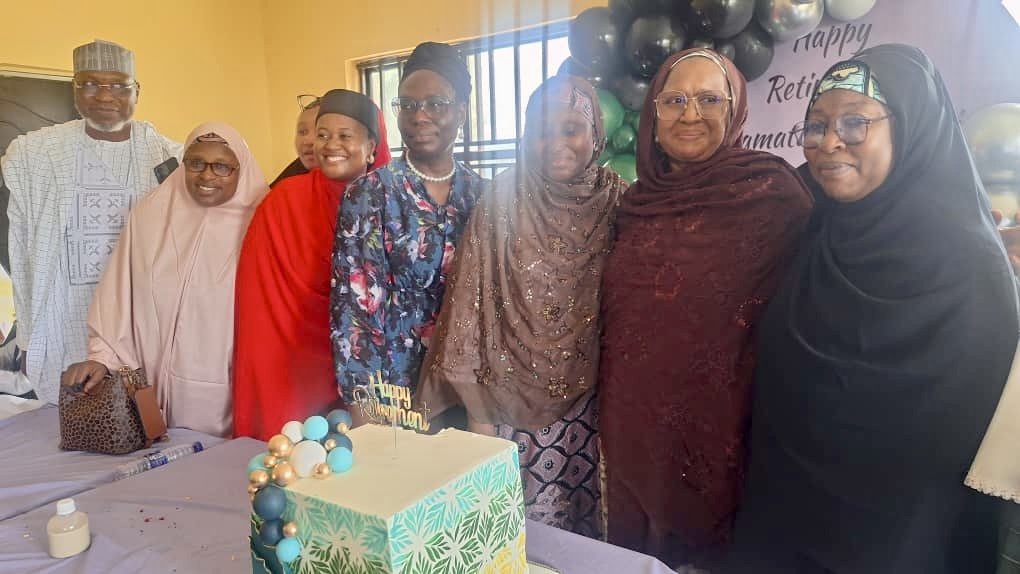
At the Al-Ansar Children’s Home Kuje, Abuja, Senior officials of the Nigeria Deposit Insurance Corporation, family members, religious associates and longtime friends converged on the orphanage facility, to celebrate the retirement of Hajiya Rahmatu Musa Sani after more than three decades in public service.
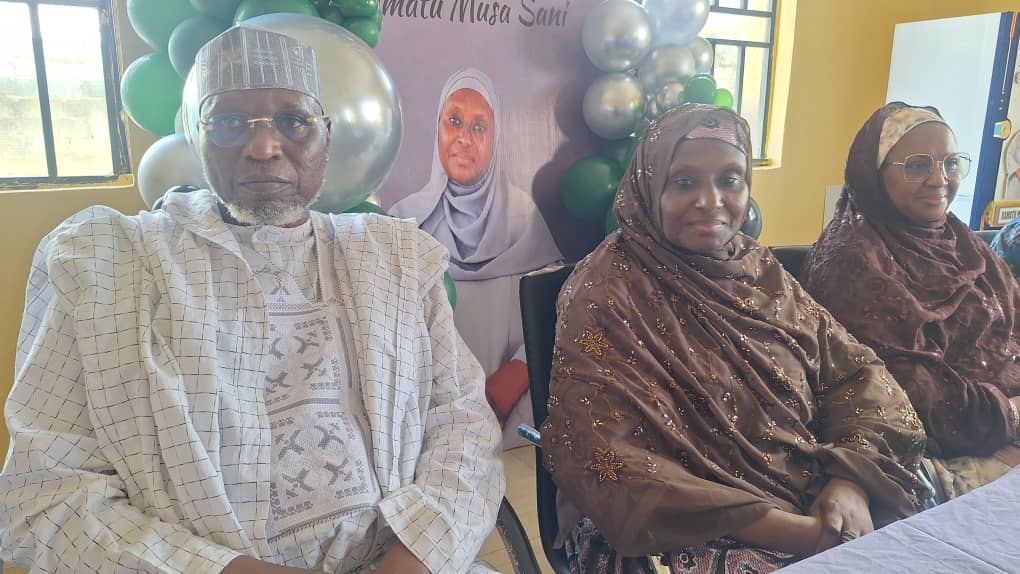
The decision to hold the retirement tribute at an orphanage, rather than in a corporate venue, quickly emerged as one of the defining symbols of the day.
For many present, it reflected the personality and priorities of the retiree herself, a woman colleagues described as deeply committed to humanitarian service, religious outreach and mentorship beyond her official responsibilities.
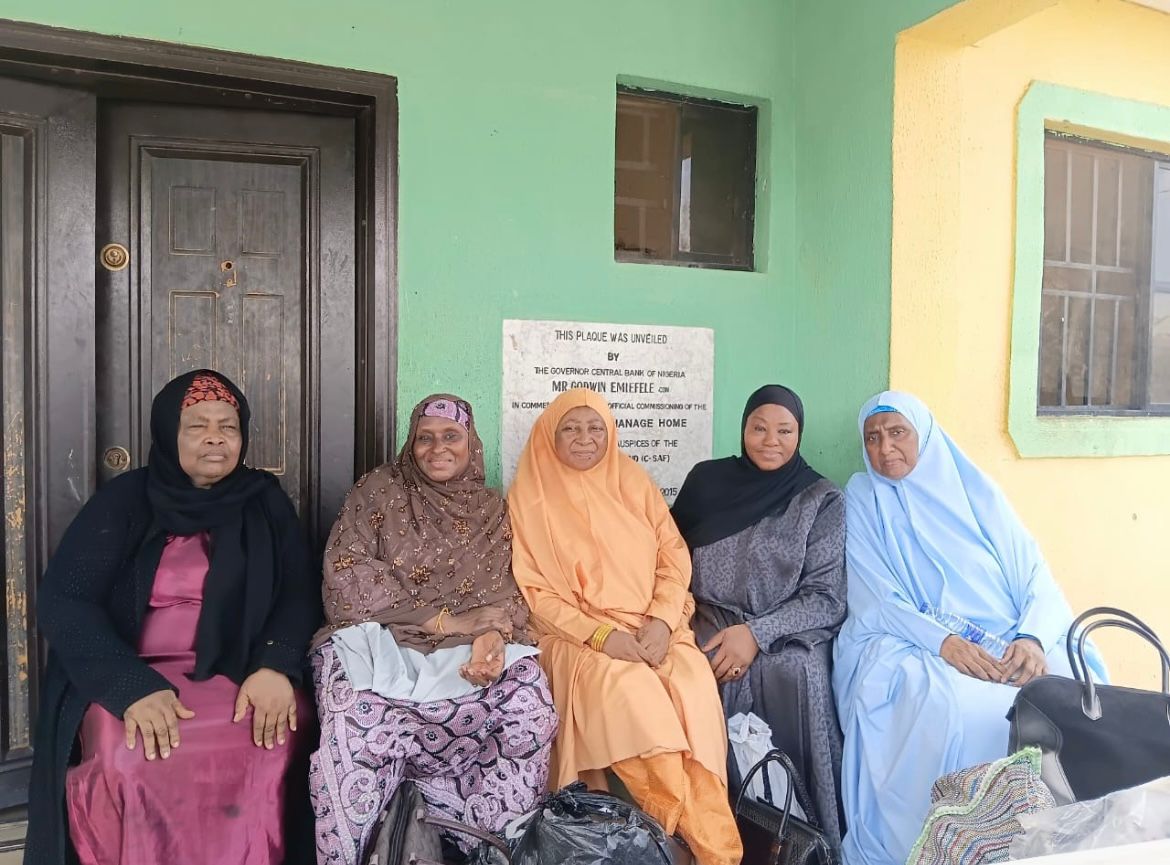
Known in Islamic and humanitarian circles as “Gimbiya Da’awah”, loosely translated as “Queen of Missionary Activities”, Hajiya Rahmatu was repeatedly portrayed as someone whose life outside the office carried as much weight as her career within it.
Born into a royal family in Keffi, she is married to educationist Musa Bukar Sani, founder of Esteem Learning Centre.
Opening the event, Mrs Pamela Uzoamaka Roberts welcomed guests and praised the outgoing director for what she described as years of dedicated and meritorious service.
“She chose to spend that day, her final day in service here at this orphanage, and we are here to celebrate one of our very own,” she said.
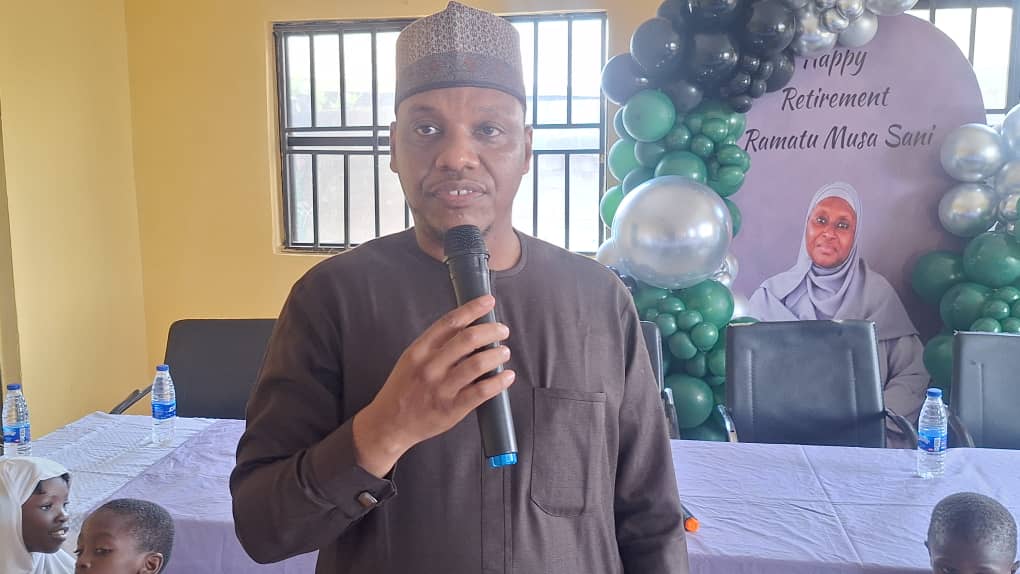
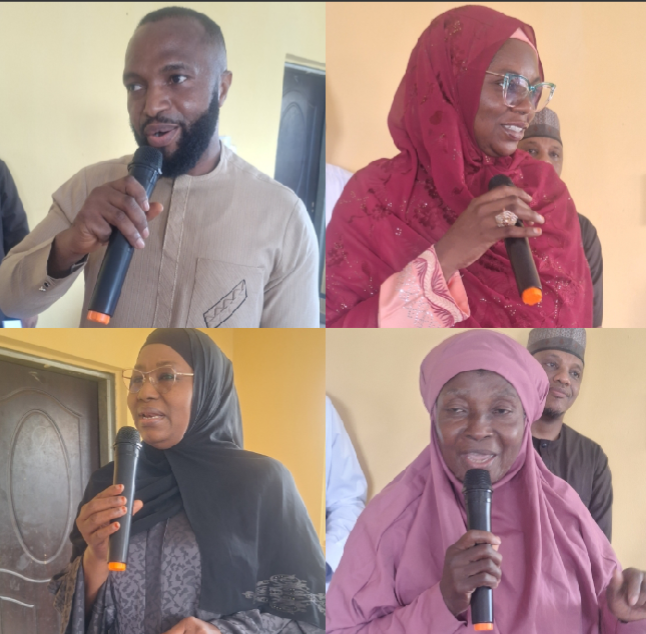
The tribute soon evolved into a broader reflection on the life and influence of the retiree, both inside and outside public service.
Speaking to the PEACE Magazine, her husband, Alhaji Musa Bukar Sani, described his wife as a woman whose public image mirrored her private life completely. “She is exactly what you see of her, our home is always full of people,” he said.
He spoke about years spent accommodating relatives, students, visitors and community members, saying service to people had become a defining culture within their household. Referring to students connected to their educational institution, he remarked that his wife considered “every child in Esteem Learning Centre and the Orphanage” as her own.
He added that her actions were consistently guided by Islamic teachings and a personal desire to serve humanity in ways she believed would earn divine reward, “She has always lived to touch other people’s lives.”

Amid a series of tributes, Hajiya Amal Haruna described her as “one of the most beautiful, strong women” she had known, praising her unwavering faith, boldness, leadership and long-standing commitment to public service and humanity.
Speaking before colleagues and guests, she said Hajiya Rahmatu’s 34-year career at the Nigeria Deposit Insurance Corporation was defined by integrity and exceptional character, describing retirement not as an end but as the completion of an “amanah”, a trust fulfilled through years of public responsibility. Drawing on Islamic teaching, she added that Hajiya Rahma embodied the principle that “the best of people are those most beneficial to others,” noting that while the corporation was “losing a pillar,” society was gaining “a full-time asset.”
Friends, colleagues and family members described Hajiya Rahma as a leader whose administrative authority never distanced her from those around her, portraying her instead as a figure deeply embedded in both workplace and community life.
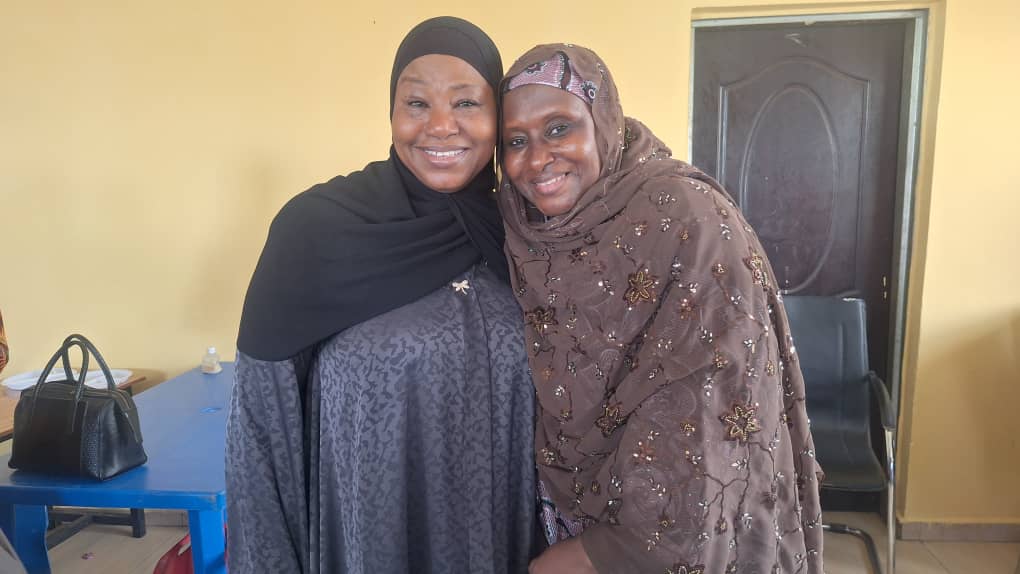
Hajiya Fatima Abbas Hassan, summed up that legacy in a single phrase, “service to humanity” and said she remained central to religious outreach, orphan care and family welfare, often acting as a mentor and stabilising presence across generations. “She makes everybody’s business her business,” she said, adding that Hajiya Rahma “leads by example” and serves as a rallying point for relatives through her support for education, employment and social responsibility.
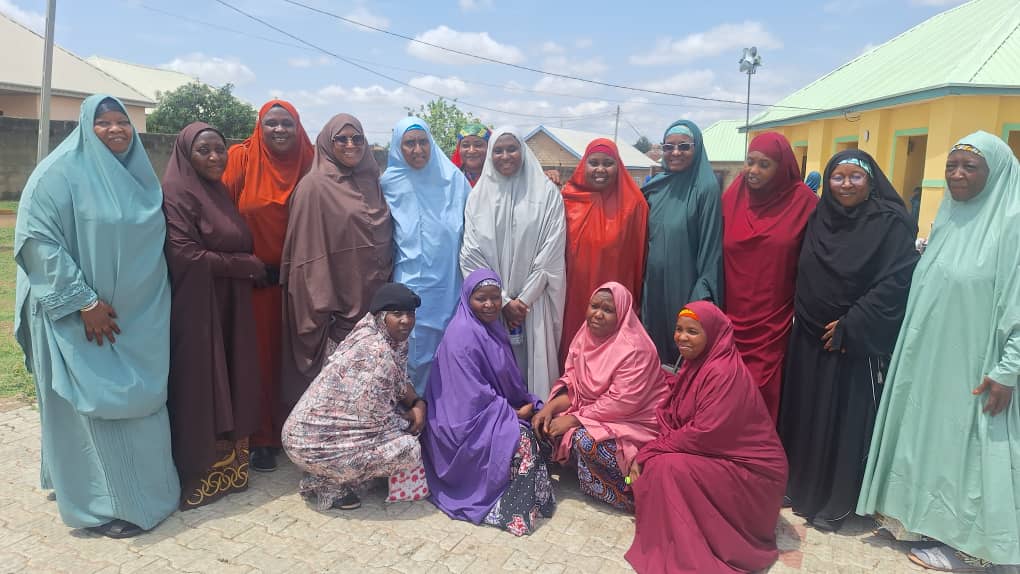
The scale of attendance at the event, guests said, reflected the depth of the influence Hajiya Rahmatu had built over more than three decades in public service. Colleagues described an outpouring of respect that extended beyond institutional ties, drawing friends, associates and staff to the orphanage in Kuje, Abuja, for what many characterised as a rare farewell.

Among those who spoke was NDIC staff member Mr Benedict Chukwemeka Aneke, who described her as “an icon” and said he had “never worked under anybody with the same energy.” He said her leadership style inspired commitment without pressure, adding that staff often found themselves driven by her example. “We’re not in Maitama or Asokoro. We are in Kuje, and people still fought to be here,” he said, adding that many were drawn not by ceremony, but by her personal influence. He also pointed to her spirituality in the workplace: “I’m a Christian and she’s a Muslim, but because of the way she prays, it inspires me to pray too.”
Hajiya Rahmatu’s Legacy
Beyond the emotional tributes, the event also revisited Hajiya Rahma’s extensive professional legacy inside one of Nigeria’s key financial institutions. A formal citation presented during the ceremony traced her career from her entry into the corporation in April 1992 shortly after completing the National Youth Service Corps programme.
A graduate of Kaduna Polytechnic and holder of a postgraduate diploma from Ahmadu Bello University, she rose through multiple departments including bank examination, finance, internal audit, human resources and enterprise risk management. She was among pioneer staff members at the Abuja zonal office and played operational roles during the banking sector failures of the 1990s, including the resolution and closure processes of failed financial institutions after licence revocations.
Over time, she developed expertise in enterprise risk management, institutional resilience, knowledge management and staff welfare. According to the citation, she coordinated more than 80 knowledge-sharing sessions within the corporation, helped advance electronic learning systems and contributed to reforms in document management and operational continuity planning.
She also led initiatives linked to institutional resilience, disaster recovery preparedness and enterprise-wide risk assessment frameworks. But as the programme drew to a close, technical achievements appeared secondary to the human stories dominating conversations across the orphanage grounds.
In recognition of her long-standing commitment to mentoring, community service and religious outreach, she was honoured by PEACE Magazine as a figure associated with humanitarian and Da’wah work. She was also referred to as “Ummu Soliha (Mother of Goodness),” a title used in some circles to reflect her reputation for selflessness and service.
More Photos:

SPONSORED

SPONSORED
