
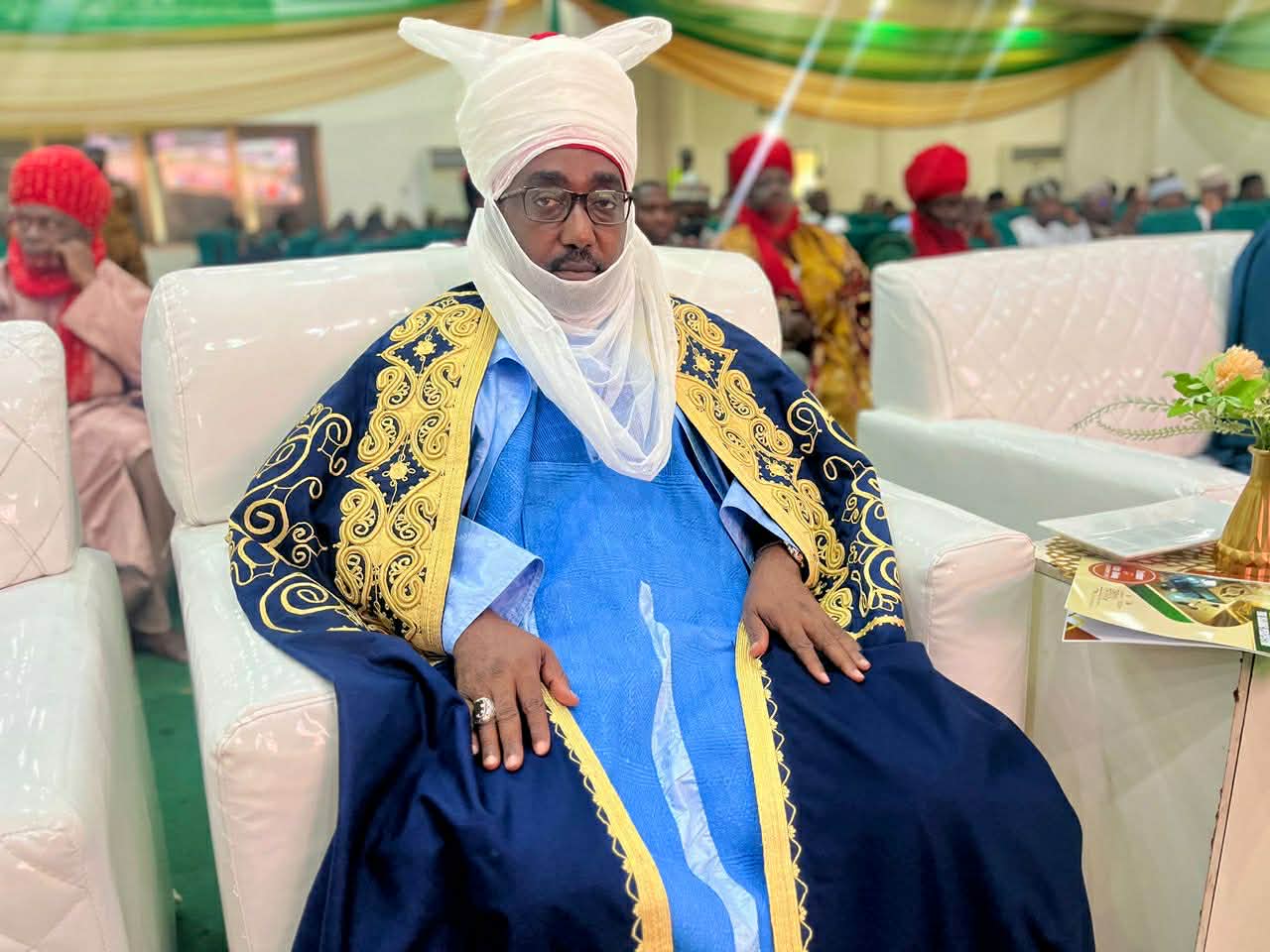
Lavish Weddings Deepen Poverty, Emir of Zazzau Warns
Traditional ruler says millions spent on make-up, aso-ebi and one-day celebrations should instead support struggling families, education and skills development.
By Abdullahi Yusuf
The Emir of Zazzau, Ambassador Ahmed Nuhu Bamalli, has urged Nigerian families to reduce extravagant spending on weddings and redirect the money towards supporting vulnerable people, education and skills development, warning that lavish celebrations have become increasingly difficult to justify at a time of widespread economic hardship.
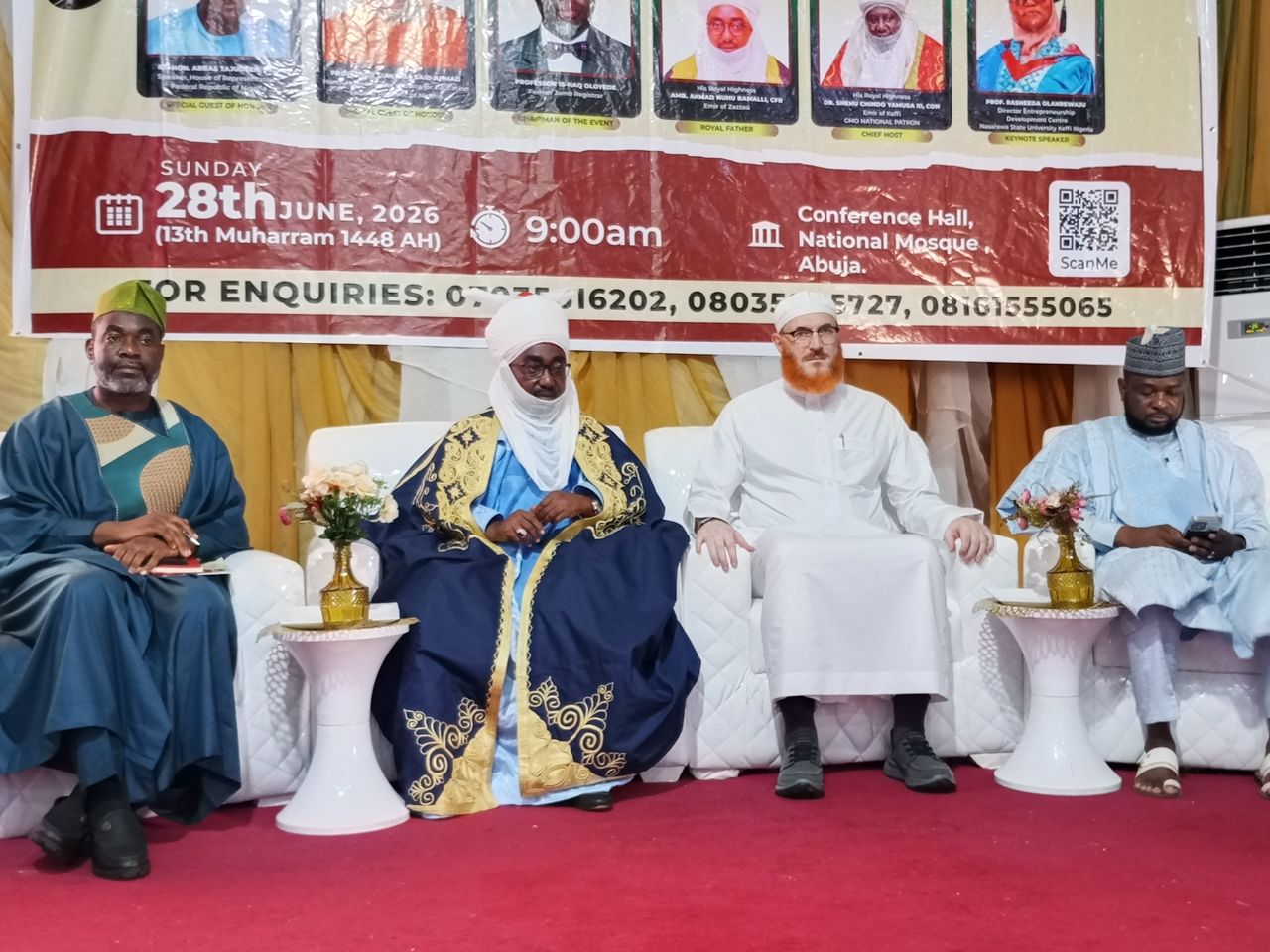
Speaking at the Crystal Muslim Organisation (CMO) 20th Anniversary Annual Essay Competition, Seminar and Award Presentation in Abuja, the emir said the growing culture of spending millions of naira on bridal make-up, aso-ebi and elaborate ceremonies contrasted sharply with the realities faced by many families struggling to afford basic necessities.
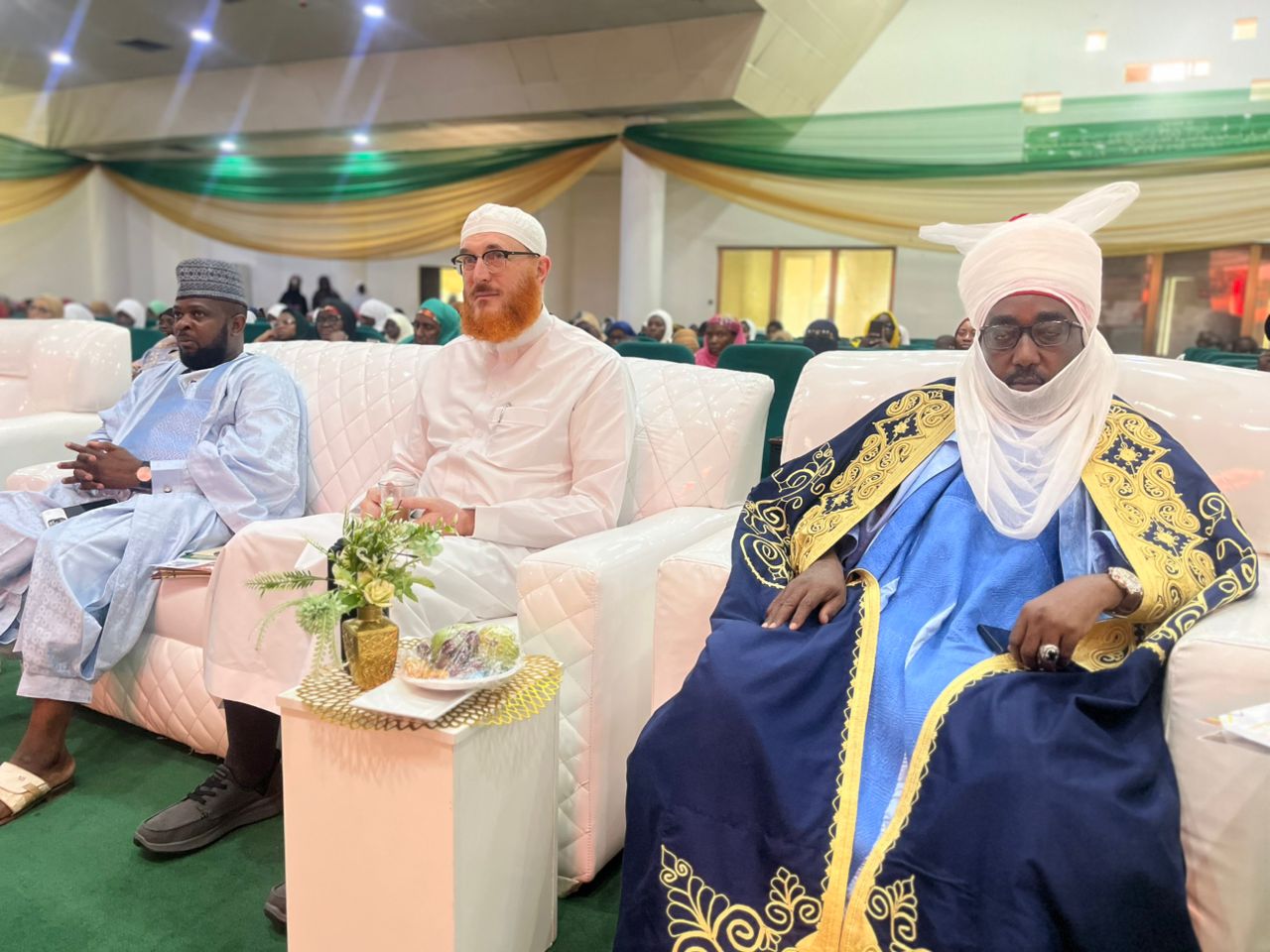
He said communities must begin reassessing their priorities if they hope to tackle poverty, strengthen social cohesion and reduce the conditions that contribute to insecurity and other social problems.
“You will see our people spending millions of naira just on cosmetics when a girl is getting married,” he said.
“Some parents spend up to ten thousand dollars on make-up or hundreds of thousands of naira on aso-ebi. That is totally unacceptable as far as I am concerned.”
The traditional ruler said he had personally refused to finance expensive wedding cosmetics or aso-ebi purchases for members of his own family, insisting that such expenditure could be better used to improve people’s lives.
“There are so many people on our streets who cannot even feed three square meals a day,” he said.
“I am not saying people should not celebrate weddings, but there are things we must scale down. We must tell ourselves the truth. Given the situation in the country today, we simply do not need such extravagant spending.”
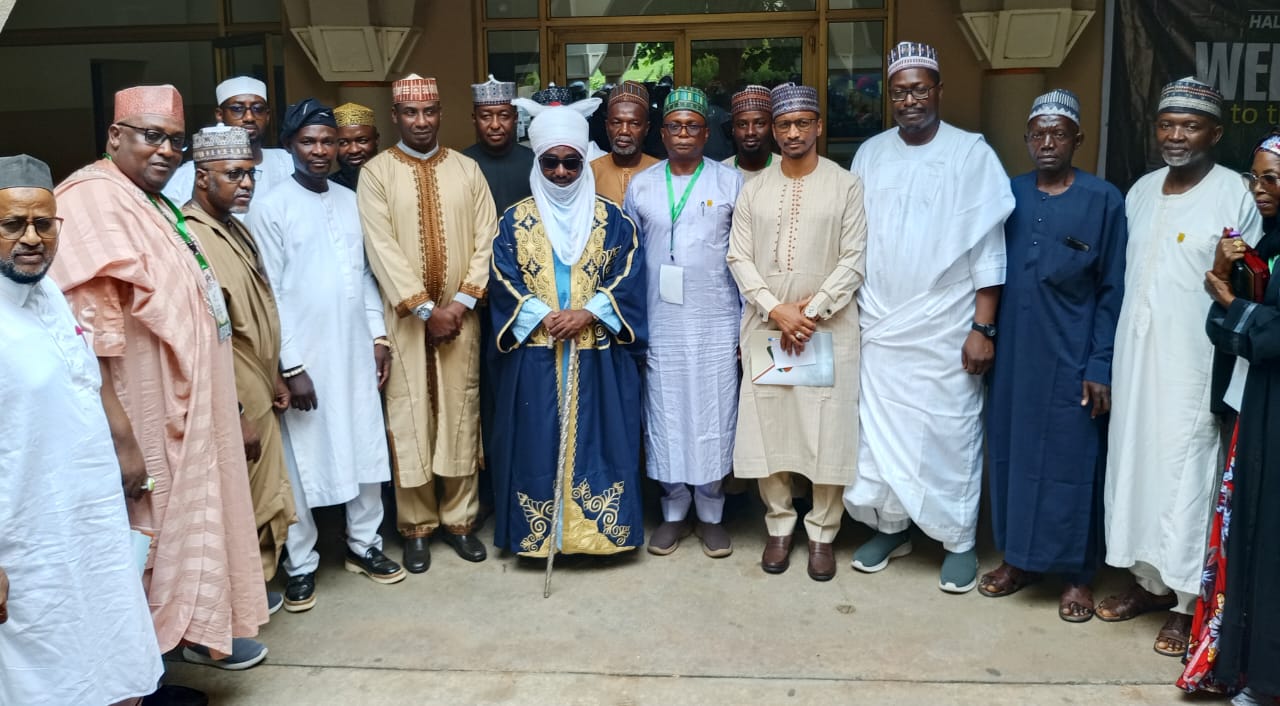
He argued that wealth carried greater value when used to strengthen communities rather than finance one-day ceremonies, adding that people living comfortably while neighbours struggled to survive created conditions that threatened social stability.
“If you are living at the highest level while the people around you cannot even feed themselves, then there is a problem, and that is exposing society to danger,” he said.
The emir delivered the remarks while addressing participants at CMO’s seminar on “Artificial Intelligence: The Islamic Perspective,” where he also encouraged young Nigerians to embrace emerging technologies responsibly without abandoning the ethical values taught by Islam.
Although he acknowledged belonging to an older generation still adapting to technological change, he said artificial intelligence had already improved the way he carried out official responsibilities.
He explained that AI had helped simplify drafting official correspondence and administrative work, enabling him to communicate ideas more efficiently while retaining his personal voice.
Describing artificial intelligence as a valuable tool, he urged students and parents not to fear technological innovation but to ensure it remained a servant of humanity rather than a substitute for independent thinking.
The emir also called for practical skills to become a compulsory component of both Western and Islamic education, arguing that graduates should leave school equipped not only with certificates but with abilities capable of generating income.
Drawing on his experience as Nigeria’s former ambassador to Thailand, he said students should acquire vocational and entrepreneurial skills that would enable them to become economically independent regardless of their future career paths.
He particularly encouraged young women to develop practical skills that could provide financial support for themselves and their families even if they later chose not to pursue formal employment outside the home.
Reflecting on developments within the Zazzau Emirate, the emir said the palace had revived traditional Islamic scholarship through the establishment of the Usman Dan Fodio Centre for Islamic Studies, where regular classes are attended not only by residents but by the emir himself.
He said the initiative demonstrated that learning should continue throughout life, stressing that education was about acquiring beneficial knowledge rather than merely obtaining certificates.
“There is no age limit to education,” he said.
“You can obtain certificates anywhere, but what truly matters is knowledge that transforms character and benefits society.”
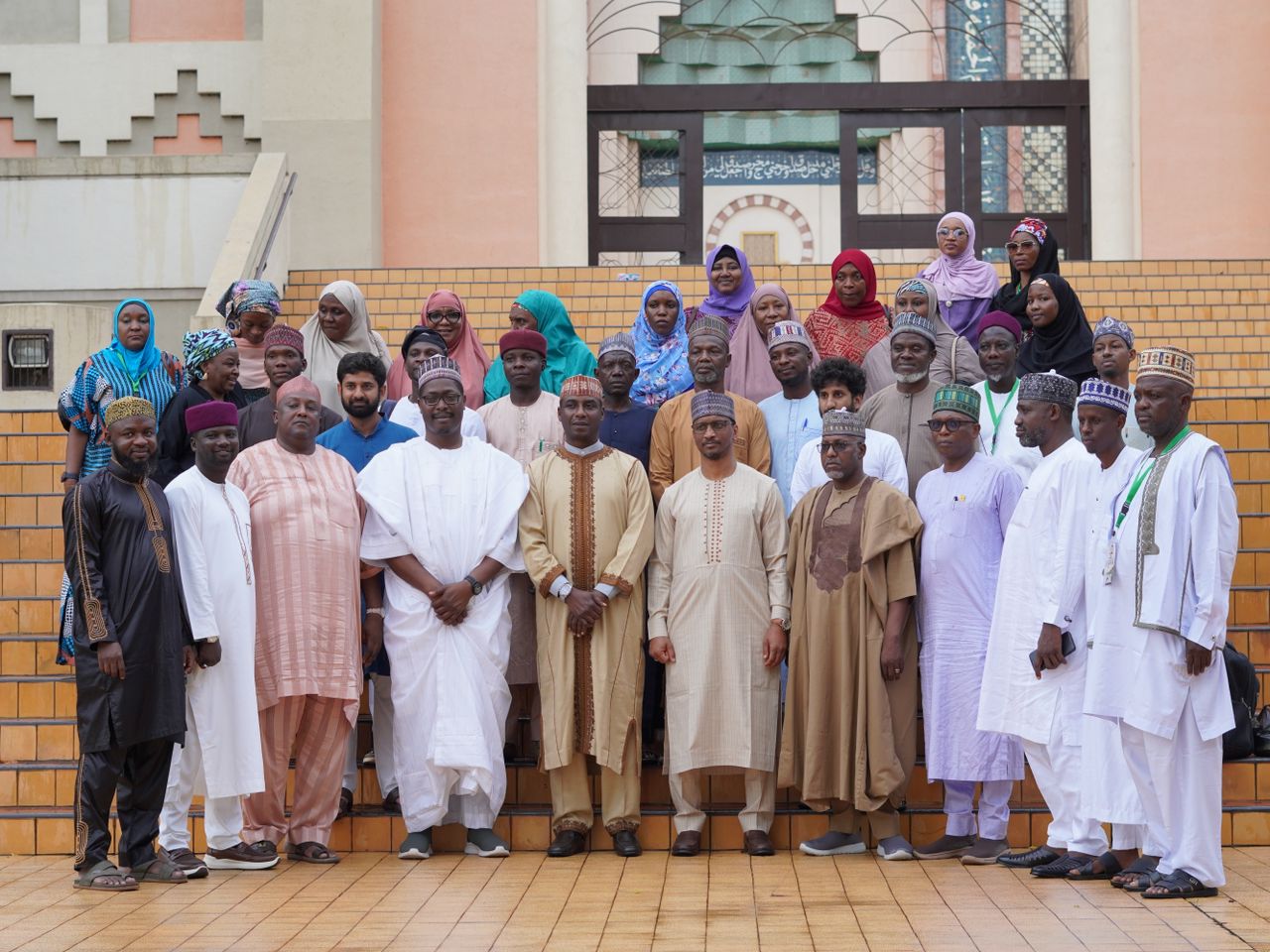
The emir also commended the Crystal Muslim Organisation for sustaining its commitment to youth development, education and intellectual engagement over the past two decades, describing such initiatives as essential to building morally grounded and socially responsible future generations.
His remarks came during the closing day of CMO’s twentieth anniversary celebrations, which brought together Islamic scholars, academics, government representatives, students and traditional rulers to examine the opportunities and ethical challenges presented by artificial intelligence from an Islamic perspective.
SPONSORED

SPONSORED

SONSORED
