
In Hajj Operations all Committees work for one National Goal- Kontagora
By Ajayi Sodiq
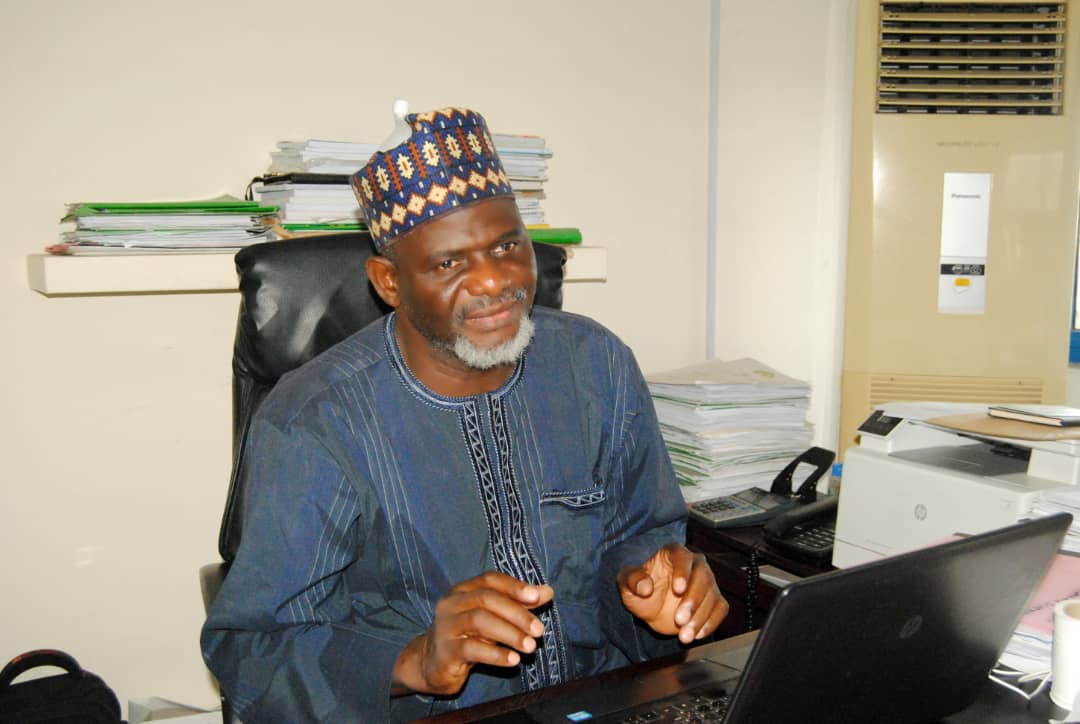
Dr. Abdullah Rabi’u Kontagora, a farmer, an Islamic worker, a Civil Servant, and a Public servant is the current Secretary of the National Hajj Commission of Nigeria. He is from a humble beginning but a pride of the Ummah. He is a vivid example of a determined Nigerian who braced all odds to achieve excellence. He is a proud son of a farmer, a scion of a large family, and a self-sponsored trained individual.
He is a product of his family and Community Islamiyyah schools, where he completed the Qur’an and continued his study of the glorious Quran, Islamic and Arabic Education. He attended Rimaye Primary School, Kontagora self-financed his secondary education and National Certificate of Education (NCE) at the Federal College of Education in Kontagora, Niger State, where he studied English language and Governmental studies for his NCE education. He repeated his self-financing methodology for his first-degree educational pursuit at the University of Abuja in Political Science, Master’s Degree in International Relations, and Doctor of Philosophy (PhD) in the same course. Alongside his pursuit of Western education, he was also pursuing Islamic and Arabic Education by attending many local Islamiyyahs and lesson classes of many Islamic and Arabic scholars.
His working career started with a teaching job in a private Higher Islamic College, Gwagwalada, Abuja, 1993-1995. He later joined the service of the Federal Capital Territory, Muslim Pilgrims Welfare Board between 1995 and 2016 from where he was posted to Federal Capital Territory Administration, Abuja, 2016 to 2021. He is the Imam of his community mosque, Phase 1 in Gwagwalada, a position he occupied since 2014. Also, he has been the Chief Imam of Zango Juma’a Mosque, Gwagwalada, FCT since 2002. His preoccupation, in addition to his civil service duties, is Da’awah as part of his little contribution towards uplifting the religion of Almighty Allah (SWT). He assumed the position of the Secretary of the Commission in November 2021.
In this interview with Abdulfattah Abdussalam in Ummu Joud, Makkah, during the 2023 Hajj, this hardworking and striving servant of Allah explains the roles of his office in Hajj operations.
Excerpts
What are the roles of the Secretary of the Commission in Hajj operations?
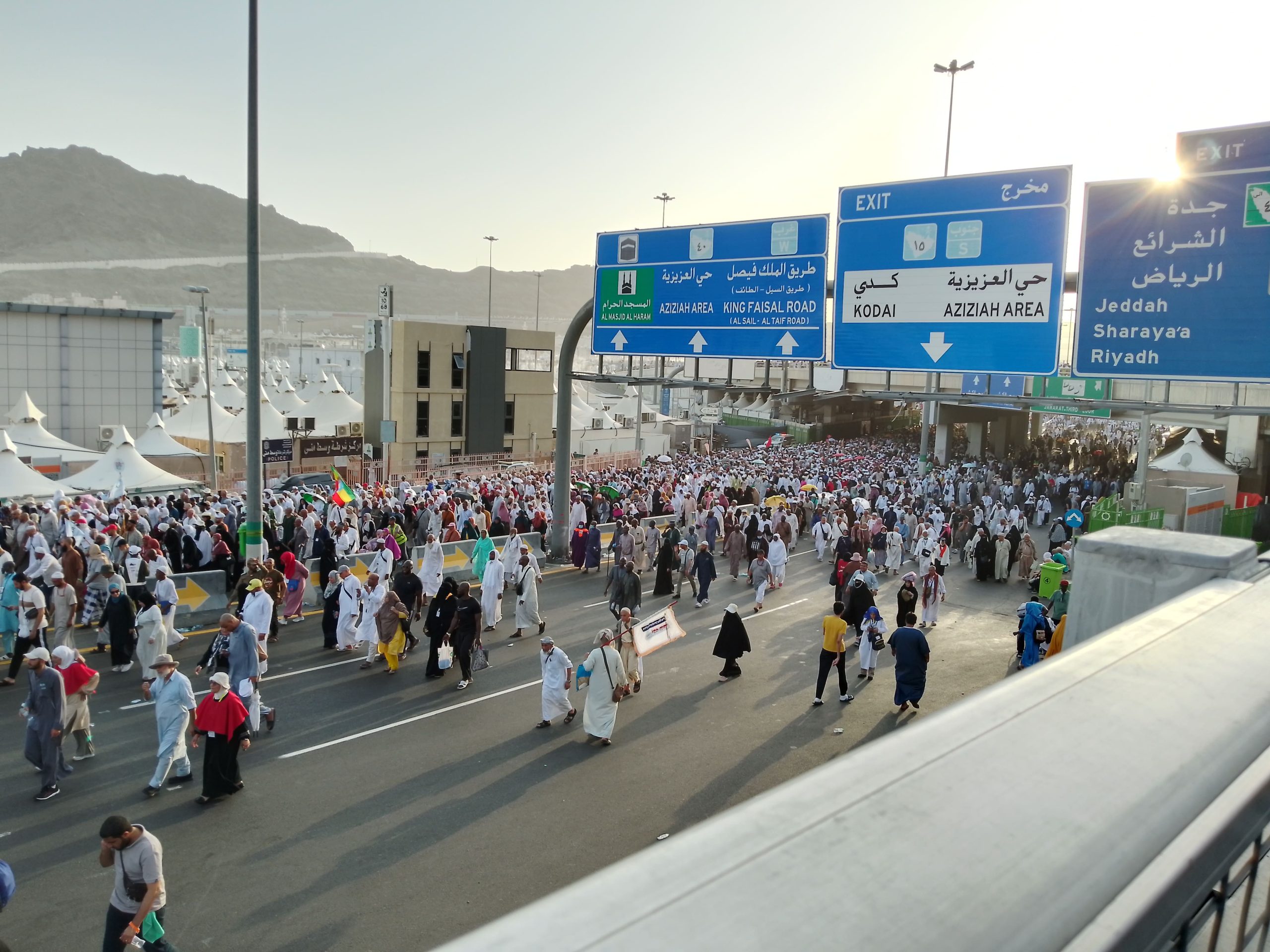
The roles of the Secretary of the Commission are enshrined in the 2006 Act of the National Assembly establishing the National Hajj Commission of Nigeria, NAHCON. He is to write and keep records of correspondences with the government establishments i.e. National Assembly, Ministries, Departments corporate bodies, etc. on behalf of the commission. He records proceedings at all meetings of the Chairman/CEO of the Commission with the Executive Council, Board, and Management. He equally takes care of meetings of the standing committees of the Board such as the Finance and General Purpose Committee, Establishment Committee, and Audit Committee. During the Hajj operations, he coordinates the onshore (Nigeria) activities of the Central Coordinating Committee, and at the offshore (Saudi) he coordinates meetings of the Board, Exco, and the pre-Hajj and post-Hajj stakeholder meetings on Hajj Operations. The committee is vital to the planning and execution of Hajj operations, and its onshore activities can last for three to four months during pre-Hajj operations. The Central Coordinating Committee meets weekly, twice a week, or daily if it is necessary. It monitors and records the activities of all sub-committees on Hajj Operations and presents the decisions of the committees to the Management or the Board for ratification and implementation. The Secretariat also coordinates the meeting of the States Pilgrims’ Welfare Boards and the Association of Hajj and Umrah Operators of Nigeria (AHUON) in conjunction with the relevant Units of the Commission on matters affecting Hajj operations and pilgrims’ welfare. In summary, the Secretariat directly or with the other Units of the Commission works to ensure that the set goals and objectives of the Hajj operation are achieved successfully. The success of the Central Monitoring Committee and the offshore operational Committees is paramount to the success of Hajj operations, which is required to improve diplomatic relations between Nigeria and the Saudi Arabian Hajj Authority that recognizes only the Commission as the sole representative of the Nigerian government on Hajj operation. These are some of the statutory roles of the office of the Secretary of the Commission, but as the engine room of the Commission’s activities, the Secretariat can be assigned with other duties as the Board or Management deems fit.
How many committees execute Hajj operations for the National Hajj Commission?
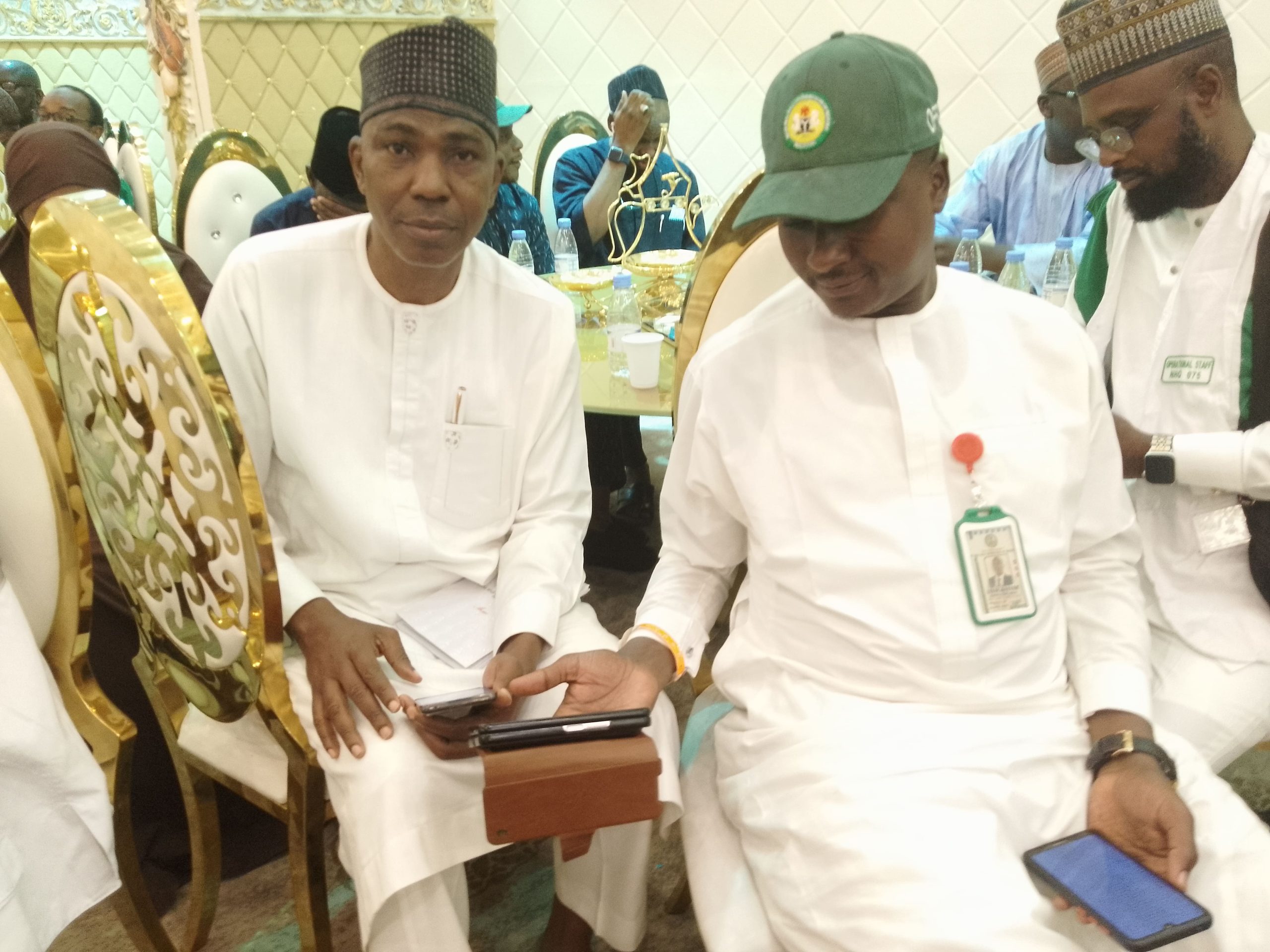
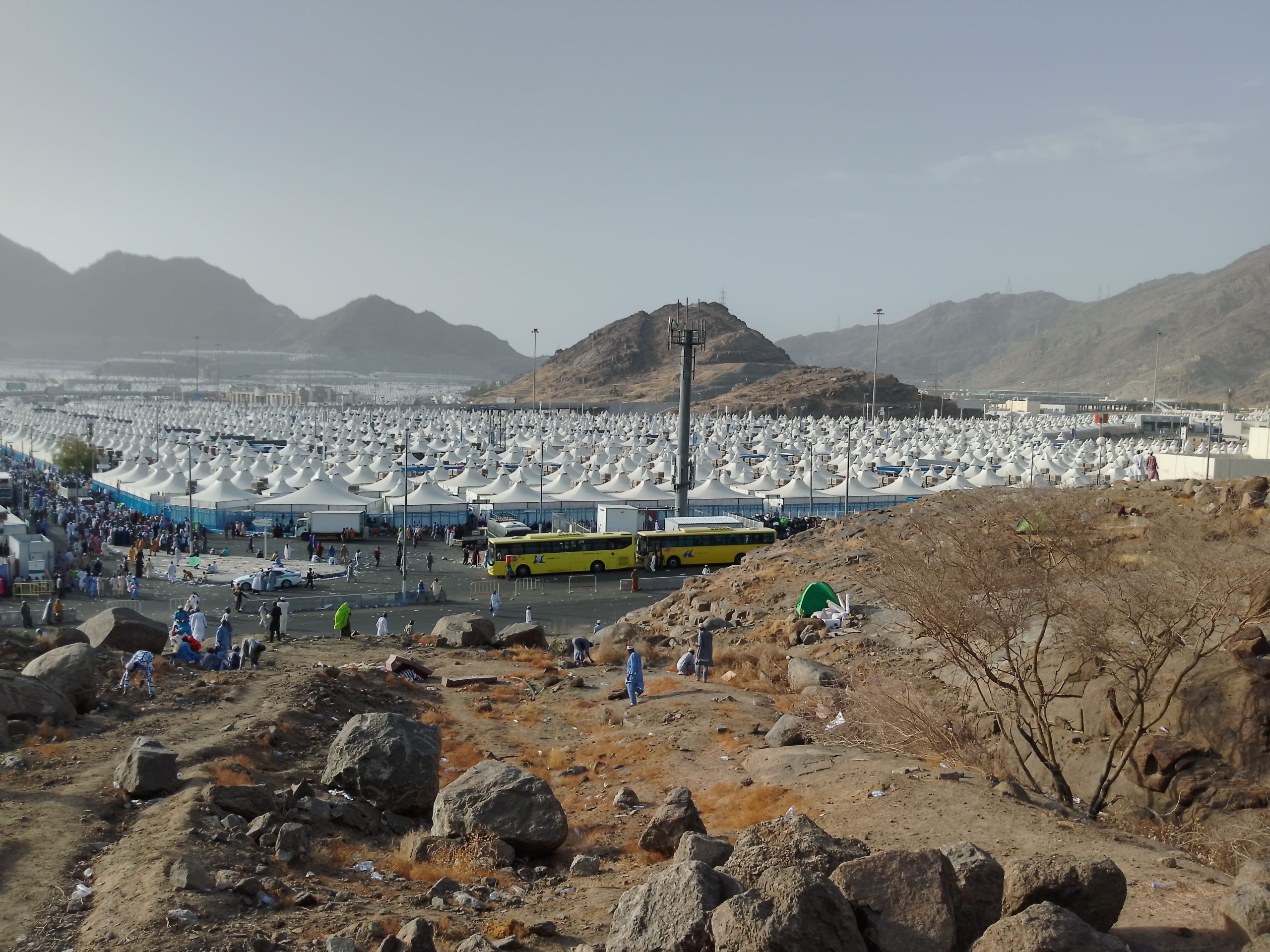
The Hajj Operation Committees are normal operational channels and mechanisms for inclusiveness in the operation. Up to twenty-nine (29), Committees operated the 2023 Hajj operation for both onshore and offshore operations. The activities of the committees are interwoven and the main objective of the committees is to have a successful Hajj Operation. For example, there are committees on passport management, Feeding, Visa procurement, Accommodations in Mashair areas, Makkah and Madinah, Medical, Media Team, and the major Committee of Aviation. Though the three Departments maintain their identity and schedules during the operation, most of the Staff of the Commission across the three Departments of the Commission are engaged into different operational Committees for the purpose of operation and synergy. The three Commissioners of the Commission i.e. the Commissioner Policy, Personnel Management and Finance; Commissioner Operations, Inspectorate and Licensing and Commissioner, Planning, Research, Statistics, Information and Library Services (PRSILS) continue to manage activities of their departments directly and through the Central Coordinating Committee and Exco and operational Committees. For example, the almighty Aviation committee is directly under the supervision of the Commissioner of Operations, while Medical and Media are under PRSILS. Membership of these committees is from the Board, Management, and Staff members of the Commission and ad-hoc staff from professional bodies and associations. In Hajj operations, everybody will have to work from different angles and directions in line with the Terms of Reference of each committee but for one National goal, which is successful Hajj operations and seamless spiritual exercise of Nigerian pilgrims in the Holy lands.

How is NAHCON’s relationship with State Muslim Pilgrims Welfare Boards and the Association of Hajj and Umrah Operators of Nigeria?
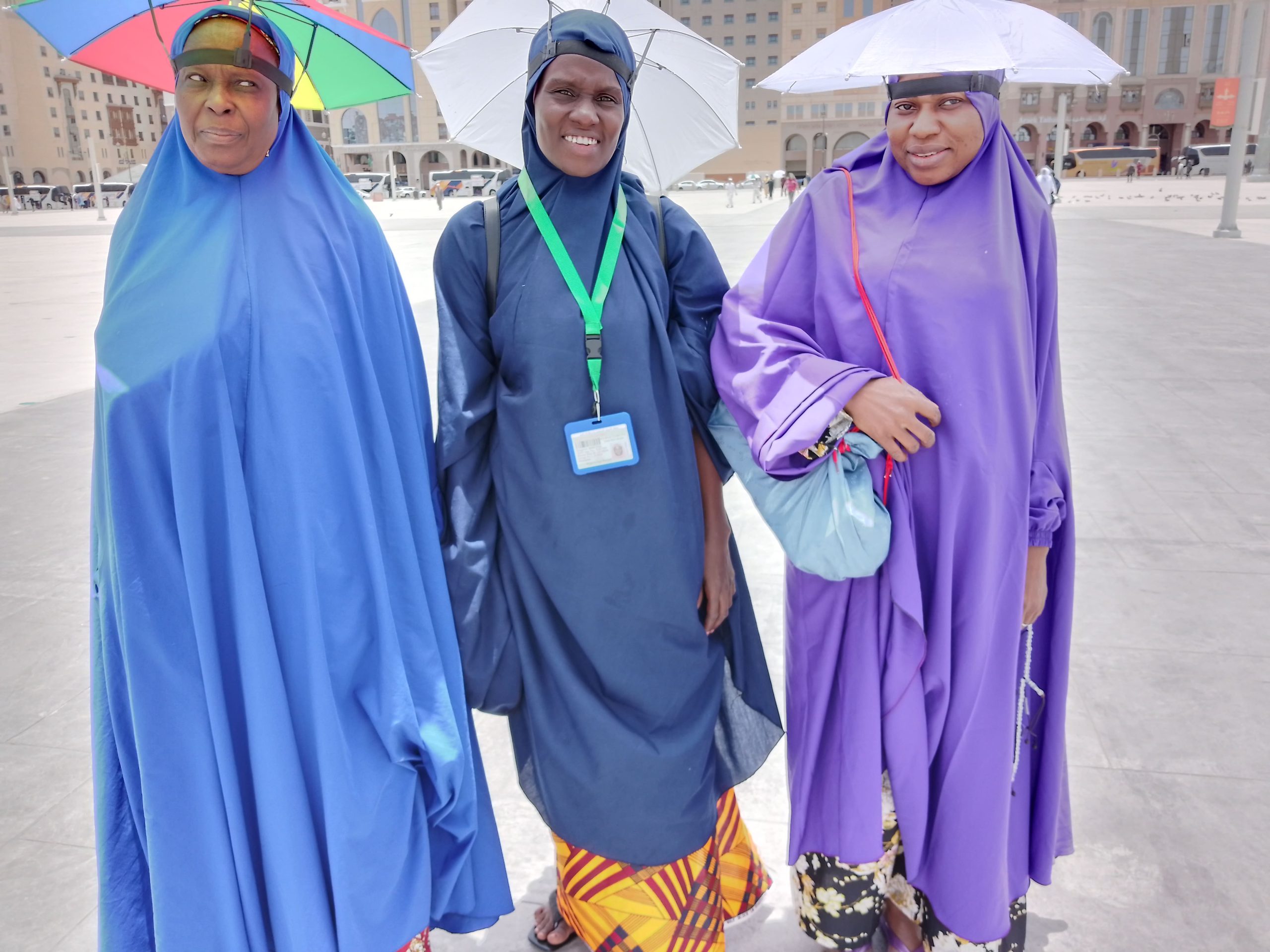
Well, as far as I know, the relationship is cordial and mutual. In the current Board, the leaderships of these two stakeholders you mentioned are integral parts of the activities and decisions of NAHCON. Generally, whatever we do, all stakeholders in Hajj operations are carried along because they have direct contacts and influence on Nigerian pilgrims, so there is no way we can function without their cooperation and association. Since I joined the service of the National Hajj Commission of Nigeria, the practice has been to relate with all the stakeholders in the Hajj industry, where we make decisions and discuss challenges together to find solutions. We maintain open-door policies and inclusivity in our relationship with them. The leadership of AHOUN, in one of the meetings, commended NAHCON’S relationship with their members, which they declared unprecedented in the history of their relationship with the Commission. I am sure they arrived at this appraisal because of the ways and manners we handle their affairs. Often, we provide enabling platforms for the association to be happy in their business, which was never done for them by the previous Management of NAHCON. The philosophy behind our attention to them could be traced to the experiences of the Chairman and his Board members, who felt we could not allow members of the association to fail or sink in their enterprises because if they do, an important part of the Hajj operations is gone and may affect the activities of the Commission and the Hajj operations. The relationship is cordial and prosperous and defines the roles and limitations of each component of the hajj family within and outside Nigeria.
SPONSORED

SPONSORED

SONSORED
