

Hajj-Umrah Nigeria Expo: Successful Hajj operations require the cooperation of stakeholders – Participants
From late-arriving pilgrims and airport delays to fragmented agency operations, stakeholders at the Hajj-Umrah Nigeria Expo identify the gaps holding back Nigeria’s Hajj management and call for a unified national blueprint to fix them.
By Hauwa Labaran and Abdulfattah Abdussalam
Recently, the Global Business and Investment Partnerships Forum, in partnership with the Nigerian and Saudi Chambers of Commerce and Dar Al Halal Limited, organized a Hajj and Umrah summit in Kano, Nigeria, with the theme: Strengthening Hajj Operations and Developing a Sustainable Blueprint for Improved Hajj Management in Nigeria.
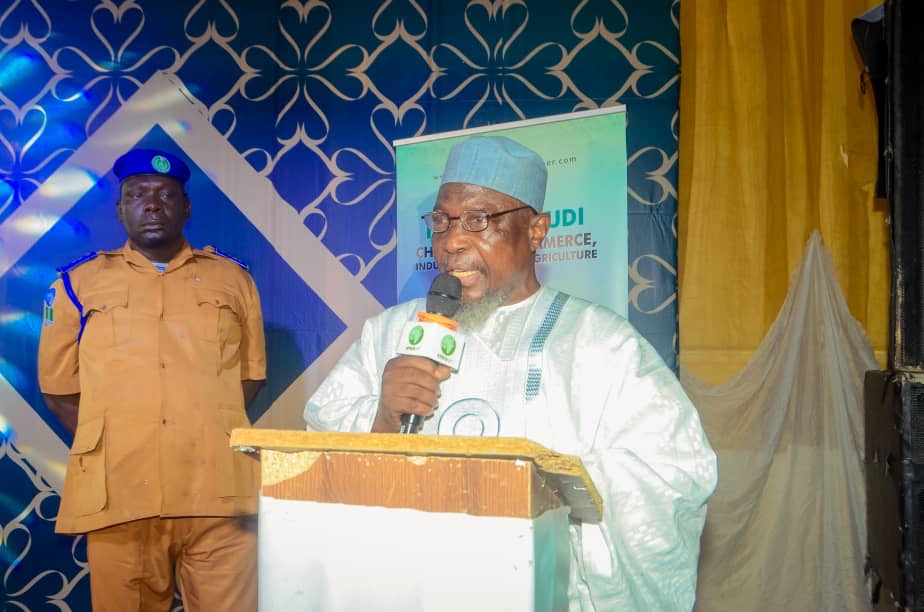
The summit provided an important platform that brought together key stakeholders in Nigeria’s Hajj industry to deliberate on ways to improve service delivery and the sustainable conduct of Hajj operations in Nigeria. In addition, the Summit provided opportunities for relevant government agencies, Hajj stakeholders, and other institutions involved in Hajj operations to review experiences from previous Hajj exercises and identify practical measures for improving future operations.
Participants and Representatives from several important institutions and organizations in Nigeria’s Hajj ecosystem, like the National Hajj Commission of Nigeria (NAHCON), Nigeria Immigration Service, and Federal Airports Authority of Nigeria (FAAN), Nigerian Civil Aviation Authority (NCAA), Airline operators, National Drug Law Enforcement Agency NDLEA and stakeholders within the Hajj ecosystem attended the summit.

The major focus was the review of previous Hajj operations, particularly the challenges experienced during the 2026 Hajj exercise and ways to have successful Hajj operations in the not-too-distant future in Nigeria. Another significant issue discussed at the summit was the need for Nigeria to study and adopt the Malaysian Hajj operational model.
Participants noted that Malaysia has developed a structured approach to Hajj management, and Nigeria could draw useful lessons from the system in developing a comprehensive blueprint for improving Hajj operations.
The summit therefore advocated for the development of a Nigerian Hajj blueprint that would promote better coordination, accountability, efficiency and service delivery and the establishment of a coordinated framework under which all stakeholders can work together towards a common objective.

The Summit raised a concern about the tendency of some pilgrims arriving late at airports for departure. Participants emphasized that pilgrims must take responsibility for arriving at the airport within the time communicated to them, because their late arrival always disrupts flight schedules, passenger processing and the overall Hajj transportation arrangements. Thus, stakeholders at the Summit called for increased sensitization of pilgrims regarding the importance of punctuality and strict adherence to airport reporting times.
The Nigeria Immigration Service representative highlighted several changes and improvements already introduced to make the movement of pilgrims more efficient and eliminate manual departure processing so that critical immigration and passenger-processing operations can be smooth.
He mentioned new and faster processing arrangements that are being introduced to enable the processing of larger numbers of passengers at once, with a capacity of approximately 100 passengers in a single operation.
He emphasized that Hajj travel cannot be successfully handled by the National Hajj Commission alone without the collective efforts of immigration authorities, airlines, aviation regulators and other relevant agencies.

The summit addressed the development of Nigeria’s halal economy and the roles for Islamic banking in supporting Hajj and other related economic activities. Concern was expressed about Nigeria’s relatively low participation in the global halal economy, which was identified as one of the areas requiring urgent attention.
The participants examined the need for relevant ministries, government agencies and financial institutions to provide the necessary support and incentives to strengthen Nigeria’s position in the halal economy.
It was therefore emphasized that improved coordination and communication among all stakeholders would be necessary to change the current situation. Islamic financial institutions, including JAIZ Bank, were identified as important stakeholders that could contribute to the development of a stronger halal banking and financial ecosystem.
In the same vein, the summit stressed the need for government agencies, financial institutions, the private sector and Hajj and Umrah stakeholders to work together under a coordinated framework to unlock the opportunities available within the halal economy.
Key takeaways from the Summit:
- Development of a Nigerian Hajj blueprint: Nigeria should study successful international models, particularly the Malaysian Hajj system, and develop a locally appropriate blueprint for improved Hajj management.
- Continuous power supply: Adequate alternative power arrangements should be maintained at critical airport processing points to prevent disruption of operations.
- Digitization of passenger processing: The improved passenger-processing system should be sustained and further developed to reduce delays and eliminate unnecessary manual procedures.
- Pilgrim sensitization: Pilgrims should be adequately educated on airport procedures and the importance of arriving early and complying with their assigned schedules.
- Strengthening the halal economy: Relevant ministries, agencies and financial institutions should support the growth of Nigeria’s halal economy through appropriate policies, incentives and investments.
- Greater participation of Islamic financial institutions: Institutions such as JAIZ Bank and other relevant stakeholders should be integrated into the broader Hajj and halal-economy development framework.
- The summit emphasized that: NAHCON, as the regulatory body, cannot effectively manage the entire Hajj operation single-handedly.
The Summit underscored the importance of collaboration among NAHCON, immigration authorities, aviation agencies, airlines, financial institutions, ministries and other stakeholders.
The Global Business and Investment Partnerships Forum is headed by Dr Aisha Ahmed Ph.D, and the company is driving global partnerships, investment opportunities and sustainable economic growth across key sectors of world social- economic hemisphere.
Faces from the summit:

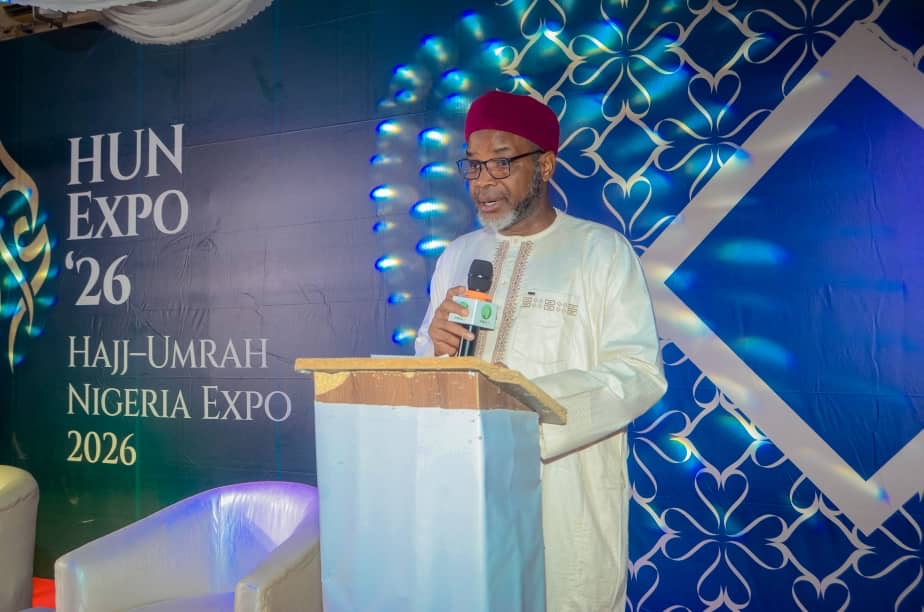


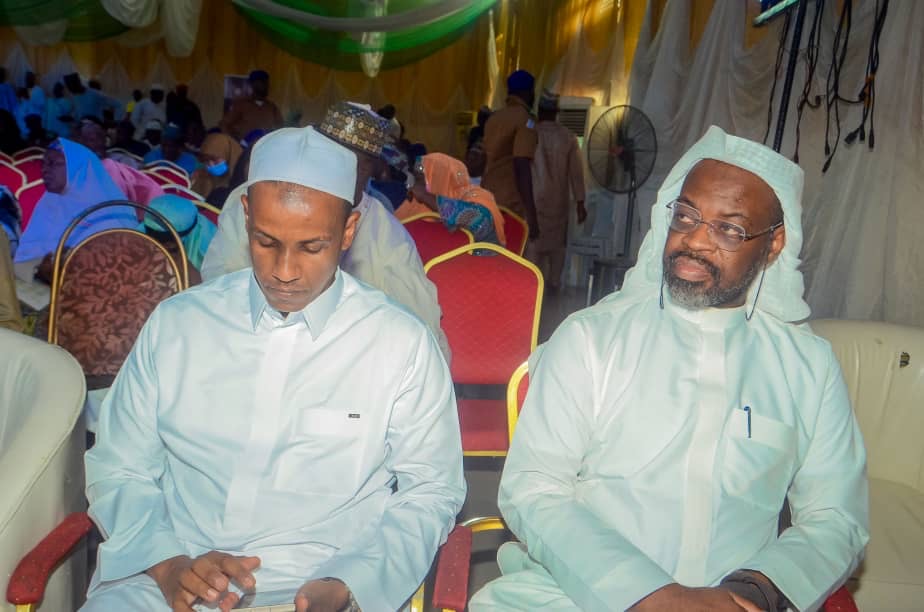
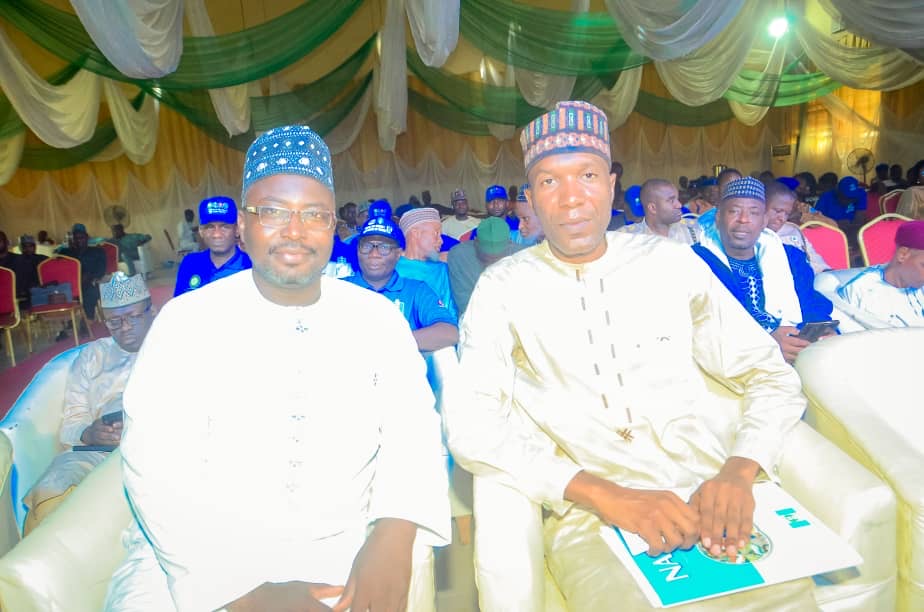
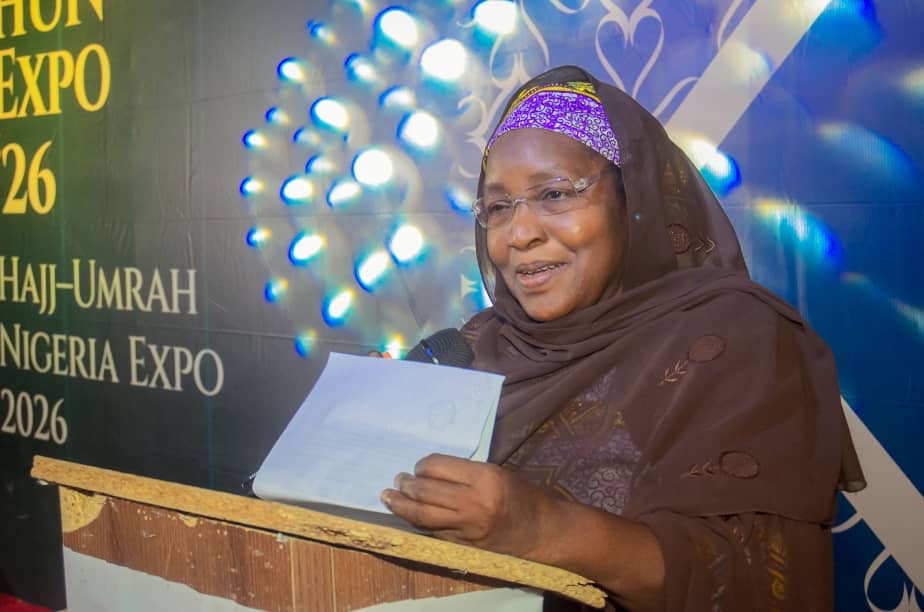
Photos: PEACE Magazine, Kano
SPONSORED

SPONSORED

SONSORED
