
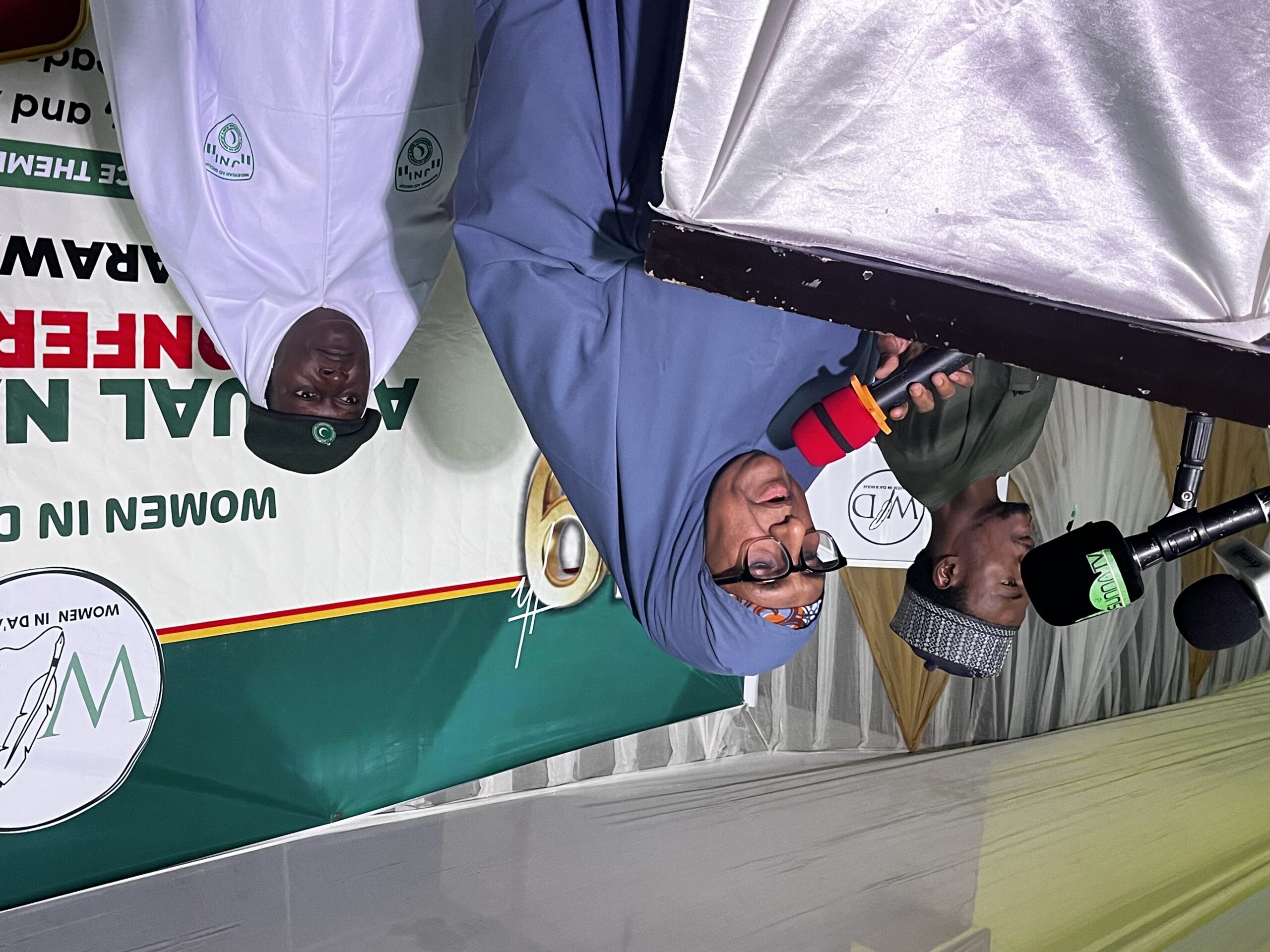
FULL TEXT: Closing Address by WID National Amirah at the 19th Annual National Conference
Hajiya Maryam Idris Othman calls on Muslim women to uphold justice, amanah (trust) and accountability, urging participants present, families and communities to raise God-fearing leaders and strengthen the Ummah through knowledge and ethical leadership.
By Abdullahi Yusuf
FULL TEXT: Closing Address by the National Amirah of Women in Da’awah (WID), Hajiya Maryam Idris Othman, at the 19th Annual National Conference, Lafia
In the Name of Allah, the Most Compassionate, the Most Merciful
All praise is due to Allah. We praise Him, we seek His help and His forgiveness, and we seek refuge in Allah from the evil within ourselves and from the consequences of our deeds. Whomsoever Allah guides, none can lead astray, and whomsoever He allows to stray, none can guide.
Our dear scholars, respected traditional rulers, honoured guests, our esteemed lecturers, delegates from across the country, brothers and sisters in Islam, As-salamu Alaikum wa Rahmatullahi wa Barakatuh.
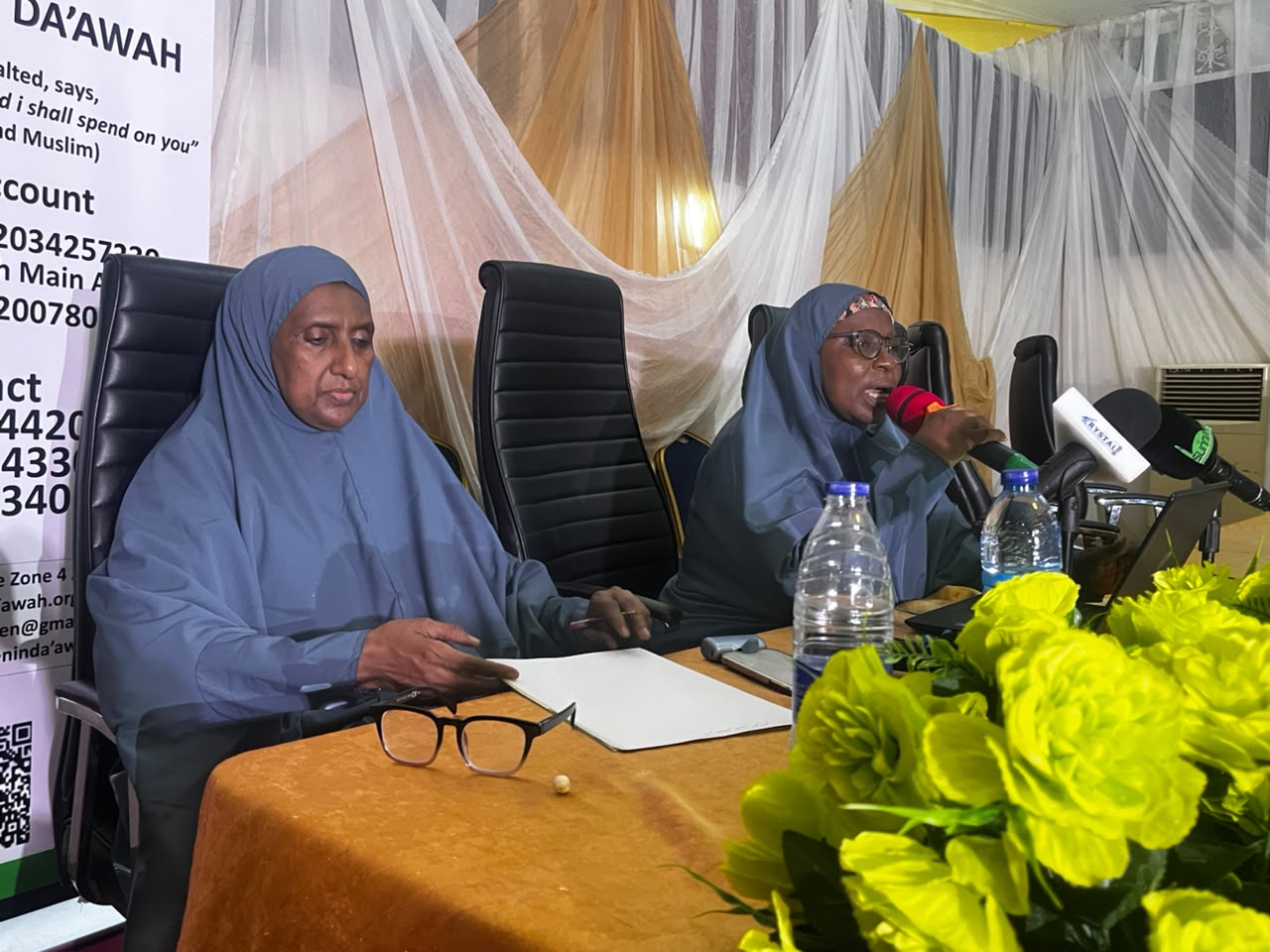
It gives me immense pleasure to welcome you all to the closing ceremony of the 19th Annual National Conference of the Women in Da’awah (WID) Organisation.
Although Women in Da’awah has existed for almost twenty-three years, this conference has now entered its nineteenth edition. We thank Almighty Allah for granting us the opportunity to gather once again in good health and strong faith to seek beneficial knowledge, strengthen our relationship with Him, and renew our collective commitment to serving Islam and the Muslim Ummah.
Our annual conference is far more than a routine gathering. It is an annual exercise in spiritual renewal, self-evaluation and capacity building. It provides an opportunity for Muslim women, scholars and young people to reflect on their responsibilities before Allah, examine the realities confronting our communities, and equip themselves with the knowledge and wisdom required to respond to those challenges in accordance with the teachings of Islam.
From its inception, Women in Da’awah has maintained that da’wah extends far beyond public preaching. To us, da’wah is a comprehensive process of nurturing individuals, strengthening families, developing morally upright communities and contributing positively to national development. It is a lifelong responsibility that begins with personal reform and extends to every aspect of society.
By the grace of Allah, what began more than two decades ago as a modest gathering of a few Muslim women united by their love for Islam has grown into a nationwide organisation with branches across different parts of Nigeria. Through the dedication of our members and the blessings of Allah, the organisation has continued to expand its activities in Islamic education, women’s development, youth mentoring, entrepreneurship, humanitarian services and community engagement.
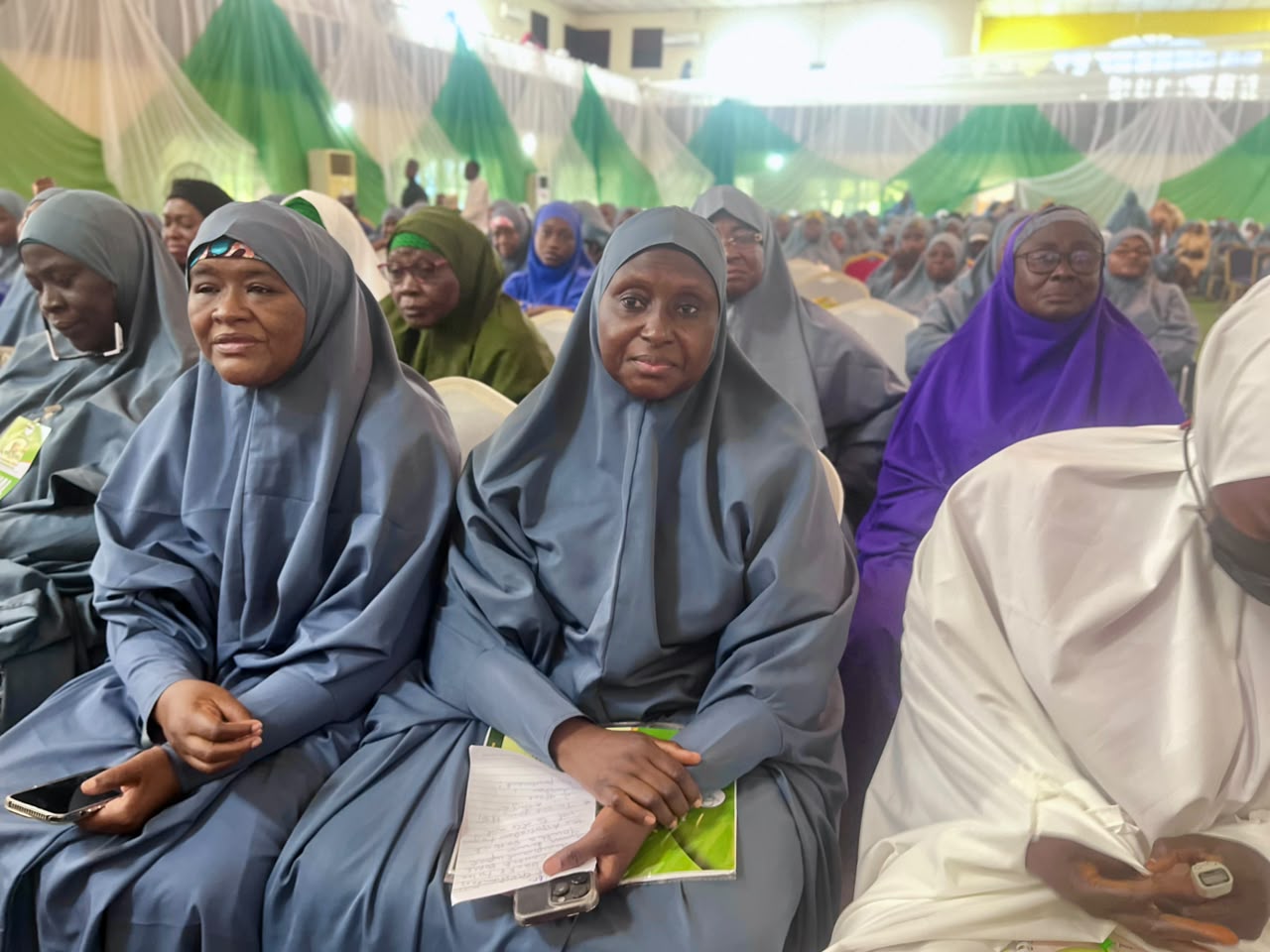
Throughout this journey, our guiding principle has remained unchanged: meaningful and lasting change begins with the individual.
No society can become righteous until its people embrace righteousness. No nation can become prosperous without strong communities, and no community can flourish unless it is built upon sound moral values rooted in knowledge, faith and good character.
Allah reminds us in the Noble Qur’an: “Indeed, Allah will not change the condition of a people until they change what is within themselves.” (Surah Ar-Ra’d, 13:11)
This divine principle remains as relevant today as ever. Real reform does not begin in government offices or political institutions alone; it begins in our homes, our hearts and our daily conduct. Every believer has a responsibility to become an agent of positive change before expecting transformation from others.
Today, our beloved nation continues to face numerous challenges. Insecurity remains a source of concern. Many families struggle under difficult economic conditions. Youth unemployment continues to affect millions of young Nigerians, while public confidence in leadership has declined in many quarters. As another electoral cycle approaches, conversations about leadership, governance and public trust have once again taken centre stage across the country.
Islam teaches us that periods of difficulty are also periods of opportunity. They are moments that test our sincerity, strengthen our faith and compel us to return to the timeless guidance of the Qur’an and the Sunnah.
Justice cannot exist without truth. Trust cannot survive without integrity. Accountability cannot flourish where there is dishonesty. Likewise, leadership can never succeed unless it is founded upon amanah, the sacred trust placed upon every person entrusted with responsibility.
It was against this background that the organisation carefully selected the theme of this year’s conference: “Justice, Trust and Accountability: Responsible Leadership and Ethical Citizenship at the Crossroads.”
This theme was not chosen because of partisan politics or any political affiliation. Rather, it reflects timeless Islamic principles that remain essential for building righteous individuals, responsible leaders and peaceful societies.
The Messenger of Allah (peace and blessings be upon him) reminded us: “Each of you is a shepherd, and each of you is responsible for his flock.” (Sahih al-Bukhari; Sahih Muslim)
This profound teaching reminds us that leadership is not confined to presidents, governors or public office holders. Every one of us occupies a position of responsibility. Parents are responsible for their children. Teachers are responsible for their students. Community leaders are responsible for those under their care. Every Muslim will ultimately stand before Allah and account for the trust entrusted to him or her.
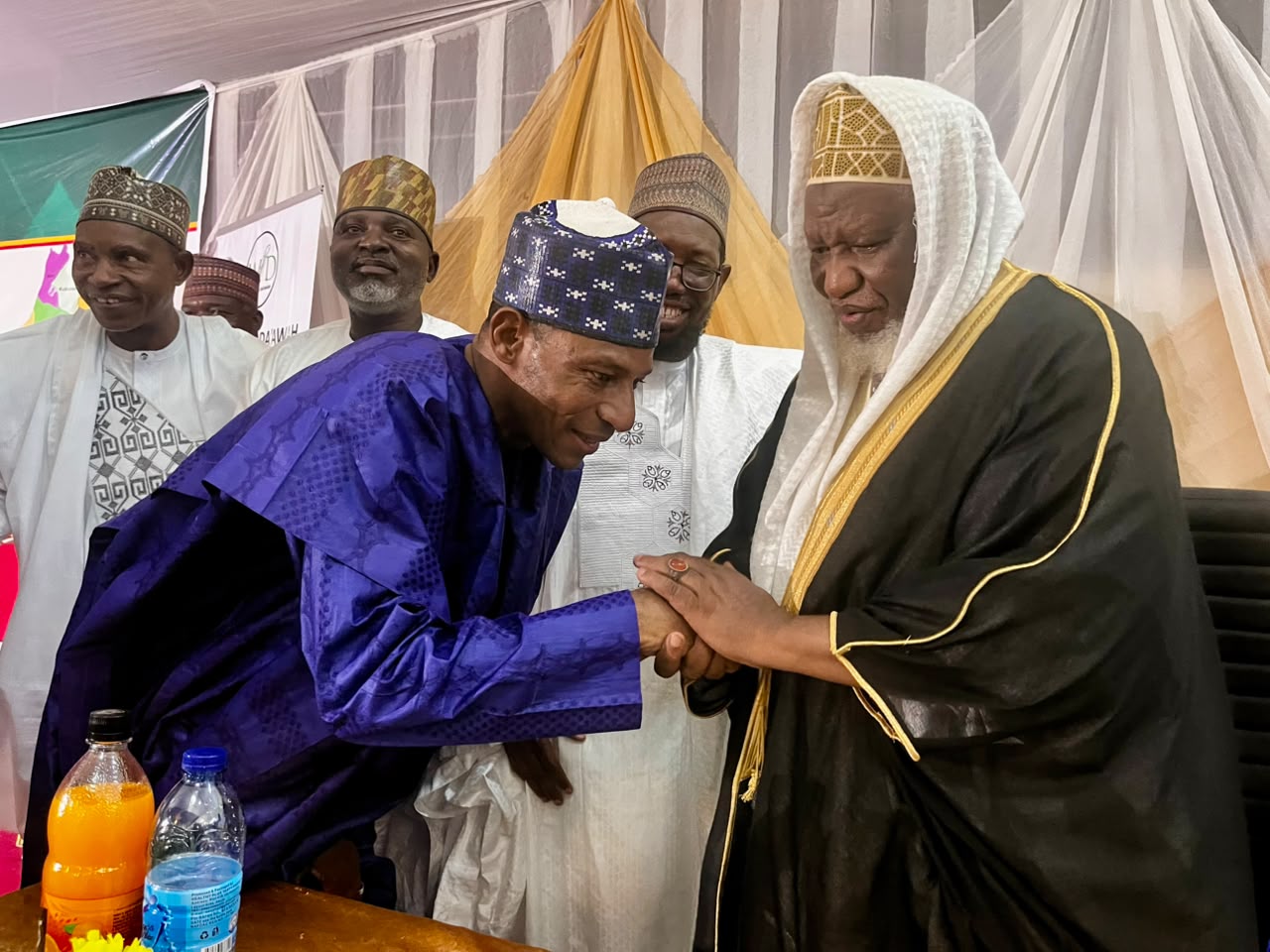
If we sincerely desire better leadership for our nation, then we must first ask ourselves difficult but necessary questions.
Are we raising children who fear Allah?
Are we teaching our young people honesty, responsibility and the value of amanah?
When choosing leaders, do we prioritise competence, justice and God-consciousness, or are our decisions influenced by personal interests, tribal sentiments and worldly considerations?
These are questions that every Muslim must answer honestly before expecting change from society.
As Muslim women, we carry an enormous responsibility in shaping the future of our society. Before a child enters a classroom, he first enters a home. Before tomorrow’s leaders assume public office, they are first nurtured by parents, guided by teachers and influenced by the values instilled within their communities.
Women therefore occupy a unique position in the development of society. We are mothers, educators, mentors, professionals and community builders. We influence character, cultivate values and prepare future generations for leadership long before they occupy positions of authority.
This responsibility was repeatedly emphasised throughout the presentations delivered during this conference by our respected scholars and resource persons. They reminded us that leadership is not merely about occupying positions of influence; it is about fulfilling a trust before Allah and serving humanity with sincerity, justice and compassion.
Islamic history offers countless examples of women whose knowledge, wisdom and sacrifices shaped generations of scholars, reformers and leaders. Many of the greatest personalities in Islamic civilisation were nurtured by mothers and female teachers who understood that raising righteous children is among the greatest acts of worship.
Our responsibility therefore extends beyond our individual homes. It reaches our schools, our workplaces, our communities and ultimately our nation. Every Muslim woman has a role to play in promoting justice, preserving moral values and strengthening the Ummah.
For this reason, Women in Da’awah has always ensured that its annual conference goes beyond lectures alone. While scholarly presentations remain central to our activities, we also create opportunities for workshops, interactive sessions, practical engagement and discussions aimed at addressing contemporary challenges facing Muslim families and society.
Throughout this conference, participants have reflected on important issues relating to leadership as amanah, justice beyond tribal and ethnic loyalties, accountability in public life, the responsibilities of Muslim women in promoting social stability, and the importance of ethical citizenship rooted in Islamic teachings.

Our discussions have consistently reminded us that justice cannot be selective. It cannot be determined by tribe, ethnicity, political affiliation or personal relationships. Islam commands believers to uphold justice even when it is against themselves or those closest to them.
Allah says: “O you who believe! Stand firmly for justice as witnesses for Allah, even if it be against yourselves, your parents or your relatives.” (Surah An-Nisa, 4:135)
This Qur’anic guidance remains one of the strongest foundations for building peaceful and prosperous societies.
Recognising the importance of preparing future generations, Women in Da’awah has continued to dedicate special attention to young people through separate youth sessions held alongside the main conference every year.
This is not a new initiative. It has always been part of our vision because we firmly believe that the future of the Ummah rests in the hands of today’s youth.
Our objective is to help them understand that true success is not measured merely by wealth, popularity or political influence. Success lies in fulfilling one’s responsibilities before Allah, serving humanity with sincerity and carrying every trust with honesty and integrity.
We want our young people to understand that leadership begins with personal discipline. It begins with honesty in the home, responsibility in school, excellence at work and sincerity in every interaction. Those who learn these values early become trustworthy leaders tomorrow.
Dear brothers and sisters, as Women in Da’awah enters another phase of its development, our vision extends beyond organising annual conferences.
We aspire to build enduring institutions that will continue to spread authentic Islamic knowledge, strengthen Muslim families, empower women and nurture future generations of responsible leaders.
By the grace of Allah, our activities over the past twenty-three years have continued to expand across various sectors of community development.
Beyond da’wah programmes and conferences, the organisation has established mosques, educational facilities and community centres to support Islamic learning. We have organised entrepreneurship programmes, educational initiatives and humanitarian interventions aimed at improving the lives of Muslim women and their families.
Our members have visited widows, orphans, vulnerable families and communities affected by hardship. We have supported those in need not merely through financial assistance but also through counselling, companionship, education and sustained community support.
Alhamdulillah, Allah has enabled us to contribute meaningfully to the promotion of Islamic education, the protection of the dignity of Muslim women, the encouragement of proper hijab, youth empowerment, medical outreach programmes, public enlightenment campaigns and numerous other initiatives too many to mention individually.
These achievements have only been possible through the dedication, sacrifice and cooperation of countless Muslim men and women who have committed their time, resources and expertise solely for the pleasure of Allah.
Indeed, Allah commands: “And cooperate in righteousness and piety, but do not cooperate in sin and transgression.” (Surah Al-Ma’idah, 5:2)
This verse reminds us that meaningful progress can only be achieved through sincere cooperation in the service of Allah and humanity.
I wish to pay special tribute to our youth.
Over the years, the youth wings of Women in Da’awah across our various state chapters have continued to distinguish themselves through dedication, discipline and service to Islam. They have organised educational programmes, volunteered in community activities and demonstrated that young Muslims can become agents of positive change.

May Allah reward them abundantly, preserve them upon righteousness and make them among the future leaders who will serve this Ummah with sincerity, justice and wisdom.
As part of our commitment to expanding opportunities for the less privileged, the organisation has also established a Waqf initiative in different states across the country.
This initiative is specifically designed to support vulnerable members of society, particularly disadvantaged children and the girl child, through education and other developmental programmes.
We assure everyone who contributes towards this noble cause that every donation is managed solely for the sake of Allah and directed towards the objectives for which it is intended.
The Prophet Muhammad (peace and blessings be upon him) taught us that when a person dies, his deeds come to an end except for three: continuous charity (sadaqah jariyah), beneficial knowledge and a righteous child who prays for him.
Supporting this Waqf initiative is therefore not merely an act of charity, it is an investment whose rewards, by the permission of Allah, will continue long after we have departed this world.
Dear brothers and sisters in Islam, as we bring this conference to a close, I wish to leave every participant with five commitments that should guide us long after we return to our various homes and communities.
First, let us stand firmly for justice at all times, even when it is not in our personal interest. A Muslim is commanded to uphold justice without fear or favour because justice is among the greatest commands of Allah.
Second, let us guard every amanah entrusted to us. Whether it is within our homes, our workplaces, our communities or any position of responsibility, we must remember that every trust will one day be accounted for before Allah.
Third, let us reject every form of injustice. Oppression, dishonesty and abuse of authority have no place in the life of a believer. We must strive to be people whose words and actions reflect fairness, sincerity and integrity.
Fourth, let each of us contribute to raising a generation of God-conscious young people. Whether as parents, teachers, mentors or community leaders, we all have a responsibility to educate our youth, nurture good character and lead by personal example. Every Muslim should strive to become a source of hope, guidance and positive leadership wherever Allah places him or her.
Finally, let us distance ourselves completely from bribery, corruption and every form of wrongdoing. No society can prosper where trust is traded for personal gain. We must remain steadfast upon honesty, righteousness and the fear of Allah in all our dealings.
I pray that this conference will not simply remain another annual gathering, but that it will mark the beginning of renewed commitment within our homes, our workplaces, our communities and our nation. May Allah enable every lesson we have learnt over these past few days to translate into positive action and lasting benefit for the Ummah.
On behalf of the Women in Da’awah Organisation, I sincerely appreciate our respected Royal Fathers, our distinguished scholars, guest lecturers, teachers, leaders of the various state contingents and every participant who sacrificed time, resources and comfort to be part of this year’s conference. May Allah reward each and every one of you abundantly.
I also wish to express our profound gratitude to the Government and people of Nasarawa State for the warm hospitality extended to us throughout our stay.
In particular, we appreciate His Excellency, Governor Abdullahi A. Sule, for the support and encouragement given to the organisation, which contributed immensely to the successful hosting of this conference.
We equally convey our heartfelt appreciation to Her Excellency, Hajiya Silifat Abdullahi A. Sule, the First Lady of Nasarawa State, for her kindness, hospitality and unwavering support towards making this gathering a success. We pray that Allah rewards them abundantly and continues to guide them in the service of the people.
As we depart, let us remember that throughout Islamic history, Muslim women have never stood on the sidelines during periods of trial and uncertainty. They have played vital roles in preserving faith, nurturing righteous families, educating future generations and supporting the advancement of their communities with wisdom, patience and devotion.
That noble legacy continues today.
May Allah make us among those who uphold justice, honour every trust, promote righteousness and leave behind a generation that fears Him and serves humanity with sincerity.
Wassalamu Alaikum wa Rahmatullahi wa Barakatuh.
SPONSORED

SPONSORED

SONSORED
