
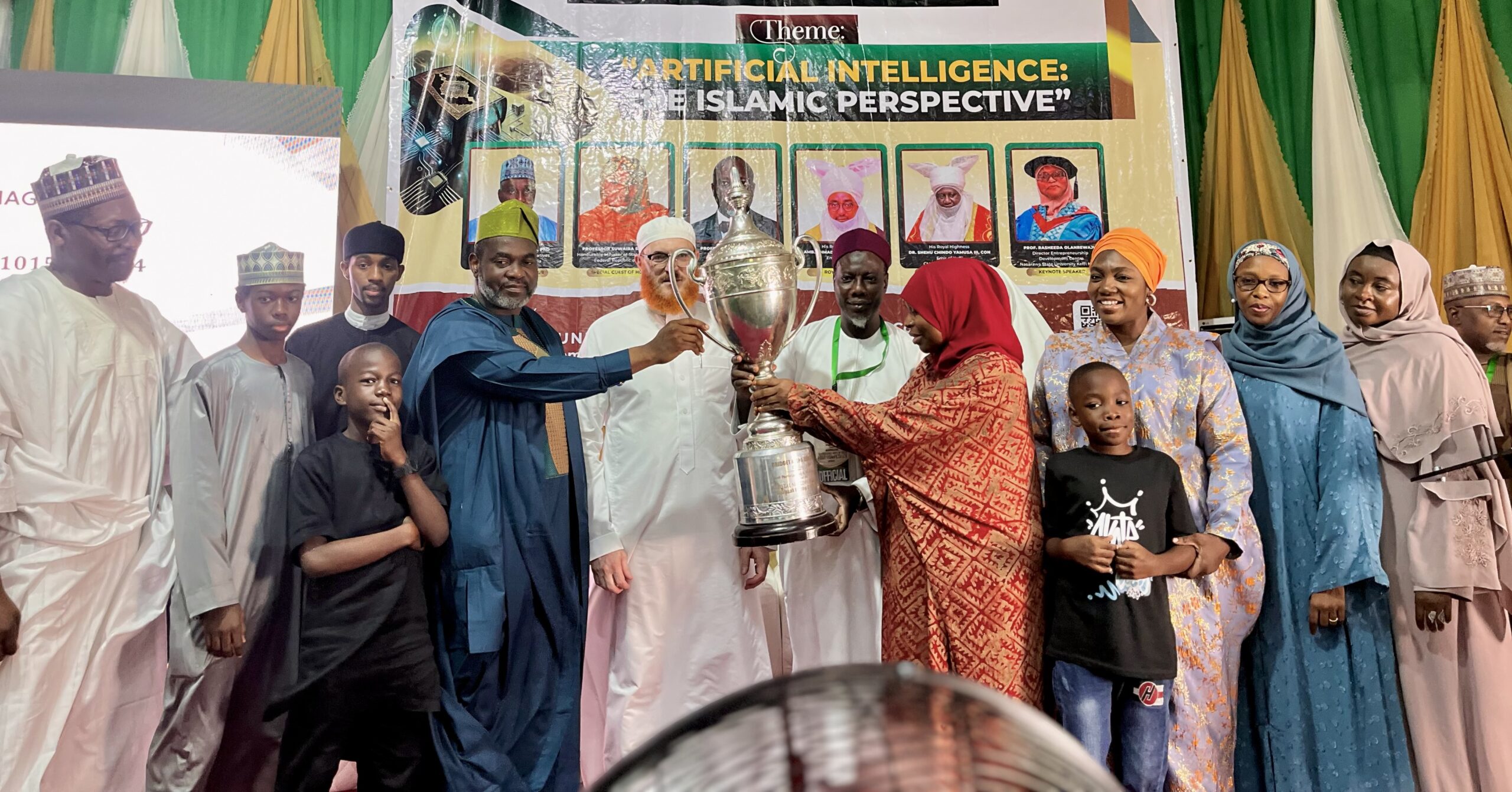
Artificial Intelligence Must Serve Humanity, Not Replace It – CMO
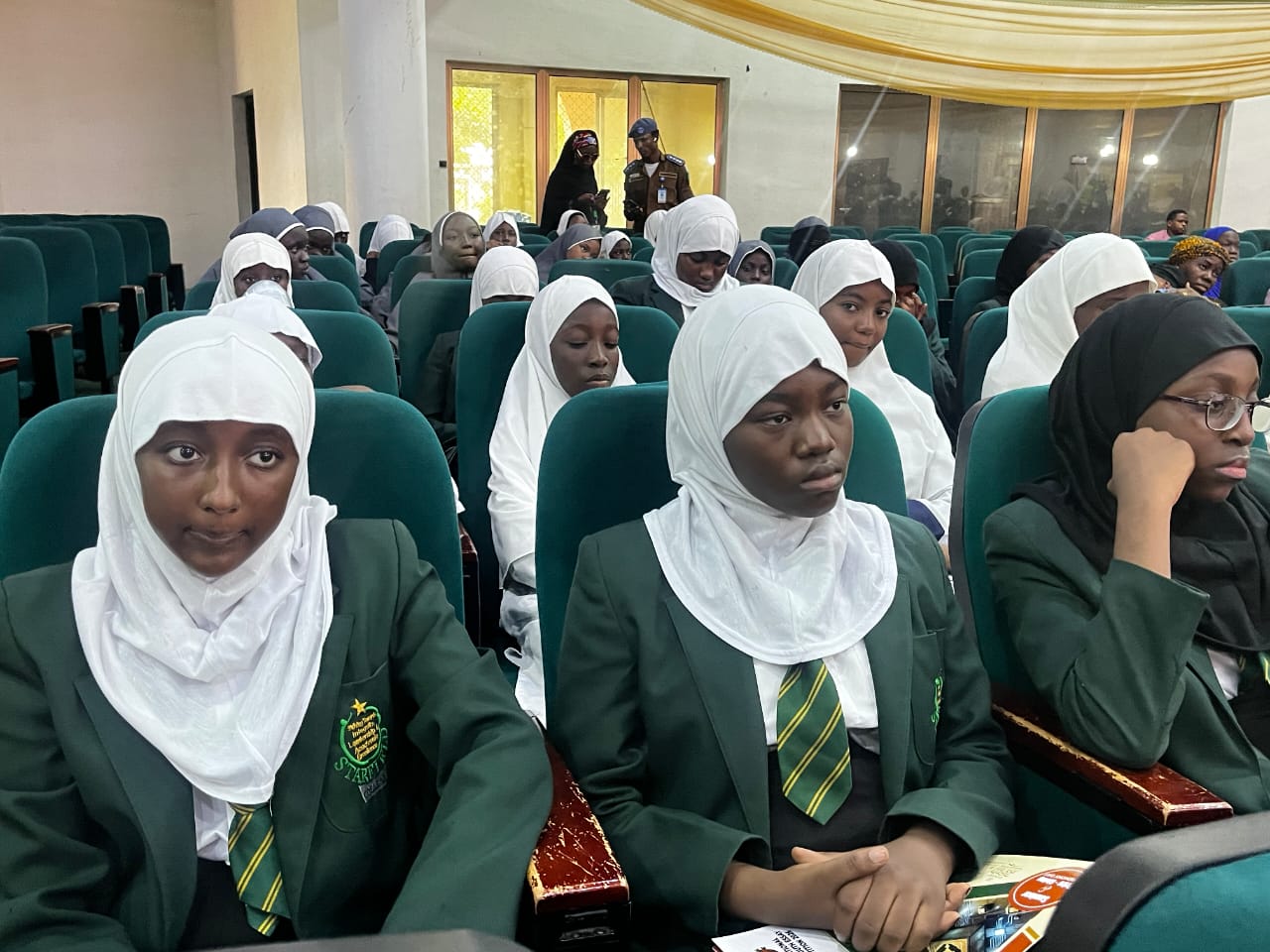
More than 550 students compete as Islamic scholars, academics and technology experts urge ethical use of AI at Crystal Muslim Organisation’s 20th anniversary seminar in Abuja.
By Abdullahi Yusuf
Artificial Intelligence must remain a tool that advances humanity rather than replacing human judgement, Islamic scholarship and ethical responsibility, speakers at the Crystal Muslim Organisation’s (CMO) 20th anniversary seminar have said.
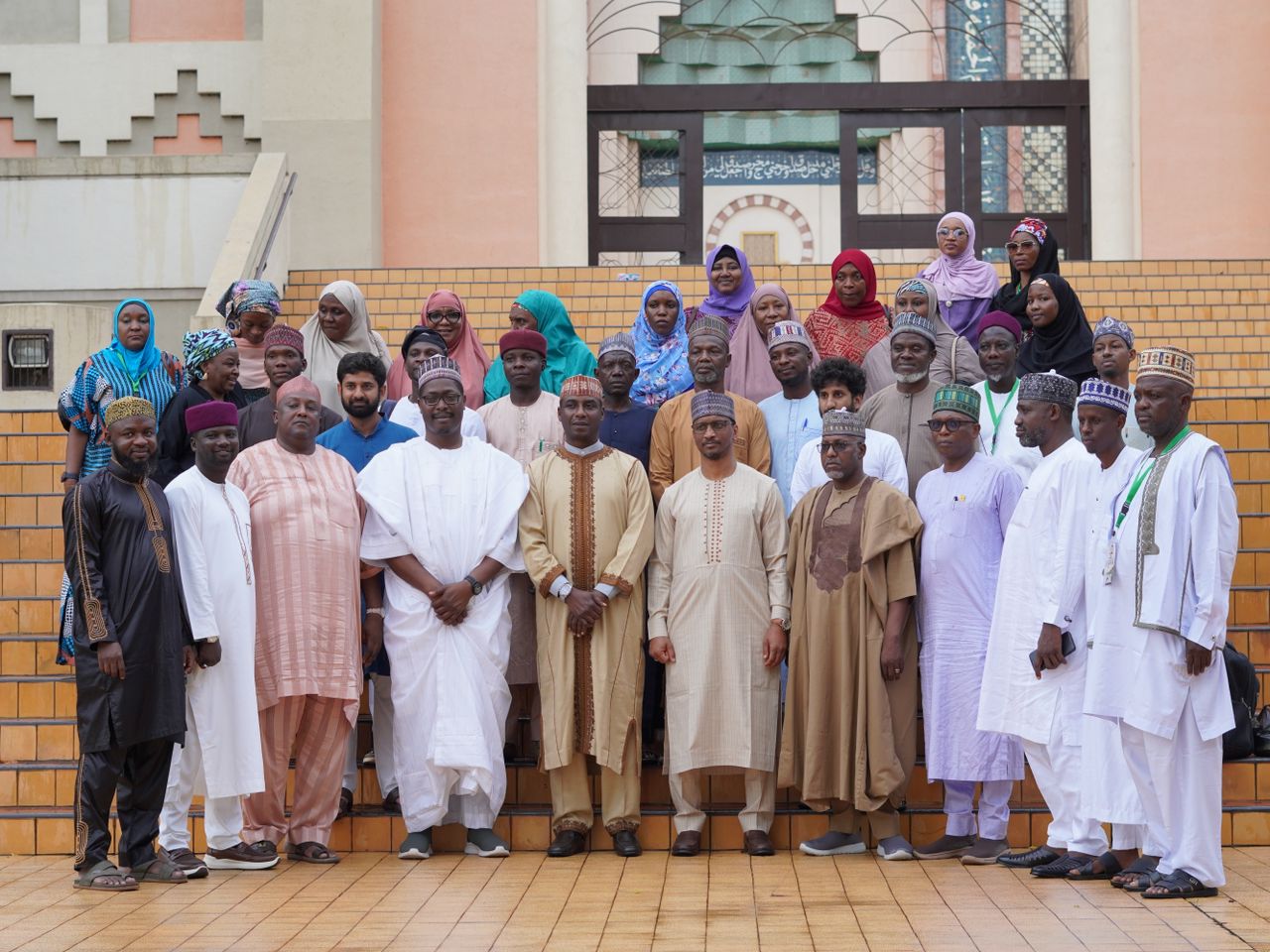
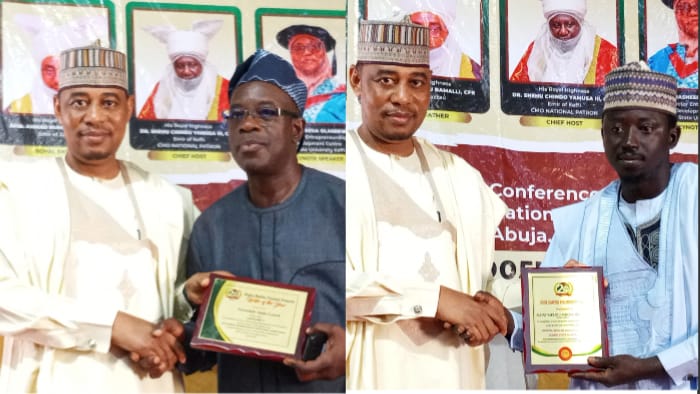
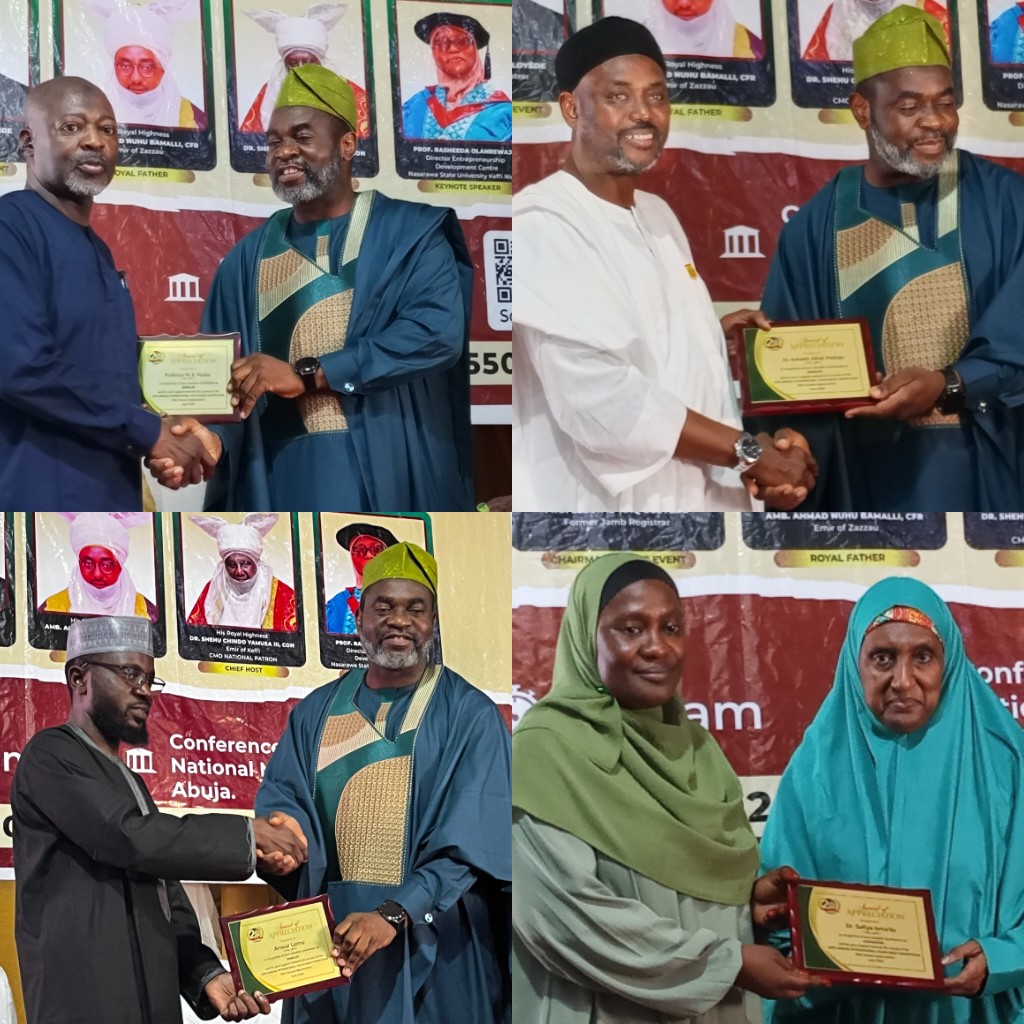
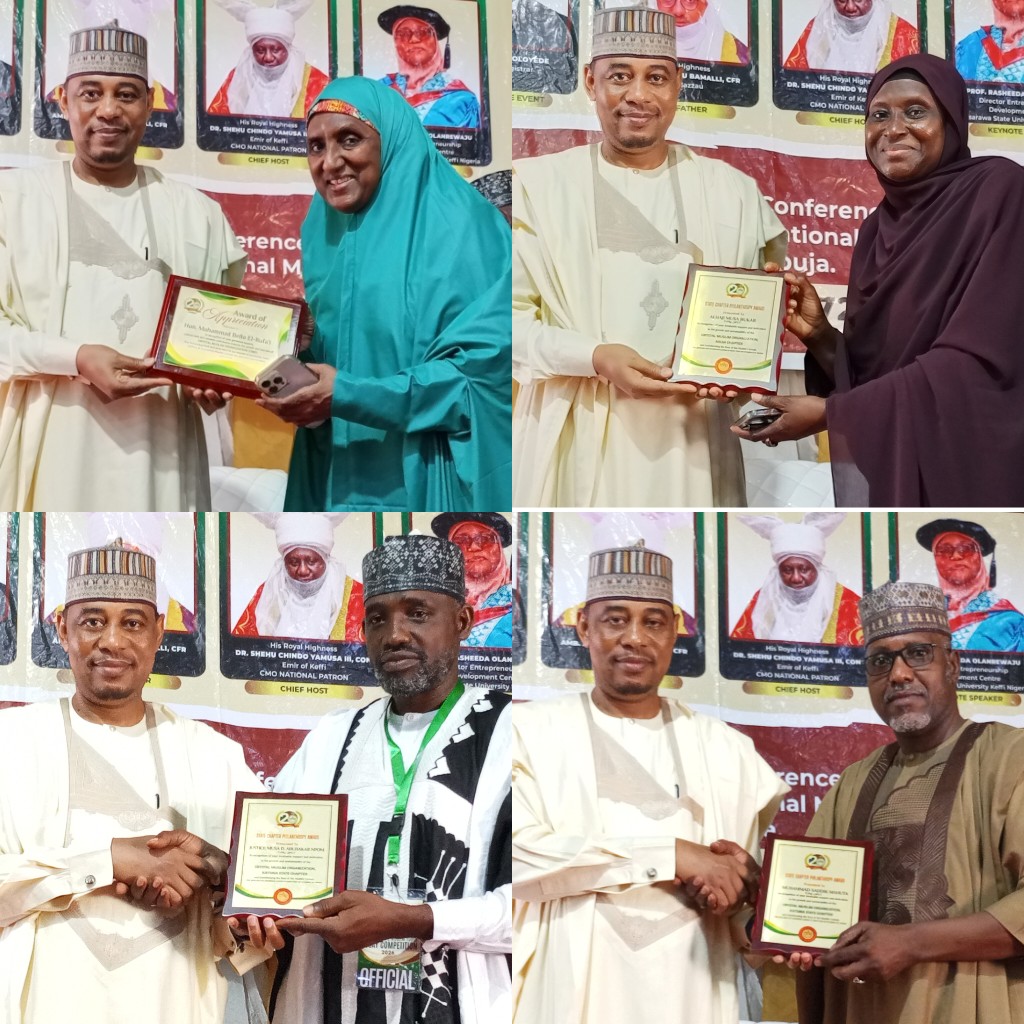
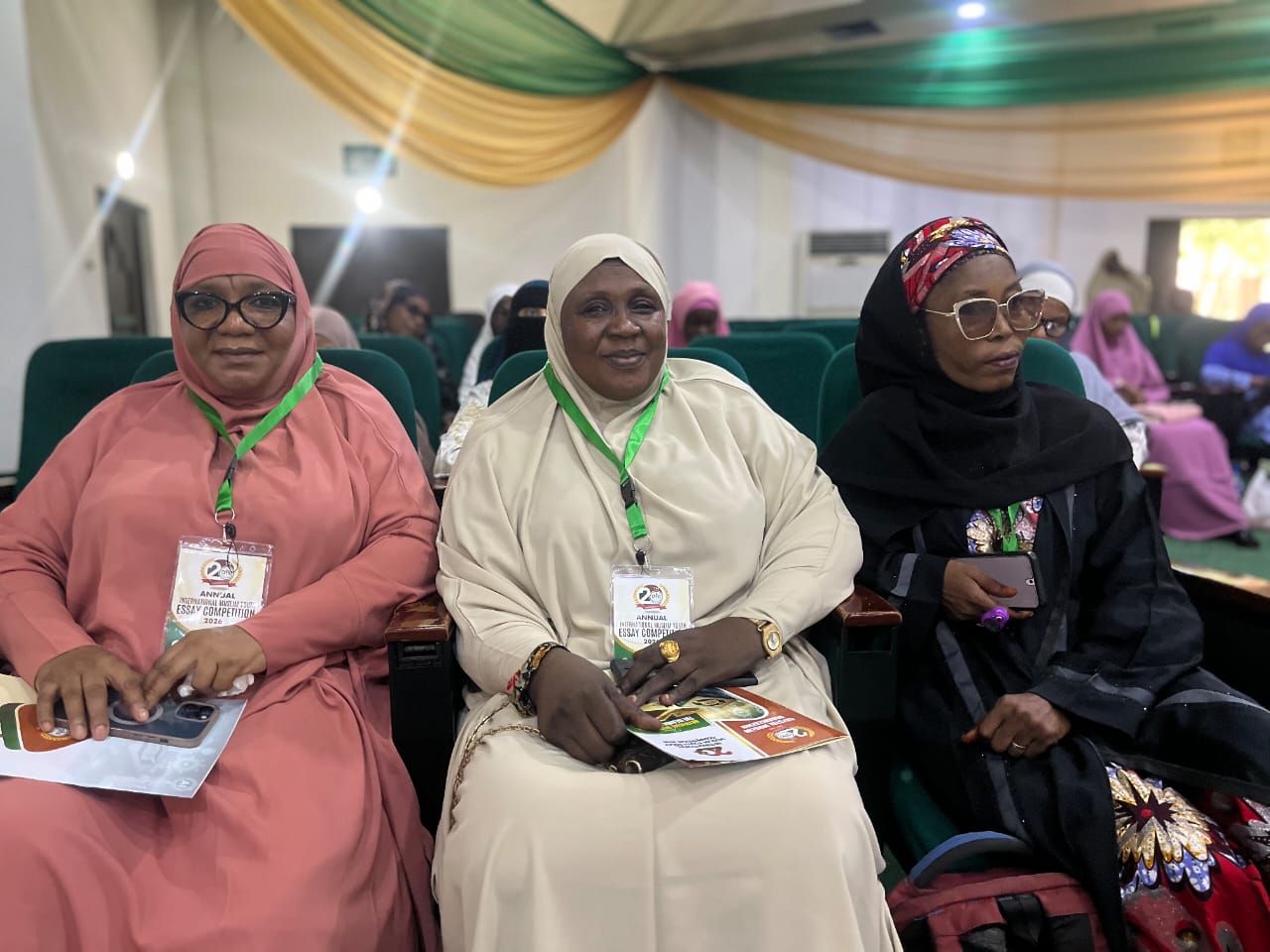
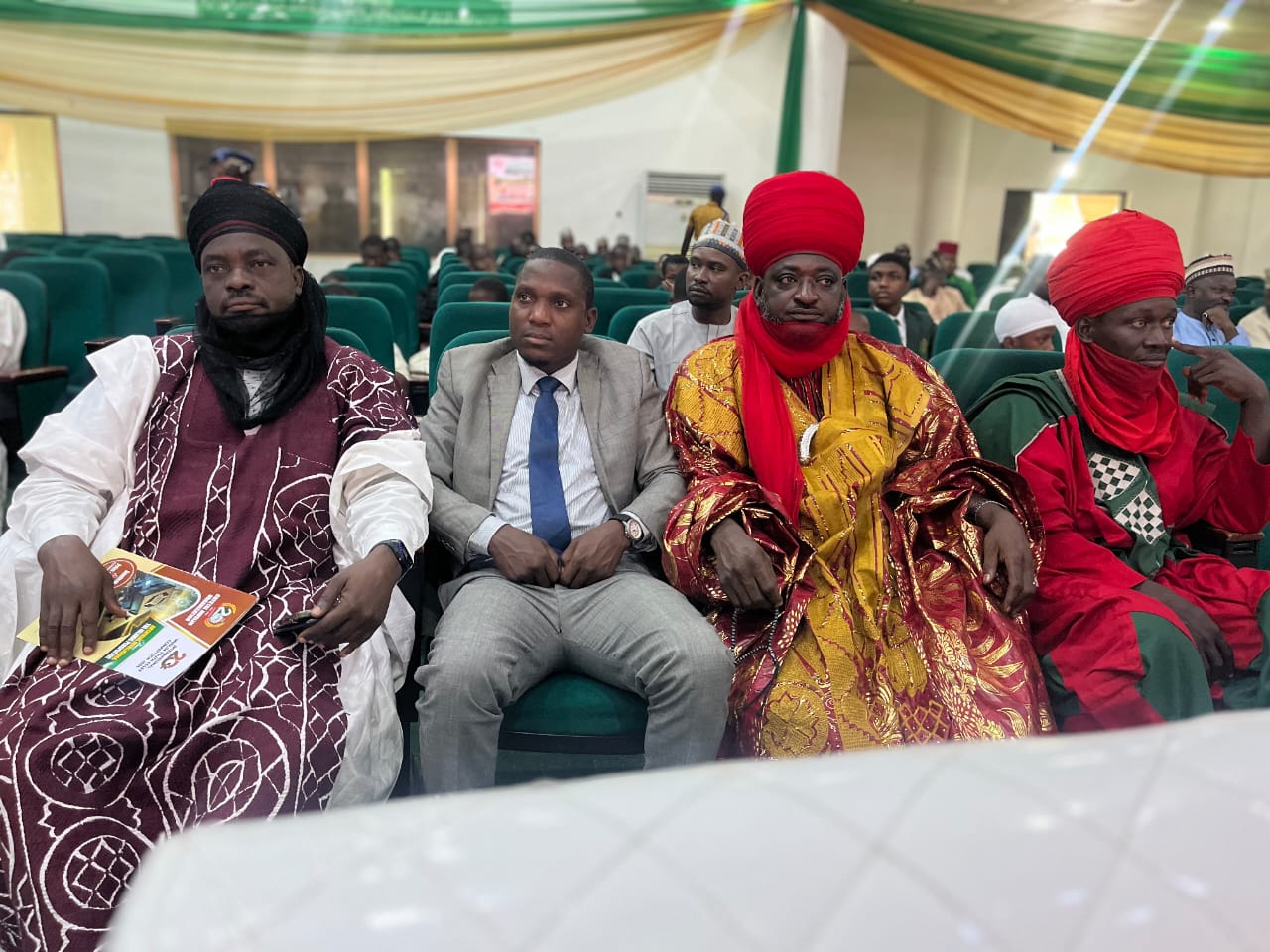
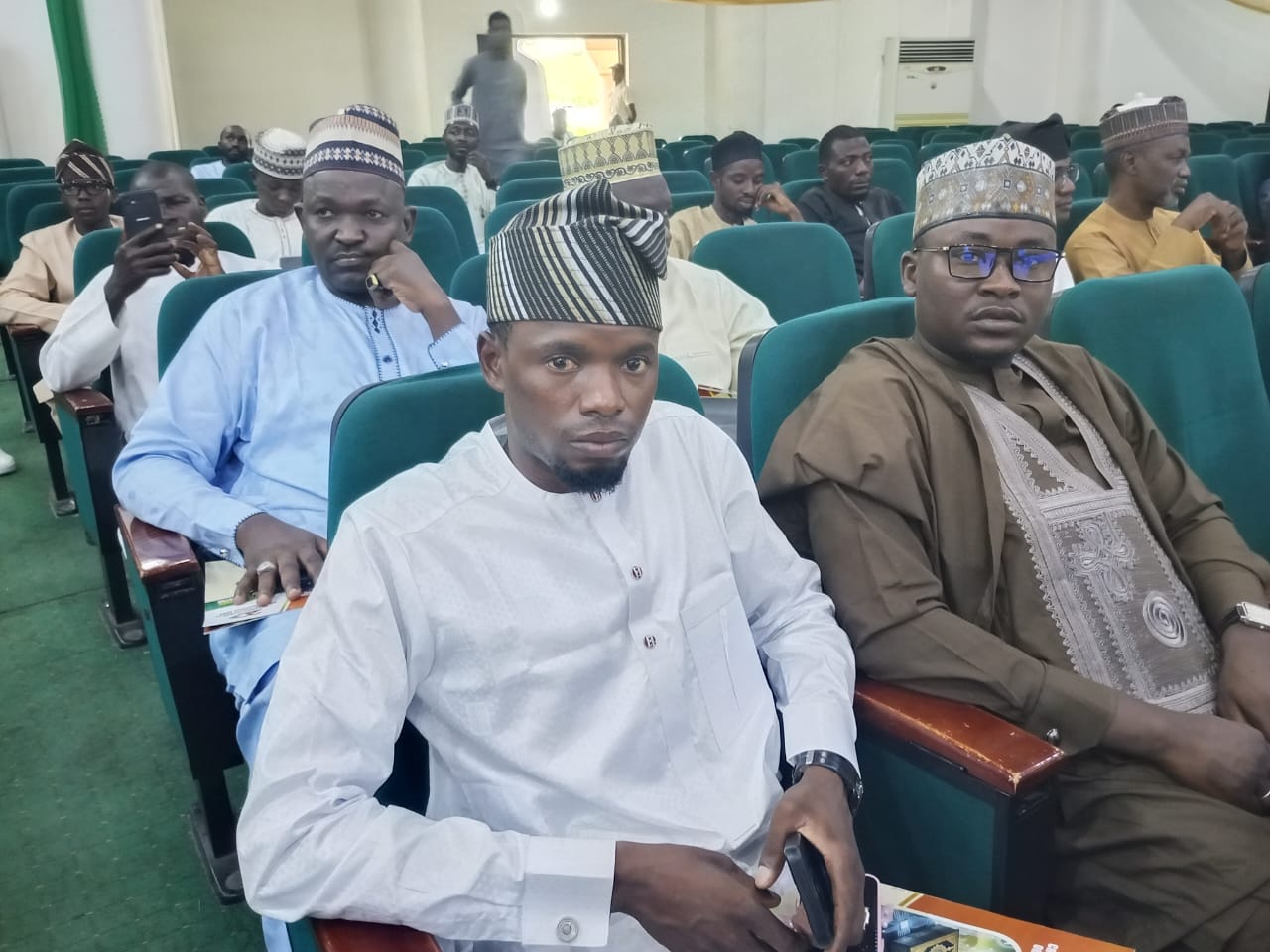
The call came as the organisation concluded its two-day anniversary celebrations in Abuja with its Annual Essay Competition, seminar and award presentation, bringing together traditional rulers, academics, Islamic scholars, government representatives and students from across Nigeria to examine the opportunities and challenges posed by artificial intelligence through the lens of Islamic ethics.

PEACE Magazine gathered that although artificial intelligence formed the central focus of the seminar, the wider discussion extended beyond technology itself. Speakers repeatedly framed AI as one of the defining issues confronting education, religious scholarship and society, arguing that its rapid growth demands not only technical competence but also ethical guidance rooted in Islamic principles.
In his welcome address, the National Ameer Alhaji Muhammad Shettima traced the organisation’s origins to 2006, explaining that it was founded by Muslim professionals determined to address misconceptions about Islam through education, intellectual engagement and humanitarian service.
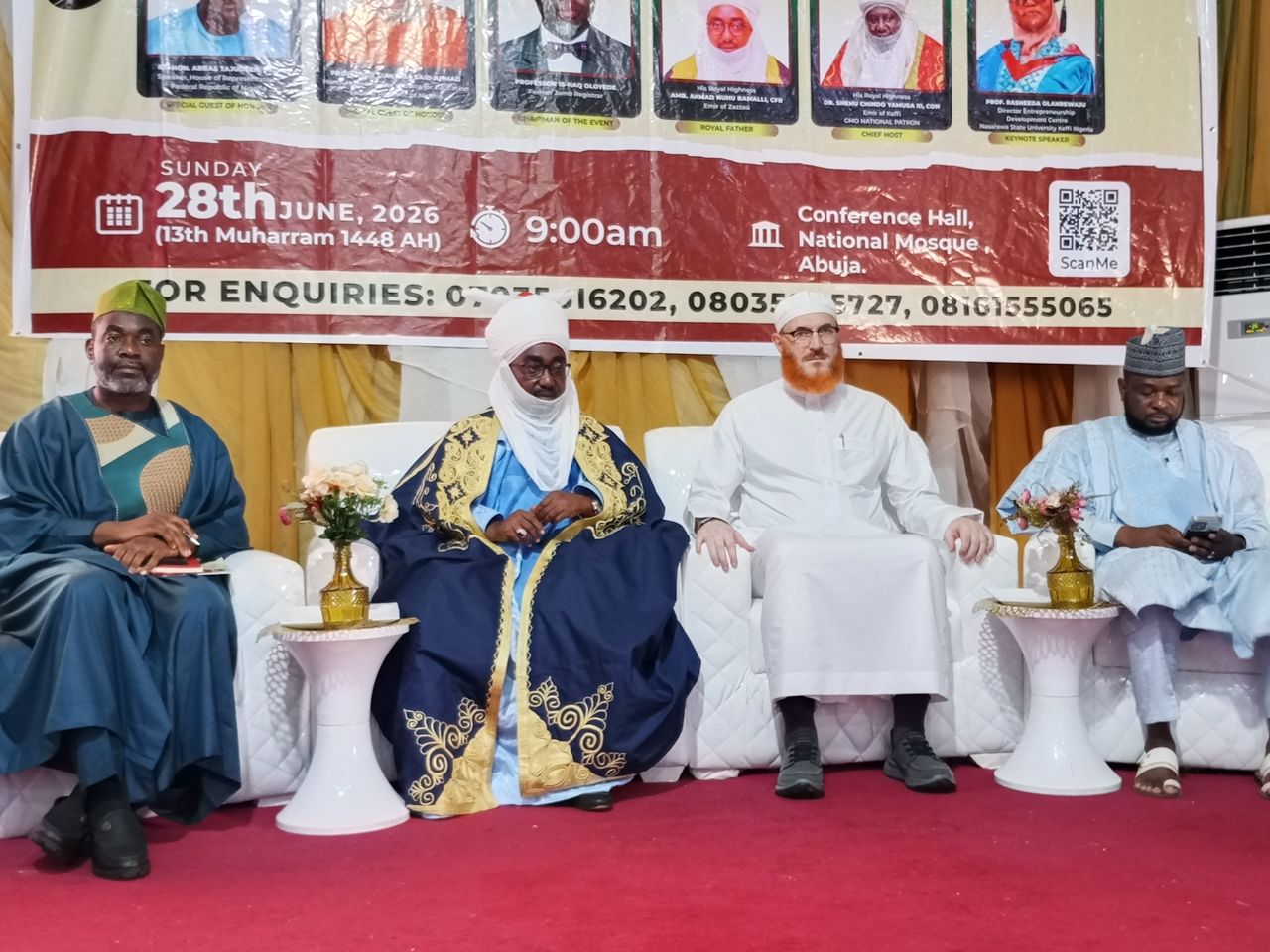
He said that while CMO’s annual essay competition had become one of its flagship programmes, the organisation had over the years expanded its work to include zakat distribution, educational support for orphans, prison outreach, hospital assistance, Ramadan feeding initiatives, tree-planting campaigns and community empowerment programmes.
According to him, Islam continues to be wrongly associated with violence in many quarters, making it the responsibility of Muslims themselves to demonstrate the true values of the faith through knowledge, compassion and service to society.
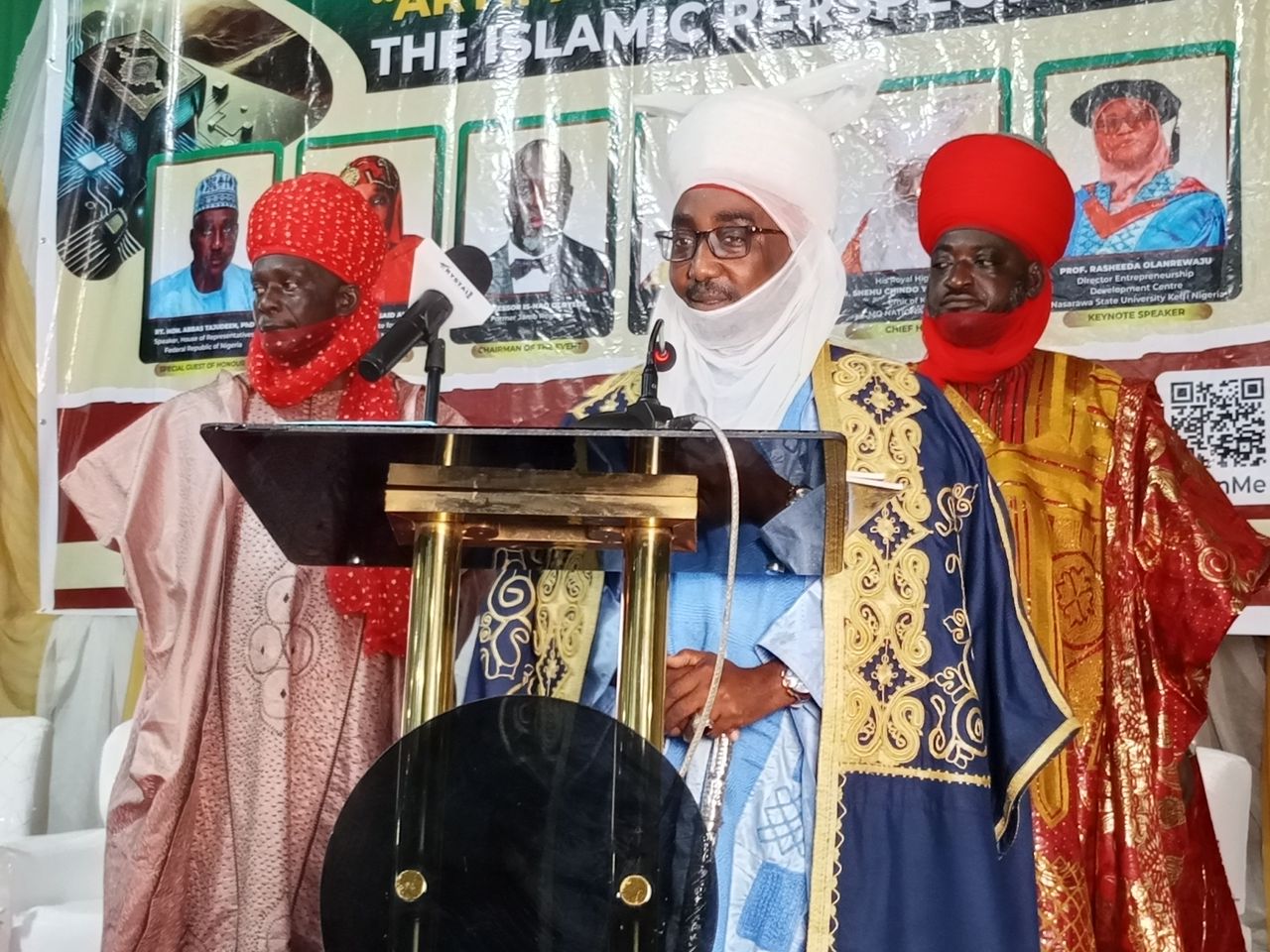
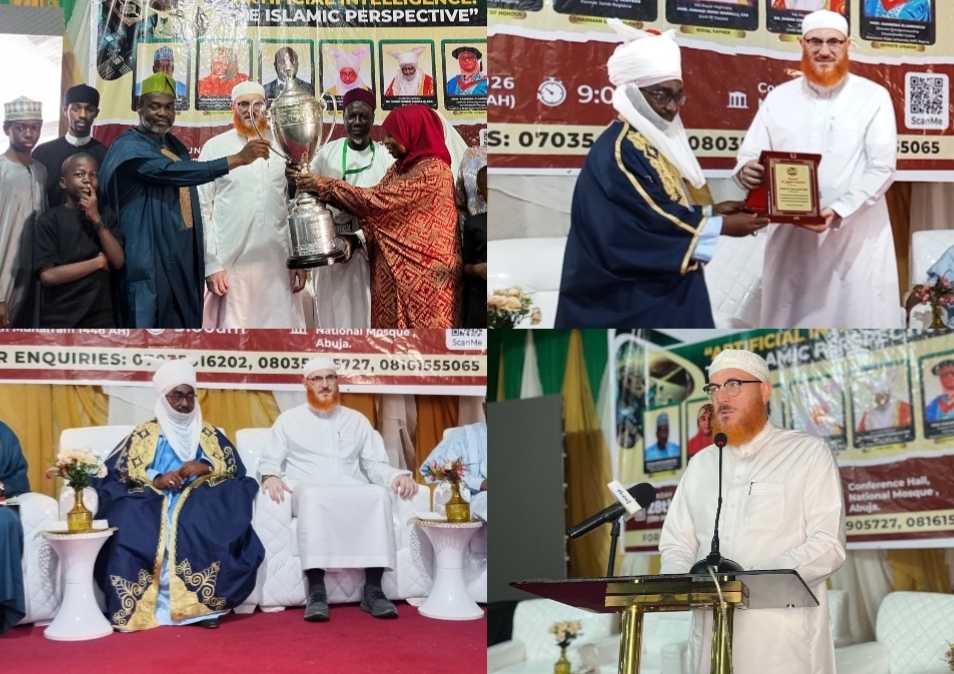
Speaking during the ceremony, the Emir of Zazzau Amb. Ahmed Nuhu Bamalli, commended the organisation for its long-standing commitment to youth development and Islamic education.
He urged young Nigerians to pursue both formal education and vocational skills while embracing technology responsibly, before announcing a generous donation in support of the organisation.
Representing the Governor of Sokoto State, the speaker praised CMO’s investment in education and youth development, saying initiatives that promote knowledge, ethical leadership and intellectual engagement deserve wider support. He subsequently announced a donation on behalf of the governor towards the organisation’s educational activities.
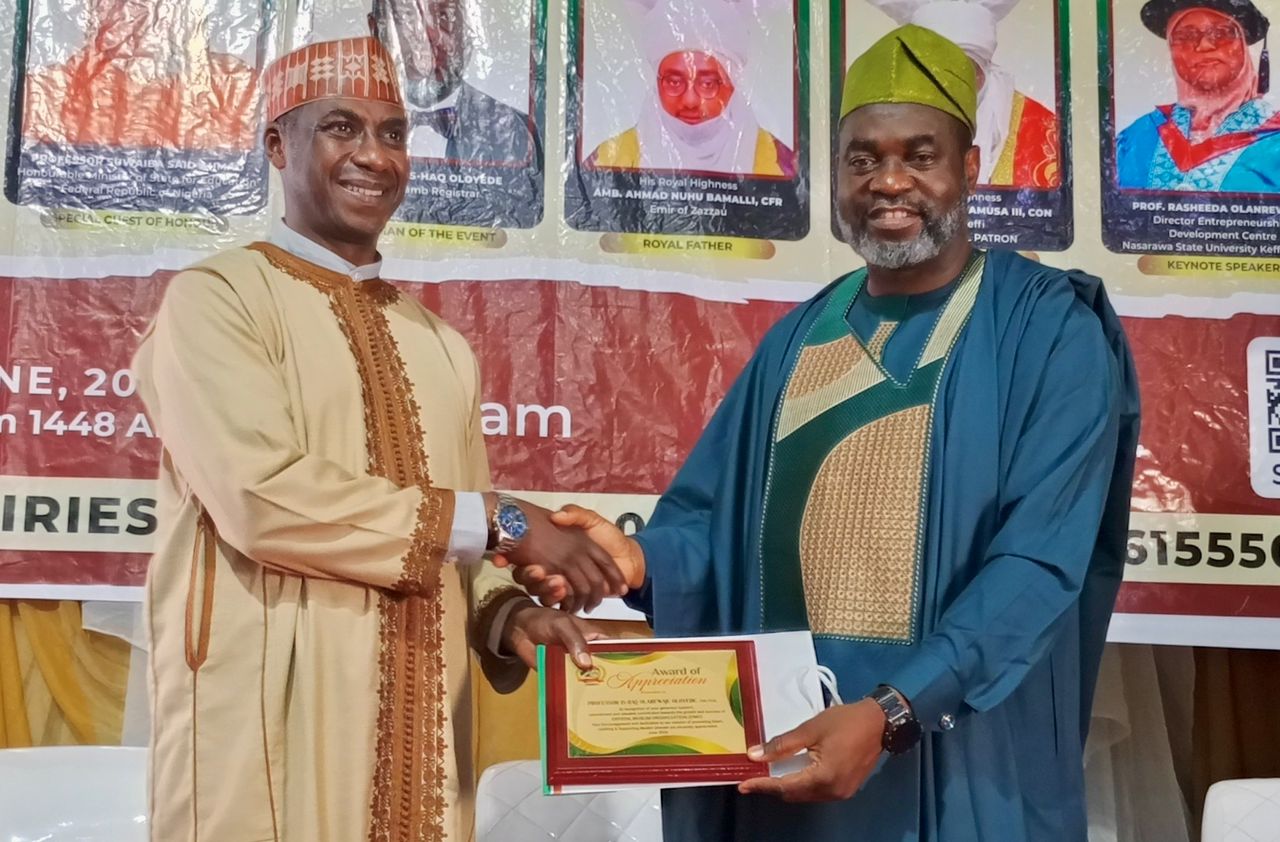
The Chairman of the occasion Professor Is-haq Olanrewaju Oloyede, outgoing Registrar of the Joint Admissions and Matriculation Board (JAMB), represented by Professor Mahfuz Adedimeji praised CMO for maintaining its educational vision over two decades.
Using what he described as the “Three Cs”, Commendation, Congratulations and Contribution, he urged young Muslims not to become overwhelmed by technological advancement at the expense of ethical values.
While encouraging the responsible adoption of digital technologies, he emphasised that emotional intelligence, respect for elders and consciousness of the Hereafter should continue to guide Muslims in an increasingly technology-driven world.
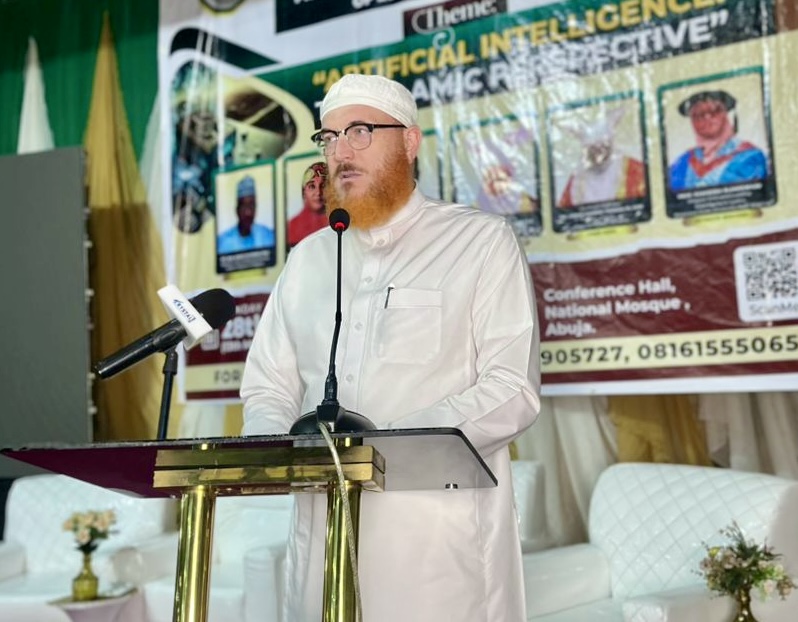
One of the highlights of the programme was a special presentation by internationally renowned Islamic scholar Dr Muhammad Salah, who demonstrated practical ways artificial intelligence is already supporting Islamic education and da’wah around the world.
He pointed to applications capable of assisting Qur’anic recitation, facilitating language translation and expanding access to authentic Islamic learning, while cautioning against treating AI as a replacement for scholarly expertise.
Instead, he described it as a valuable educational tool that should strengthen, rather than diminish, human understanding.
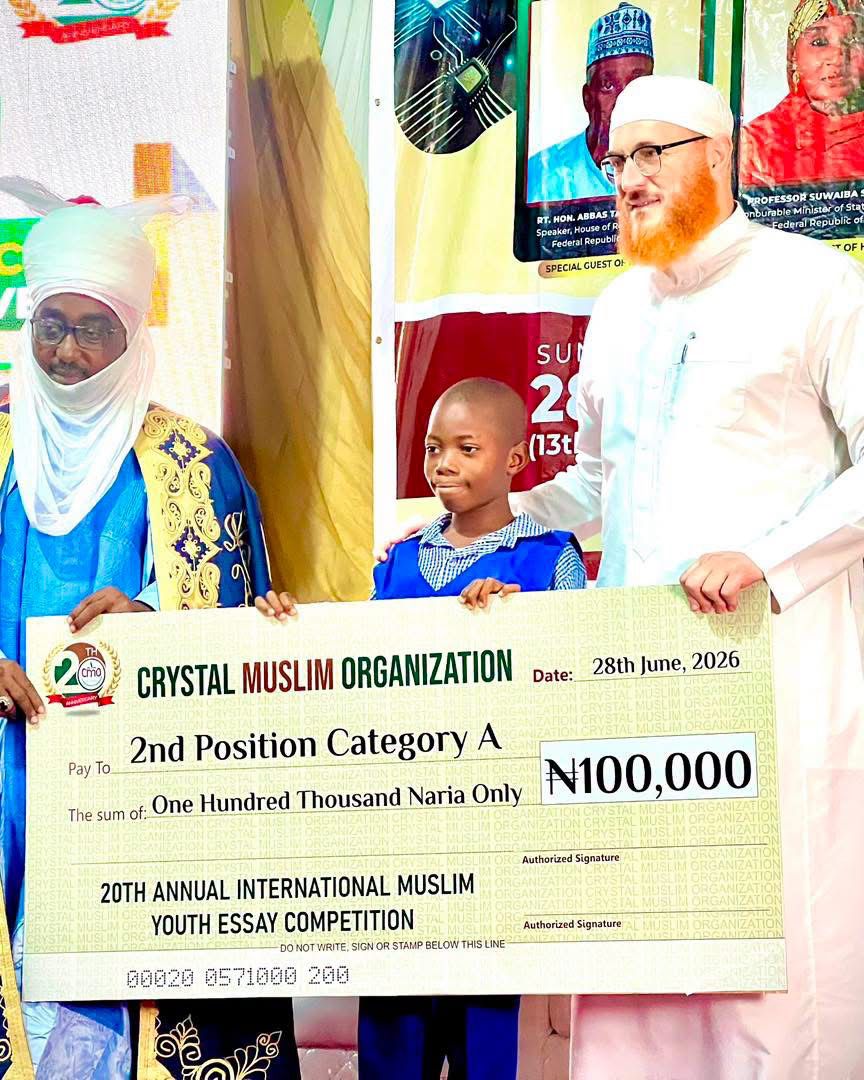
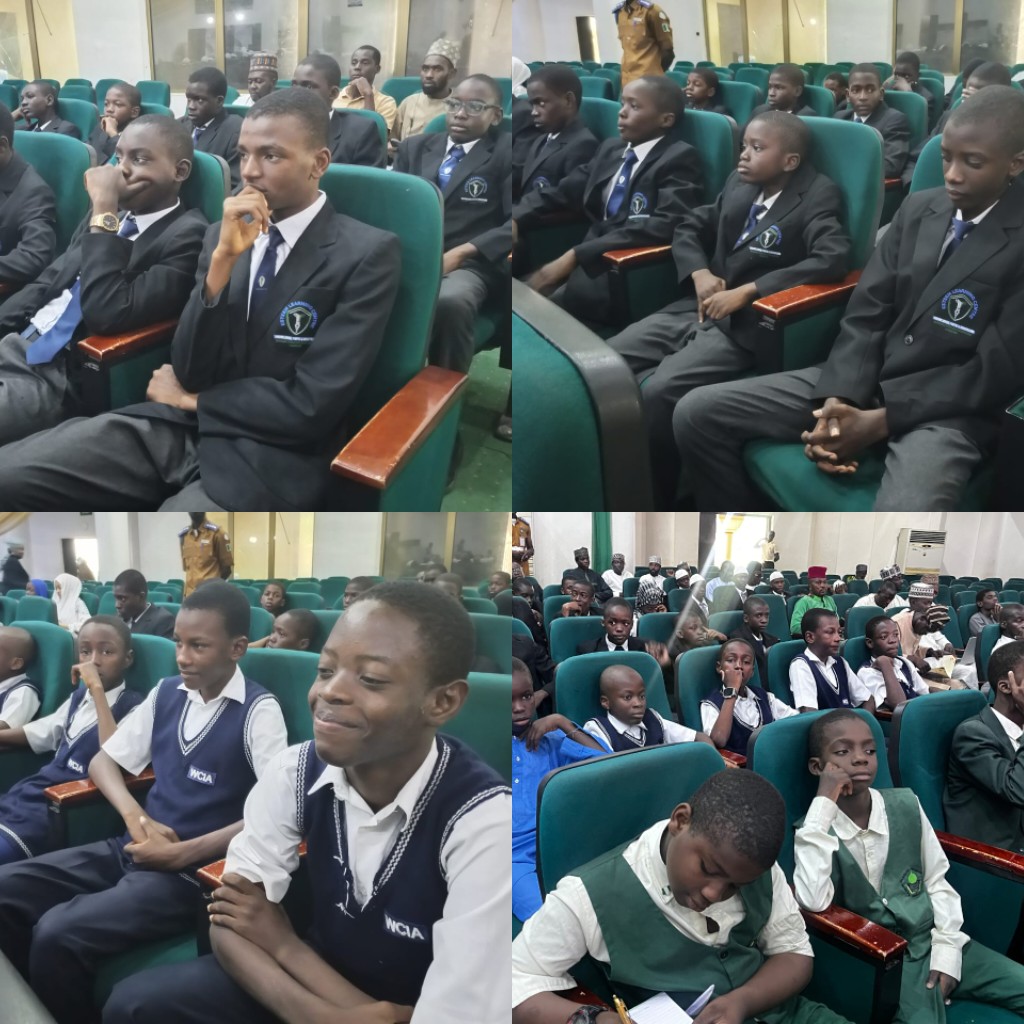
The seminar also featured the presentation of the annual essay competition report, which revealed that more than 550 entries were received from students across different educational categories.
Organisers said submissions underwent plagiarism screening, independent assessment by multiple judges and interviews for shortlisted candidates before the final winners emerged.
While describing the quality of entries as encouraging, the committee also expressed concern over widespread dependence on AI-generated material and increasing cases of plagiarism, warning that technological tools should assist learning rather than replace genuine research, originality and critical thinking.
The panel discussion brought together experts from academia and Islamic scholarship, including Professor Muhammadu Bashir Mu’azu of Ahmadu Bello University, Dr Sheikh Madugu of Baze University and Islamic scholar Alkali Abdallah Yusuf.
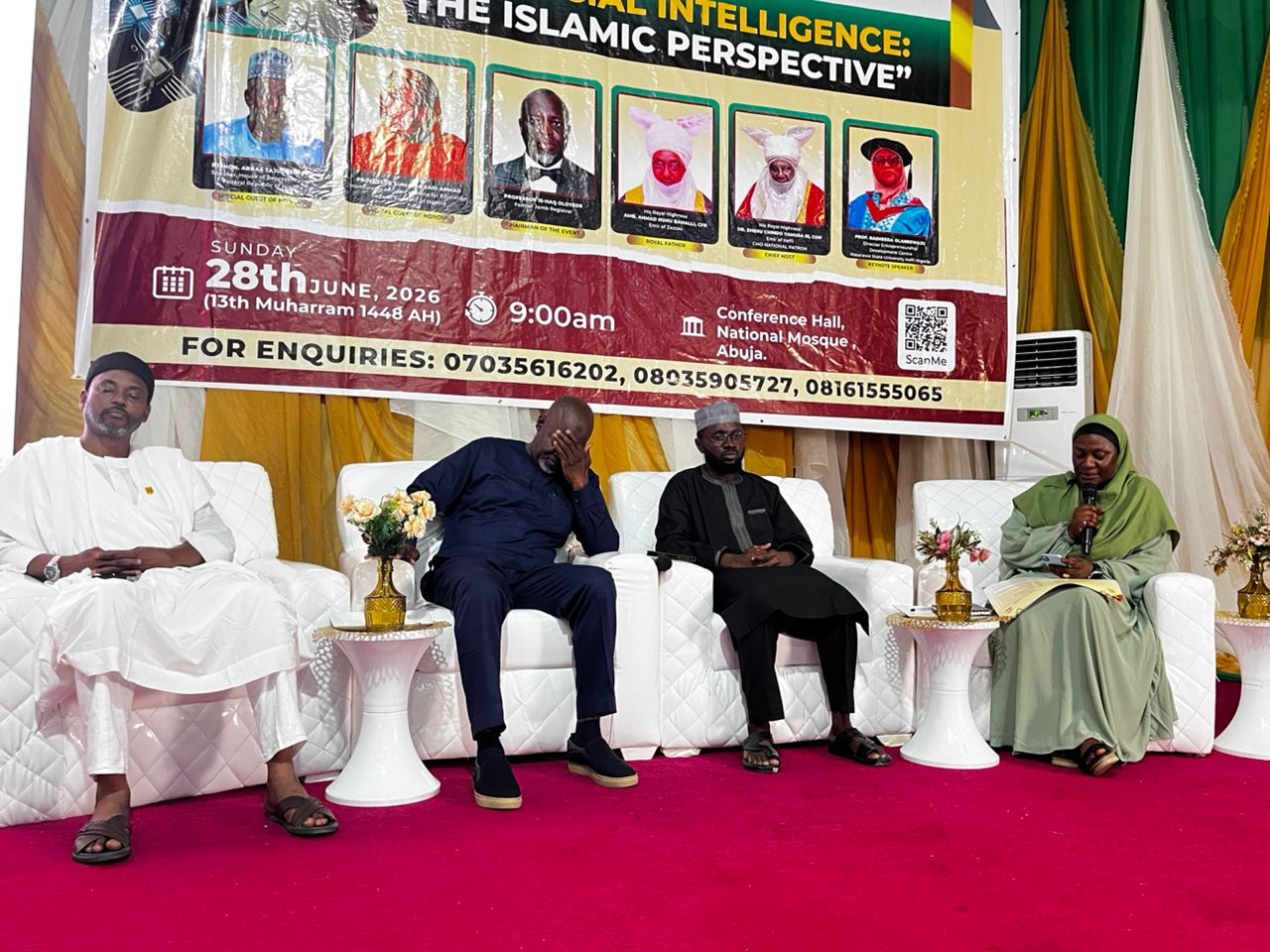
Moderated by Dr Safiya Ismail of the University of Abuja, the session explored how Muslims should engage with rapidly evolving artificial intelligence technologies. The panellists agreed that AI has become an unavoidable reality but stressed that its use must remain subject to ethical standards rooted in Islamic teachings.
Among the issues discussed were the importance of verifying religious information generated through AI platforms, safeguarding personal data, exercising critical thinking and recognising that artificial intelligence cannot replace qualified scholars in matters of Islamic jurisprudence and religious guidance.

Addressing participants Prof. Rashidah Funke Olanrewaju, Professor of AI / Computer Science, Director, Entrepreneurship Development Centre, Nasarawa State University Keffi, NSUK, traced the historical contributions of Muslim civilisation to scientific development, highlighting the pioneering works of scholars such as Al-Khwarizmi and Al-Jazari, whose innovations laid important foundations for modern computing and engineering.
Examining AI through the framework of Maqasid al-Shariah, the higher objectives of Islamic law, she argued that technological innovation should always protect human dignity, knowledge, life and public welfare.
Professor Rasheeda said artificial intelligence offers enormous opportunities across healthcare, education, finance, language translation and Islamic outreach, provided its deployment remains guided by ethics and accountability.
The event also witnessed the official launch of CMO 20th Anniversary Magazine.
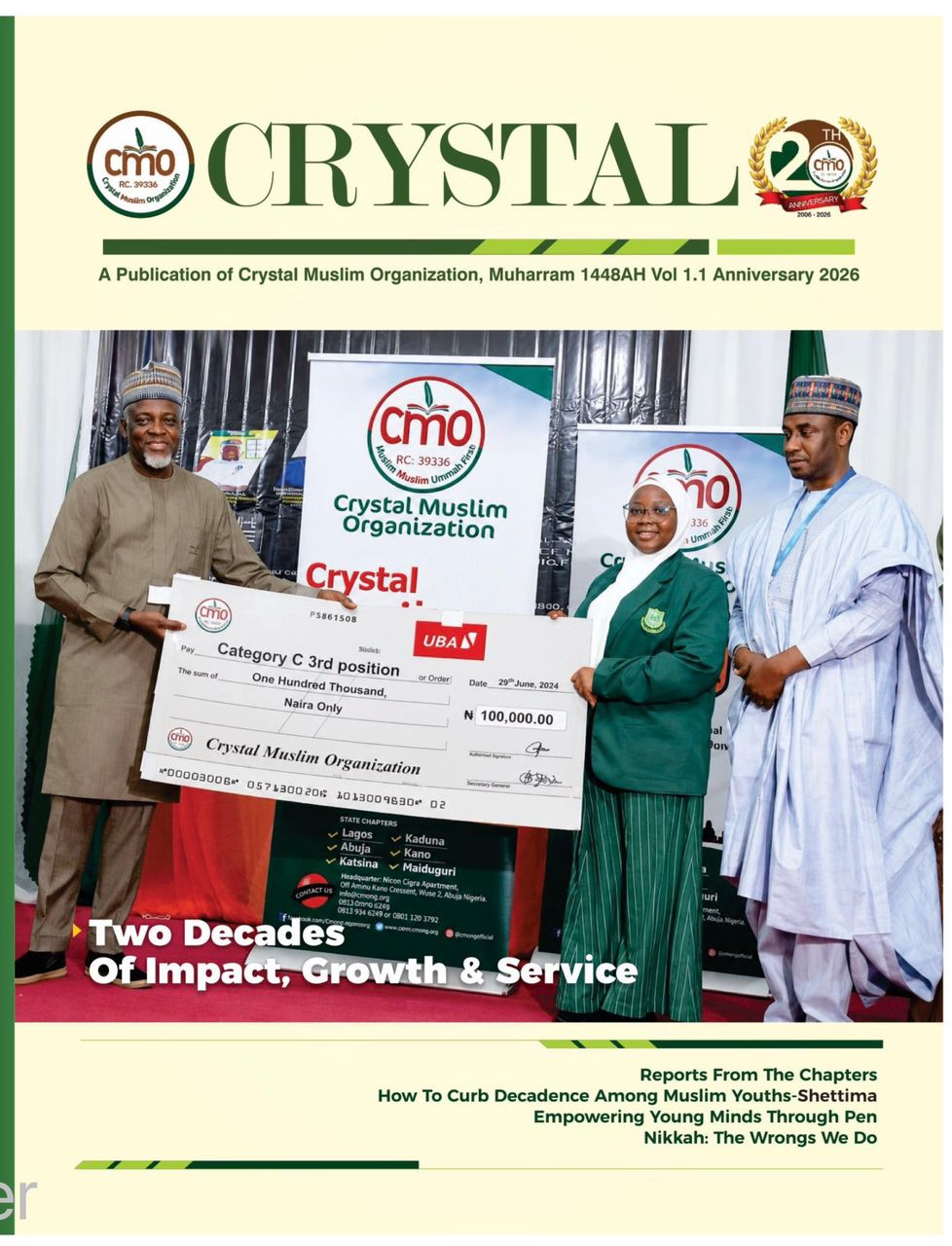
The event ended with the unveiling of the theme for the 2027 essay competition “The Impact of Insecurity on Education and the Role of Trust and Accountability in Islam” signalling that after two decades, CMO intends to keep directing its intellectual engagement towards contemporary challenges facing Nigerian society.
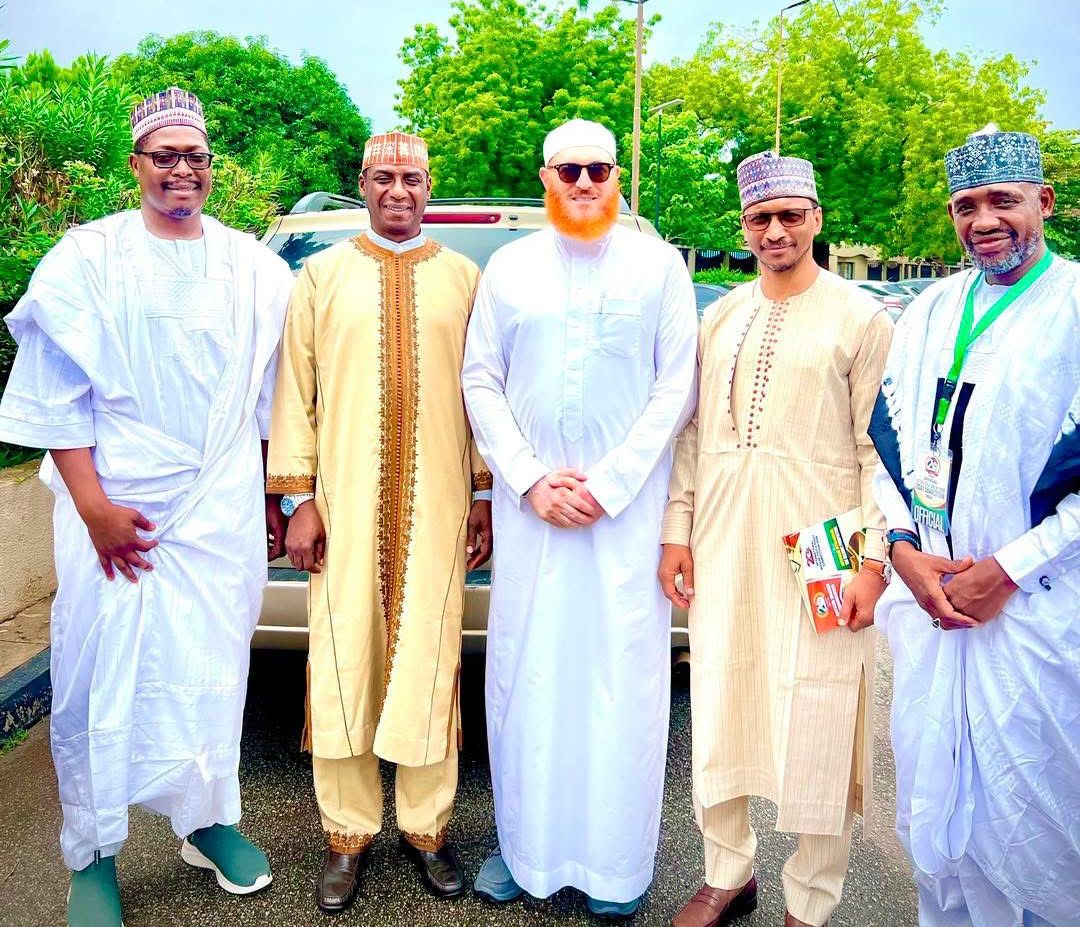
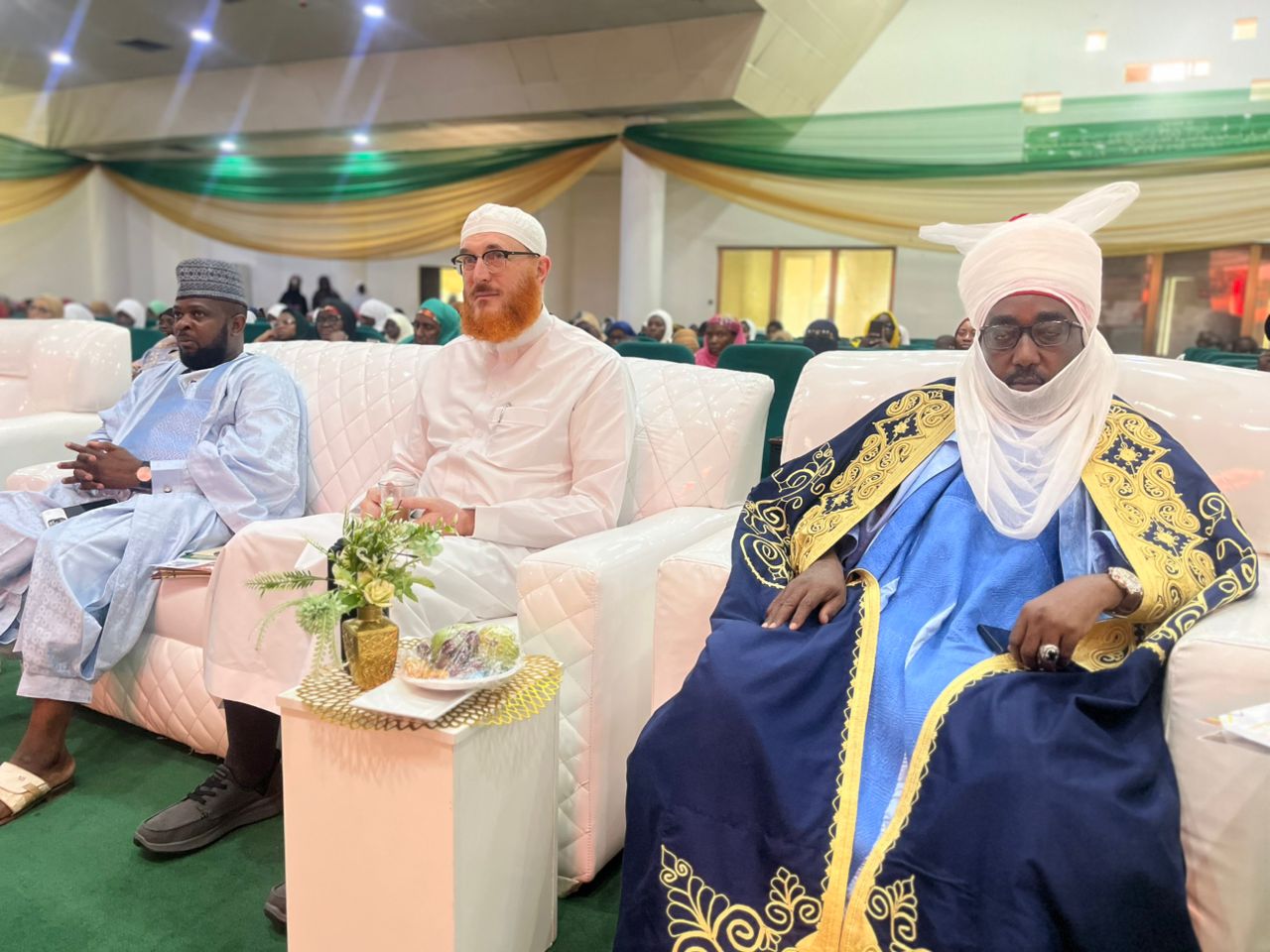
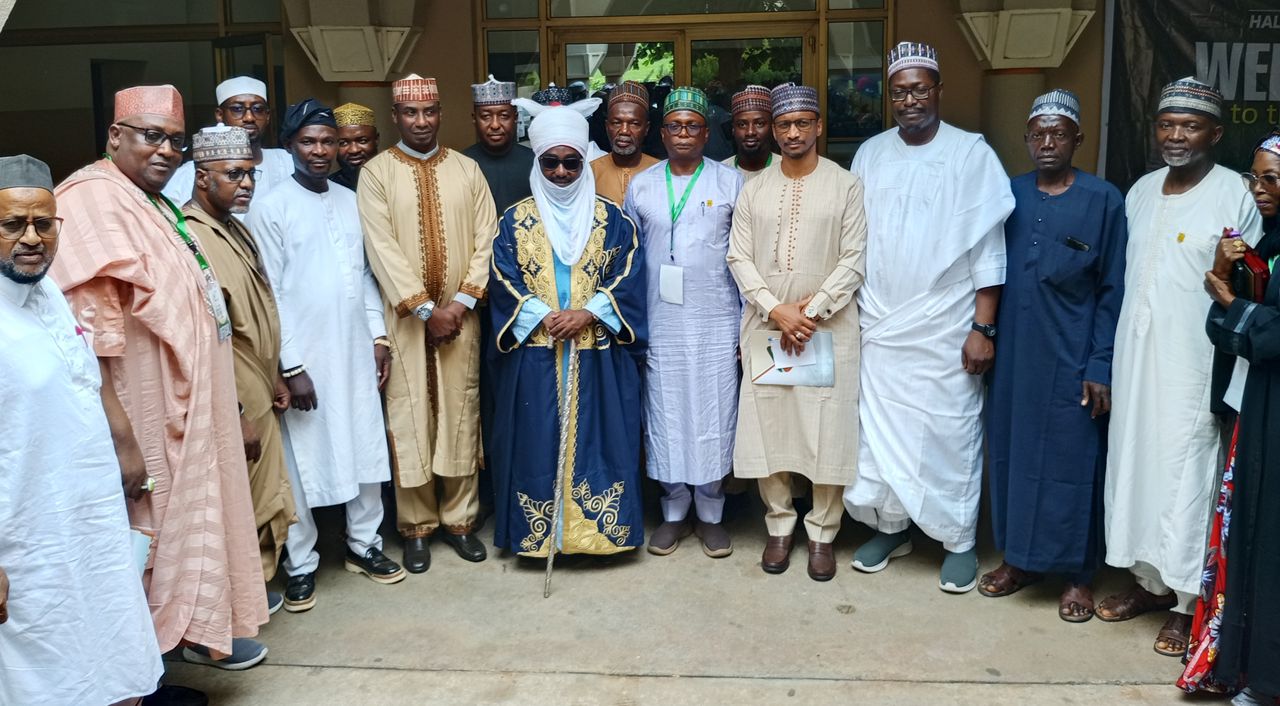
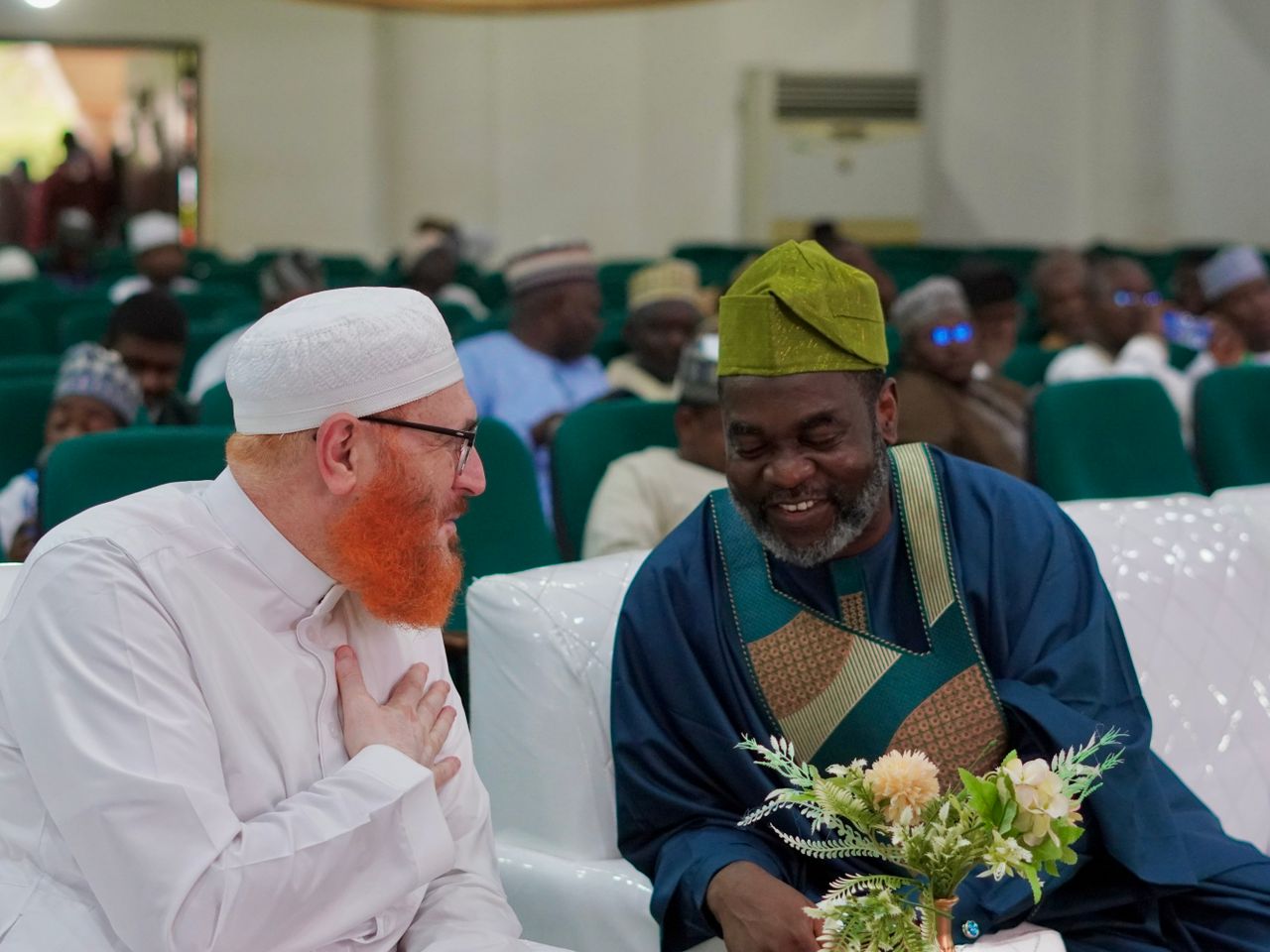
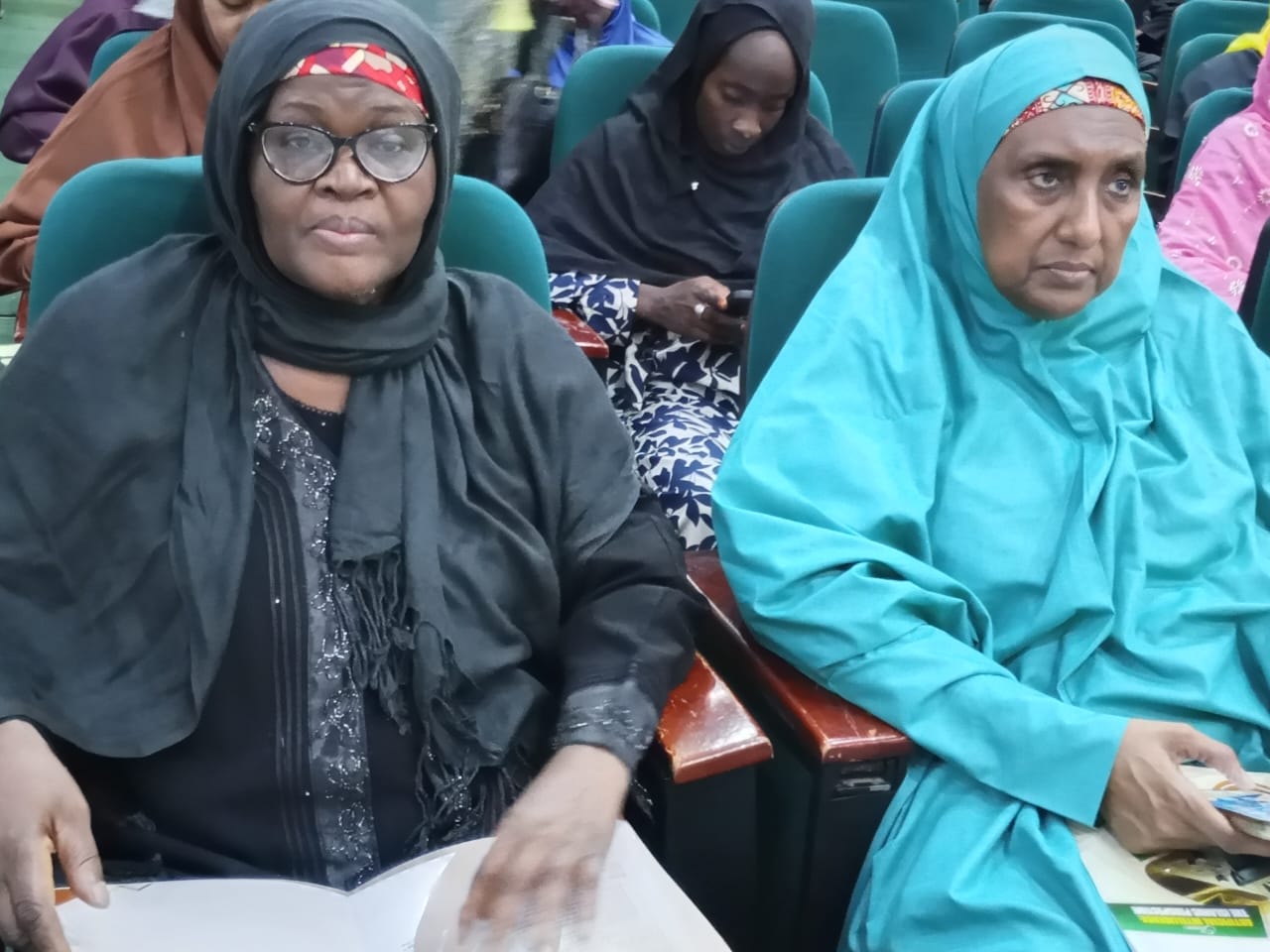
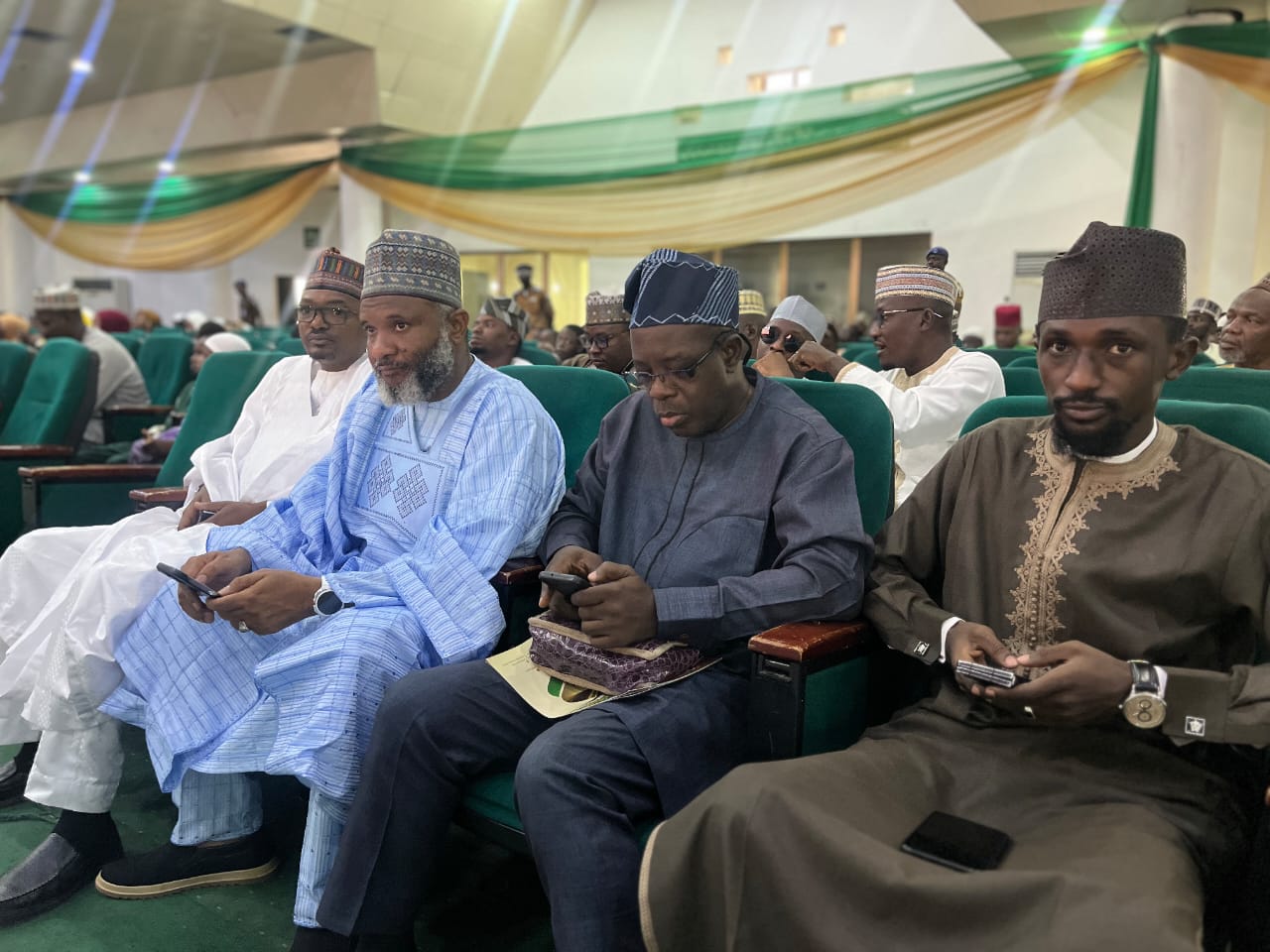
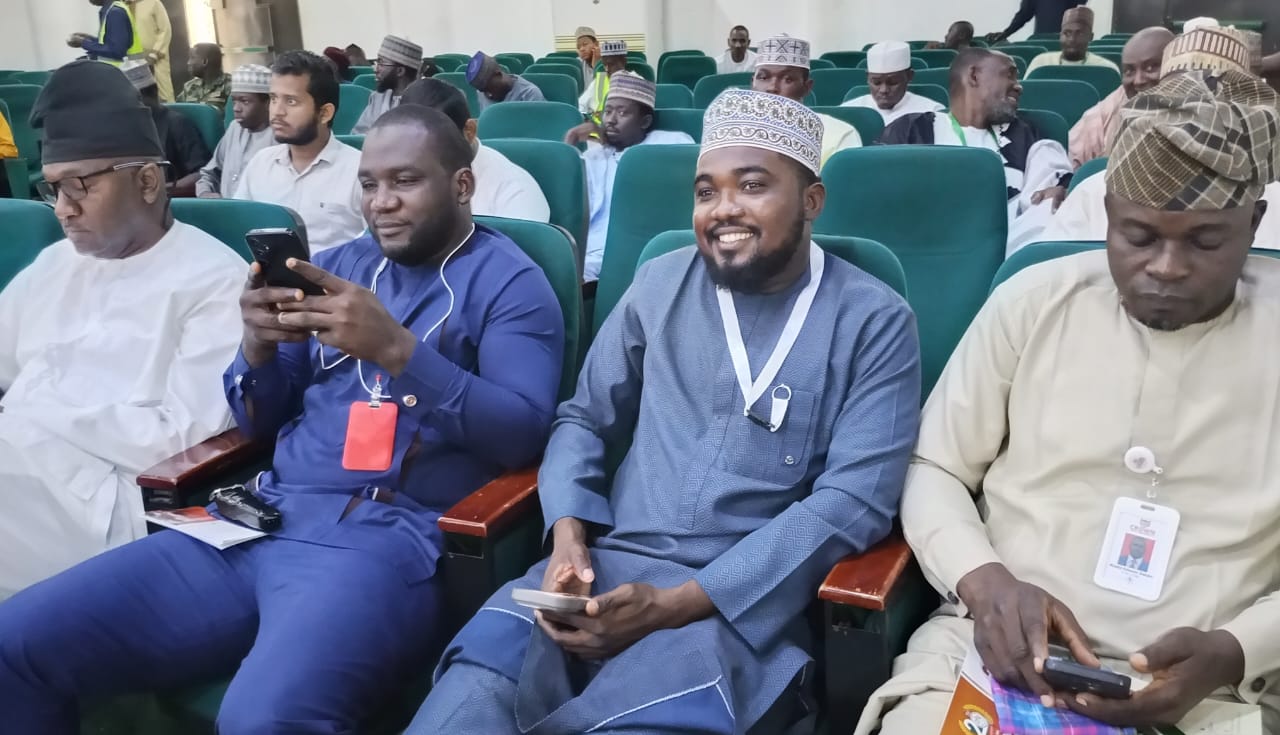
More from the Seminar:



SPONSORED

SPONSORED

SONSORED
