
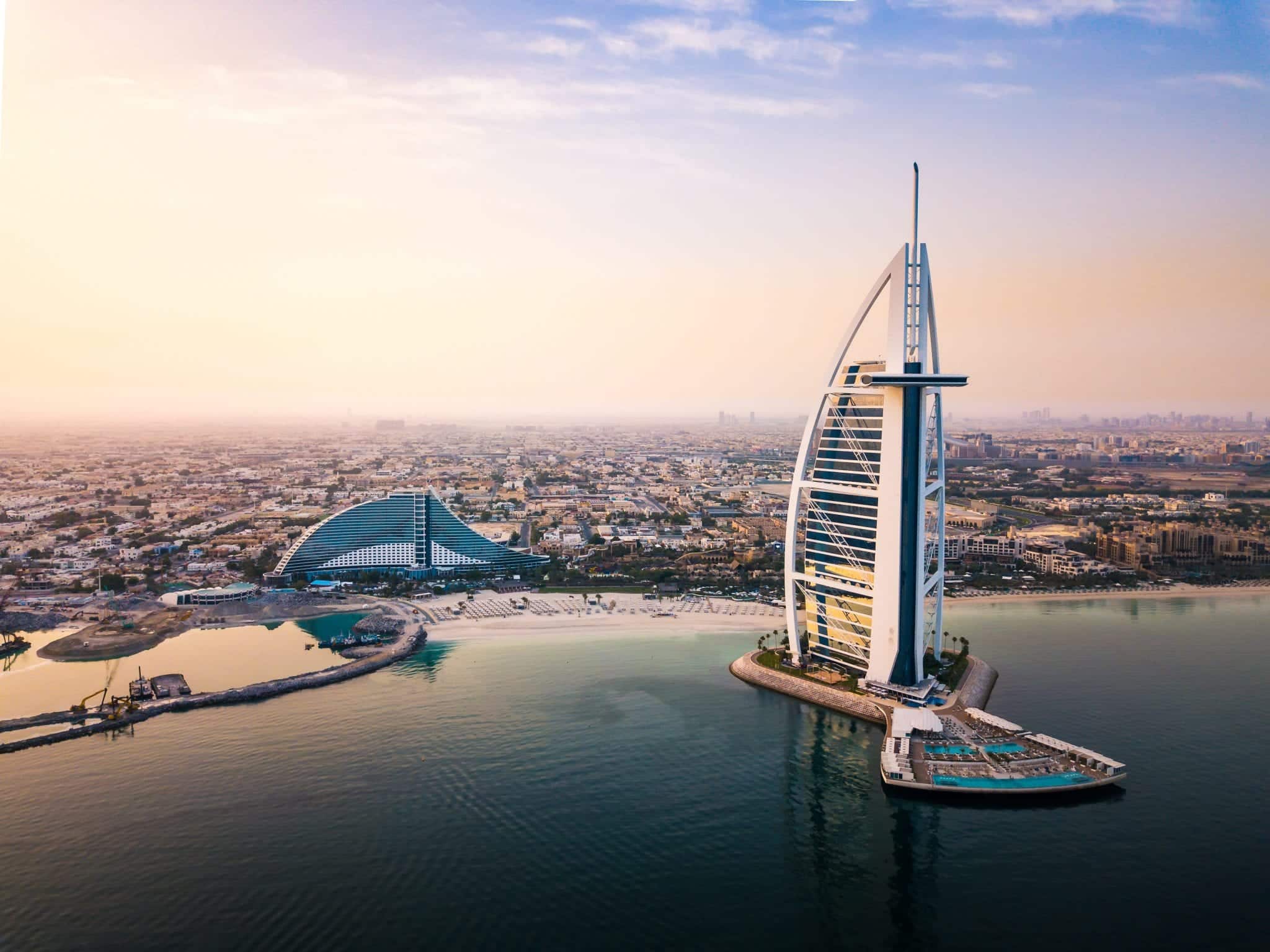
Burj Al Arab closes for 18 months amid Gulf tensions
Dubai’s flagship hotel set for major refurbishment amid reported fall in tourism following Iranian strikes in region
By Abdullahi Yusuf
The United Arab Emirates says Dubai’s flagship Burj Al Arab will close for around 18 months, in what reports describe as a major refurbishment programme linked to a wider downturn in tourism across the Gulf region.
According to reporting cited by Middle East Eye, the decision comes amid a sharp drop in visitor numbers following a period of escalating regional tensions and Iranian retaliatory strikes on US-linked targets across the Middle East.
The hotel’s owner has confirmed that the property will undergo extensive renovation work, with guests who had existing bookings expected to be relocated to nearby hotels during the closure.
Located in Dubai, the sail-shaped landmark is one of the UAE’s most recognisable luxury hotels and a key symbol of the country’s tourism sector.
Reports suggest the closure follows a broader decline in tourism and business travel in the region, which some analysts link to heightened insecurity across Gulf airspace and maritime routes.
The escalation is said to have followed Iranian retaliatory operations against US military assets in the region, carried out after earlier strikes on Iranian targets attributed to the United States and Israel.
Iran subsequently launched attacks on US bases and associated infrastructure across several Gulf states, including the UAE, which hosts significant Western military and commercial facilities.
One reported incident in March involved the interception of an Iranian drone near Dubai, with debris allegedly causing minor damage in the vicinity of the Burj Al Arab. Iranian officials have not confirmed involvement in that specific incident.
The UAE has not publicly detailed the full extent of any security-related disruption but reports circulating in regional media suggest that investor confidence and tourism flows have been affected by the broader security environment.
Analysts say the Gulf’s aviation and hospitality sectors have experienced pressure amid repeated airspace disruptions, with some reports indicating thousands of flight cancellations across the region since the escalation began.
There are also claims circulating in regional reporting that financial markets in Dubai and Abu Dhabi have fallen significantly in value since the start of hostilities, though official consolidated figures have not been independently verified.
The UAE remains a key Western ally in the Gulf and hosts major international business and tourism infrastructure, making any sustained disruption to its flagship hospitality assets closely watched by markets.
As refurbishment work prepares to begin, the closure of the Burj Al Arab is being seen as another indicator of how regional instability is beginning to filter into high-end tourism and commercial confidence across the Gulf.
With additional information from Press tv
SPONSORED

SPONSORED

SONSORED
