
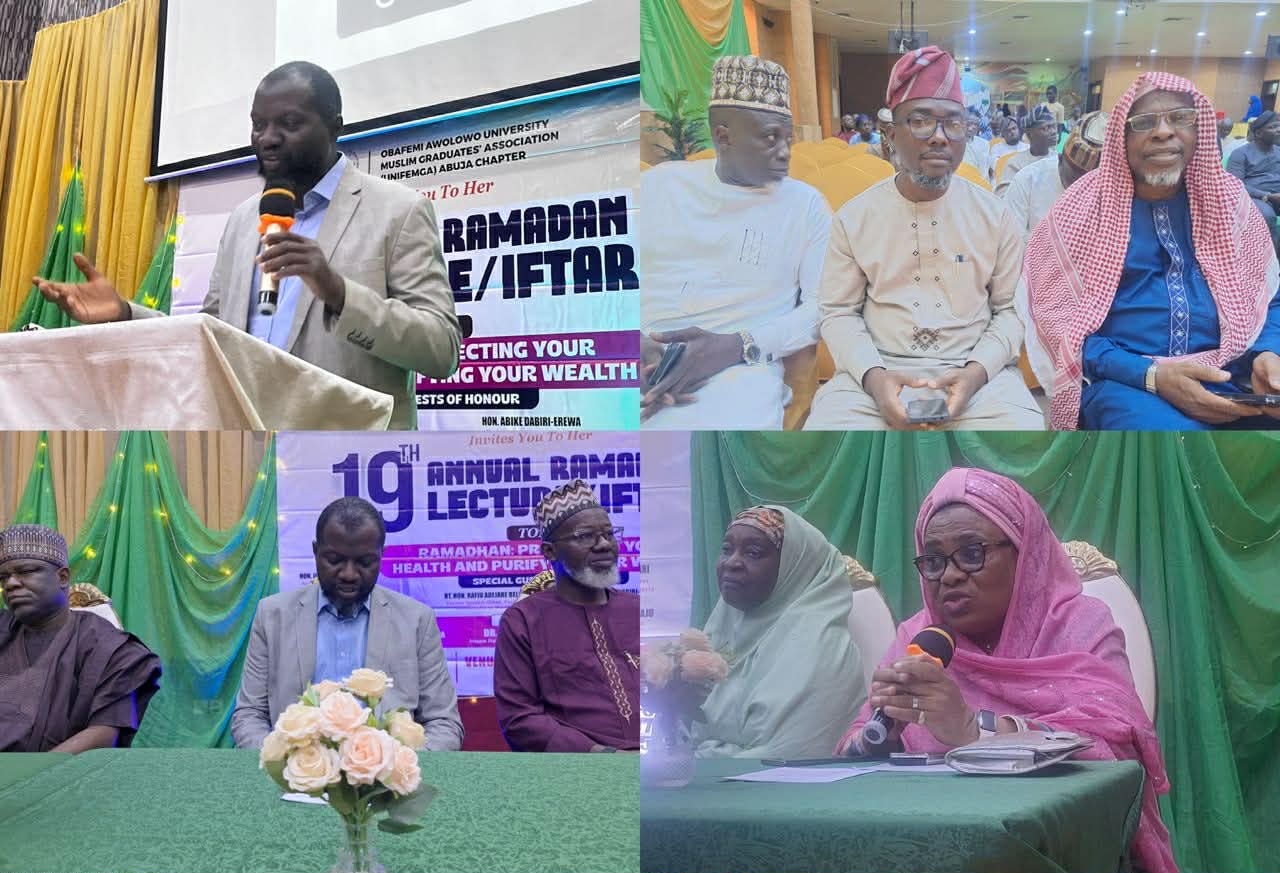
UNIFEMGA holds 19th annual Ramadan lecture in Abuja
Doctor alimi outlines links between intermittent fasting and disease control; members pledge support for permanent site project
By Abdullahi Yusuf
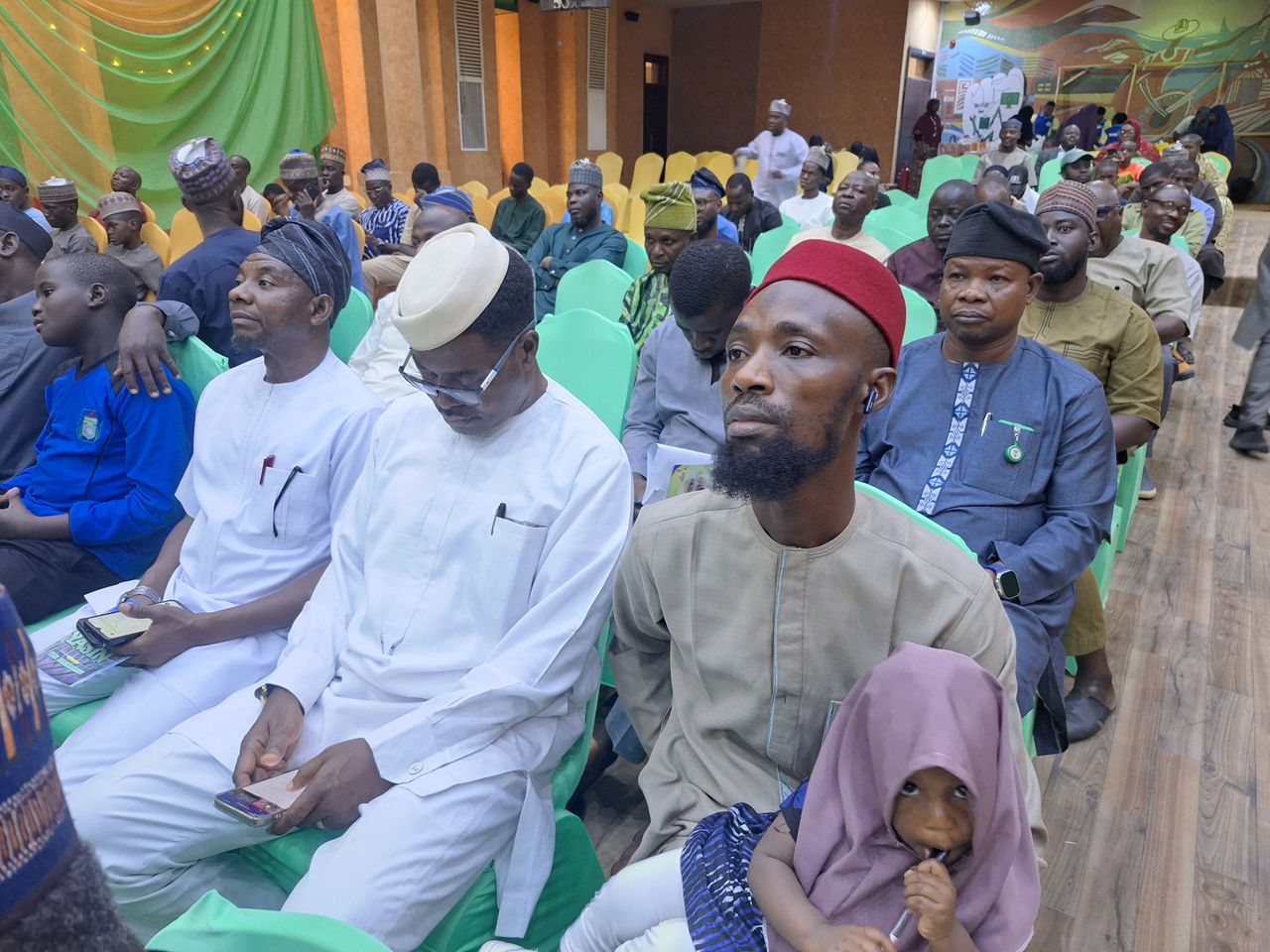
The Abuja chapter of the Obafemi Awolowo University Muslim Graduates’ Association (UNIFEMGA) held its 19th annual Ramadan lecture and iftar on Wednesday, with a medical expert highlighting the health benefits of fasting and religious leaders urging greater commitment to charitable giving.
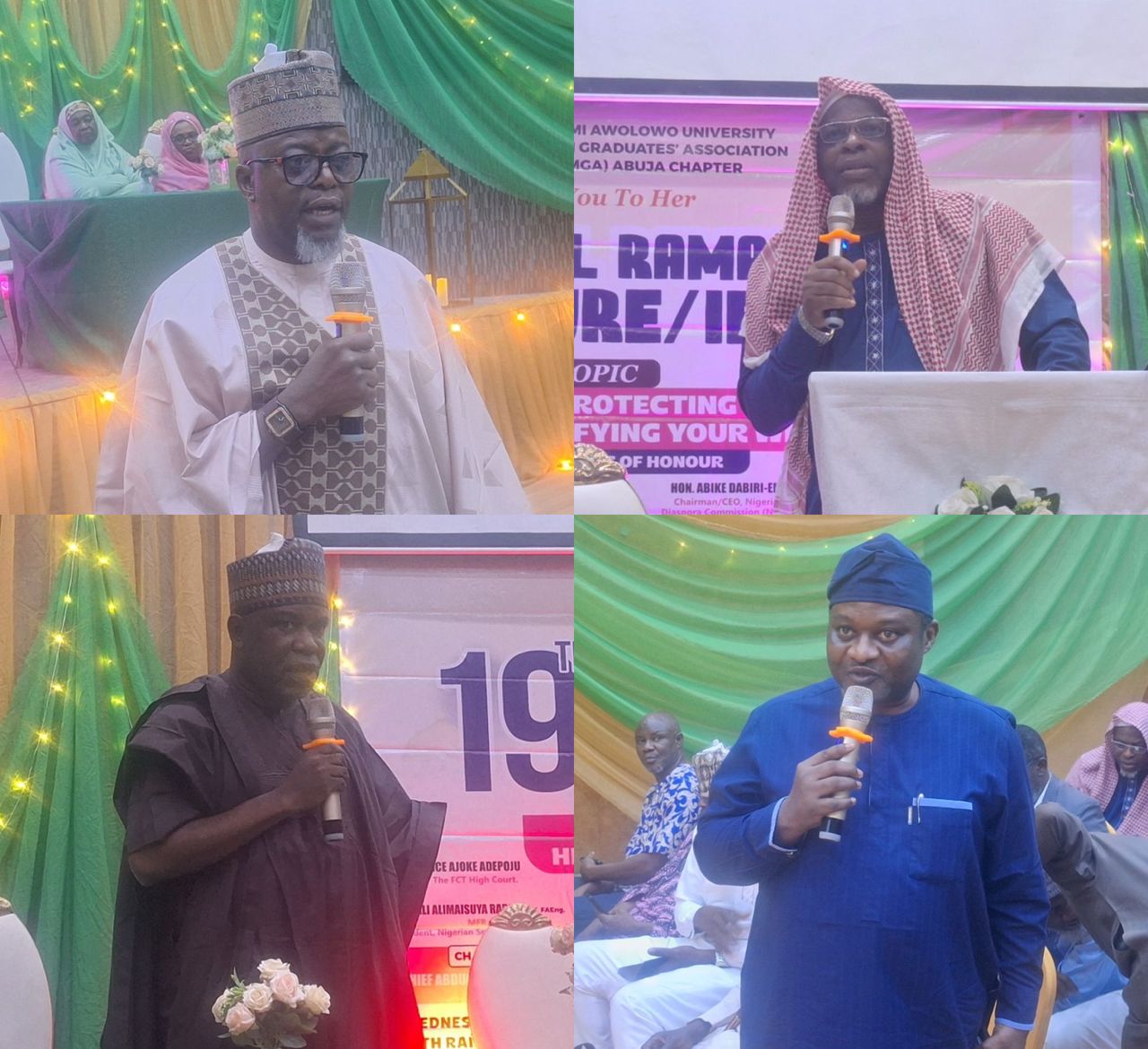
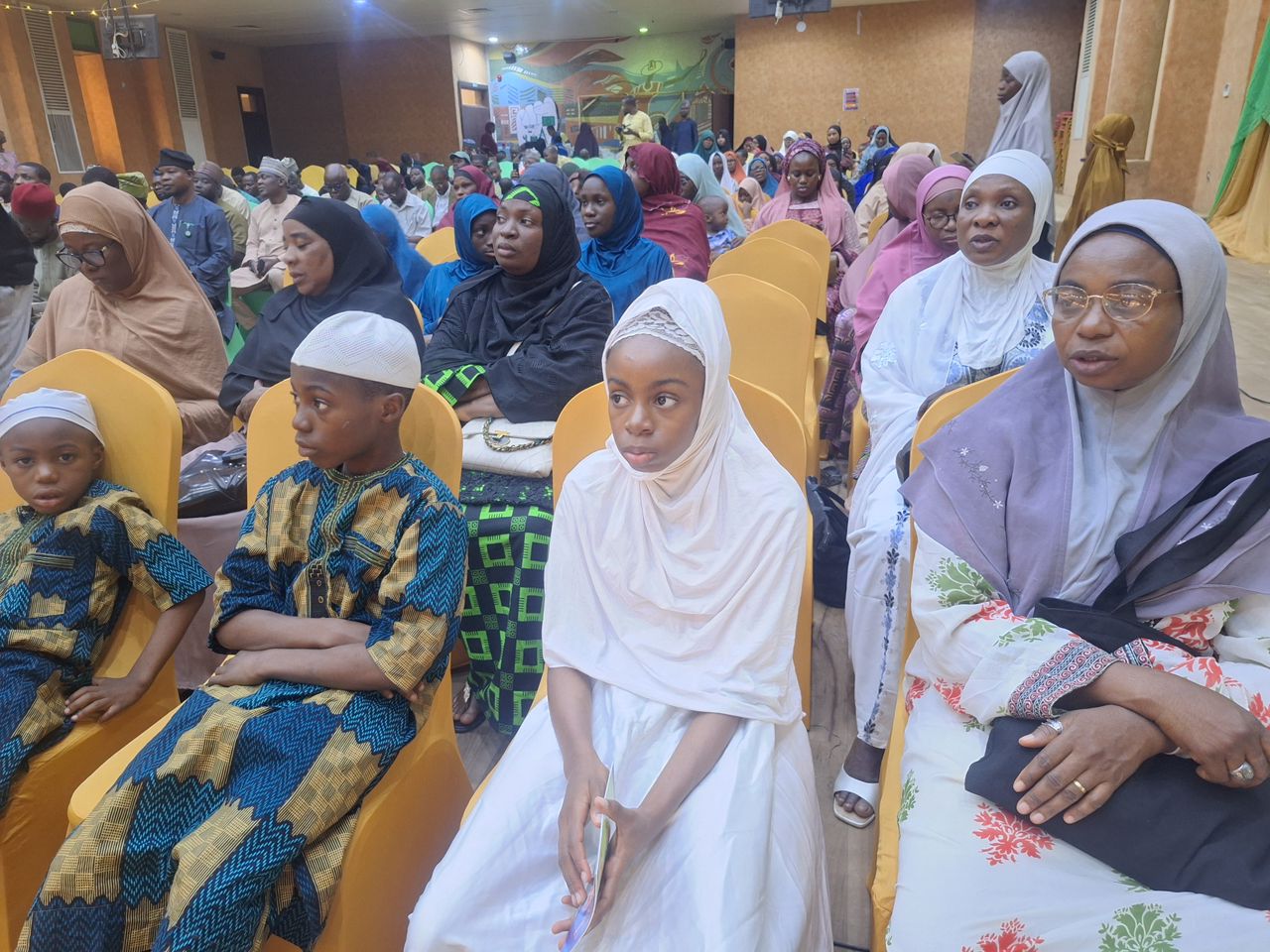
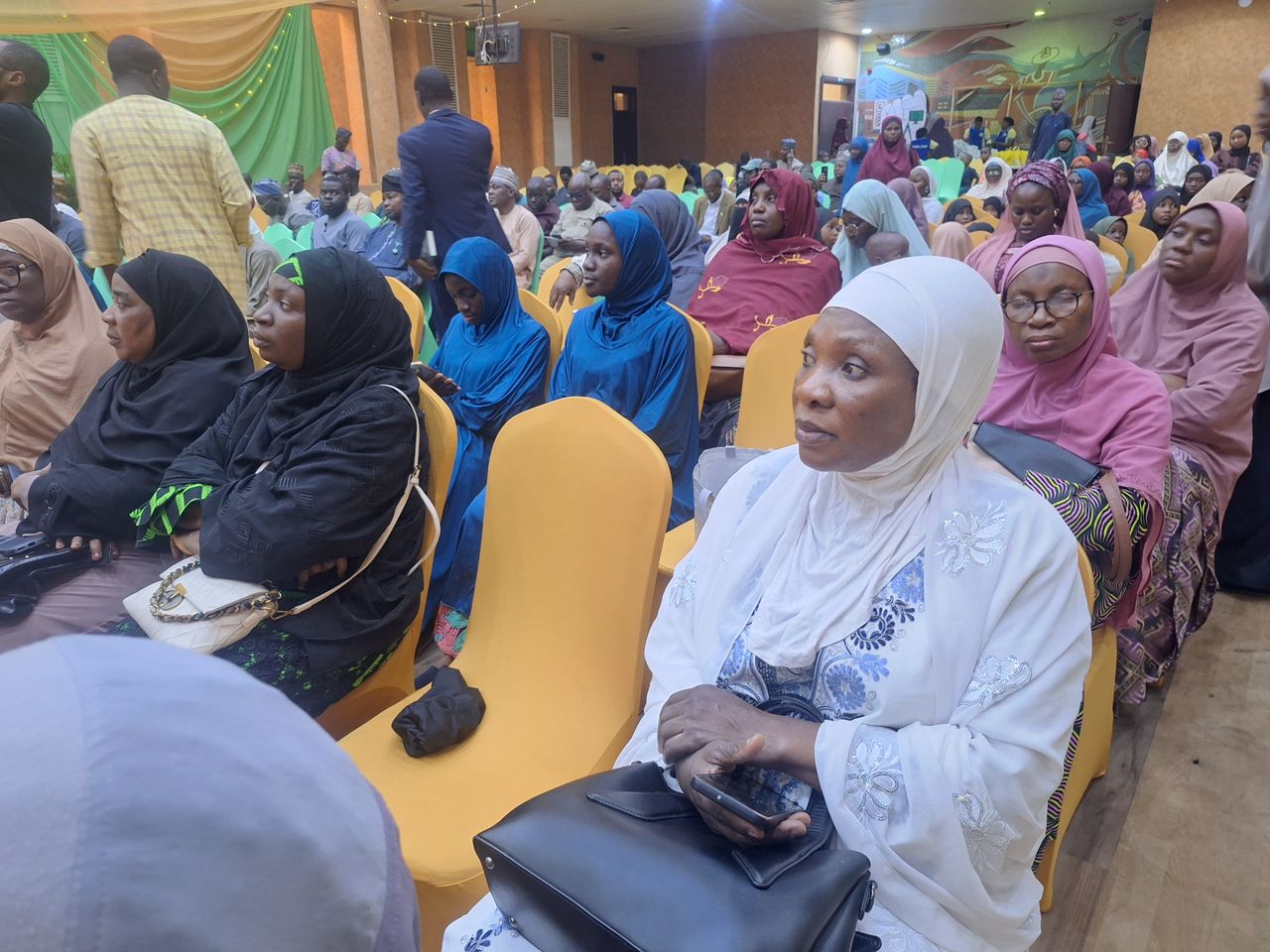
The event, held at the NSE Auditorium in Abuja, also featured a fundraising drive toward securing a permanent mosque site for the association.
Delivering a lecture titled “Protect Your Health and Purify Your Wealth,” Dr. Saheed Alimi of the National Hospital Abuja described Ramadan fasting as a structured form of intermittent fasting that aligns with the body’s natural circadian rhythm.
He said fasting during daylight hours, rather than at night meets established medical models of intermittent fasting and offers multiple health benefits.

“Ramadan fasting fulfils the criteria of intermittent fasting,” Alimi said, adding that it enables weight reduction without malnutrition and helps regulate blood pressure and blood sugar levels.
He said improved control of hypertension and diabetes could significantly reduce the risk of stroke, kidney disease and heart failure, noting that high blood pressure and diabetes remain leading causes of those conditions.

Alimi also cited research linking fasting to reduced inflammation associated with ailments such as arthritis and asthma. He said medically supervised fasting may improve metabolic function by prompting the body to switch from glucose to fat-derived ketones for energy after extended fasting periods of about 16 hours.
According to him, that metabolic shift can support cellular repair processes and may contribute to lowering the risk of certain chronic diseases.
He added that fasting has been shown to support brain function by enhancing neural connectivity, which may aid memory and recovery in some neurological conditions.

While emphasizing the health benefits, Alimi cautioned against excess and obesity, saying Islamic teachings encourage moderation in eating. He described Ramadan as a “training ground” that instills discipline which can be maintained throughout the year.
He encouraged voluntary fasting beyond Ramadan, particularly on Mondays and Thursdays, describing it as a sustainable way to maintain health gains.
On wealth purification, Alimi stressed the obligation of zakat, or almsgiving, calling it an essential pillar of Islam that purifies wealth and supports vulnerable members of society.
He urged Muslims to properly assess whether their savings meet the nisab, the minimum threshold for zakat eligibility, and to fulfill their obligations accordingly. He also encouraged increased charitable giving during Ramadan, citing traditions that describe heightened generosity during the holy month.
Beyond obligatory zakat, he highlighted sadaqah jariyah, ongoing charity and waqf, or endowments, as lasting forms of community investment that can fund mosques, schools and social welfare projects.
The program concluded with a fundraising appeal for the association’s proposed permanent mosque site in Abuja, with members pledging financial support for the project. The fund raising was anchored by Abdul Rahman Balogun (Arab). Guests included Justice Ajoke Safurat Adepoju and Hajiya Rabi Namtari, director of Great Heights School, Kado, among other community leaders.
SPONSORED

SPONSORED
