
Trump ‘misjudged’ Iran response as war costs surge, NYT reports
New York Times report outlines misjudgment of Iran’s retaliation as conflict drives energy market turmoil
By Abdullahi Yusuf
A report by the The New York Times says the administration of Donald Trump significantly miscalculated Iran’s response to the ongoing conflict with a US-Israeli coalition, as the economic and military costs of the war continue to escalate.
According to the newspaper, the White House expected only a brief disruption to global energy markets after the outbreak of hostilities on February 28. Officials believed oil prices would rise temporarily before stabilising — similar to a short conflict in June the previous year.
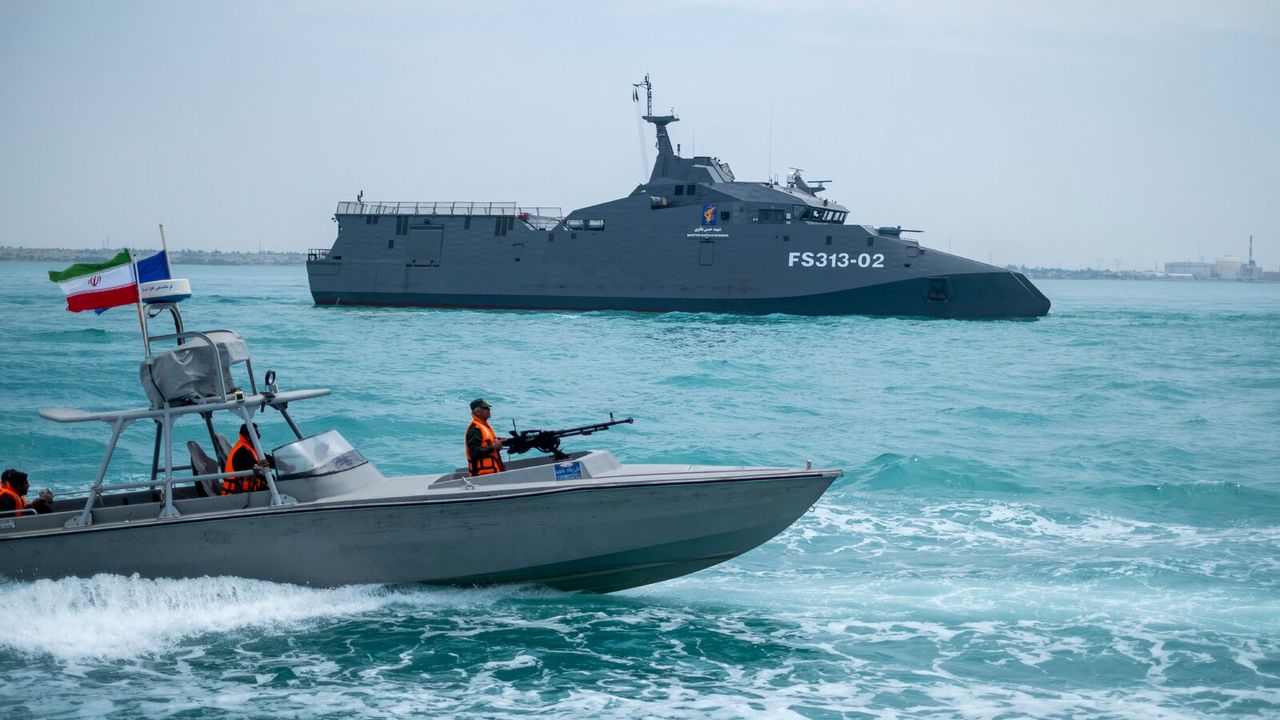
However, the report says those assumptions proved incorrect as Iran responded more forcefully than anticipated, including threats to close the strategic Strait of Hormuz — one of the world’s most critical oil transit routes.
The newspaper said commercial shipping through the narrow waterway has largely stalled, contributing to rising global oil prices and increasing fuel costs in the United States. The disruption has also forced the Trump administration to look for ways to contain the economic fallout.
“The episode is emblematic of how much Mr Trump and his advisers misjudged how Iran would respond to a conflict that the government in Tehran sees as an existential threat,” the report said.
Iran has responded with missile and drone attacks targeting Israeli sites and US-linked military facilities across the Persian Gulf region, according to the analysis.
Following a closed-door briefing to lawmakers, US Senator Chris Murphy said administration officials had not presented a clear strategy for reopening the Strait of Hormuz.
Posting on social media, Murphy said the administration did “not know how to get it safely back open”.
The report also said some officials inside the administration are increasingly pessimistic about the absence of a clear end strategy for the war, although they have reportedly avoided expressing those concerns directly to the president, who has repeatedly described the campaign as successful.
At a Pentagon briefing, US defence secretary Pete Hegseth acknowledged that Iran’s scale of retaliation had surprised military planners.
“I can’t say that we anticipated necessarily that’s exactly how they would react, but we knew it was a possibility,” Hegseth said.
In a separate interview with Fox News, Trump expressed frustration over the disruption to global oil supplies and urged tanker crews to continue sailing through the Strait of Hormuz.
“Show some guts,” he said, calling on commercial vessels to maintain operations despite rising security risks.
The report also described confusion in energy markets after US Energy Secretary Chris Wright posted on social media claiming that the US Navy had successfully escorted an oil tanker through the strait.
The message initially reassured markets and boosted energy stocks, but was later deleted after officials clarified that no such escort had taken place, triggering renewed volatility.
Meanwhile, the financial cost of the conflict is rapidly increasing. Pentagon officials told lawmakers in private briefings that the US military used approximately $5.6bn worth of munitions in the first two days of fighting alone, according to congressional officials cited by the newspaper.
The figure is significantly higher than previously disclosed publicly and highlights the pace at which military resources are being consumed.
The report said discussions about potential paths out of the conflict have intensified in recent days as oil prices continue to climb and global markets react nervously to the risk of a broader regional war.
SPONSORED

SPONSORED
