
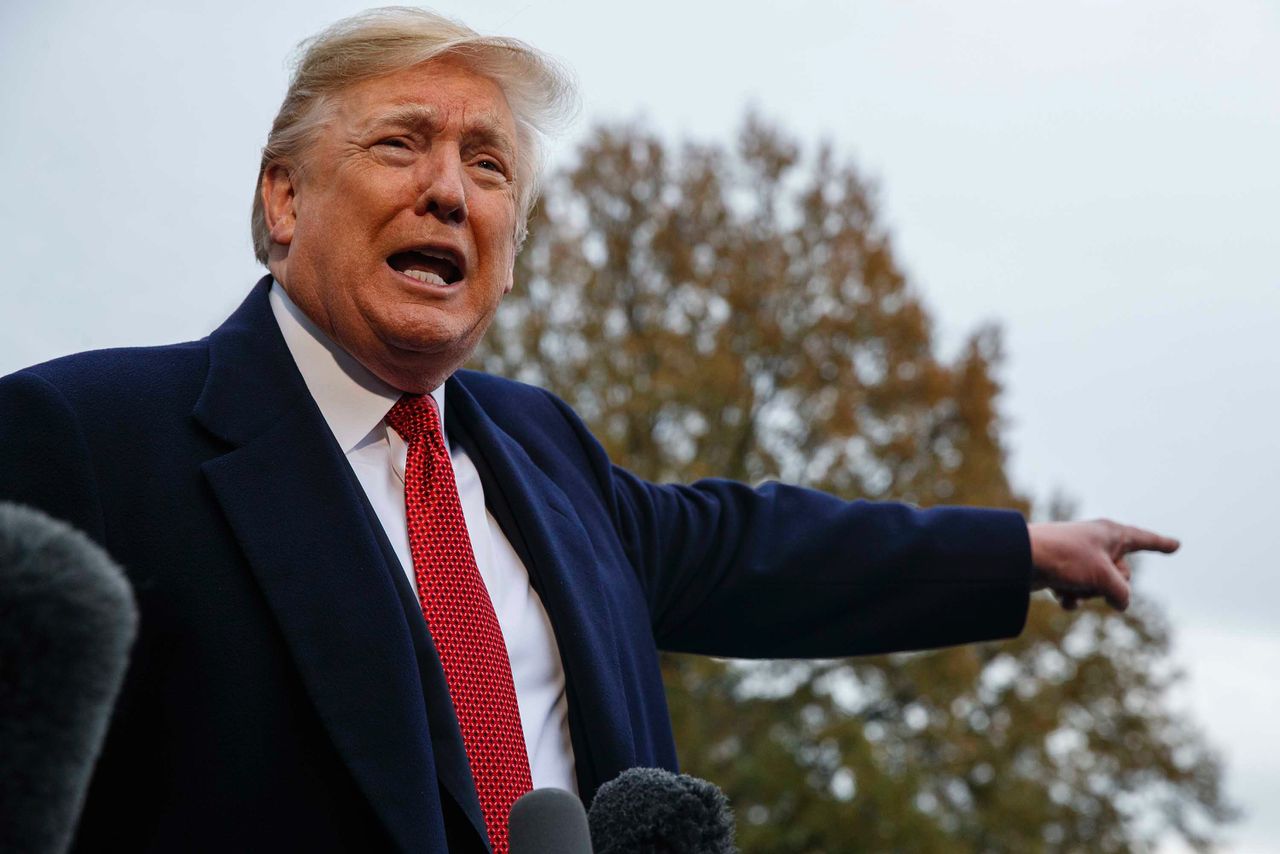
Trump begs UK, France and others to help him fight Iran
After failing to force open the Strait, US president calls on UK, France, China and others to help secure vital oil shipping lane as conflict with Iran pushes global energy markets into turmoil
By Abdullahi Yusuf
US President Donald Trump has urged the United Kingdom and other major economies to deploy warships to the Strait of Hormuz in a bid to safeguard one of the world’s most important oil shipping routes amid escalating tensions with Iran.
Posting on his Truth Social platform, Trump said he hoped countries including the UK, China, France, Japan and South Korea would send naval vessels to the strategic waterway to ensure that commercial shipping can continue safely through the region.
The appeal comes as fighting linked to the US-Israeli military campaign against Iran enters its second week, with reports of repeated attacks on tankers and energy infrastructure across the Gulf.
The Strait of Hormuz, through which roughly one-fifth of global oil supplies typically pass, has become a focal point of the conflict. Tehran has warned it may continue blocking the route in response to the attacks on Iranian targets, raising fears of severe disruption to global energy markets.
Iranian officials say strikes on shipping and energy infrastructure are part of their response to the US-Israeli campaign. Oil prices have surged in recent days as markets react to the risk that the narrow channel could be closed for an extended period.
In his message, Trump said that although the United States believed much of Iran’s military capability had been destroyed, the country still retained the ability to threaten shipping.
“Hopefully China, France, Japan, South Korea, the UK and others that are affected by this artificial constraint will send ships to the area so that the Hormuz Strait will no longer be a threat,” he wrote.
He added that the US would continue military operations in the area to ensure the passage remains open, including strikes on Iranian naval assets if necessary.
Trump repeated the call later on Saturday, urging “countries of the world that receive oil through the Hormuz Strait” to join a multinational effort to secure the waterway. He said Washington would provide support to any nations willing to participate.
The request marks a shift in tone from earlier remarks by the president suggesting the United States did not require additional military assistance from allies.
Last week, Trump criticised UK Prime Minister Keir Starmer, saying Britain had been reluctant to support the initial US-Israeli strikes on Iran and describing the British leader as “no Winston Churchill”.
The United Kingdom had initially declined to allow US forces to use British bases for the operation. However, Downing Street later approved what it described as defensive action involving US aircraft operating from RAF Fairford in Gloucestershire and from the British-US facility at Diego Garcia in the Indian Ocean.
Britain has also increased its military presence in the region following drone attacks near its installations. The Royal Navy destroyer HMS Dragon is expected to bolster security around RAF Akrotiri in Cyprus.
In a statement responding to Trump’s latest appeal, the UK Ministry of Defence said it was discussing “a range of options” with allies to ensure the safety of shipping in the region.
However, political pressure is mounting in Britain over the possibility of deeper involvement in the conflict.
Liberal Democrat leader Ed Davey said the government should not deploy British naval forces simply at Washington’s request and urged that any decision be taken in the national interest and approved by Parliament.
Meanwhile, Emmanuel Macron has previously indicated France could participate in naval operations in the Gulf, though he suggested any deployment would likely focus on escorting commercial vessels once the most intense phase of fighting had subsided.
The escalating confrontation has already disrupted maritime traffic in the Gulf. According to the UK Maritime Trade Operations, at least 16 ships have reported attacks in or around the Strait of Hormuz since hostilities began in late February.
With tensions still rising and both sides exchanging threats, analysts warn that a prolonged disruption to the shipping lane could have far-reaching consequences for global energy supplies and international trade.
SPONSORED

SPONSORED
