

Salat (The Prayer in Islam)
By Abdullahi Yusuf
Virtues of Salat; Have Salat (the Prayer in Islam) been your routine? Salat is indeed a pillar of Islam. It is significantly important and in addition to that, it has holistic virtues and benefits for our good. Here are some virtues of Salat that we should know.
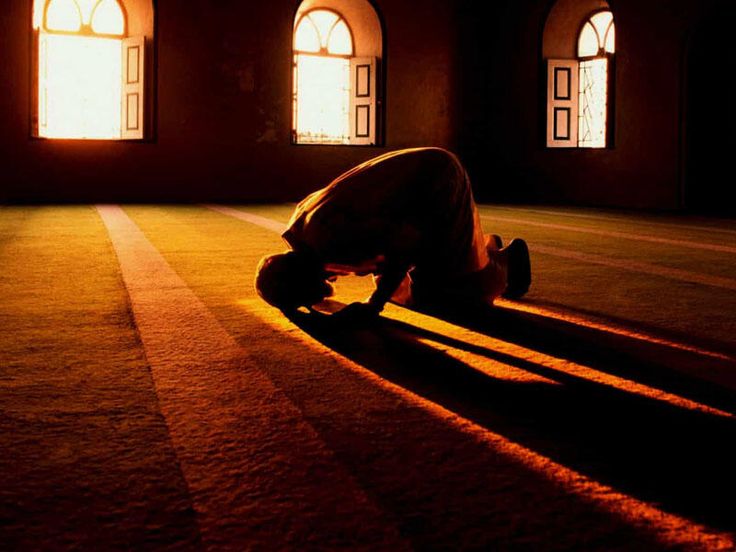
Salat
To Muslim men and women, the idea of Salat or Salah (the Islamic Prayer) can be appealing or it can be a burden. Some look forward to the peace that Solat brings while others wish to know more about the importance and effectiveness of Solat.
Regardless, the next time Salat is commanded, one should always consider how Salat was made compulsory. The Prophet s.a.w. had travelled on a particular night in a journey called Isra’. He then ascended to the seven heavens and beyond to meet Allah s.w.t. where the process of decreeing Salat took place on that very same night. This was the Mi’raj.
Initially, Muslims were supposed to pray 50 prayers (Salat) every day if the Prophet s.a.w. had not gone out of his way to lower the number to five that night, and he did so with careful consideration of his people – Us. Allah s.w.t. says in a Hadith Qudsi: “Whoever does one good deed will have (the reward of) ten like it and more” (Sahih Muslim)
In other words, when we pray the five daily prayers, the rewards are equal to that of 50 prayers. That, as amazing as it is, is not what Salat is entirely all about. To compile all the benefits and virtues of Salat would need a longer article. The following are a few virtues about the significance of Salat that one can think about the next time the prayer is called.
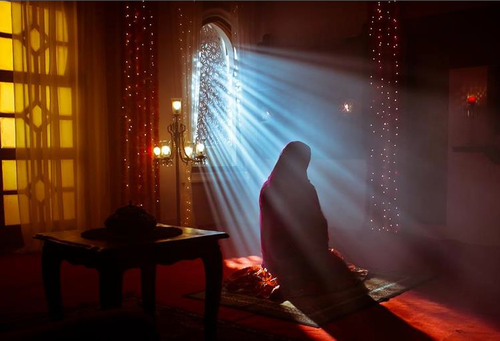
Salat is of Great Importance
To say Salat is important is a huge understatement. The status of Salat in Islam is such a key part of a Muslim’s life- so much so that one can never be separated from Salat. It is among the 5 pillars of Islam. In other words, it is as integral as part of our religious identity.
The second pillar of Islam is a foundation much needed (if not the foundation needed) for each Muslim to grow and succeed. When a person performs Solat, the faith is further strengthened. It is the first deed that will be asked on the Day of Judgement.
It has also been reported in multiple narrations from the likes of Imam Abu Daud, Imam An-Nasai and more that the Prophet s.a.w. emphasised on Solat at his deathbed when the throes of death were upon him. Such is the importance of Solat that the Prophet s.a.w. prioritised it to be one of his last words
Salat Helps Prevent Indecency and Wickedness
For some, it may seem that this obligation is only for Allah s.w.t. and the Prophet s.a.w, as though it is they who benefit from such a decree. Allah s.w.t. does not need nor does he benefit from our Salat. Little do we realise that the Salat is supposed to help the believer. Allah s.w.t. says in the Quran: “Recite what has been revealed to you of the Book and establish prayer. Indeed, prayer should deter (the doer) from indecency and wickedness.” (Surah Al-Ankabut, 29:45)
The Salat that one does acts as a ward from committing sins and bad deeds. Here, the quality and sincerity of Salat play a major role in how effective it can be in preventing a person from doing any bad deeds. One might argue that Salat is a separate act by itself and in no way can it prevent anything. One then should think of the effects of Salat which when done properly, should increase the faith and conscience of a person when confronting sin.
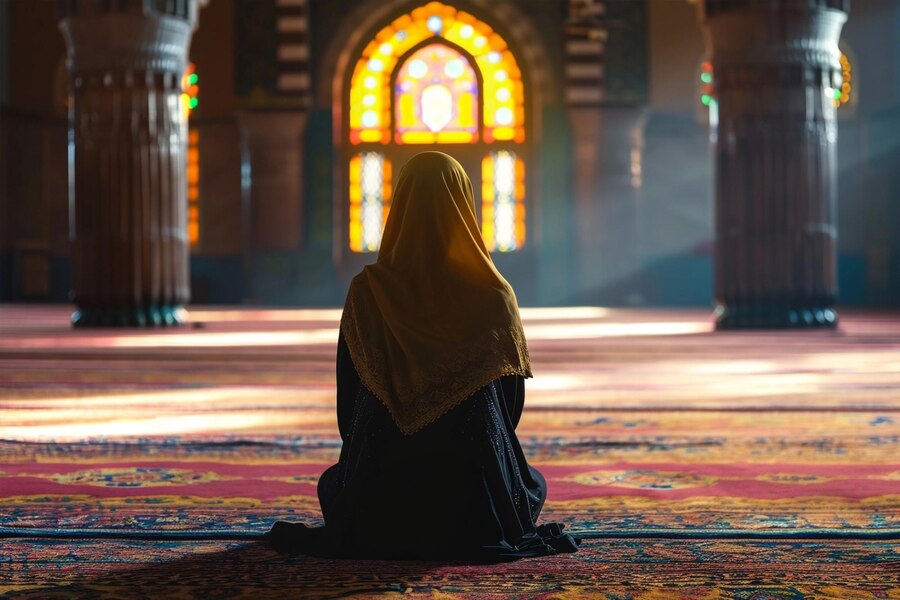
Salat Leads to The Erasure of Sins
The spiritual self is cleansed from minor sins, elevating the person to rise further in doing good deeds. Abu Hurairah r.a. reported “I heard the Messenger of Allah s.a.w saying; “Say, if there was a river at your doorstep in which you take a bath five times a day, would any dirt remain?”
The companions replied, “No dirt would be left on the person.”
The Prophet s.a.w. then said: “That is the five (obligatory) Salat (prayers). Allah obliterates all sins as a result of performing them.” (Muttafaqun ‘Alayh)
The Prophet’s analogy is highly relatable. Water is essential for cleaning the body while Salat is essential for cleansing the soul. The way you bathe also makes a difference in how clean you are, and the same concept applies to Salat.
When Salat is performed with honest intent and committed focus, Allah will erase past sins and will raise the status of the person further. This is the foundation of a Muslim. There will be times when the person could make a mistake here and there. However, given the foundation that he or she has, it is easier to come back to the right path and rise back up again, ‘wash’ away from the mistakes and continue the journey forward.
Salat Is Part of The Solution to Any Problems
Allah mentions in the Quran: “And seek help through patience and prayer. Indeed, it is a burden except for the humble.” (Surah Al-Baqarah, 2:45)
The literal translation for Salat is prayer or supplication. When Muslims pray five times a day, they are made to supplicate and ask Allah while acknowledging His supremacy. A Muslim will ensure that his day is planned around Salat and none is missed or delayed without reason. When he or she does Salat, it is to ask from Allah and to glorify Him.
There are just so many things on one person’s plate that divine aid and intervention are always needed. As human beings are vulnerable and susceptible to failure and malady, the verse earlier becomes a principle to hold on to and live by. Allah asks the believer to seek help through patience and prayer and these are the keys to attaining help to any problem.
Admittedly, giving the best during Salat consistently could also be challenging. A Muslim continues to try and will never give up. He or she puts trust in Allah and knows that Allah will fulfil His promise when the servant asks sincerely from Him. Thus, Salat becomes the solution to every problem, even if it may not come in the form of what we desire but it will surely be what we need.
Salat Leads To Bountiful Rewards
In addition to preventing bad deeds, erasure of sins and being a source of solutions, Salat also promises the believer rewards so wonderful that anybody who knows of its essence will never let it go. The Prophet s.a.w. said: “Were people to know the blessing of the call to prayer (azan) and standing in the first row (of congregational prayer), they would draw lots to secure these privileges. And were they to realise the reward of performing Salat early, they would race for it; and were they to know the merits of Solat after night prayer (Isya’) and the morning prayer (Subuh), they would attend to both even if they had to crawl.” (Muttafaqun ‘Alayh)
In the hadith, rewards that are simply unfathomable are reserved for those who arrive early for Salat and for those who attend the night and dawn prayer. These are perfectly achievable rewards. It cannot be denied that there is a degree of difficulty in never missing such rewards. However, one cannot say it is a daunting task to perform them. The rewards the hadith promises are something that every Muslim can strive towards.

Salat is a Means To Attain Allah’s Love and Become Closer To Him
When an individual does Salat, he gets closer to Allah by doing what is necessary and Allah bestows His love upon the individual. This is reflected in a Hadith Qudsi where Allah says: “And the most beloved thing with which My servant comes nearer to Me is what I have enjoined upon him (obligatory acts – Fardhu); and My servant keeps on coming closer to Me through performing the Nawafil (supererogatory acts – Sunnah) till I love him.” (Sahih Al-Bukhari)
Hence, Salat is the medium that connects the servant to his Lord. A Muslim will feel uneasy if Salat has not been performed. When Allah loves a person, He bestows His favour upon that person. When Allah loves a family, no doubt good tidings will descend upon the family. When Allah loves a community or a society, the people will prosper and flourish.
Salat in Congregation is a Communal Affair
The significance and virtues of Salat are truly many. The Salat we know as the pillar of Islam should not be seen as merely an obligation but an opportunity to reap blessings in this world and the hereafter.
Even from the societal aspect, Salat stands out as a communal affair to bring everybody together. This can be seen in the congregation for the obligatory five daily prayers, the obligatory weekly Friday prayers and during the two major annual celebrations for a Muslim, the two Sunnah Salat of Hari Raya Aidilfitri and Hari Raya Aidiladha.
The Prophet s.a.w. mentions in a hadith that praying in a congregation is 27 times better than praying alone. This proves that while an individual can succeed alone by doing prayers, Islam enjoins that the people succeed as one and Salat becomes the beacon to rise further. “Prayer in congregation is better than prayer alone by twenty-seven degrees” (Muttafaqun ‘Alayh)
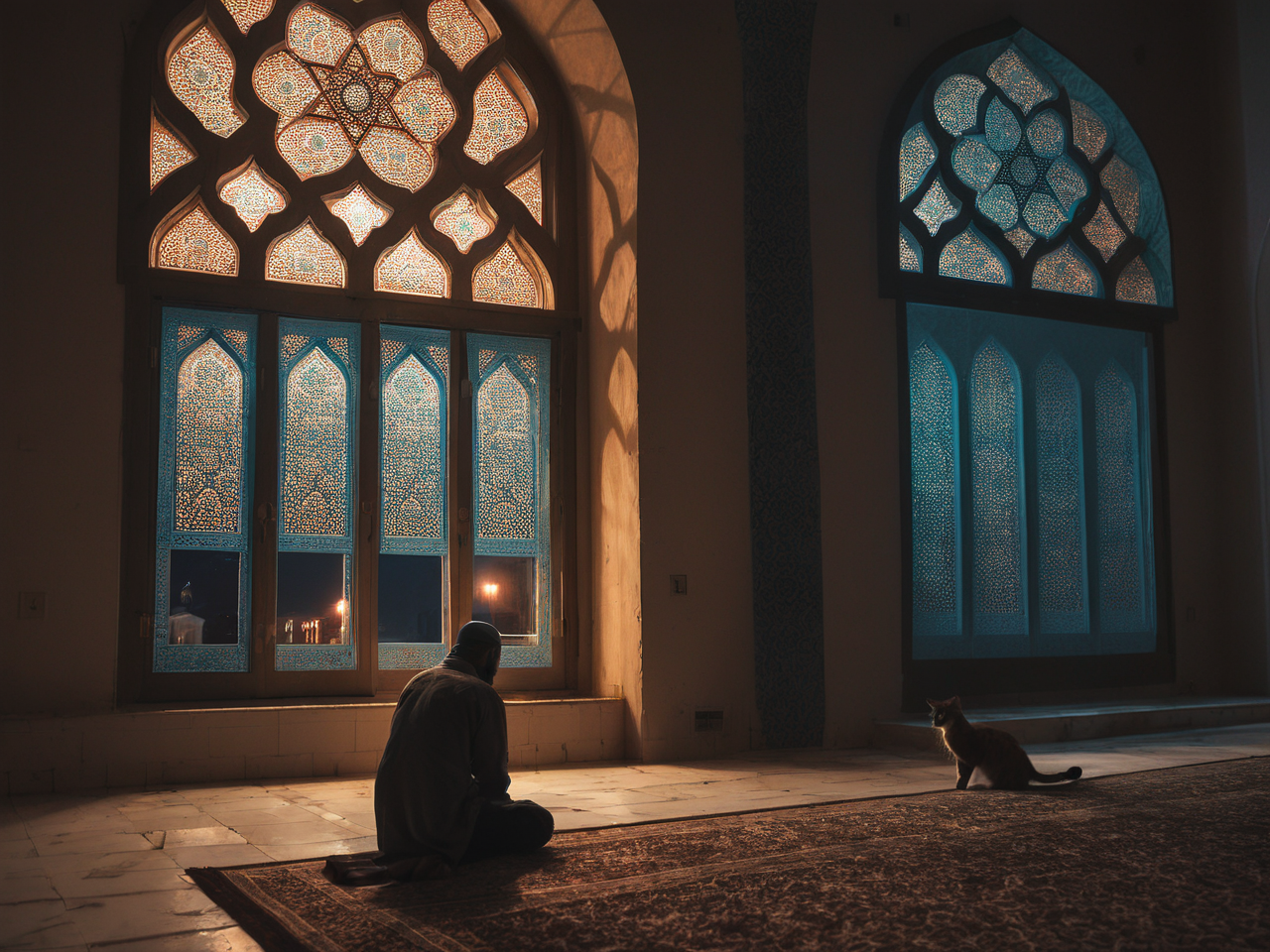
The family institution is one that Islam highly prioritises. Families make up communities which make up the Ummah. If Salat is observed correctly by the individual and then practised together by the family and further preserved by the community, this will no doubt create a shift in the people. One can only envision the effect Salat has on society when the virtues of Salat are blessed upon all. These are virtues and significance that Salat may bring. These all started from the Prophet’s journey on the night of Mi’raj where he went out of his way to lower the units of prayer from fifty to five. The next time the call to Salat is announced, let us reflect upon these virtues.
SPONSORED

SPONSORED
