
Sahad Stores: The Name That Almost Wasn’t
Peace Magazine traces how Ibrahim Mijinyawa turned a messenger’s savings and a wooden kiosk into one of Nigeria’s most recognisable supermarket chains.
What began as “Fahad” became “Sahad” in the heat of the Gulf War and a radio blunder turned it into a household name
By Abdullahi Yusuf
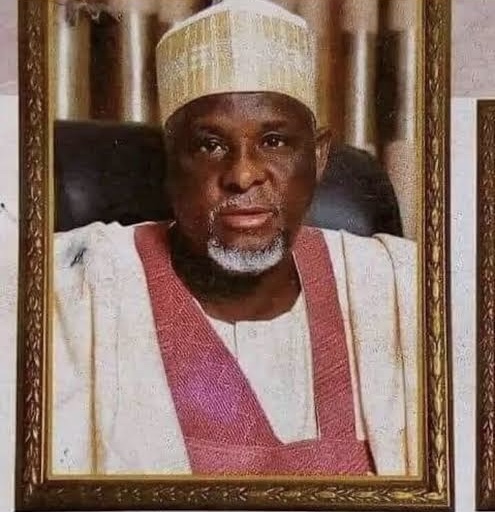
Few names in Nigeria’s retail landscape evoke as much familiarity as Sahad. For millions of families, it is where weekend shopping baskets are filled and where price tags set the benchmark for competitors. Yet behind the sprawling outlets lies a man whose beginnings were as humble as they come, a boy raised by his grandmother in Mandawari, Kano, who once saved coins in a hidden pocket while working as a messenger.
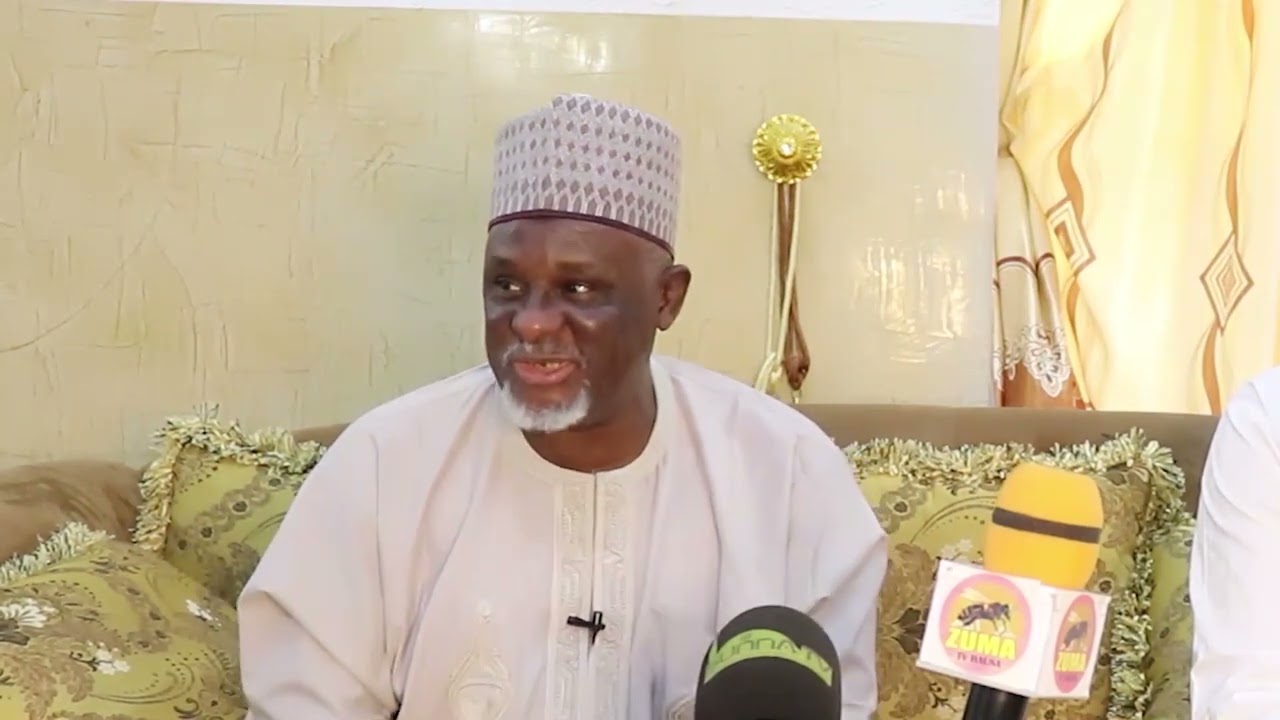
PEACE Magazine gathered additional details of this extraordinary journey from an exclusive interview Alhaji Ibrahim Mijinyawa granted Kaftan TV’s Sirrin Nasarar Kasuwa, supplemented by conversations with traders who remember his early days at Kantin Kwari and buyers who still swear by the Sahad pricing model. Together, they paint a portrait too rich to fit into a single sitting, as even the man himself admitted: “My story is too many to recount at once.”
In the bustling Mandawari quarters of old Kano, a grandmother once raised a boy with nothing but grit and a stubborn refusal to let poverty dictate his destiny. That boy, Ibrahim Mijinyawa, would grow up to build Sahad Stores, a name that today towers like a colossus across northern Nigeria’s retail landscape.
“I began my journey as a messenger in a company, earning between £7 and £10 a month,” Mijinyawa recalled in a recent interview with Kaftan TV’s Sirrin Nasarar Kasuwa. “I worked there for nine months, carefully saving a few pounds. Once I had enough, I left and started selling clothes.”
It was an unglamorous beginning. With a bicycle for transport and remnants of fabric for trade, he pedaled between Tashar Kuka and Tashar Nasarawa, sometimes going three days without a single sale. But from those early disappointments grew a hunger, a discipline, and a vision that would set him apart.
Born after years of his parents’ childlessness, and soon after separated from his father, young Ibrahim was raised by his grandmother, Mari Mai Koko, a revered figure in Mandawari. She not only gave him a roof but imbued him with values that would shape his life.
 He did not attend school at first. “I had no Islamic or Western education in my early years,” he admitted. Yet later, shamed by the gaps in his knowledge, he enrolled himself in a boarding school alongside much younger pupils and later in an evening school run by Igbo teachers. It was a late start, but proof that he would never let excuses chain him down.
In the 1970s Kano, wooden kiosks were the domain of lemon juice sellers and kunun zaki hawkers. To imagine one as a fabric shop was absurd. But absurdity has often been the birthplace of genius. Mijinyawa built a kiosk to sell fabrics, betting that visibility and accessibility would tilt customers his way. The bet paid off.
From the kiosk, he graduated to Kantin Kwari Market, and when political upheavals forced traders to relocate, he cashed out, reinvested, and pivoted. He began importing English lace, women’s wax, and premium fabrics, commodities no one else in Kano dared to touch.
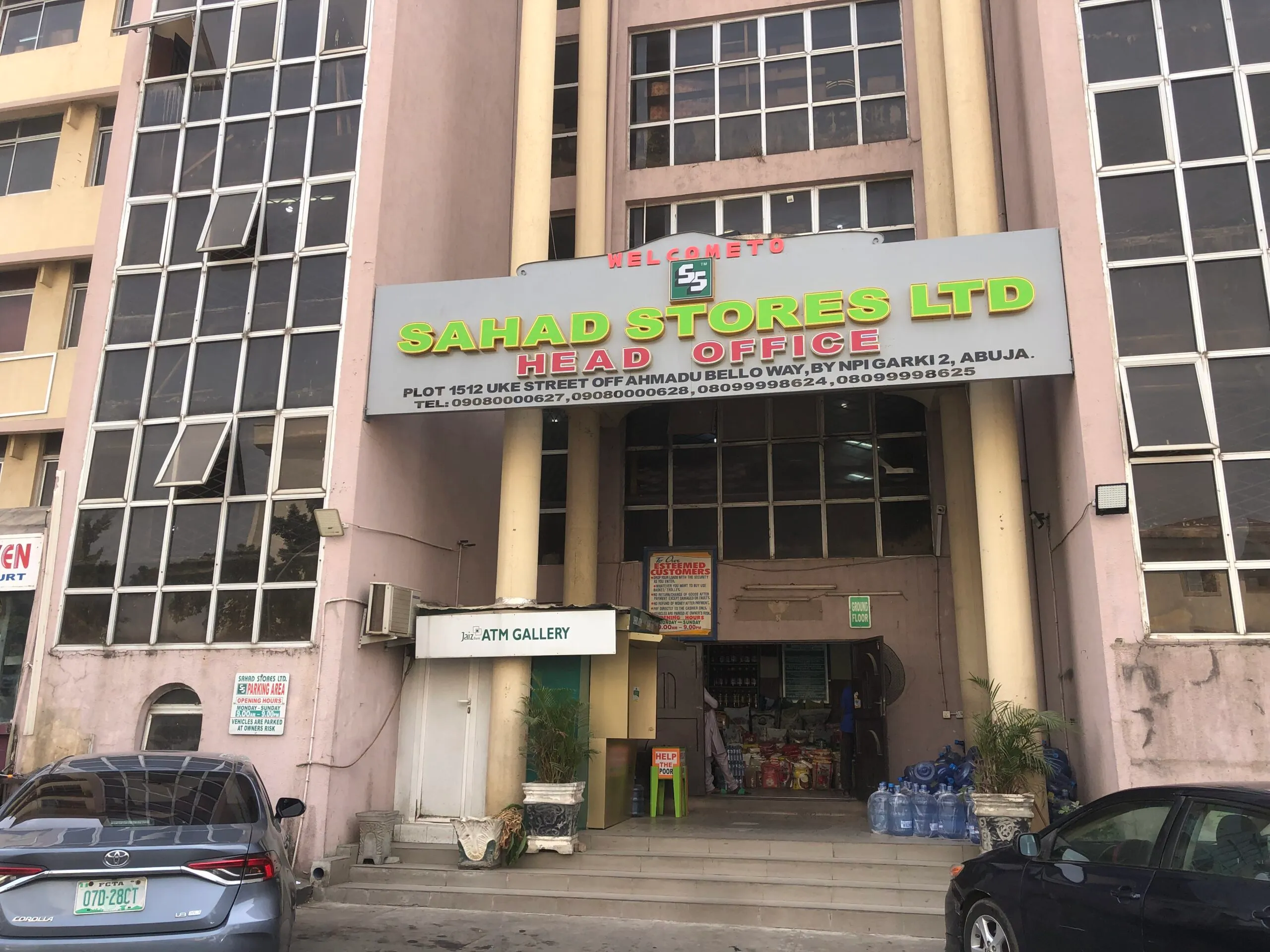
The store’s name ‘Sahad’ itself carries a history steeped in conflict and serendipity. Originally christened Fahad, it was during the Gulf War, when Nigeria backed one of the warring sides, that advisors urged him to change the name to avoid political fallout.
“I couldn’t afford a new signboard,” he said. “So, I experimented. I removed the ‘F’ and tried letters until ‘Sahad’ felt right. By God’s grace, it clicked.”
Radio stations misreported it as “Saddam,” inadvertently amplifying the brand. By the time the truth was clear, Sahad had become a household name.
Nigerian politics has long been a graveyard for businesses, but Mijinyawa proved adaptable. Shagari-era customs crackdowns, Buhari’s demolition orders, shifting governors, each threatened his enterprise. But each time, he relocated, rebuilt, and reinvested.
His strategy was simple but radical: never extend credit, but always undercut the market slightly. If others sold at N1,000, he sold at N950. Customers came, stayed, and multiplied.
Unlike many tycoons, Mijinyawa insists that his legacy is not retail dominance but service. He built hospitals, schools, and mosques, not for profit, but, as he says, “for reward, so that even after I’m gone, the blessings will continue.” His children, some of them doctors, now help run these ventures.
Though he speaks little English and never pursued higher education, he boasts something few Nigerian billionaires can claim: footprints in nearly every country on earth.
“There is no country in the world that I have not visited,” he said. “And I didn’t just pass through. I conducted business in each one.”
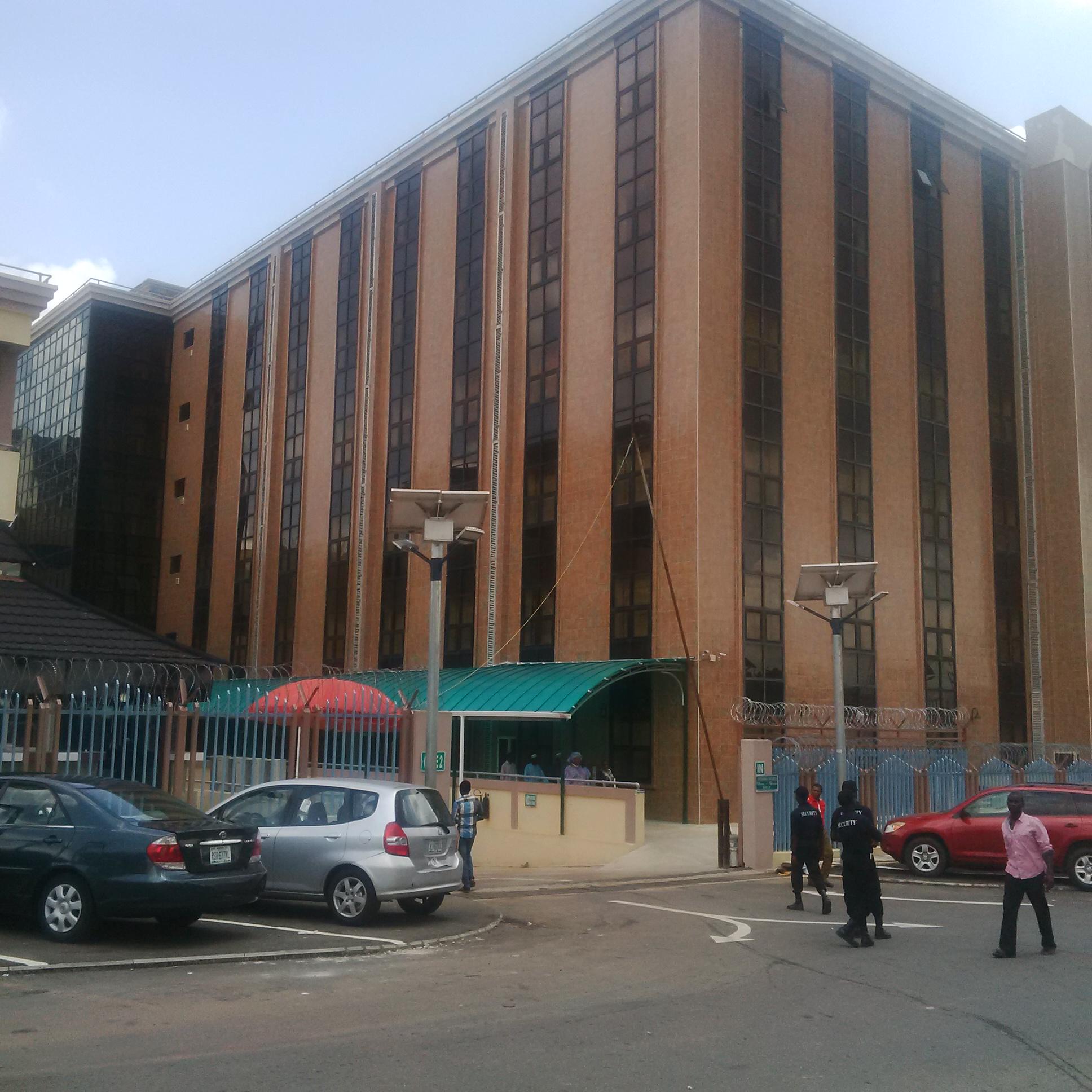
Today, Sahad Stores thrives in Abuja, Kano, Jigawa, Minna, Maiduguri, and Bauchi, with new outlets rising. But behind the glimmer of glass doors and stacked aisles remains the memory of a boy raised by a grandmother, who once hid coins in a secret pouch to buy fabric remnants.
This feature is based on an interview with Kaftan TV’s Sirrin Nasarar Kasuwa, monitored by PEACE Magazine and additional reporting.
SPONSORED

SPONSORED
