

Nigeria’s Islamic Finance “Held Back by Public Ignorance”
The experts noted that despite strong policy support and growing investor interest, Nigeria’s Islamic finance ecosystem still suffers from low public understanding, particularly around Sukuk, Takaful and Islamic banking products. They stressed that misinformation and lack of structured outreach continue to hinder adoption.
Panelists argued that Nigeria’s corporate sector is yet to fully embrace Islamic financing instruments, leaving government issuances to dominate the market. They urged private companies to explore Sukuk for infrastructure, expansion financing and long-term capital needs.
By Abdullahi Yusuf
The second day of the ongoing Islamic finance programme convened industry scholars, regulators and practitioners who warned that Nigeria’s non-interest financial sector will continue to lag unless government, corporations and legal professionals accelerate reforms, improve awareness and expand product offerings beyond the narrow models currently in use.

The session, chaired by Sheikh Prof. Abdurrazaq Abdulmajeed Alaro, MNI, gathered panelists Prof. Ahmadu Bello Dogarawa, Mallam Attahiru Maccido, and Hajia Ummahani Ahmad Amin, who each dissected the structural gaps holding back Islamic banking, corporate sukuk issuance and the legal ecosystem required to sustain the market.
Panelist Mallam Attahiru Maccido revealed that large institutional investors already hold significant Sharia-compliant funds but lack suitable instruments to invest in. He said major Nigerian corporations such as cement and sugar manufacturers regularly issue commercial papers, yet have not explored sukuk options simply due to “lack of awareness”.

He argued that sukuk has consistently attracted wide investor interest, noting that more than 70 percent of global sukuk buyers are conventional institutions seeking secure, risk-aligned instruments. He called for a coordinated approach led by the Securities and Exchange Commission to persuade major corporations to “test-run” corporate sukuk issuance in Nigeria.
Maccido added that federal sukuk should expand beyond road construction, pointing to examples in Malaysia and the UAE where sukuk funded airports, rail systems, schools and even aircraft acquisition. “Nigeria must begin to diversify its sukuk use into hospitals, universities and housing,” he said.

Responding to concerns on public skepticism toward Islamic financial products, Prof. Ahmadu Bello Dogarawa said Nigeria’s Islamic finance operators are “not doing enough” to educate customers, investors and even their own staff.
He described a significant knowledge deficit among scholars, bank employees, and the general public, noting that many Nigerians remain unfamiliar with key concepts such as murabaha, ijara or mudarabahleading to confusion about how non-interest financial transactions differ from conventional banking.

Dogarawa stressed that without improved sensitization, investor mobilization will remain weak, adding that inadequate staff training within Islamic banks has further deepened misunderstanding. He highlighted new academic developments, including the NUC’s approval of a BSc programme in Islamic Economics and Finance, which he believes will begin to close the knowledge gap in coming years.
Legal practitioner and entrepreneur Hajia Ummahani Ahmad Amin outlined the dual mandate of lawyers in Islamic finance: ensuring contracts are both Sharia-compliant and legally enforceable in Nigerian courts.

She said enforceability requires layered documentation, explicit Sharia standards, adoption of global templates, regulatory engagement, and continuous product innovation, from estate planning to hybrid Islamic finance structures. She disclosed ongoing work toward establishing Nigeria’s first Sharia-compliant trust company, noting that African countries increasingly look to Nigeria for regulatory guidance.
Amin also called for bold regulatory reforms tax neutrality for Islamic contracts, Sharia-compliant liquidity instruments at the CBN, and incentives for corporate sukuk, arguing that such steps could expand Nigeria’s Islamic finance market share to 10–15% within the next decade, up from less than 1% today.


Closing the session, the chairman noted that while the sector has expanded significantly, its current size about $4 billion in total Islamic banking assets, remains small compared to international markets.
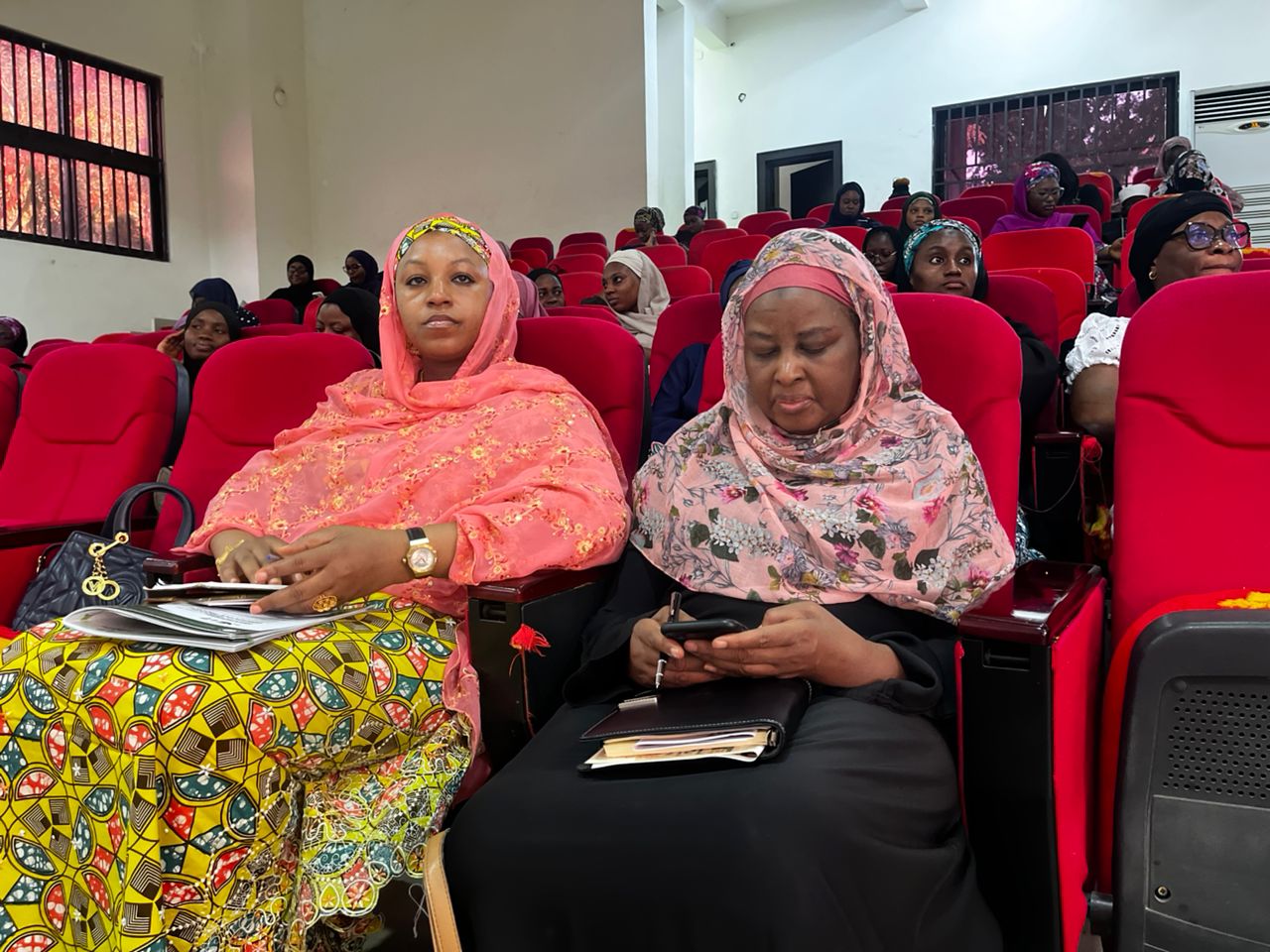
More faces at the event:




SPONSORED

SPONSORED

SPONSORED
