
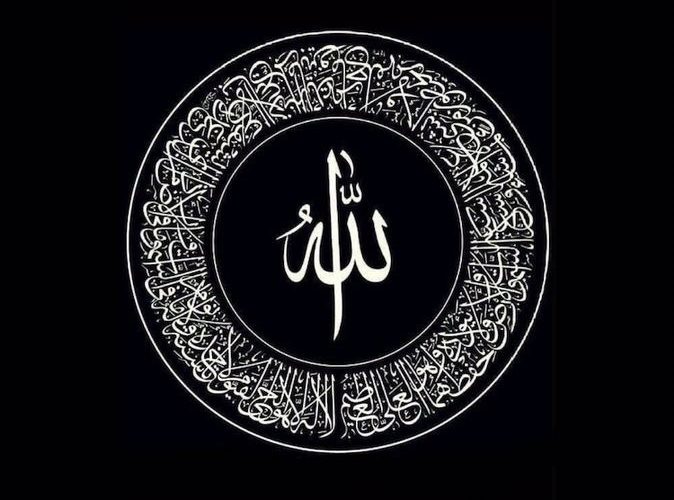
Life in the Grave (Golden Words of Allah Ep 88)
And the stupor of death will come in truth: ‘This is what you have been avoiding. (Surah Qaf 50:19)
By Abdullahi Yusuf
In the name of Allah, the Beneficent, the Merciful. All perfect praise is due to Allah, may He be glorified and exalted, the Lord of the Worlds. We bear witness that there is none worthy of worship but Allah, and Muhammad (pbuh), is His slave and final Messenger.
Death is the most certain reality of life, yet it remains the one truth most people spend their days avoiding. The Qur’an describes the final moment with striking clarity: “And the stupor of death will come in truth: ‘This is what you have been avoiding.’” (Qaf 50:19). When that moment arrives, every illusion of permanence dissolves. Wealth, influence, possessions, companions, all are left behind, and the human being proceeds alone into the next stage of existence.
In Islamic thought, what follows death is not emptiness but transition. Scholars refer to this stage as life in the grave, the realm of Barzakh, a reality affirmed through the Qur’an and explained in the Sunnah. It is not a matter known through human experience, for no one has returned from the grave to narrate its conditions firsthand. Rather, believers rely on the guidance revealed in the Qur’an and the teachings of the Messenger of Allah (pbuh), who spoke about what awaits the soul once the body is lowered into the earth.
The Qur’an reminds mankind of the moment when the veil of worldly attachments is removed: “And you have certainly come to Us alone as We created you the first time, and you have left behind whatever We bestowed upon you.” (Al-An‘am 6:94).
At that moment, every worldly association dissolves. The intercessors people once relied upon, the wealth they trusted, the status they guarded, all vanish. What remains is the record of deeds.
Islamic scholars from the earliest generations described the grave as the first station of the Hereafter. Once the body is placed within the grave, the soul enters a new phase of existence, one in which questioning and accountability begin. For this reason, Muslims are advised to remain calm during burial, avoiding loud wailing and disturbance, and instead pray for the stability of the deceased as he faces the questioning that follows death.
The Qur’an also reminds us that death does not erase accountability. When the graves are opened and their contents scattered, the truth of every life will become known.
“And when the contents of the graves are scattered, and that within the breasts is revealed, then surely their Lord is fully aware of them on that Day.” (Al-‘Adiyat 100:9–11). Nothing escapes the record. Every action small or great, remains preserved before Allah.
“Indeed, over you are keepers, noble and recording; they know whatever you do.” (Al-Infitar 82:10–12).
The Qur’an cautions the believers not to be deceived by worldly appearances: “O mankind, what has deceived you concerning your Lord, the Most Generous who created you, proportioned you and balanced you?” (Al-Infitar 82:6–7).
The question echoes across every generation: what has distracted mankind from preparing for the inevitable meeting with his Lord?
The grave is the first doorway of the Hereafter, a place where worldly illusions collapse and truth becomes undeniable. For the righteous, it becomes a garden from the gardens of Paradise; for others, it becomes a place of regret until the Day of Resurrection.
The wise believer reflects on this reality while there is still time, correcting his actions, purifying his intentions, and seeking the mercy of Allah before the moment arrives when repentance is no longer possible.
And Allah knows best.
SPONSORED

SPONSORED
