
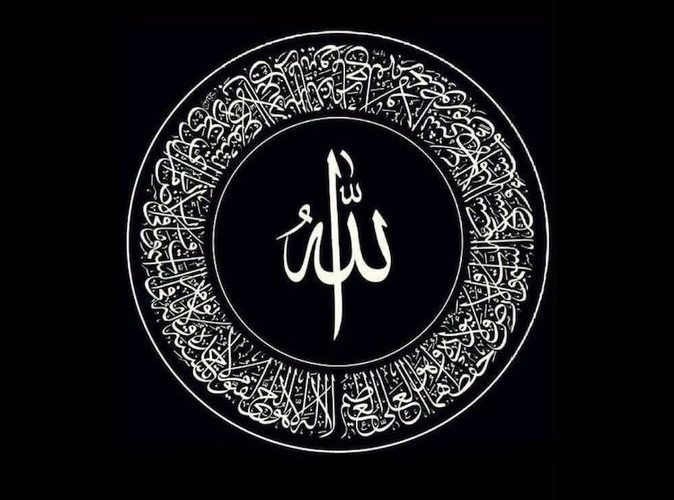
Greed in Business (Golden Words of Allah Ep78)
“Allah destroys interest and gives increase for charities. And Allah does not like every sinning disbeliever.” (Surah Al-Baqarah, 2:276)
By Abdullahi Yusuf
In the name of Allah, the Beneficent, the Merciful. All perfect praise is due to Allah, may He be glorified and exalted, the Lord of the Worlds. We bear witness that there is none worthy of worship but Allah, and Muhammad (pbuh), is His slave and final Messenger.
The Prophet Muhammad (peace be upon him) was a trader, and many of the Companions built their livelihoods through commerce. Yet Islam draws a sharp line between profit and greed. Profit earns livelihood; greed erodes barakah often silently, without immediate loss, until its absence is felt in unrest and emptiness.
Growth without blessing is loss in another form. This is why Allah warns against unlawful gain and deception, even when it appears successful. “Woe to those who give less [than due], who when they take a measure from people take in full, but when they give by measure or by weight, they cause loss.”(Surah Al-Mutaffifin, 83:1–3). These verses were revealed about business practices, yet they speak to every form of imbalance where advantage is taken quietly.
The Prophet (pbuh) described how greed strips transactions of divine blessing. He said: “The buyer and the seller have the option [to cancel] as long as they have not separated. If they are truthful and clear, their transaction will be blessed. But if they lie and conceal, the blessing of their transaction is erased.” (Sahih al-Bukhari, Sahih Muslim)
Greed also reshapes intention. What begins as effort turns into obsession, and what begins as provision turns into pressure. The Prophet (pbuh) warned, “The son of Adam says, ‘My wealth, my wealth,’ but of his wealth he has only what he eats and consumes, what he wears and wears out, or what he gives in charity and sends ahead.” (Sahih Muslim). Everything else, though possessed, does not truly belong to him.
Islam does not condemn ambition; it corrects direction. Wealth earned lawfully and shared responsibly attracts barakah, even if modest. Greed, however, narrows vision, making one forget the poor, delay zakat, justify exploitation, and measure success solely by accumulation. This is why Allah contrasts interest-based gain with charity, showing that what appears to grow may in fact be diminished in the unseen.
The danger of greed is that it often goes unnoticed. A business may expand while relationships collapse, sleep is lost, ethics weaken, and gratitude fades. These are signs of barakah quietly leaving. True success, in Islam, is when wealth supports faith, not replaces it.
And Allah knows best.
SPONSORED

SPONSORED
