
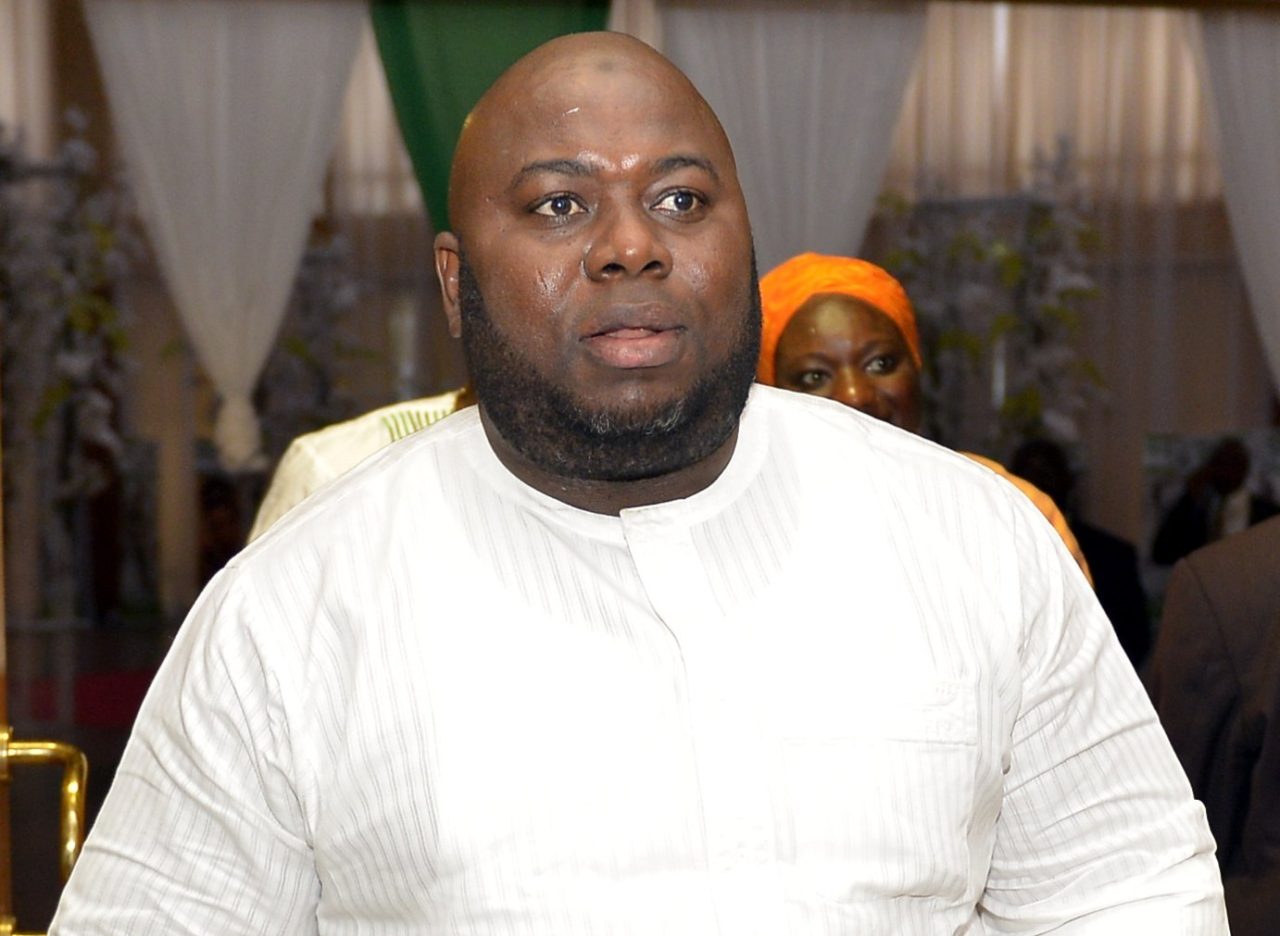
Asari Dokubo says he is ‘an Islamist and jihadist’ in viral remarks
Former Niger Delta militant leader defends religious identity and issues strong criticism of US and global politics
By Abdullahi Yusuf
Former Niger Delta militant leader Mujahid Asari-Dokubo has sparked debate after publicly describing himself as an “Islamist” and a “jihadist” while speaking about his religious beliefs in a video that has circulated widely online.
In the recording, Dokubo said the name he now uses reflects his faith and convictions as a Muslim.
“I’m a jihadist. My name is Mujahed, he who carries out jihad, that is what it means in Arabic,” he said.
Dokubo explained that the name was one he had consciously adopted to reflect his identity.
“That is the name I adopted,” he said in the clip.
The former militant leader went on to stress that he practises Islam openly and without apology.
“Listen to me very well, I’m an Islamist. I’m a Muslim without apology and without fear,” he said.
The remarks have drawn attention partly because of Dokubo’s long and controversial public profile. Once the head of the Niger Delta People’s Volunteer Force, he became widely known in the early 2000s during militant campaigns in the oil-producing Niger Delta region.
Since then, he has remained an outspoken commentator on Nigerian politics and security issues, frequently releasing videos addressing national and international developments.
In other recent remarks circulated online, Dokubo issued a warning to the United States, saying Nigeria would become a “graveyard” for foreign troops if American forces ever launched a military operation in the country.
Speaking during a live broadcast on Facebook, he warned that US soldiers would face armed resistance should they attempt to enter Nigeria.
Dokubo also criticised the United States and its leadership, directing sharp comments at Donald Trump, who he described as emblematic of what he called a deeply troubled political culture.
He further rejected claims that violence in Nigeria targets only Christians, insisting that Muslims are also among those affected by killings across the country.
Dokubo’s remarks have once again highlighted his role as one of Nigeria’s most polarising political voices.
Supporters view him as a blunt and outspoken defender of his community and beliefs. Critics, however, say his rhetoric often inflames tensions and contributes to already sensitive debates about religion, politics and security in Nigeria.
The viral video has triggered renewed discussion across social media platforms about the meaning of the terms he used and the broader implications of such declarations in a country where religious and political identities are often intensely debated.
SPONSORED

SPONSORED
