
US strikes fall short as Iran retains significant missile power
Intelligence assessments suggest Iran still holds substantial drone and launch capabilities, challenging claims of decisive military success
By Abdullahi Yusuf
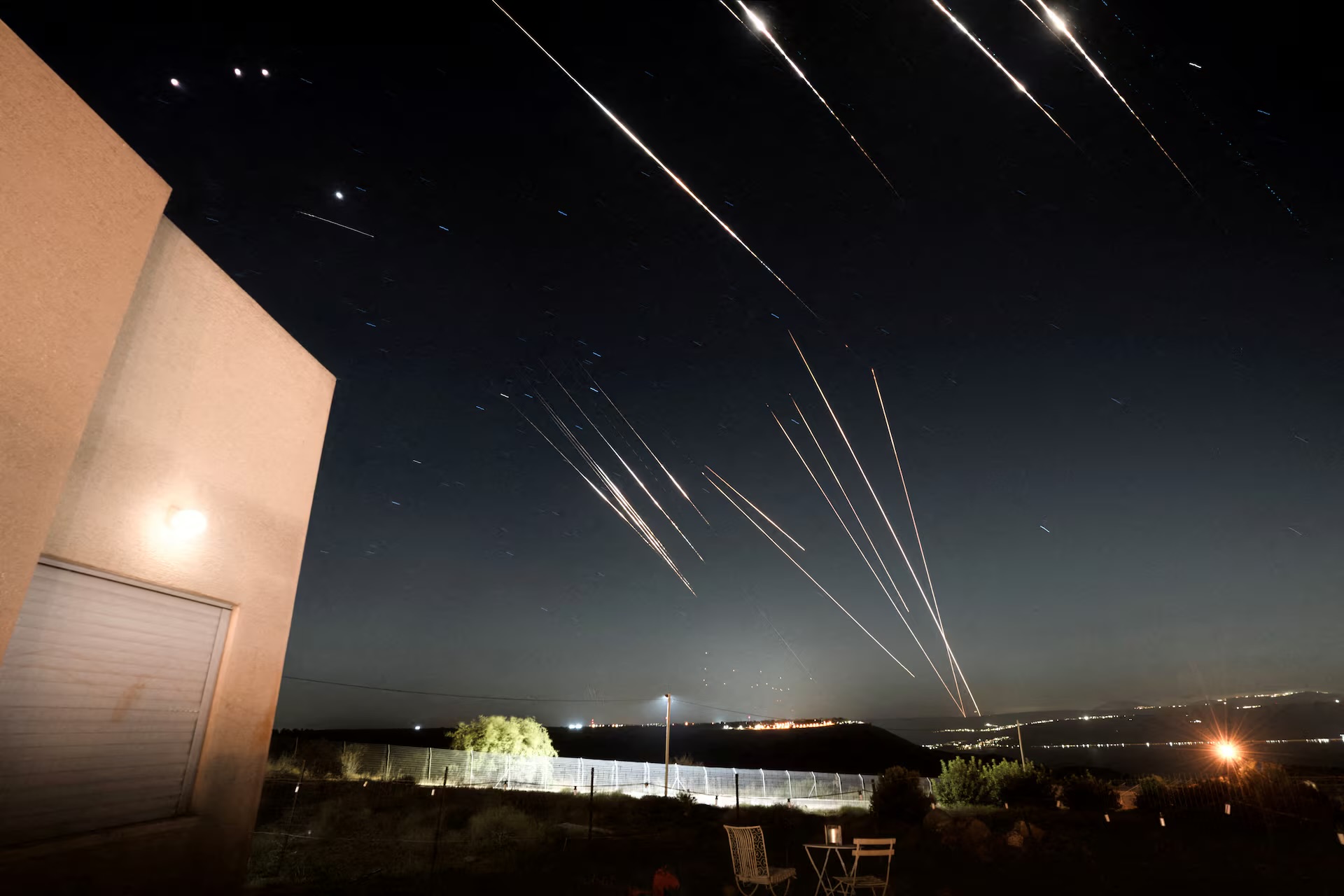
Fresh intelligence assessments indicate that Iran retains a significant portion of its missile and drone capabilities despite weeks of sustained US and Israeli strikes, raising questions about the overall effectiveness of the campaign and the true state of the conflict.
According to sources cited by CNN, roughly half of Iran’s missile launch systems remain operational, while thousands of attack drones are still intact. The findings suggest that Tehran continues to possess a credible offensive capability across the region.
“They are still very much poised to wreak absolute havoc,” one source familiar with the assessments said, pointing to the scale of Iran’s remaining arsenal.
The intelligence also indicates that many of Iran’s coastal defence cruise missiles have not been significantly degraded. These systems are considered critical to Tehran’s ability to threaten maritime traffic, particularly through the strategically vital Strait of Hormuz.
Analysts note that US strategy appears to have focused less on coastal infrastructure, instead targeting broader military and industrial capabilities. While some maritime assets have been struck, much of this capability remains in place.
The assessment stands in contrast to public statements by Donald Trump, who has said Iran’s missile and drone capacity has been significantly reduced, with “very few” systems remaining.
Figures released by US Central Command show that more than 12,300 targets inside Iran have been hit since the launch of Operation Epic Fury in late February, an indication of the scale and intensity of the campaign.
Even so, officials familiar with the intelligence caution that the destruction of infrastructure does not necessarily equate to the elimination of capability. Some launch systems, for instance, may be temporarily inoperable after being buried by airstrikes, rather than fully destroyed.
There is also acknowledgement that the strikes have had an impact. Several senior figures within Iran’s leadership have been killed, including Ali Khamenei and Ali Larijani, and parts of the country’s military network have been weakened.
But taken together, the intelligence points to a more complex reality: that while Iran’s capabilities have been degraded, they have not been eliminated and the country remains in a position to continue projecting force across the region.
SPONSORED

SPONSORED
