
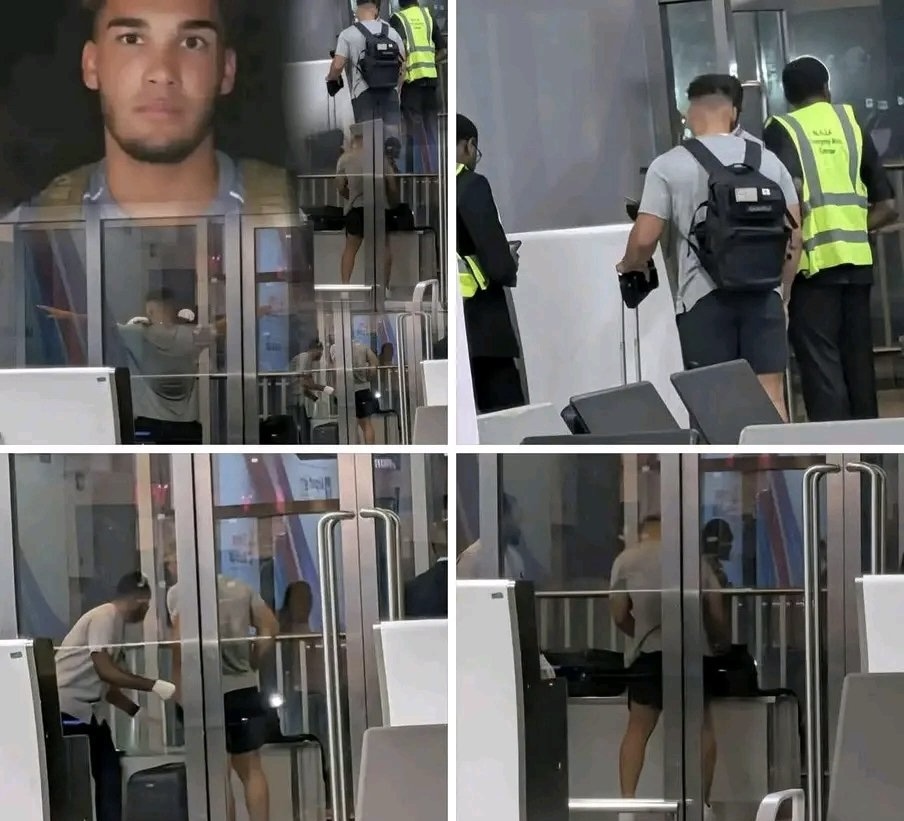
US Citizen Barbir Accused of Incitement Flees Nigeria Amid Nationwide Outcry
Report says controversial US national exited country under pressure as Tinubu pledges justice in Plateau killings
By Abdullahi Yusuf
A United States citizen at the centre of a growing national controversy has left Nigeria following mounting outrage over alleged inciting and divisive remarks linked to recent violence in the country’s Middle Belt, in a development that has intensified debate over foreign influence, national security, and accountability.
Alex Barbir, whose presence in Nigeria had drawn scrutiny in recent weeks, was widely reported to have departed on Thursday after calls from political, religious, and civic actors urging authorities to investigate his activities and, if necessary, remove him from the country.
The episode unfolded as Bola Ahmed Tinubu travelled to Plateau State, where he met victims of a deadly attack in Angwan Rukuba that left at least 27 people dead, underscoring the fragile security climate in which the controversy erupted.
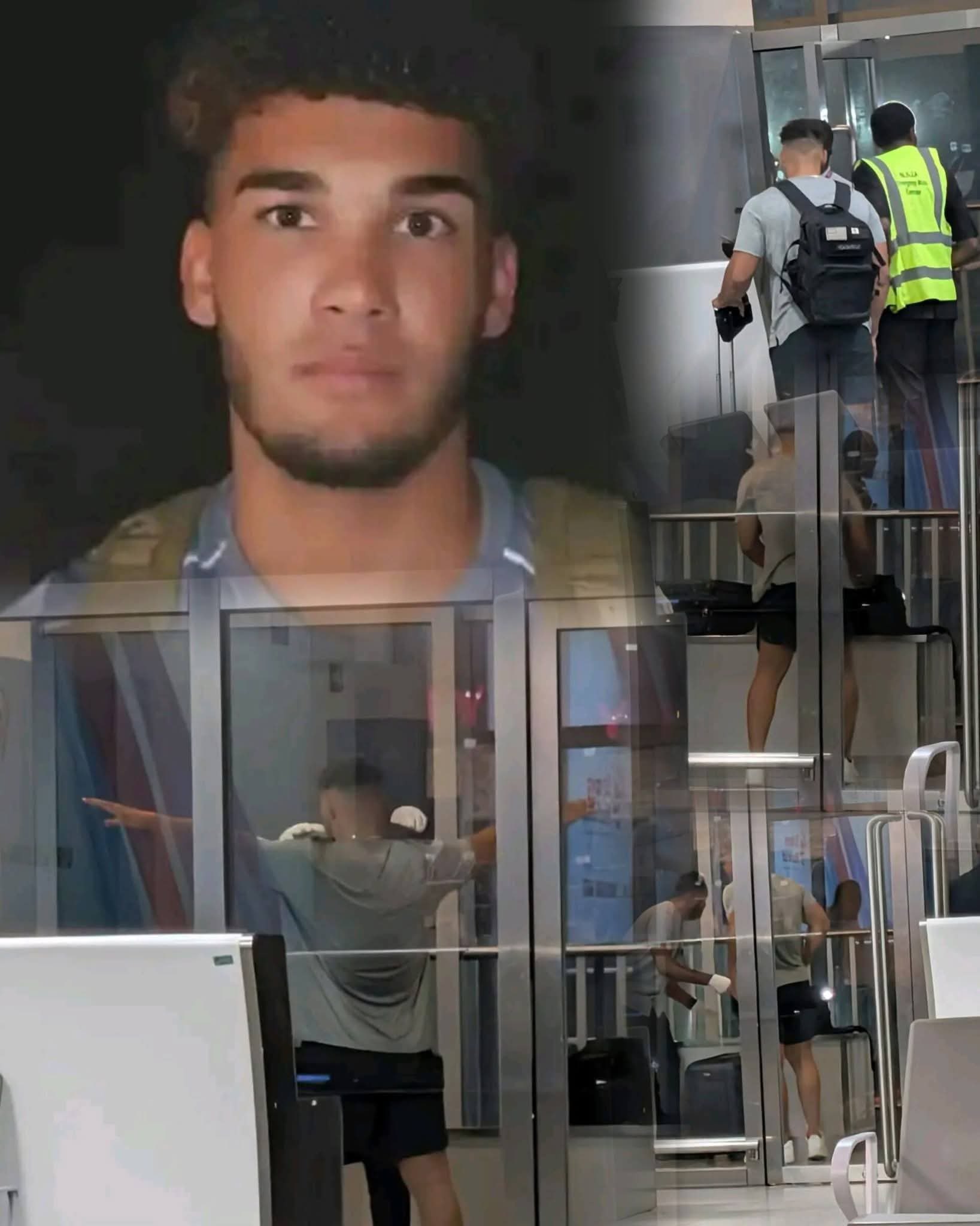
PEACE Magazine gathered that Barbir’s departure followed sustained public pressure amid allegations that his comments, both online and at conflict-affected locations, risked inflaming tensions in an already volatile environment marked by ethno-religious sensitivities.
Though some described him as an alleged undercover operative, no official confirmation of such claims has been made.
Prominent voices, including Bashir Ahmad and Ahmad Gumi, had called for urgent intervention by security agencies, warning that failure to act decisively could embolden actors perceived to be exploiting divisions.
Barbir later confirmed his exit in a social media post, appearing to dismiss criticism by suggesting that his departure should now usher in peace, a remark that further fuelled reactions across Nigeria’s deeply polarised online space. (see post here)
Ahmad, however, rejected suggestions that the exit was voluntary, asserting that authorities had compelled him to leave after initial resistance, a claim yet to be officially verified.
As of the time of publication, Nigerian authorities had not issued a formal statement clarifying whether Barbir was investigated, deported, or allowed to exit voluntarily.
That silence has left unanswered questions about the extent of his activities, the nature of any official response, and broader concerns about how Nigeria manages individuals accused of exacerbating internal tensions.
The controversy coincided with a moment of national mourning, as President Tinubu visited Plateau State in the aftermath of the Angwan Rukuba killings.
In emotionally charged scenes, he met bereaved families, including relatives of victims whose deaths have become emblematic of the human cost of Nigeria’s protracted communal violence.
The president acknowledged the depth of public grief, telling victims that the government would act to ensure justice and prevent a recurrence.
He also reflected on the limits of state intervention, noting that while support would be provided, no material compensation could replace lives lost.
The intersection of Barbir’s departure and the Plateau tragedy has sharpened focus on Nigeria’s security landscape, where local grievances, historical tensions, and external narratives can converge with destabilising effect.
For many, the key issue now is not only whether justice will be served in the Plateau killings, but whether institutions will respond decisively to perceived provocations, regardless of their source.
The coming days may determine whether this episode fades as a brief controversy or becomes a defining moment in Nigeria’s ongoing struggle to safeguard unity in the face of division.
SPONSORED

SPONSORED
