
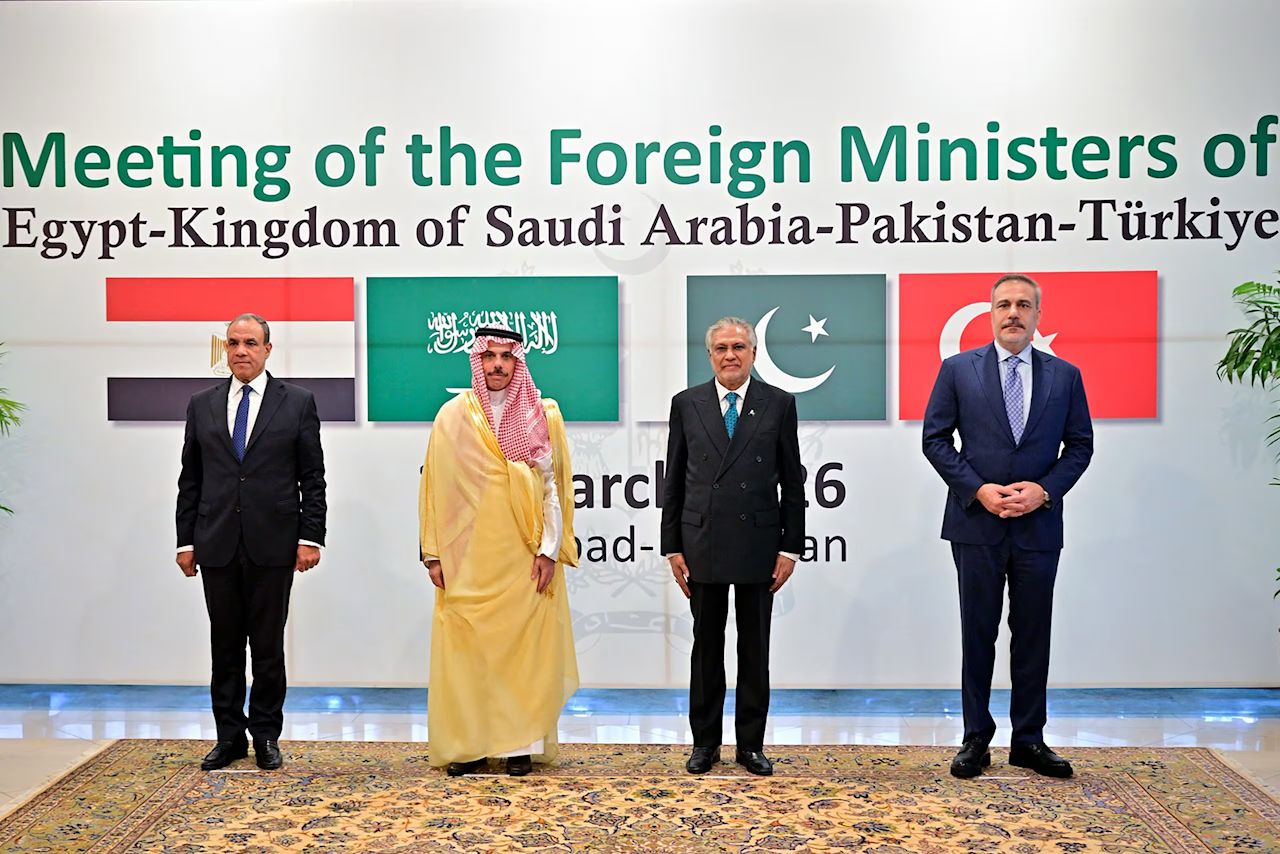
Türkiye, Egypt, Pakistan and Saudi Arabia propose toll system for Strait of Hormuz
Regional powers propose a Suez Canal-style system to manage oil shipments through the Strait of Hormuz as Washington and Tehran assess the geopolitical risks.
By Abdullahi Yusuf
Efforts are under way among key regional powers to reshape how one of the world’s most critical energy chokepoints is managed, amid growing pressure to stabilise global oil flows and prevent further disruption.
According to Reuters, a group of Middle Eastern and South Asian countries including Turkey, Egypt, Pakistan and Saudi Arabia, have put forward proposals aimed at reopening and regulating transit through the Strait of Hormuz.
At the centre of the discussions is a plan to introduce a paid transit system for vessels passing through the strait, modelled on the structure of the Suez Canal. The proposals, submitted to Washington on 29 March, reflect an attempt to bring both financial structure and operational control to a waterway that has become increasingly volatile.
The Strait of Hormuz, a narrow maritime corridor linking the Persian Gulf to global markets, remains one of the most strategically sensitive routes in the world, carrying a significant share of global oil shipments. Any disruption there has immediate implications for energy prices, shipping routes and broader economic stability.
Beyond the proposed toll system, discussions have also explored the creation of a regional consortium to oversee the transportation of oil products through the strait.
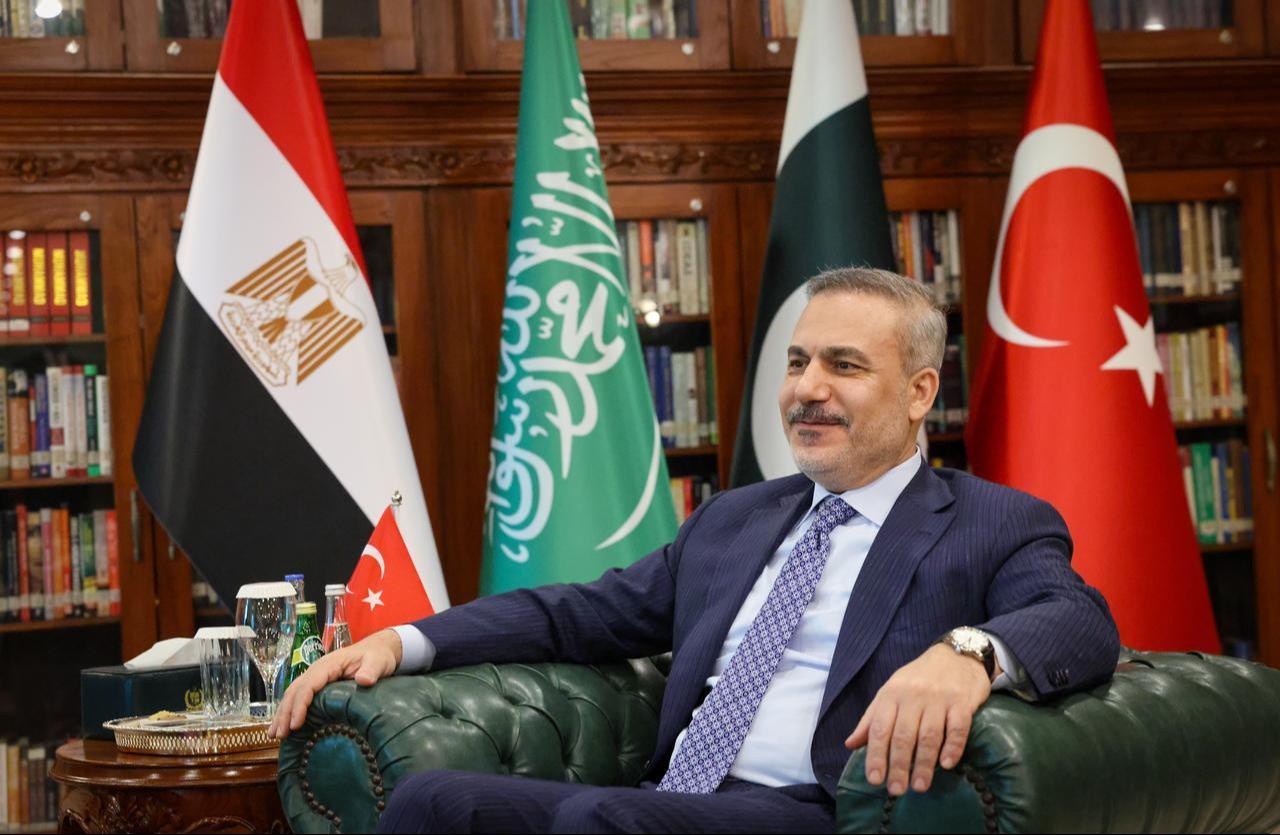
According to the report, Turkey, Egypt and Saudi Arabia are considering a joint framework that would manage logistics, security coordination and transit operations, a move that could mark a significant shift away from the current, largely fragmented system.
Such a consortium, if realised, would represent an unprecedented level of cooperation among regional actors with differing political alignments, united by a shared interest in maintaining the steady flow of energy exports.
What makes the initiative particularly notable is the extent of diplomatic engagement surrounding it.
The proposals have not only been presented to the United States, but have also been discussed with Iran, a key stakeholder in the strait’s security and a central actor in the wider regional tensions.
This dual-track engagement highlights the delicate balancing act involved: any sustainable arrangement would likely require at least tacit acceptance from both Washington and Tehran, despite their broader strategic rivalry.
The push for new governance mechanisms reflects mounting concern over the vulnerability of the Strait of Hormuz to conflict-related disruptions.
In recent months, the waterway has become increasingly contested, raising fears not only of military escalation but also of prolonged economic fallout should shipping lanes remain restricted.
A paid transit model, coupled with coordinated regional oversight, is being framed by proponents as a way to introduce predictability, both in security and in commercial operations.
Yet significant uncertainties remain.
How such a system would be enforced, who would guarantee security, and whether rival powers would accept a shared framework are all unresolved questions. There are also broader concerns about sovereignty, maritime law, and the potential for new tensions to emerge over control and revenue.
For now, the proposals signal a recognition among regional powers that the status quo may no longer be sustainable.
Whether these ideas evolve into a workable framework or remain aspirational in the face of geopolitical realities, will depend on negotiations that extend far beyond the waters of the strait itself.
SPONSORED

SPONSORED
