
Plateau massacre exposes Nigeria’s deadliest truth: Muslims and Christians are all targets
Not a clash of faiths but a collapse of protection, where killers strike at will and a nation watches its fault lines bleed
Survivors recount terror in Jos as authorities hunt attackers and religious leaders warn against reprisals in a region scarred by decades of mistrust
By Abdullahi Yusuf
In a violent assault that has once again shaken Nigeria’s Middle Belt, at least 27 people have been killed in an attack on Angwan Rukuba, a community in Jos North Local Government Area, Plateau State. Witnesses say gunmen, some dressed in military-style camouflage, stormed the neighbourhood on Sunday evening, firing indiscriminately as residents went about their daily activities.
The attackers reportedly arrived on motorcycles, blending in with the ordinary rhythm of village life before opening fire around 7:30pm. Fourteen people died instantly, while others critically injured were rushed to hospitals, where a further 13 succumbed to their wounds, according to residents and local sources. Police, however, put the official death toll at 26, with three more injured.
The assault has left the community in shock and mourning. Families gathered around the bodies of relatives and neighbours, many wearing long faces as they struggled to process the scale of the violence. Samson Chiroma, a youth leader, described the scene: “Twenty-seven persons lost their lives to the attack, including a pregnant woman. The community was still bustling with activity when the gunshots began. Everyone ran for safety, but many were shot. We have been left devastated, we are peace-loving people. The government must bring the killers to justice.”
PEACE Magazine gathered that the gunmen’s camouflage initially led some to believe they were security forces, a misjudgment that may have contributed to the high casualties. “Before we knew it, they started shooting sporadically. They killed many people and fled. People wanted to pursue them, but the military prevented any chase,” said Rose, a local vendor.
Other personal stories bring the human cost into stark relief. One resident, speaking anonymously, recounted losing his friend Pam, a schoolteacher known as a peacemaker: “Pam was full of life. I have been crying since we found him shot dead after the attack.” Another, grieving the loss of a family member, Azi, described rushing to console his family: “He never imagined such a fate. We were together shortly before the attack. Now we are devastated.”
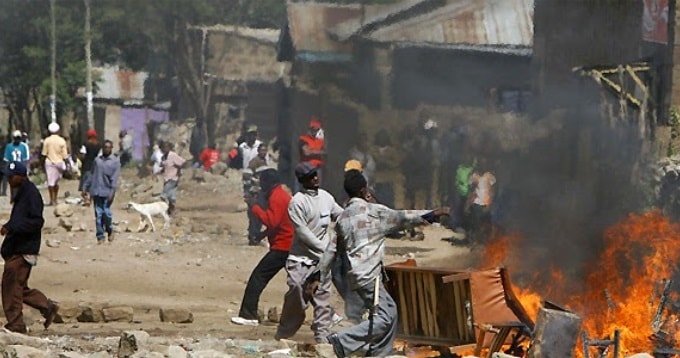
The community’s response quickly turned to protest. Youths blocked roads and confronted some motorcycle riders and passengers in anger, reflecting frustration over the persistence of such attacks despite security measures. A 48-hour curfew imposed by the state was largely defied as residents demanded action.
Governor Caleb Mutfwang visited the community on Monday, condemning the killings as “barbaric and unprovoked.” He assured residents that the perpetrators would be apprehended and that victims would receive proper burials, emphasizing there would be no mass graves. The governor also confirmed that President Bola Tinubu had been briefed on the attack.
Police Commissioner Bassey Ewah echoed these assurances, vowing that security forces would track down those responsible. Yet the repeated nature of such attacks in Plateau State has left many sceptical of promises.
Religious organisations have also responded. The Plateau chapter of Jama’atu Nasril Islam condemned the attack as “barbaric and senseless,” appealing for calm and restraint to prevent retaliatory violence. Dr Salim Musa Umar, JNI secretary, urged authorities to conduct a transparent investigation and bring those responsible to justice.
The incident is the latest in a long history of ethno-religious tensions in Plateau State, which have simmered since clashes erupted in Jos in September 2001. The violence has repeatedly spread from urban centres to rural areas, driven by disputes over land, indigeneship, and political influence. In the past two decades, estimates suggest around 11,000 people have been killed in recurring cycles of violence.
In recent months, clashes between mostly Christian farmers and predominantly Muslim herders have reignited these tensions, with accusations and counter-accusations intensifying distrust. Local groups, including the Plateau Initiative for Development and Advancement of the Natives (PIDAN) and the Plateau State chapter of the Miyetti Allah Cattle Breeders Association of Nigeria (MACBAN), continue to call for dialogue to foster peace. Experts also point to climate change and agricultural expansion as contributing factors to the unrest.
As Angwan Rukuba mourns its dead, the attack exposes the fragility of peace in central Nigeria. Residents, officials, and faith leaders alike now face the urgent challenge of containing anger and preventing retaliation, while the broader question of sustainable security in Plateau remains unresolved.
With additional information from Daily Trust
SPONSORED

SPONSORED
