
Nigeria arrests nearly 78,000 in five-year drug crackdown – Marwa
Peace Magazine learned the agency also reported 128 alleged drug barons arrested and 14,847,486 kg of illicit substances seized.
By Abdullahi Yusuf
Nigeria’s anti-narcotics agency said it arrested 77,792 suspects, including 128 alleged drug barons, secured more than 14,000 convictions and seized nearly 15 million kilograms of illicit drugs over the past five years, as authorities vowed to intensify a nationwide crackdown on organised drug trafficking networks.
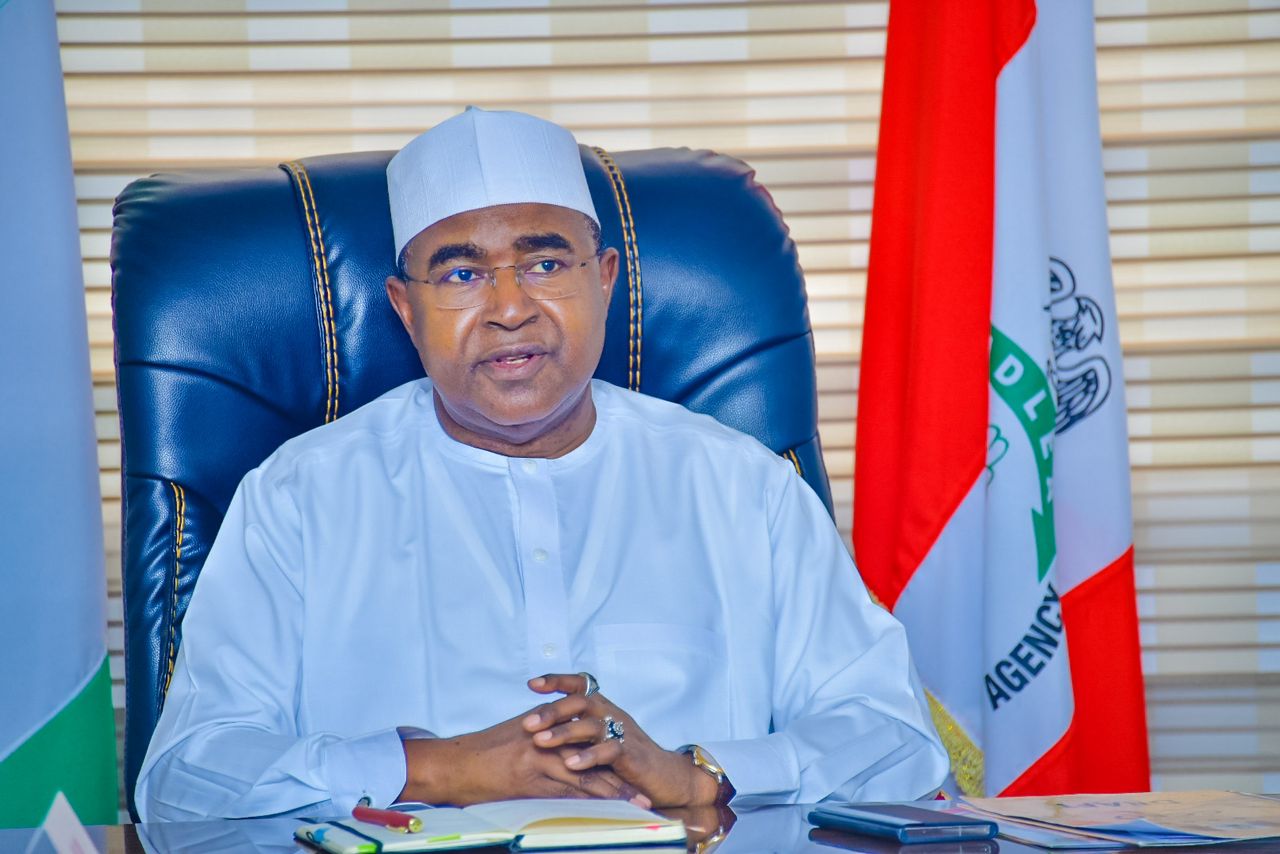
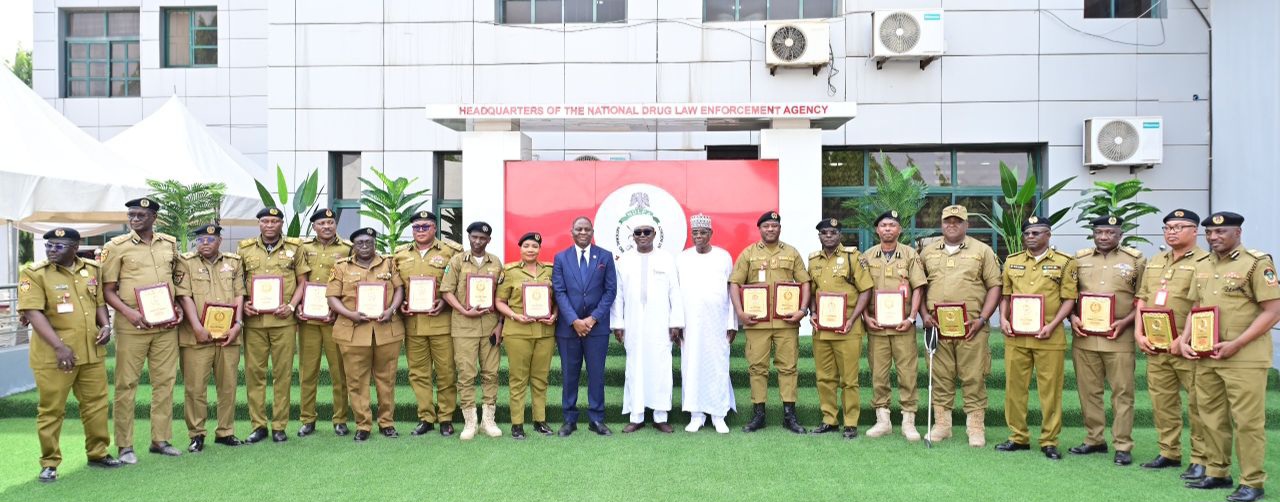
The figures were disclosed by the Chairman and Chief Executive of the National Drug Law Enforcement Agency (NDLEA), Mohamed Buba Marwa, at the agency’s 11th Commanders Awards and Commendation ceremony at its headquarters in Abuja.
Marwa, a retired army general who was reappointed for a second term earlier this year, said the results marked a turning point in Nigeria’s fight against drug trafficking, declaring that the country was no longer a safe operating base for criminal drug enterprises.
“When I first resumed in 2021, I promised to take the fight to the doorsteps of the merchants of death,” Marwa said. “Today, the numbers speak for themselves.”
According to the agency, NDLEA operatives seized a total of 14,847,486.34 kilograms of assorted illicit substances between 2021 and 2025, disrupting what Marwa described as both domestic and transnational supply chains involving organised criminal groups.
The agency said it also strengthened prosecutions during the period, securing 14,225 convictions in courts across the country, an effort Marwa said was aimed at reinforcing deterrence and demonstrating that drug-related crimes carry consequences.
In addition to enforcement, Marwa said the NDLEA expanded its drug demand–reduction strategy, providing structured treatment, counselling and rehabilitation to 32,442 drug users. He said the agency also conducted 13,735 public sensitisation campaigns nationwide under its War Against Drug Abuse (WADA) programme, targeting schools, transport hubs, workplaces, religious centres and local communities.
Marwa credited what he called intelligence-led operations, internal discipline and performance benchmarks for the agency’s resurgence, but said its achievements would not have been possible without institutional backing from the executive, legislature and judiciary.
He thanked President Bola Ahmed Tinubu for extending the agency’s leadership mandate, saying the decision signalled a directive to scale up the campaign against drug abuse and trafficking.
“Mr President’s decision to extend our mandate is a call to more work,” Marwa said. “The successes of the past five years are merely a foundation.”
Addressing officers and personnel, Marwa warned against complacency and said the next phase of operations would involve greater tactical sophistication in targeting drug cartels, traffickers and couriers.
“We will not rest until every drug baron is behind bars, every trafficker is intercepted and every gram of illicit drugs is removed from our streets and communities,” he said.
Nigeria, Africa’s most populous country, has long been identified by international agencies as a transit route and consumer market for narcotics such as cocaine, heroin and synthetic drugs, with trafficking linked to youth crime, organised violence and broader security challenges.
At the ceremony, the NDLEA honoured officers cited for operational bravery, integrity and professionalism. Marwa said the internal awards system was designed to reinforce performance culture and morale within the agency.
The NDLEA also acknowledged the role of international partners, other security agencies, civil society organisations and the media in supporting its operations, calling for deeper cooperation in the coming years to protect what Marwa described as “the future of Nigeria’s children.”
With additional information from Prowling Eagles
SPONSORED

SPONSORED

SPONSORED
